Goldfish Crackers Nutrition: Dietitian’s Breakdown
Goldfish crackers have been a beloved snack for generations, gracing lunchboxes, office desks, and pantry shelves across America. These small, cheese-flavored crackers offer convenience and a satisfying crunch, but what exactly are you consuming when you reach for a handful? Understanding the nutrition facts of goldfish crackers is essential for making informed dietary choices, whether you’re packing snacks for children, managing your own caloric intake, or simply curious about what goes into this iconic snack food. This comprehensive dietitian’s breakdown examines the nutritional profile, ingredient composition, and practical implications for different dietary goals.
As a registered dietitian, I’ve fielded countless questions about processed snacks like Goldfish crackers. Parents want to know if they’re appropriate for their children’s diets, health-conscious adults wonder about their place in a balanced nutrition plan, and fitness enthusiasts question their role in performance nutrition. The answer, as with most foods, isn’t simply yes or no—it depends on portion control, frequency of consumption, and individual nutritional needs. Let’s dive into the science behind this popular snack.
Nutritional Profile Overview
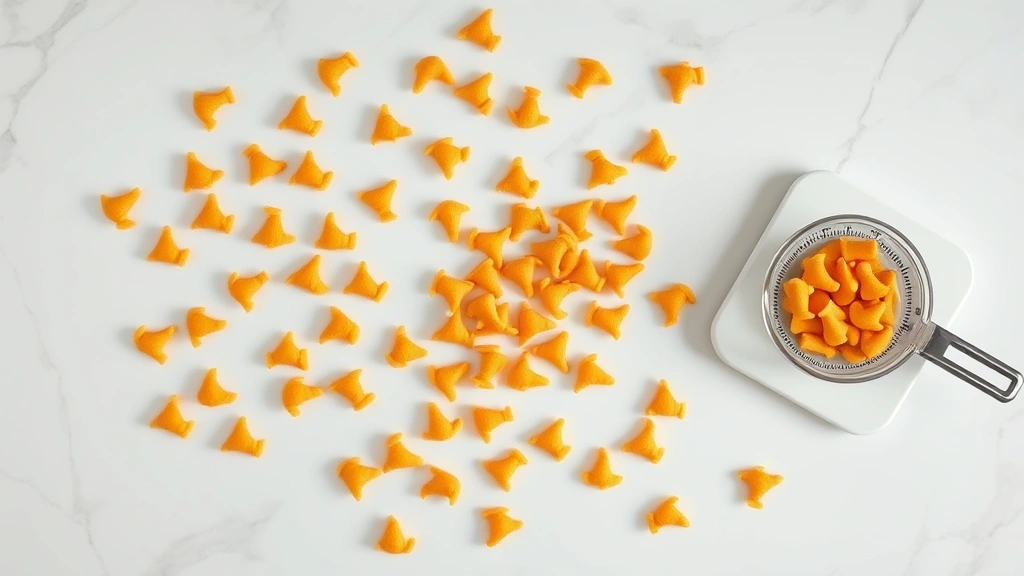
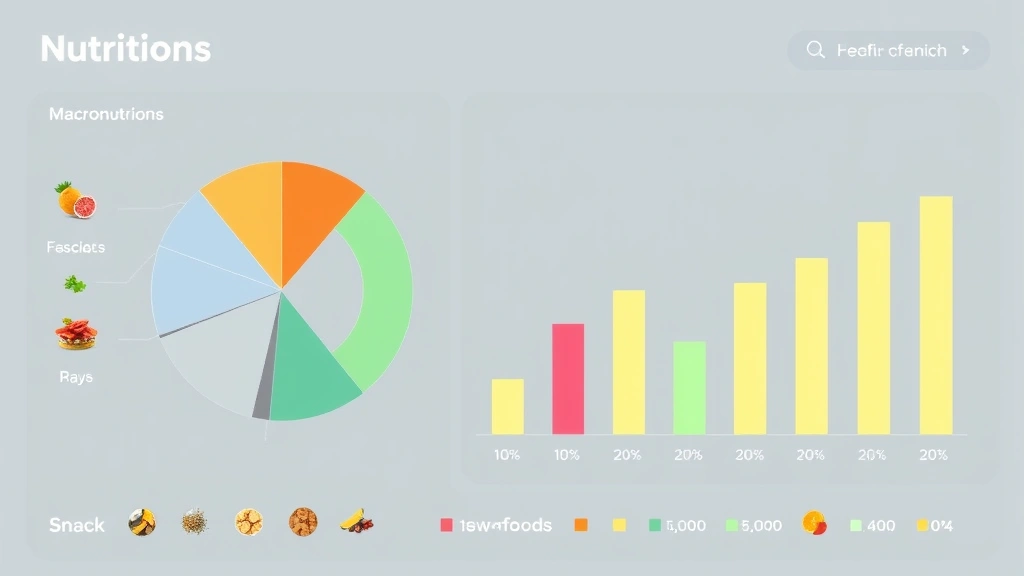
A standard serving of Goldfish crackers (approximately 55 grams or about 1 cup) contains roughly 240 calories, making them a moderately calorie-dense snack. The macronutrient composition breaks down as follows: approximately 10 grams of fat, 33 grams of carbohydrates, and 6 grams of protein. This ratio reflects the snack’s primary composition of refined carbohydrates and added fats, with modest protein content from the cheese flavoring and wheat flour base.
The micronutrient profile includes several B vitamins, iron, and sodium. Most commercial Goldfish crackers are enriched with B vitamins including thiamine, riboflavin, and niacin, which are added during processing to replace nutrients lost during the refinement of wheat flour. Iron content is also typically fortified into the product. However, the mineral profile is dominated by sodium, which presents both benefits and concerns depending on individual health status.
When evaluating whether Goldfish crackers fit into your healthy nutrition plan, it’s crucial to understand that they function best as an occasional snack rather than a dietary staple. The nutritional density—the ratio of nutrients to calories—is relatively low, meaning you’re consuming more calories relative to the vitamins and minerals you receive.
Caloric Content and Macronutrients
Understanding the caloric breakdown of Goldfish crackers is fundamental to portion management. At approximately 240 calories per serving, they represent a significant portion of recommended daily caloric intake for children (typically 1,200-2,000 calories daily depending on age) and a modest portion for adults (typically 2,000-2,500 calories daily). The carbohydrate content of 33 grams per serving is notable—this represents roughly 11% of a 2,000-calorie diet’s recommended carbohydrate intake.
The fat content warrants closer examination. Goldfish crackers typically contain 10 grams of fat per serving, derived primarily from vegetable oil added during the manufacturing process. This includes both saturated and unsaturated fats, with saturated fat comprising approximately 2-3 grams per serving. According to American Heart Association guidelines, limiting saturated fat to 5-6% of total daily calories (roughly 10-13 grams for a 2,000-calorie diet) is recommended for heart health.
The protein content of 6 grams per serving is modest but noteworthy. While not sufficient to qualify as a significant protein source, this protein comes from the wheat flour and cheese flavoring, providing all nine essential amino acids in small quantities. For individuals following nutrition for athletes protocols, Goldfish crackers alone are insufficient as a post-workout snack and should be paired with protein-rich foods.
Sodium and Heart Health Considerations
Perhaps the most significant nutritional concern with Goldfish crackers is their sodium content. A single serving contains approximately 350-400 mg of sodium, representing roughly 15-17% of the daily recommended limit of 2,300 mg established by health authorities. For children, the concern is even more pronounced, as recommended sodium intake for children aged 4-8 is just 1,000-1,200 mg daily.
Excessive sodium consumption has been consistently linked to elevated blood pressure, increased cardiovascular disease risk, and kidney strain in susceptible populations. The American Heart Association emphasizes that the typical American diet contains far too much sodium, with the average person consuming 3,400 mg daily—nearly 50% above recommended levels. Frequent consumption of Goldfish crackers contributes meaningfully to this excess.
However, the sodium concern must be contextualized within overall dietary patterns. A single serving of Goldfish crackers consumed occasionally poses minimal risk to most healthy individuals. The concern arises when processed snacks become dietary staples, creating cumulative sodium overload. Parents should be particularly cautious about serving Goldfish crackers multiple times daily or as a primary snack option.
For individuals managing hypertension or following sodium-restricted diets for medical reasons, Goldfish crackers should be consumed sparingly or avoided entirely. Those with kidney disease, heart failure, or other conditions requiring sodium restriction should consult their healthcare provider regarding appropriate snack choices.
Ingredients and Additives Analysis
The ingredient list of Goldfish crackers reveals the processed nature of this snack. Primary ingredients include enriched wheat flour, vegetable oil, salt, and cheese powder (containing milk, salt, milk fat, and milk protein). Additional ingredients typically include yeast, sugar, paprika, and various preservatives and emulsifiers.
The enrichment process deserves attention. Because refined wheat flour has been stripped of its outer bran and nutrient-rich germ during processing, manufacturers add back certain B vitamins and iron. While this restoration is beneficial, it doesn’t replace the fiber, phytochemicals, and other beneficial compounds lost during refinement. This is why whole grain crackers generally offer superior nutritional value compared to refined grain options.
Artificial colors, specifically yellow 5 and yellow 6, are present in most traditional Goldfish crackers. These synthetic dyes have been the subject of ongoing debate in nutritional science. While regulatory agencies like the FDA have deemed them safe, some research suggests potential behavioral effects in sensitive individuals, particularly children. The FDA maintains comprehensive documentation on food colorant safety, though some parents prefer to limit their children’s exposure to artificial additives.
Preservatives such as BHA (butylated hydroxyanisole) have been used historically in Goldfish crackers, though formulations vary by region and have evolved over time. These preservatives prevent fat oxidation and rancidity but have sparked consumer concern. Modern formulations increasingly use natural preservatives like mixed tocopherols (vitamin E derivatives).
Fiber and Digestive Impact
One significant nutritional limitation of standard Goldfish crackers is their minimal fiber content. A single serving contains virtually no dietary fiber, contributing zero grams to daily fiber needs. This absence reflects the use of refined wheat flour rather than whole grain alternatives.
Dietary fiber plays crucial roles in digestive health, blood sugar regulation, cholesterol management, and satiety. The recommended daily fiber intake is 25 grams for women and 38 grams for men. The typical American diet provides only about 15 grams daily, creating a significant fiber deficit. Snack foods like Goldfish crackers contribute to this deficit by providing calories without fiber.
From a digestive perspective, the refined carbohydrates in Goldfish crackers are rapidly absorbed, causing a quicker rise in blood glucose compared to whole grain alternatives. This rapid absorption can trigger insulin spikes and subsequent energy crashes, leaving consumers hungry shortly after consumption. The lack of fiber also means these crackers don’t promote satiety effectively, making it easy to overconsume.
For individuals concerned about digestive health or managing blood sugar levels, incorporating the importance of dietary fiber for your health into their snack choices is essential. Whole grain crackers, nuts, seeds, and fresh fruits all provide superior fiber profiles compared to Goldfish crackers.
Comparison with Other Snacks
To contextualize the nutritional value of Goldfish crackers, comparing them with alternative snacks proves illuminating. One serving of Goldfish crackers provides 240 calories with minimal nutritional density. In contrast, equivalent calorie amounts from other snacks yield different nutritional profiles.
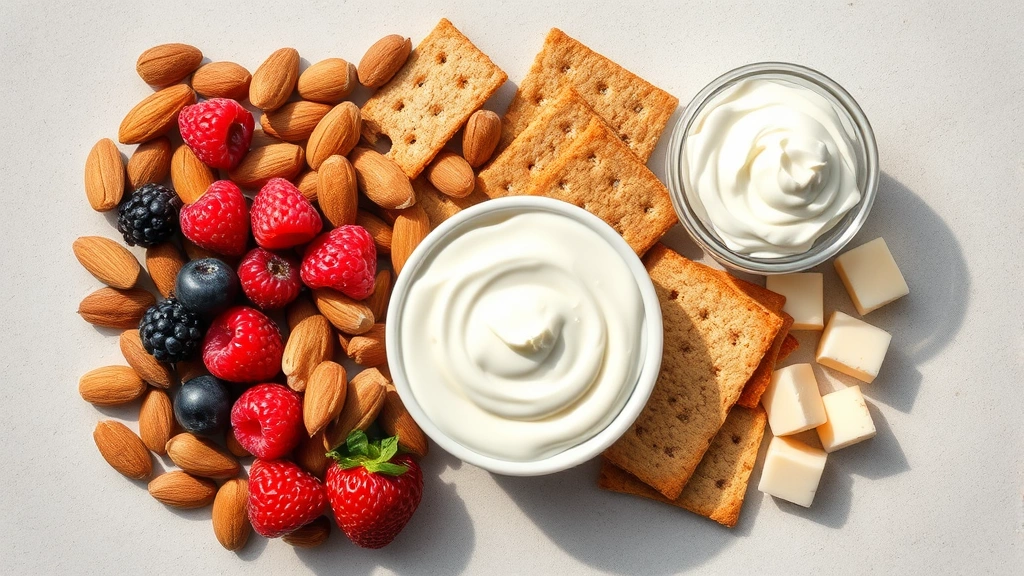
A medium apple (approximately 95 calories) provides 4 grams of fiber, multiple phytonutrients, and natural sugars that trigger slower glucose responses. One ounce of almonds (approximately 160 calories) delivers 6 grams of protein, 3.5 grams of fiber, and beneficial monounsaturated fats. A serving of Greek yogurt (approximately 100 calories) provides 15 grams of protein and probiotics supporting digestive health.
Compared to other processed crackers, Goldfish crackers fall in the moderate range nutritionally. Whole grain crackers offer superior fiber and micronutrient profiles. However, Goldfish crackers contain less sodium than some heavily salted chip varieties and more protein than many purely grain-based crackers. They’re neither the worst nor best option within the processed snack category, occupying a middle ground.
Goldfish in Different Diets
The appropriateness of Goldfish crackers varies significantly depending on individual dietary goals and health conditions. For weight management, Goldfish crackers present challenges due to their caloric density relative to satiety value. The combination of refined carbohydrates and fat without fiber means they don’t promote fullness effectively, making portion control difficult.
For children’s nutrition, Goldfish crackers can fit appropriately into balanced diets when consumed in moderation. Their familiar taste and shape make them appealing to young eaters, and their relatively small individual size allows for portion control. However, they shouldn’t constitute a primary snack source, as children require nutrient-dense foods to support growth and development.
For athletes and fitness enthusiasts following nutrition for athletes protocols, Goldfish crackers alone are inadequate. They lack sufficient protein for muscle recovery and don’t provide the sustained energy carbohydrates from whole grains offer. However, they could serve as part of a mixed snack paired with nuts or cheese for enhanced nutritional value.
For individuals managing diabetes or prediabetes, the high glycemic index of refined Goldfish crackers makes them problematic. They cause rapid blood sugar spikes without the fiber to moderate glucose response. These individuals should opt for whole grain alternatives or protein-fat combinations that slow carbohydrate absorption.
For those following ketogenic or low-carbohydrate diets, Goldfish crackers are incompatible, as a single serving contains 33 grams of carbohydrates—often exceeding entire daily carbohydrate allowances for strict keto protocols.
Portion Control Strategies
If you choose to include Goldfish crackers in your diet, implementing effective portion control strategies is essential. The standard serving size of 55 grams (approximately 1 cup) should serve as your baseline reference. Many people consume significantly larger portions without conscious measurement, easily doubling or tripling their caloric and sodium intake.
Practical portion control methods include pre-portioning crackers into small containers or bags rather than eating directly from the large box. This creates a physical barrier to overconsumption and makes caloric accounting easier. Pairing Goldfish crackers with protein sources like cheese, nuts, or Greek yogurt creates more balanced snacks that promote satiety and provide complementary nutrients.
Frequency moderation matters significantly. Consuming Goldfish crackers as an occasional treat (perhaps once or twice weekly) poses minimal nutritional concern for most healthy individuals. However, daily consumption contributes meaningfully to excess sodium and refined carbohydrate intake while displacing more nutritious snack options.
For parents managing children’s snack intake, establishing consistent portion rules prevents arguments and habitual overconsumption. Communicating the nutritional rationale behind portion limits helps older children develop intuitive understanding of appropriate snack sizing.
Consider the timing of consumption as well. Eating Goldfish crackers as part of a balanced meal provides better glucose control than consuming them alone as a snack. Their refined carbohydrate content is moderated when paired with protein and fat sources that slow absorption.
Practical Recommendations and Alternatives
Based on nutritional analysis, Goldfish crackers can occupy a limited role in balanced diets when consumed mindfully. However, several evidence-based recommendations emerge from examining their nutritional profile.
First, establish realistic frequency limits. For most healthy individuals, occasional consumption poses no meaningful health risk. However, making them a daily snack or primary crackers choice contributes to excessive sodium and refined carbohydrate intake while displacing more nutrient-dense options.
Second, when consuming Goldfish crackers, pair them with complementary foods. Adding cheese, nuts, or lean protein transforms them from a refined carbohydrate source into a more balanced snack. This pairing approach improves satiety and provides sustained energy.
Third, explore superior alternatives aligned with your nutritional goals. Whole grain crackers provide fiber and greater micronutrient density. Homemade versions using whole wheat flour and minimal salt offer complete control over ingredients. Nuts, seeds, and fresh fruits deliver superior nutrient-to-calorie ratios.
Fourth, read labels carefully on Goldfish varieties. Some formulations contain reduced sodium (though still relatively high), and whole grain options exist. Comparing nutrition labels across brands reveals meaningful differences in sodium, fiber, and artificial additives.
Finally, view Goldfish crackers within the context of overall dietary patterns rather than in isolation. A single serving consumed occasionally within an otherwise balanced diet presents minimal concern. However, habitual consumption as a primary snack source warrants reconsideration.
Understanding the nutrition facts of beef steak and other whole foods helps establish reference points for nutrient density. Comparing Goldfish crackers to whole food options like nutrition facts of chicken liver highlights why processed snacks should complement rather than replace whole food consumption.
For comprehensive guidance on structuring balanced snack choices, consulting the Nutrients Pathway Blog provides evidence-based nutritional information across diverse food categories and dietary approaches.
FAQ
Are Goldfish crackers healthy for children?
Goldfish crackers can fit into children’s diets when consumed in appropriate portions as occasional snacks. However, they shouldn’t constitute a primary snack source due to minimal fiber, limited micronutrient density, and high sodium content relative to children’s daily needs. Pair them with whole foods and limit frequency to ensure children receive nutrient-dense snacking options supporting growth and development.
How much sodium is in Goldfish crackers?
A single serving (55 grams) contains approximately 350-400 mg of sodium, representing 15-17% of the daily recommended limit for adults. For children, this represents a much larger percentage of their lower recommended sodium intake. Multiple servings consumed daily can quickly exceed healthy sodium levels.
Can I eat Goldfish crackers on a diet?
While Goldfish crackers can technically fit into calorie-restricted diets, they’re not ideal choices for weight management. Their caloric density combined with minimal fiber and protein means they don’t promote satiety effectively, making portion control difficult. Alternative snacks with higher protein and fiber content support weight loss goals more effectively.
Do Goldfish crackers contain artificial ingredients?
Most traditional Goldfish crackers contain artificial colors (yellow 5 and yellow 6) and various preservatives. However, formulations vary by region and have evolved over time. Some varieties use natural alternatives. Reading ingredient labels reveals specific additives in your particular product.
What’s the serving size for Goldfish crackers?
The standard serving size is 55 grams, equivalent to approximately 1 cup of crackers. This serving contains 240 calories, 10 grams of fat, 33 grams of carbohydrates, and 6 grams of protein. Most people consume larger portions without measurement, significantly exceeding this baseline.
Are whole grain Goldfish crackers better?
Yes, whole grain varieties offer superior nutritional profiles compared to traditional refined grain options. They contain more fiber, which supports digestive health and satiety, and provide greater micronutrient density. However, even whole grain versions contain significant sodium, so portion control remains important.
How do Goldfish crackers compare to other snacks?
Goldfish crackers occupy a middle ground among processed snacks. They contain more protein than many pure grain crackers but less fiber than whole grain alternatives. Compared to whole foods like nuts, fruits, and yogurt, they offer inferior nutritional density. Their primary advantage is convenience and palatability rather than nutritional value.