
Grilled Cheese Nutrition? Dietitian Insights on This Classic Comfort Food
The grilled cheese sandwich stands as one of America’s most beloved comfort foods—crispy on the outside, melty on the inside, and deceptively simple in its construction. Yet beneath this nostalgic exterior lies a nutritional profile that warrants serious examination. Whether you’re a parent packing lunch boxes, a college student living on a budget, or simply someone who enjoys indulging in this classic treat, understanding the nutrition facts of grilled cheese becomes increasingly important in our health-conscious era.
Dietitians and nutritional experts have long grappled with how to position grilled cheese within a balanced diet. Is it an occasional indulgence to be savored guilt-free, or does it deserve a more prominent place in regular meal planning? The answer, as with most nutritional questions, is nuanced and depends on preparation methods, ingredient choices, and portion control. This comprehensive guide breaks down exactly what you’re consuming when you bite into a grilled cheese sandwich and explores how to optimize this beloved classic for better health outcomes.
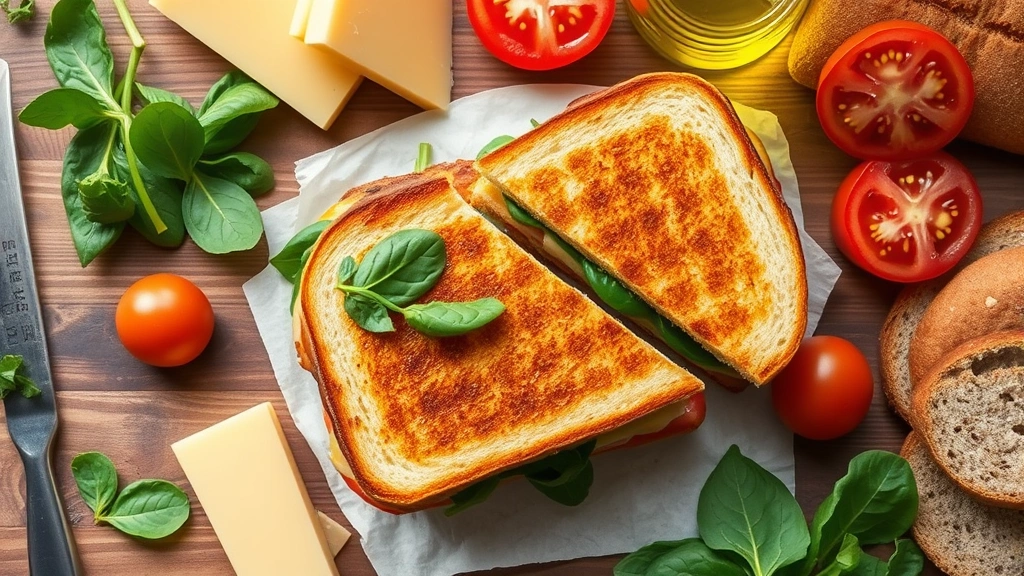
Basic Nutrition Facts of Grilled Cheese
A standard grilled cheese sandwich prepared with two slices of white bread, two ounces of cheddar cheese, and one tablespoon of butter contains approximately 400-450 calories, though variations can push this number significantly higher or lower. The macronutrient distribution typically breaks down as follows: roughly 40-45% of calories come from fat, 35-40% from carbohydrates, and 15-20% from protein. This ratio reflects the heavy reliance on cheese and butter, which are both fat-dense ingredients.
The sodium content presents another consideration worthy of attention. A single grilled cheese sandwich can contain 600-900 milligrams of sodium, depending on the cheese variety selected and whether additional salt is added during preparation. For context, the American Heart Association recommends limiting daily sodium intake to 2,300 milligrams, meaning one sandwich accounts for roughly 25-40% of that daily allowance. This becomes particularly relevant for individuals managing hypertension or heart disease.
Micronutrient content varies based on ingredient selection, but a standard grilled cheese provides meaningful amounts of calcium (from cheese), vitamin B12, phosphorus, and selenium. The refined white bread commonly used in traditional preparations contributes minimal fiber—typically less than 2 grams per sandwich—which explains why many nutritionists advocate for whole grain alternatives. Understanding these baseline facts provides the foundation for making informed decisions about how to incorporate grilled cheese into your diet.

Calorie Breakdown and Macronutrients
Examining the caloric structure of grilled cheese reveals why this seemingly simple sandwich can quickly become calorie-dense. Cheese contributes the majority of calories—approximately 200-250 calories from just two ounces—and nearly all of this energy comes from fat. The butter used for cooking adds another 100 calories and 11 grams of fat. Two slices of white bread provide approximately 140-160 calories, primarily from refined carbohydrates. When combined, these three basic ingredients create a caloric profile that rivals many restaurant burgers.
The fat composition warrants specific attention. Traditional grilled cheese relies heavily on saturated fat from both cheese and butter. A standard preparation contains 15-20 grams of saturated fat, approaching or exceeding the American Heart Association’s recommended daily limit of 20 grams for a 2,000-calorie diet. Saturated fat consumption in excess has been linked to elevated LDL cholesterol levels and increased cardiovascular disease risk, though recent research suggests the relationship is more complex than previously understood.
Protein content, while present, remains modest at approximately 12-15 grams per sandwich. This relatively low protein-to-calorie ratio means grilled cheese won’t provide sustained satiety compared to protein-rich alternatives. Pairing your sandwich with protein sources like turkey, adding Greek yogurt-based accompaniments, or selecting higher-protein cheese varieties can improve this ratio. Carbohydrate content from bread varies significantly based on bread choice, ranging from 30-50 grams depending on slice thickness and bread type.
Cheese Selection and Nutritional Impact
The cheese selection represents the single most impactful variable in grilled cheese nutrition. While cheddar remains the classic choice, nutritional profiles vary substantially across cheese varieties. American cheese, often used in diner-style grilled cheese, contains added emulsifiers and sodium but melts uniformly and contains slightly fewer calories per ounce than aged cheddar. Swiss cheese offers a distinctive flavor with marginally lower fat content than cheddar. Mozzarella, while lower in calories and fat, produces less flavorful results that many purists reject.
For those seeking to optimize their healthy nutrition plan, considering cheese alternatives presents an interesting avenue. Reduced-fat cheddar cuts calories by approximately 20-30% compared to full-fat varieties while maintaining reasonable flavor and melting properties. Aged cheeses like gruyere pack more flavor per ounce, allowing you to use smaller quantities while achieving satisfying taste. Some innovative preparations incorporate nutritional yeast or blended cheese combinations to reduce overall fat intake without sacrificing the essential grilled cheese experience.
The sodium content of cheese demands particular emphasis. A single ounce of cheddar contains 150-200 milligrams of sodium. Using one-and-a-half ounces instead of two reduces both calories and sodium meaningfully without eliminating the essential cheese experience. Low-sodium cheese varieties exist but often sacrifice flavor—a trade-off many find unsatisfactory. Ultimately, cheese selection represents the most accessible lever for customizing grilled cheese nutrition to align with individual dietary needs.
Bread Choices Matter More Than You Think
The bread component often receives less attention than cheese and butter, yet it profoundly influences both nutritional value and satiety. White bread, the traditional choice for grilled cheese, provides minimal nutritional benefit beyond calories. Two slices typically contain 140-160 calories with less than 2 grams of fiber and minimal micronutrient density. Whole wheat bread doubles the fiber content to 4-5 grams per two slices while adding B vitamins, magnesium, and manganese from the bran and germ layers.
Sourdough bread offers interesting nutritional properties beyond its distinctive flavor. The fermentation process reduces the glycemic index, meaning blood sugar rises more gradually after consumption—an advantage for energy stability and blood sugar management. This fermentation also enhances mineral bioavailability, making nutrients like iron, zinc, and magnesium more readily absorbed by your body. For those with mild gluten sensitivity, the fermentation process partially breaks down gluten molecules, sometimes improving digestibility.
Multigrain and sprouted grain breads represent premium options for nutritionally optimized grilled cheese. These varieties typically contain 5-7 grams of fiber per two slices along with diverse micronutrients from various seeds and grains. However, their denser texture and more assertive flavors don’t appeal to all palates, and they can require adjusted cooking techniques to achieve proper browning without burning. Experimenting with different bread varieties helps identify options that satisfy both nutritional goals and taste preferences. Consulting your preferred nutrition resources can guide bread selection.
Butter, Oil, and Cooking Methods
The cooking medium represents an underappreciated but crucial variable in grilled cheese nutrition. Traditional recipes call for butter, which contributes rich flavor and facilitates browning. One tablespoon of butter adds 100 calories and 11 grams of fat—roughly 25% of the sandwich’s total calories. While butter contains beneficial compounds like butyric acid, the high saturated fat content remains a concern for some dietary approaches.
Alternative cooking methods and fats offer meaningful modifications. Extra virgin olive oil contains monounsaturated fats associated with cardiovascular benefits and provides polyphenol antioxidants. Using one-half tablespoon of olive oil instead of full tablespoon of butter saves approximately 50 calories while introducing these beneficial compounds. Avocado oil, with a higher smoke point than olive oil, works excellently for grilled cheese and offers similar nutritional advantages. Some innovative cooks employ cooking spray or minimal-fat approaches, though these sacrifice some of the essential browning and flavor development.
Cooking method itself influences nutritional outcomes. Pan-frying over medium heat allows gradual cheese melting and even browning without creating burnt exterior regions that contain potentially problematic compounds. Using a cast iron skillet distributes heat more evenly, reducing the need for excess fat. Some health-conscious preparations employ griddles or non-stick pans to minimize added fat entirely. The stovetop method remains superior to toaster oven or oven approaches, which struggle to achieve the simultaneous exterior crispness and interior creaminess that defines excellent grilled cheese.
Healthier Grilled Cheese Modifications
Creating a more nutritionally optimized grilled cheese doesn’t require abandoning the essential experience. Strategic modifications can reduce calories by 100-150, decrease sodium by 300-400 milligrams, and increase fiber and micronutrient content substantially. Start with bread selection: choosing whole grain, sprouted, or sourdough varieties immediately improves the nutritional foundation. This single change adds 2-4 grams of fiber and numerous micronutrients without altering the basic sandwich structure.
Cheese modifications offer the next lever. Reducing cheese quantity from two ounces to one-and-a-half ounces, or selecting lower-fat varieties, meaningfully impacts both calories and fat content. Some preparations incorporate vegetables into the sandwich itself—thin tomato slices, spinach leaves, or roasted red peppers add volume, fiber, and micronutrients without substantial calories. These additions enhance satiety, meaning you’ll feel satisfied longer after consumption.
Protein enrichment creates more balanced nutrition. Adding thin slices of turkey, ham, or smoked salmon increases protein content while introducing diverse micronutrients. Egg-based additions, like a thin egg patty, boost both protein and micronutrient density. These modifications transform grilled cheese from a carbohydrate-and-fat-dominant meal into a more balanced option. For those following specific dietary approaches, consulting resources about nutrition for athletes can provide additional inspiration for protein-forward preparations.
Condiment choices matter as well. Traditional mayonnaise adds 90-100 calories per tablespoon. Mustard, with virtually no calories, provides tangy flavor without caloric burden. Greek yogurt mixed with herbs creates a creamy spread approximating mayo’s texture while providing probiotics and additional protein. These small adjustments compound to create substantially different nutritional profiles.
Comparing to Other Sandwiches
Understanding grilled cheese nutrition becomes easier when compared to alternative sandwich options. A typical turkey and cheese sandwich on whole wheat bread contains 350-400 calories with 20-25 grams of protein—substantially more protein-dense than grilled cheese despite similar calorie counts. A ham and Swiss sandwich on white bread ranges from 380-420 calories with better protein-to-calorie ratio. Egg salad sandwiches typically exceed 500 calories due to mayonnaise content but provide superior protein and micronutrient density.
Comparing grilled cheese to burger options reveals interesting contrasts. A fast-food cheeseburger contains 300-350 calories with 15-20 grams of protein, making it comparatively more nutrient-dense despite similar caloric range. A grilled chicken sandwich typically contains 400-450 calories with 25-30 grams of protein—substantially more balanced nutrition. These comparisons suggest grilled cheese occupies a unique position as a relatively calorie-dense, protein-light option that appeals primarily for taste and comfort rather than nutritional optimization.
This doesn’t mean grilled cheese is nutritionally inferior—it simply means it serves different purposes in a diet. When incorporated strategically, perhaps as an occasional lunch paired with vegetable soup or salad, grilled cheese provides satisfaction and enjoyment that contribute to dietary adherence and psychological well-being. The connection between nutrition and mental health suggests that foods providing genuine pleasure and comfort support sustainable healthy eating patterns.
Frequency and Portion Guidelines
Determining appropriate grilled cheese consumption frequency depends on individual dietary needs, health status, and overall eating patterns. For individuals following a standard 2,000-calorie diet without specific health restrictions, enjoying grilled cheese once weekly represents a reasonable approach. This frequency allows the enjoyment of a beloved food while maintaining overall nutritional balance. Those with cardiovascular concerns, hypertension, or elevated cholesterol might benefit from reducing frequency to bi-weekly or monthly, particularly when using traditional high-fat preparations.
Portion control offers another avenue for integration. Rather than consuming a full sandwich, some individuals find satisfaction in smaller portions—perhaps three-quarters of a sandwich accompanied by substantial vegetable content. This approach provides the sensory and psychological satisfaction of grilled cheese while reducing caloric and sodium intake. Pairing grilled cheese with nutrient-dense sides transforms the meal from indulgent to balanced: a half-sandwich with vegetable soup and side salad creates a meal that’s satisfying, flavorful, and nutritionally sound.
Developing awareness of your personal satiety response to grilled cheese helps inform frequency decisions. Some individuals find a single grilled cheese completely satisfying and don’t experience subsequent cravings, while others struggle with portion control around cheese-heavy foods. Understanding your individual response allows customization that supports both enjoyment and health goals. Consulting with registered dietitians through your preferred nutrition resources can provide personalized guidance aligned with your specific health status and objectives.
Special considerations apply to different life stages. Children and adolescents with higher caloric needs can accommodate grilled cheese more frequently than sedentary adults. Pregnant and nursing individuals benefit from the calcium and protein, making grilled cheese an acceptable occasional choice despite the sodium content. Older adults might find the softer texture and familiar comfort particularly valuable, provided they select whole grain bread and manage portion sizes appropriately.
What Nutritionists Really Say About Grilled Cheese
Registered dietitian nutritionists generally adopt a balanced perspective on grilled cheese rather than condemning or unreservedly endorsing it. Research from nutrition and health institutions consistently emphasizes that no single food determines overall diet quality—rather, patterns of eating across days and weeks matter most. A person consuming grilled cheese once weekly while maintaining predominantly whole-food-based meals demonstrates far healthier patterns than someone consuming it daily regardless of other foods.
The psychological dimensions of food choices receive increasing emphasis in modern nutritional science. When restricted foods become off-limits, they often gain psychological power that leads to binge eating and guilt cycles. Grilled cheese, approached with moderation and mindfulness, fits comfortably within flexible, sustainable eating patterns that support long-term health. The key distinction lies between occasional enjoyment and reliance as a dietary staple.
Evidence-based nutrition emphasizes whole foods, adequate protein, abundant vegetables and fruits, and moderate portions of energy-dense foods. Grilled cheese, in this framework, represents an energy-dense comfort food best consumed occasionally and in modest portions, ideally enhanced with vegetable additions and paired with nutrient-dense sides. This approach allows genuine enjoyment while supporting health goals.
The Bottom Line on Grilled Cheese Nutrition
The nutrition facts of grilled cheese reveal a comfort food that, in traditional preparations, delivers substantial calories and fat with modest protein and minimal fiber. A standard grilled cheese sandwich contains 400-450 calories, 15-20 grams of saturated fat, and 600-900 milligrams of sodium—values that warrant consideration in the context of overall dietary patterns. However, strategic modifications addressing bread choice, cheese quantity, cooking methods, and accompaniments can meaningfully improve nutritional profiles while preserving the essential grilled cheese experience.
Rather than viewing grilled cheese as strictly forbidden or unreservedly encouraged, nutritionists recommend positioning it as an occasional indulgence best enjoyed with intentional modifications. Selecting whole grain bread, reducing cheese quantity, using minimal cooking fat, and incorporating vegetables transforms grilled cheese into a meal that satisfies both taste preferences and nutritional objectives. Pairing grilled cheese with vegetable-forward sides—tomato soup, green salad, vegetable sticks—creates balanced meals that provide satisfaction and nourishment.
Your individual health status, dietary preferences, and eating patterns ultimately determine appropriate grilled cheese frequency and preparation methods. Those managing cardiovascular disease, hypertension, or obesity benefit from limiting frequency and selecting modified preparations, while others with no specific health restrictions can enjoy traditional grilled cheese more liberally within a generally balanced diet. The essential principle remains: awareness of nutritional content, strategic modifications aligned with personal health goals, and mindful enjoyment of this beloved classic support sustainable eating patterns that promote both physical health and psychological well-being.
FAQ
How many calories are in a standard grilled cheese sandwich?
A traditional grilled cheese made with two slices of white bread, two ounces of cheddar cheese, and one tablespoon of butter contains approximately 400-450 calories. Variations using different cheeses, bread types, and cooking fats can range from 350 to 550 calories.
Is grilled cheese unhealthy?
Grilled cheese isn’t inherently unhealthy—rather, its nutritional value depends on frequency and preparation methods. Consumed occasionally with strategic modifications (whole grain bread, reduced cheese, minimal cooking fat, vegetable additions), it fits within balanced diets. Regular consumption in traditional high-fat preparations contributes to excess calories and sodium intake.
Can I make a healthier version of grilled cheese?
Absolutely. Choose whole grain or sourdough bread, reduce cheese quantity, use olive oil instead of butter, add vegetables like tomato or spinach, and consider protein additions like turkey. These modifications significantly reduce calories and sodium while increasing fiber and micronutrient content.
How much sodium is in grilled cheese?
A standard grilled cheese contains 600-900 milligrams of sodium, primarily from cheese. This represents 25-40% of the American Heart Association’s recommended daily limit of 2,300 milligrams.
What’s the best cheese for grilled cheese nutrition?
Reduced-fat varieties of sharp cheddar, gruyere, or Swiss cheese offer better nutritional profiles than full-fat options. Using smaller quantities of flavorful aged cheeses like gruyere allows satisfaction with less cheese overall.
How often should I eat grilled cheese?
For most adults, enjoying grilled cheese once weekly represents a reasonable frequency. Those with cardiovascular concerns should limit consumption to bi-weekly or monthly, particularly when using traditional high-fat preparations.
What should I pair with grilled cheese for balanced nutrition?
Pair grilled cheese with vegetable-based sides: tomato soup, green salad, vegetable sticks, or fruit. These additions provide fiber, vitamins, and minerals while enhancing satiety, transforming grilled cheese from an indulgence into a more nutritionally complete meal.


