Pad Thai Nutrition Facts: Dietitian Insights
Pad Thai stands as one of Southeast Asia’s most beloved dishes, celebrated worldwide for its perfect balance of sweet, sour, salty, and spicy flavors. Yet behind its delicious appeal lies a complex nutritional profile that deserves careful examination. Understanding the nutrition facts of pad thai helps diners make informed choices while enjoying this iconic Thai street food without compromising their health goals.
Whether you’re ordering from a restaurant, preparing it at home, or managing dietary restrictions, knowing what’s actually in your bowl matters significantly. This comprehensive guide breaks down pad thai’s nutritional components, explores how preparation methods affect calorie content, and provides practical strategies for enjoying this dish as part of a balanced diet. Dietitians emphasize that no food is inherently “bad”—context and portion control determine nutritional impact.
Understanding Pad Thai Basics
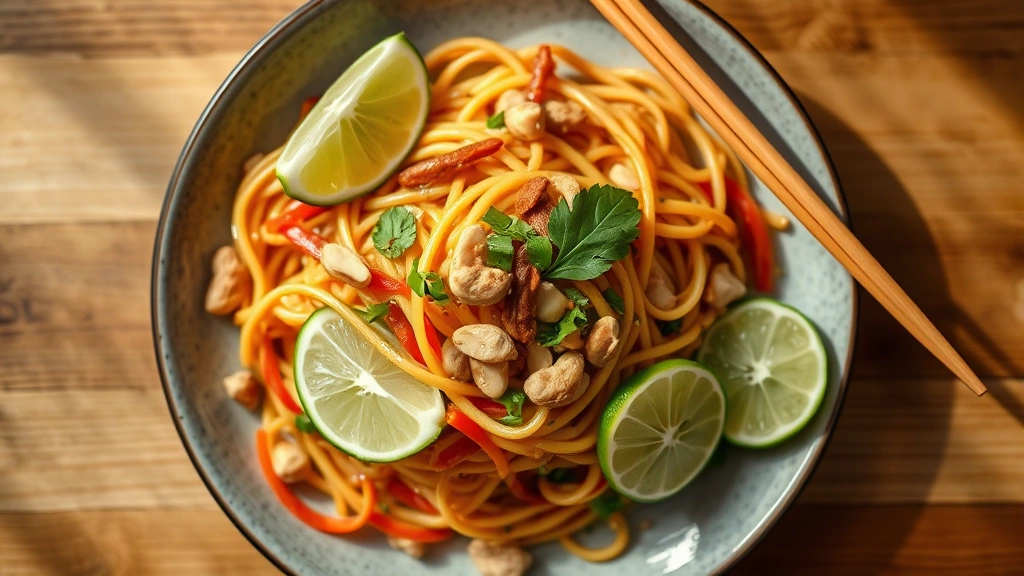
Pad Thai, literally meaning “Thai-style stir-fried,” consists of rice noodles combined with eggs, protein sources, vegetables, and a tamarind-based sauce. The dish originated in the 1930s as part of a Thai nationalism campaign and has since become a staple in Thai cuisine globally. Traditional recipes vary by region and restaurant, making standardized nutrition information challenging.
The foundation of pad thai begins with dried rice noodles, typically about 8 ounces per serving. These noodles are soaked to soften, then quickly stir-fried in a wok with oil, creating that characteristic slightly crispy-yet-tender texture. The sauce combines tamarind paste, fish sauce, palm sugar, and lime juice—components that dramatically influence the final nutritional profile. Understanding each ingredient helps explain why pad thai’s nutrition facts vary so significantly between homemade and restaurant versions.
Most traditional pad thai servings contain approximately 400-500 calories, though this number fluctuates based on preparation techniques, oil quantity, and ingredient proportions. A typical restaurant serving often exceeds 600 calories when considering added cooking oil and generous sauce applications. For those tracking intake as part of a healthy nutrition plan, understanding these variations proves essential for accurate dietary management.
Caloric Breakdown and Macronutrients
A standard pad thai serving (approximately 1.5 to 2 cups) contains roughly 400-500 calories in restaurant preparations, with homemade versions potentially ranging from 350-600 depending on oil usage. Breaking down these calories reveals the macronutrient distribution: carbohydrates typically comprise 45-55% of total calories, fats account for 30-40%, and protein represents 15-20%.
The carbohydrate content comes primarily from rice noodles, which contribute approximately 50-60 grams per serving. Rice noodles, while gluten-free and easily digestible, lack the fiber content of whole grain alternatives. This impacts satiety and blood sugar response—factors particularly important for individuals managing diabetes or following low-glycemic diets. The simple carbohydrate structure means pad thai causes a relatively rapid blood glucose rise compared to dishes with whole grains or legumes.
Fat content in pad thai deserves attention, as cooking oils used in wok preparation add significant lipids. Restaurant cooks typically use vegetable, peanut, or palm oil, each contributing roughly 120 calories per tablespoon. A typical restaurant serving contains 15-20 grams of fat, with saturated fat comprising 3-5 grams. While fat provides essential nutrients and supports hormone production, excessive consumption contributes to cardiovascular concerns. For perspective, compare pad thai’s fat profile to other popular Asian noodle dishes by exploring our comprehensive blog resources.
Protein content typically ranges from 12-18 grams per serving, derived from eggs, shrimp, chicken, or tofu. This moderate protein level supports muscle maintenance but may not fully satisfy protein requirements for individuals engaged in strength training or following high-protein dietary protocols. Athletes and fitness enthusiasts often add extra protein sources or choose pad thai variations with increased protein-rich ingredients.
Sodium Content and Health Implications
One of the most significant nutritional concerns with pad thai involves sodium levels. A single restaurant serving typically contains 800-1200 milligrams of sodium—representing 35-50% of the recommended daily intake. This substantial sodium concentration comes from fish sauce, which serves as pad thai’s flavor foundation, soy sauce variations, and added table salt during cooking.
Fish sauce, a fermented anchovy-based condiment central to Thai cuisine, contains approximately 1500 milligrams of sodium per tablespoon. Even small quantities significantly impact total sodium content. For individuals managing hypertension, heart disease, or following sodium-restricted diets due to medical conditions, pad thai presents a genuine nutritional challenge. The American Heart Association recommends 2300 milligrams daily, meaning a single pad thai serving can consume nearly half this limit.
Chronic high sodium intake correlates with elevated blood pressure, increased cardiovascular disease risk, and kidney stress. However, research from Pew Research Center on dietary patterns shows that occasional consumption of higher-sodium meals poses minimal risk for individuals with otherwise balanced sodium intake. The key involves moderation and overall dietary context rather than complete avoidance.
Dietitians recommend requesting reduced-sodium preparations when ordering pad thai, asking restaurants to minimize fish sauce and limit added salt. At home, creating personalized nutrition strategies allows precise sodium control. Substituting fish sauce with reduced-sodium alternatives or increasing lime juice for flavor complexity can maintain authentic taste while reducing sodium impact.
” alt=”overhead view of vibrant pad thai noodles with fresh lime wedges and peanuts arranged on a modern plate”/>
Protein and Fiber Analysis
Protein quality in pad thai depends heavily on protein source selection. Traditional versions feature shrimp, offering complete protein containing all essential amino acids. A 2-ounce shrimp serving provides approximately 10 grams of high-quality protein with minimal saturated fat. Chicken variations contribute similar protein quantities with slightly different fat profiles. Tofu-based pad thai serves vegetarians and vegans, though tofu protein requires combining with complementary sources for complete amino acid profiles.
Egg, another common pad thai component, contributes 6-8 grams of protein per large egg along with choline, lutein, and other micronutrients. The combination of eggs and noodles creates a more complete protein profile than noodles alone. However, the overall protein content remains moderate compared to dishes specifically designed around protein concentration.
Fiber represents a nutritional weakness in traditional pad thai. Rice noodles contain minimal fiber—typically 1-2 grams per serving. Vegetables like bean sprouts, cabbage, and carrots provide some fiber and micronutrients, but quantities in standard recipes remain modest. This low fiber content means pad thai doesn’t significantly contribute to daily fiber intake recommendations (25-35 grams for adults). Low-fiber meals impact digestive health, satiety, and blood sugar stability.
Enhancing pad thai’s nutritional profile involves increasing vegetable quantities. Requesting additional broccoli, snap peas, mushrooms, and carrots boosts fiber content to 4-6 grams while adding vitamins and minerals. Some restaurants offer brown rice noodle options, tripling fiber content compared to white rice noodles. For those managing weight or blood sugar, these modifications create meaningful nutritional improvements without sacrificing pad thai’s essential character.
Hidden Sugars in Pad Thai
Pad thai’s characteristic sweet flavor comes from palm sugar, a traditional Thai ingredient, combined with tamarind paste’s natural acidity. A typical serving contains 8-12 grams of added sugar, though some restaurant versions exceed 15 grams. While this seems moderate compared to desserts, dietary guidelines recommend limiting added sugars to 25 grams daily (women) or 36 grams (men). A single pad thai serving can consume 33-48% of daily added sugar allowance.
Tamarind paste, though fruit-based, contributes natural sugars beyond the added palm sugar. The combination of sweet and salty flavors characteristic of pad thai comes from deliberate sugar-salt balance. This flavor profile, while delicious, creates challenges for individuals managing diabetes, prediabetes, or following low-glycemic diets.
The sugar in pad thai combines with refined carbohydrates from white rice noodles, creating a high glycemic load meal. This means blood glucose spikes rapidly after consumption, followed by potential crashes that trigger fatigue and increased hunger. For sustained energy and metabolic stability, pairing pad thai with protein and fat helps moderate glycemic response. Ordering pad thai with an appetizer of satay (peanut sauce protein) or starting with a salad provides fiber and fat that slow carbohydrate absorption.
Restaurant variations significantly impact sugar content. Some establishments use condensed milk in their sauce, dramatically increasing sugar levels. Others employ excessive palm sugar quantities for extreme sweetness. Communicating preferences—requesting “less sweet” preparations—helps reduce sugar impact. At home, substituting palm sugar with smaller quantities of honey or using sugar alcohols like erythritol provides flexibility for sugar-conscious diners.
Healthier Preparation Methods
Creating nutritionally optimized pad thai at home offers significant advantages over restaurant versions. Beginning with brown rice noodles or alternative noodles like buckwheat or legume-based options dramatically improves fiber content. These alternatives provide 4-6 grams of fiber compared to white rice noodles’ 1-2 grams, supporting digestive health and satiety.
Oil usage represents another controllable variable. Restaurant woks typically use 2-3 tablespoons of oil per serving, contributing 240-360 calories. Home cooking with measured portions—using 1-1.5 tablespoons—reduces fat calories while maintaining wok-cooking’s characteristic flavor development. Non-stick woks or cooking spray further reduce oil requirements without sacrificing texture.
Protein enhancement involves increasing traditional quantities or choosing higher-protein options. Doubling shrimp or chicken portions increases protein to 20-25 grams without significantly raising calories. Combining protein sources—using both eggs and shrimp—creates complete amino acid profiles supporting muscle maintenance and recovery. For vegetarians, combining tofu with legumes or nuts provides comprehensive protein nutrition.
Vegetable incorporation transforms pad thai’s nutritional profile substantially. Instead of minimal vegetables in traditional recipes, aim for 2-3 cups of mixed vegetables including broccoli, bell peppers, snap peas, mushrooms, and leafy greens. These additions provide vitamins, minerals, antioxidants, and fiber while remaining relatively low-calorie. The increased volume creates satiety without proportionally increasing calories.
Sauce modification reduces sodium and sugar simultaneously. Creating homemade sauce with reduced fish sauce (1-1.5 teaspoons instead of 2-3), lime juice, tamarind paste, and minimal palm sugar maintains authentic flavor while controlling sodium to 400-500 milligrams and sugar to 5-7 grams. This represents 50-60% reduction in both components compared to restaurant versions.
Cooking technique matters for nutrient preservation. Quick, high-heat stir-frying (characteristic of proper wok cooking) minimizes vegetable nutrient loss compared to prolonged cooking. Adding vegetables in stages—hardy vegetables first, delicate greens last—preserves heat-sensitive vitamins. This technique knowledge applies across Thai cuisine and other preparation-dependent nutritional outcomes.
Comparison with Other Asian Noodle Dishes
Pad Thai occupies a middle ground among Asian noodle dishes nutritionally. Compared to lo mein, which typically contains 350-450 calories with similar macronutrient distribution, pad Thai offers comparable nutrition with distinct flavor profiles. However, lo mein often contains less sodium (400-700 mg) since soy sauce provides more subtle saltiness than fish sauce.
Pad See Ew, another Thai noodle dish using wider rice noodles and soy sauce-based sauce, contains similar calories (400-500) but notably higher sodium (1000-1400 mg) due to increased soy sauce quantities. Chow Mein variations range from 350-600 calories depending on preparation and oil usage, with sodium typically 500-900 milligrams.
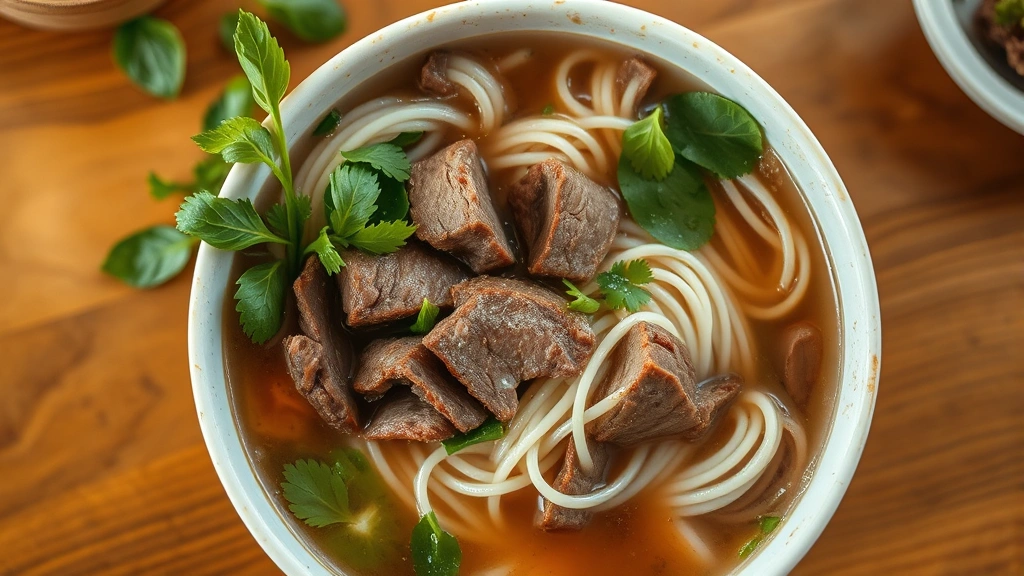
Vietnamese Pho, while noodle-based, differs substantially in nutritional profile. A typical pho bowl contains 300-400 calories with moderate sodium (700-900 mg) due to broth-based preparation rather than stir-frying. Pho typically provides more vegetables and sometimes more protein depending on meat selection, though portion sizes vary significantly.
Ramen preparations show tremendous variation based on broth type and toppings. Traditional tonkotsu (pork bone) ramen contains 500-700 calories with 1200-1600 milligrams sodium from both broth and toppings. Vegetable-based ramen broths can reduce sodium to 600-900 milligrams while maintaining satisfying depth of flavor. Comparing these dishes contextually helps individuals select options aligned with their nutritional priorities.
For those seeking informed nutrition-based choices, understanding how pad thai compares to alternatives enables strategic selection. If prioritizing sodium reduction, pho or vegetable ramen may better serve health goals. If seeking balanced macronutrients with moderate calories, pad thai with modifications provides excellent satisfaction and nutrition.

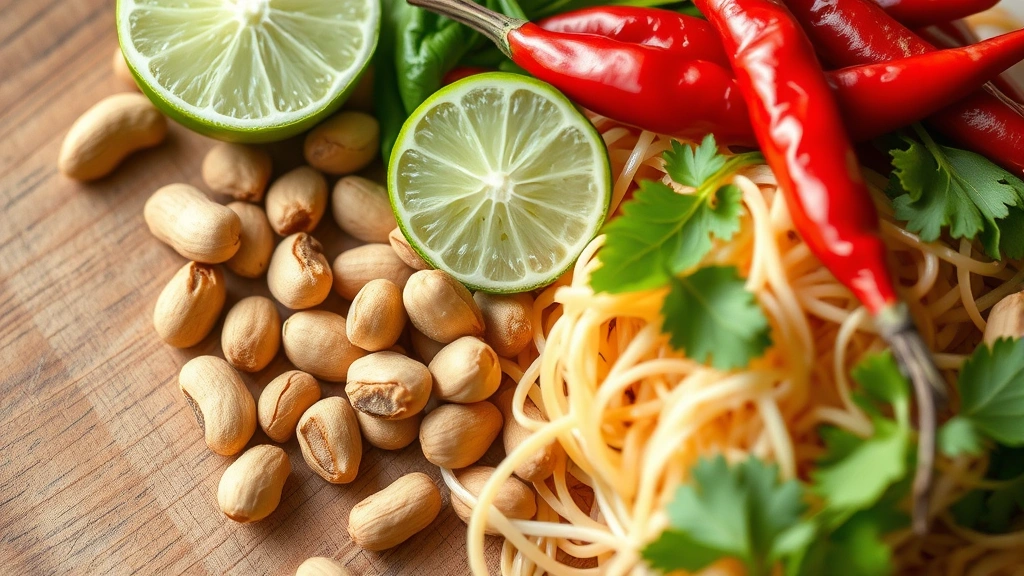
” alt=”close-up of fresh pad thai ingredients including lime, peanuts, chilies, and bean sprouts arranged on a wooden surface”/>
Nutritional Considerations for Special Diets
Pad Thai accommodates various dietary approaches with thoughtful modifications. For ketogenic dieters, traditional pad thai presents challenges due to high carbohydrate content from rice noodles. However, substituting noodles with zucchini noodles, kelp noodles, or shirataki noodles reduces carbohydrate to 5-10 grams per serving while maintaining textural satisfaction. Increasing fat content through coconut oil cooking and adding avocado supports ketogenic macronutrient targets.
Vegetarian and vegan adaptations substitute shrimp with tofu, tempeh, or legume-based proteins. These modifications reduce complete amino acid profiles unless complemented with nuts, seeds, or legumes. Requesting extra peanuts or adding cashews post-preparation boosts protein and healthy fat content. Vegan diets require omitting eggs and ensuring fish sauce substitution, which many Thai restaurants accommodate upon request.
Gluten-free diets naturally align with pad thai since rice noodles contain no gluten. However, some restaurants add wheat-based soy sauce or fish sauce containing additives. Specifically requesting gluten-free sauce preparation and confirming noodle sourcing ensures safety for celiac disease or gluten sensitivity.
Low-FODMAP diets, important for IBS management, require avoiding garlic and onions commonly included in pad thai. Requesting preparation without these ingredients, substituting fish sauce with reduced quantities or alternatives, and ensuring fresh ingredients rather than processed components allows IBS-sensitive individuals to enjoy pad thai. Understanding how digestive health impacts overall wellness helps contextualize these dietary modifications.
High-protein diet followers can enhance pad thai’s protein content to 25-30 grams by combining shrimp and eggs, requesting larger protein portions, and adding legume-based sides. This approach maintains pad thai’s authentic character while supporting muscle development and metabolic goals.
FAQ
How many calories are in a typical serving of pad Thai?
A standard restaurant pad Thai serving contains 400-600 calories, with homemade versions ranging from 350-500 calories depending on oil usage and ingredient proportions. Portion size significantly affects total calories—restaurant servings often exceed recommended portions.
Is pad Thai high in sodium?
Yes, traditional pad Thai contains 800-1200 milligrams of sodium per serving, representing 35-50% of daily recommended intake. This comes primarily from fish sauce, which serves as the dish’s flavor foundation. Requesting reduced-sodium preparations or cooking at home allows better sodium control.
Can I eat pad Thai while managing diabetes?
Managing diabetes with pad Thai requires modifications. Choosing brown rice noodles or legume-based noodles, requesting reduced sugar in the sauce, increasing vegetable quantities, and pairing with protein helps moderate blood glucose response. Consulting a dietitian for personalized guidance ensures safe incorporation.
What’s the protein content in pad Thai?
Traditional pad Thai contains 12-18 grams of protein per serving, derived from eggs, shrimp, chicken, or tofu. This moderate protein level supports basic nutritional needs but may not satisfy requirements for athletes or strength training individuals without modification.
How can I make pad Thai more nutritious at home?
Enhance homemade pad Thai by using brown rice or legume-based noodles, increasing vegetable quantities to 2-3 cups, doubling protein portions, using measured oil quantities (1-1.5 tablespoons), and creating homemade sauce with reduced fish sauce and sugar. These modifications dramatically improve nutritional value while maintaining authentic flavor.
Does pad Thai contain gluten?
Rice noodles used in traditional pad Thai are naturally gluten-free. However, some restaurant preparations may include wheat-based soy sauce or cross-contamination during cooking. Specifically requesting gluten-free preparation and confirming ingredient sourcing ensures safety for celiac disease or gluten sensitivity.
How does pad Thai compare nutritionally to other Asian noodle dishes?
Pad Thai occupies a middle ground nutritionally among Asian noodles. It contains similar calories to lo mein (350-450) but higher sodium than pho (400-700 mg sodium vs. pad thai’s 800-1200 mg). Ramen variations range widely from 500-700 calories with potentially higher sodium depending on broth type.
Can vegetarians eat pad Thai?
Yes, vegetarian pad Thai substitutes shrimp with tofu, tempeh, or legume-based proteins. Requesting egg-based versions and adding nuts or seeds enhances protein and healthy fat content. Most Thai restaurants accommodate vegetarian requests readily with advance notice.