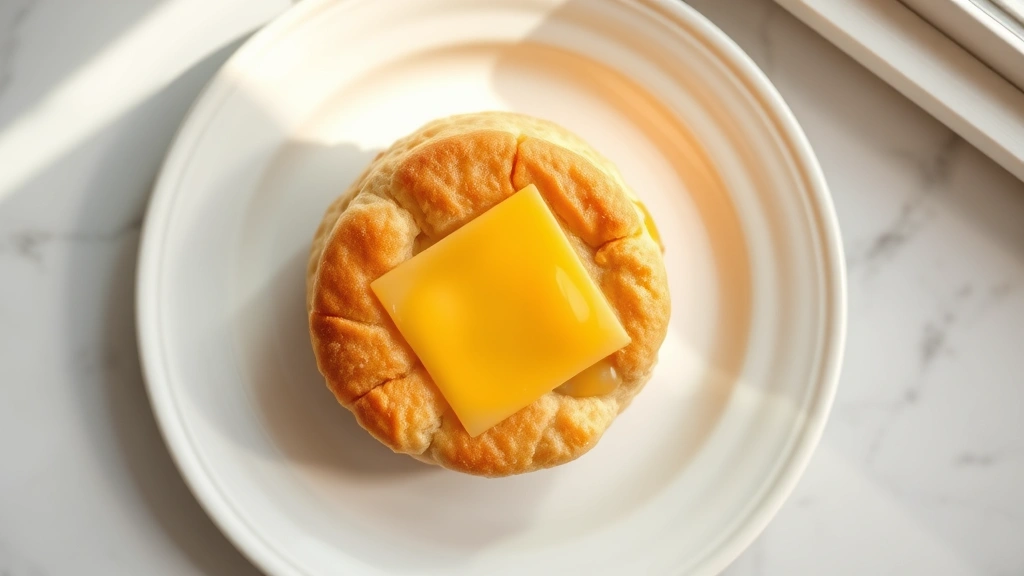
Red Lobster Biscuit Nutrition: Dietitian Insights
Red Lobster’s Cheddar Bay Biscuits have become iconic comfort food, beloved by restaurant patrons for their buttery, cheesy flavor and soft texture. However, understanding the nutritional profile of a single biscuit is essential for making informed dietary choices, especially for those managing calorie intake, sodium consumption, or specific health conditions. As a dietitian resource, this guide breaks down exactly what’s in one Red Lobster biscuit and provides practical insights for incorporating these treats into a balanced diet.
The popularity of these biscuits extends beyond the restaurant experience—many home cooks attempt recreations, and frozen versions are available in grocery stores. Yet the original Red Lobster version remains the benchmark for nutritional analysis. Whether you’re a frequent diner or curious about this specific menu item, understanding its macronutrient composition, sodium content, and ingredient list helps you make choices aligned with your personal health goals.
Complete Nutrition Breakdown
One Red Lobster Cheddar Bay Biscuit contains approximately 160 calories, making it a moderate-calorie item for a bread-based appetizer. The full nutritional profile per single biscuit includes:
- Total Fat: 8-9 grams
- Saturated Fat: 4-5 grams
- Trans Fat: 0 grams
- Cholesterol: 10-15 milligrams
- Sodium: 380-420 milligrams
- Total Carbohydrates: 18-20 grams
- Dietary Fiber: Less than 1 gram
- Sugars: 1-2 grams
- Protein: 3-4 grams
These figures represent a biscuit that is primarily carbohydrate-based with significant fat content from butter and cheese. The macronutrient ratio leans toward refined carbohydrates, which digest quickly and don’t provide sustained energy. For comparison, understanding nutrition facts of goldfish crackers reveals similar processed snack patterns, though biscuits offer more substantial portions.
Calorie Content Analysis
At 160 calories per biscuit, the energy density becomes significant when you consider typical consumption patterns. Most diners don’t eat just one biscuit—Red Lobster serves baskets of 4-6 biscuits as a complimentary appetizer. A single basket therefore contains 640-960 calories before the meal even arrives, representing 32-48% of a 2,000-calorie daily diet.
From a calorie distribution perspective, approximately 45% of calories come from fat, 45% from carbohydrates, and 10% from protein. This ratio is typical of restaurant-prepared bread items that prioritize palatability through butter and cheese additions. Dietitians note that while calories matter, the quality of those calories—their satiety factor and nutrient density—matters equally for sustainable healthy eating.
The calorie content becomes particularly relevant when considering that these are often consumed in addition to appetizers, entrees, and desserts. Someone on a 1,500-calorie diet consuming an entire basket eliminates 40-64% of their daily calorie allowance before the main course.
Sodium and Health Implications
Perhaps the most concerning nutritional aspect of Red Lobster biscuits is the sodium content. A single biscuit contains 380-420 milligrams of sodium, which represents 16-18% of the daily recommended limit of 2,300 milligrams established by the American Heart Association. A basket of six biscuits delivers 2,280-2,520 milligrams—nearly the entire day’s recommended sodium intake in a bread product alone.
Excessive sodium consumption correlates with elevated blood pressure, increased cardiovascular disease risk, and kidney strain. Individuals managing hypertension, heart disease, or chronic kidney disease should be particularly cautious about high-sodium restaurant foods. The American Heart Association emphasizes that restaurant meals typically contain 2-3 times more sodium than home-prepared equivalents.
The sodium in biscuits comes from multiple sources: the dough (salt for flavor and yeast regulation), the cheddar cheese powder topping, and the garlic butter coating. This layered approach to flavoring creates a deeply savory product that encourages consumption of multiple units.
For those concerned about sodium, awareness is the first step. Limiting consumption to one biscuit, requesting unsalted butter on the side, or choosing lower-sodium restaurant options are practical strategies. Understanding the importance of dietary fiber for your health also highlights how refined bread products like these biscuits lack the fiber that supports cardiovascular health.
Fat Profile and Ingredients
The 8-9 grams of fat per biscuit comes primarily from butter and cheese, representing the primary flavor drivers. Approximately 4-5 grams are saturated fat, contributing to the total saturated fat intake that should ideally remain below 5-6% of daily calories (approximately 10-13 grams on a 2,000-calorie diet).
Red Lobster’s ingredient list includes enriched wheat flour, water, butter, cheddar cheese (containing milk and enzymes), salt, garlic, and various preservatives. The enrichment process adds B vitamins (thiamine, riboflavin, niacin, folic acid) to compensate for nutrients lost during flour refinement. However, enrichment doesn’t restore fiber or provide the full micronutrient spectrum of whole grain alternatives.
The butter contributes flavor and mouthfeel while increasing caloric density. One tablespoon of butter contains 100 calories and 11 grams of fat, meaning each biscuit contains approximately 0.7-0.8 tablespoons of butter equivalent. The cheddar cheese powder provides additional fat, protein, and the distinctive flavor profile diners expect.
For those monitoring saturated fat intake due to cholesterol management or cardiovascular disease risk, these biscuits represent a significant source. The CDC’s nutrition recommendations suggest limiting saturated fat to 5-6% of daily calories, making regular biscuit consumption problematic for those with specific health parameters.
Carbohydrates and Fiber Content
The 18-20 grams of carbohydrates per biscuit are almost entirely from refined wheat flour, with minimal fiber content (less than 1 gram). This means the carbohydrate is rapidly digestible, causing quick blood sugar spikes followed by energy crashes. For individuals managing diabetes or prediabetes, this carbohydrate profile is particularly problematic.
The refined carbohydrate nature of these biscuits means they lack sustained energy provision. The minimal fiber content (less than 1 gram) contributes virtually nothing to daily fiber needs, which should be 25-35 grams daily for adults. A whole wheat biscuit of equivalent size might provide 3-4 grams of fiber, making a significant difference in satiety and blood sugar management.
The glycemic index (GI) of refined wheat biscuits is high, meaning they rapidly raise blood glucose levels. This triggers insulin release and can contribute to energy crashes and increased hunger shortly after consumption. Understanding healthy nutrition plan approaches emphasizes choosing carbohydrates with lower glycemic impact and higher fiber content.
The 1-2 grams of sugar per biscuit is minimal, primarily from the flour itself rather than added sweeteners. This distinguishes them from sweet biscuits or scones, which might contain 5-10 grams of sugar per serving.

Dietary Considerations and Restrictions
Red Lobster biscuits present various considerations for specific dietary patterns and restrictions:
Gluten Sensitivity and Celiac Disease: Standard Red Lobster biscuits contain wheat flour and are unsuitable for those with celiac disease or non-celiac gluten sensitivity. The restaurant’s allergen menu does not list gluten-free biscuit options as a standard offering.
Dairy Allergies and Lactose Intolerance: The cheddar cheese and butter make these biscuits unsuitable for those with dairy allergies or lactose intolerance. Cross-contamination risks exist in restaurant kitchens where multiple menu items are prepared.
Vegan Diets: Both butter and cheese are animal products, making these biscuits incompatible with vegan dietary choices. The enrichment vitamins may or may not be vegan-sourced depending on the specific ingredient supplier.
Low-Sodium Diets: The 380-420 milligrams of sodium per biscuit exceeds acceptable limits for those on strict sodium restriction (typically 1,500-2,300 milligrams daily). Medical professionals recommend avoiding these for anyone managing hypertension or heart disease.
Keto and Low-Carb Diets: With 18-20 grams of net carbohydrates per biscuit, these are incompatible with ketogenic or low-carb dietary approaches targeting 20-50 grams daily.
FODMAP Diets: The garlic content and wheat flour may trigger symptoms in those following low-FODMAP diets for IBS management.
For those with multiple dietary restrictions, nutrition facts about avocados and other whole foods offer alternatives that are naturally nutrient-dense and compatible with various dietary approaches.
Healthier Alternatives and Modifications
Several strategies can satisfy the craving for warm, savory bread at restaurants while reducing nutritional concerns:
Limit Quantity: The simplest approach is consuming one biscuit instead of multiple. This reduces calorie, sodium, and fat intake while still allowing the enjoyment of this signature item. Request the basket be removed after one biscuit to reduce temptation.
Share the Basket: Splitting a basket among multiple diners reduces individual consumption while maintaining the social dining experience.
Request Modifications: Ask for biscuits without the cheddar topping or with reduced butter. While restaurants may be reluctant, clearly stating dietary needs sometimes yields accommodations.
Home-Prepared Alternatives: Making biscuits at home allows ingredient control. Substituting whole wheat flour, reducing butter by 25-30%, using lower-sodium cheese, and adding herbs creates a more nutrient-balanced version. Many recipes online replicate the Red Lobster version with modifications.
Choose Other Appetizers: Selecting steamed shrimp, oysters, or vegetable-based appetizers provides protein and nutrients without refined carbohydrates and excessive sodium.
Complement with Vegetables: If consuming biscuits, balance the meal by ordering extra vegetables with your entree to increase fiber intake and micronutrient density.
Understanding nutrition and mental health connections reminds us that occasional indulgences fit within balanced eating patterns, provided they’re conscious choices rather than habitual consumption.

The National Institutes of Health research on restaurant food patterns demonstrates that Americans consume approximately one-third of daily calories from restaurant meals, making awareness of menu items particularly important for long-term health outcomes.
FAQ
How many calories are in one Red Lobster biscuit?
One Red Lobster Cheddar Bay Biscuit contains approximately 160 calories. This represents a moderate amount for a bread-based appetizer, but consumption of multiple biscuits (typical in restaurant settings) significantly increases calorie intake.
Is the sodium content concerning for daily consumption?
Yes, each biscuit contains 380-420 milligrams of sodium, representing 16-18% of the daily recommended limit. Consuming a basket of six biscuits provides nearly the entire day’s sodium allowance in a single appetizer. Those managing hypertension or heart disease should limit consumption.
Do Red Lobster biscuits contain gluten?
Yes, Red Lobster biscuits are made with enriched wheat flour and contain gluten. They are unsuitable for those with celiac disease or gluten sensitivity. The restaurant does not offer gluten-free biscuit alternatives as standard menu items.
Can I make healthier biscuits at home?
Absolutely. Home versions can substitute whole wheat flour (adding 3-4 grams fiber per biscuit), reduce butter by 25-30%, use lower-sodium cheese, and incorporate herbs for flavor without additional salt. Multiple copycat recipes are available online with nutritional improvements.
What’s the protein content per biscuit?
Each biscuit provides 3-4 grams of protein, primarily from the wheat flour and cheese. This is relatively modest for a bread item and doesn’t provide significant satiety compared to higher-protein options like Greek yogurt or nuts.
Are these biscuits suitable for diabetics?
The refined carbohydrate content (18-20 grams with minimal fiber) causes rapid blood sugar spikes, making them problematic for those managing diabetes. The high glycemic index means blood glucose rises quickly, triggering insulin response. Individuals with diabetes should avoid or severely limit consumption.
How do Red Lobster biscuits compare nutritionally to homemade biscuits?
Restaurant versions typically contain more sodium, more butter, and processed cheese ingredients compared to homemade versions. A basic homemade buttermilk biscuit might contain 120-140 calories and 200-250 milligrams sodium, making it nutritionally superior for those concerned with sodium or calorie intake.
What’s the saturated fat content?
Each biscuit contains 4-5 grams of saturated fat, representing approximately 20-25% of the recommended daily limit. For those managing cholesterol or cardiovascular disease, these biscuits should be consumed infrequently or avoided entirely.


