
Table of Contents
Introduction
Pregnancy changes everything. Your body, your priorities, your entire world—and yes, what you eat matters more than ever. Every bite you take is literally building your baby, cell by cell. But here’s the thing: between morning sickness, weird cravings, and everyone having an opinion about what you should (or shouldn’t) eat, figuring out proper nutrition can feel impossible.
Let’s be honest—you’re probably getting advice from every direction. Your mom says one thing, your friend swears by another, and Dr. Google? Well, that’s a rabbit hole you don’t want to go down at 2 AM. The truth is, good nutrition during pregnancy isn’t just about eating for two (that’s actually a myth, by the way). It’s about eating smart for both of you.
Poor nutrition can lead to serious problems: low birth weight, premature birth, developmental issues that could affect your child for life. Scary? Maybe. But here’s the flip side—when you nail your nutrition, amazing things happen. Better immunity for you, healthier development for baby, and honestly? You’ll feel so much better too. The fatigue, the brain fog, even some of those pregnancy discomforts—proper nutrition can help with all of it.
Now, your appetite is probably doing weird things. One day you can’t stomach anything, the next you’re craving pickles at midnight. Your body needs more nutrients now, but your usual eating habits might not cut it anymore. That’s where a well-planned healthy nutrition plan becomes your best friend. And don’t get me started on pregnancy constipation—it’s real, and it’s uncomfortable. Dietary fiber becomes crucial, not just for keeping things moving (if you know what I mean), but for sustained energy when you’re juggling doctor appointments, work, and preparing for baby.
Here’s something that might surprise you: what you eat affects your baby’s brain development right now. Omega 3 fatty acids are like brain food for your growing baby—especially for developing those tiny eyes and that amazing little brain. Studies show kids whose moms got enough omega-3s during pregnancy often have better cognitive outcomes. Plus, there’s growing evidence that good nutrition doesn’t just affect your physical health—it impacts your mood and mental clarity too. Check out this fascinating connection between nutrition and mental health. When you’re dealing with pregnancy hormones, every little bit helps!
But nutrition is just one piece of the puzzle. You’ve probably heard about other healthy pregnancy practices—managing stress, staying active, getting enough sleep. They all work together. And while you might be thinking about weight gain (it’s normal to worry about this), remember that pregnancy isn’t the time for restrictive dieting. However, principles from fitness tips for weight loss—like balanced eating and appropriate exercise—can be adapted for healthy pregnancy weight management.
What You’ll Learn in This Guide
We’re going to walk through everything you need to know about eating well during pregnancy. Whether this is your first baby or you’re refreshing what you learned last time, I’ve got you covered.
- Key Nutrients Needed During Pregnancy: The non-negotiables like folic acid, iron, calcium, DHA, omega-3 fatty acids, and vitamin D—what they do and where to find them without going crazy.
- Recommended Dietary Guidelines: Real-world meal planning that actually works, portion sizes that make sense, and hydration tips that go beyond “drink more water.”
- Common Nutritional Challenges: Surviving morning sickness, dealing with food aversions, managing cravings, and still getting the nutrients you need (yes, it’s possible).
- When to Consult Your Healthcare Provider: Red flags to watch for and why those regular check-ins with your doctor or midwife matter more than you think.
Ready to dive in? We’re going to break down each of these topics with practical advice you can actually use. No overwhelming lists or impossible meal plans—just solid, science-backed information that fits into your real life.
I’ll show you exactly which nutrients your body is craving and how to get them without eating the same boring foods every day. We’ll tackle those pregnancy challenges head-on—because let’s face it, when you can’t keep anything down or suddenly hate foods you used to love, “eat a balanced diet” feels pretty useless as advice. This guide will give you strategies that actually work.
Throughout everything, I’ll remind you that your healthcare team is your best resource. They know your specific situation, your health history, and what’s best for you and your baby. This guide is here to help you ask better questions and make informed choices along the way. Think of it as your friendly nutrition companion during these amazing (and sometimes challenging) nine months.
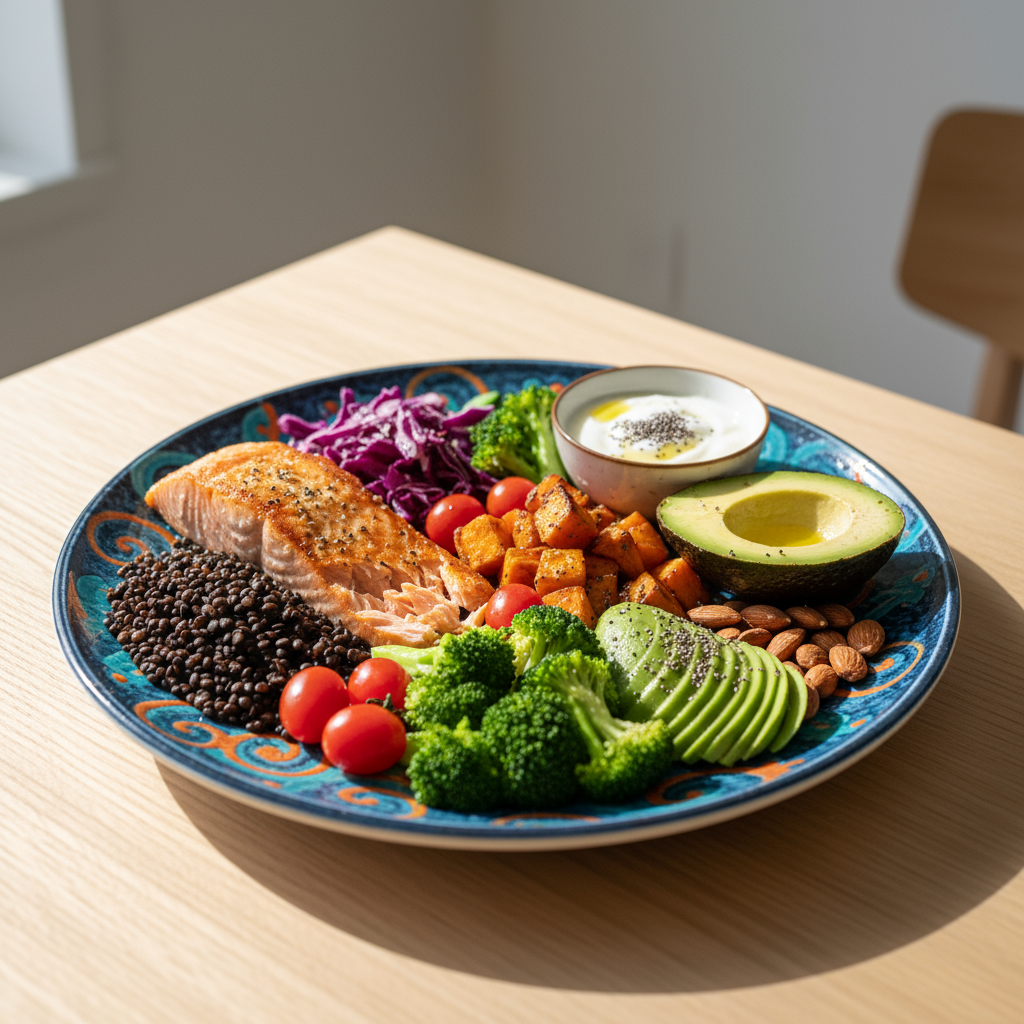
Growing a tiny human? Your body is doing something absolutely incredible right now. And just like any major project, it needs the right materials to get the job done well. We’re talking about nutrition that goes way beyond “eating for two”—because honestly, that old saying doesn’t tell you much about what your body actually needs. Your nutritional demands are shifting in ways you might not expect, and getting this right matters more than you realize. It’s not just about your health (though that’s huge). It’s about giving your baby the strongest possible start in life. Ready to figure out exactly what your body needs during this amazing journey? Let’s break it down together.
Key Nutrients Needed During Pregnancy
Here’s the thing about pregnancy nutrition—it’s not about cramming in more food. It’s about being smart with what you eat. Think of certain vitamins and minerals as your baby’s construction crew. They’re literally building your little one’s brain, bones, and organs from scratch. Miss out on key nutrients? You’re basically sending the construction crew to work without proper tools. That’s where understanding the importance of dietary fiber comes in handy—it keeps your digestion running smoothly when everything else feels turned upside down.
But vitamins and minerals are just part of the story. Your body also needs the big three: proteins, carbs, and healthy fats. These aren’t just fuel—they’re the actual building blocks your baby needs to grow. And those omega-3 fatty acids everyone talks about? They’re not just trendy. DHA specifically helps build your baby’s brain and eyes. Want to dive deeper into why these matter so much? Check out our breakdown of benefits of omega 3 fatty acids.
Key Aspects of Essential Nutrients
Some nutrients deserve the VIP treatment during pregnancy. Here’s your must-know list:
- Folic Acid: This one’s a big deal—it helps prevent serious birth defects affecting your baby’s brain and spine. Start taking it before you even get pregnant if possible, because those first few weeks are crucial for your baby’s neural development.
- Iron: Your blood volume basically doubles during pregnancy (wild, right?). Iron helps make the hemoglobin that carries oxygen to both you and your baby. Without enough, you’ll feel exhausted and risk anemia.
- Calcium: Your baby needs strong bones and teeth, and guess where they get the calcium? From you. If you don’t get enough, your body will literally pull it from your own bones to give to your baby.
- DHA and Omega-3 Fatty Acids: These are brain food in the truest sense. They help develop your baby’s brain and eyes, especially during the third trimester when brain growth explodes.
- Vitamin D: Works hand-in-hand with calcium and keeps both your immune systems strong. Many of us don’t get enough, especially if we’re not spending much time in the sun.
Don’t forget about the basics either. Protein is literally building your baby’s cells and tissues. Carbs give you the energy to keep up with your body’s increased demands. And healthy fats? They’re essential for hormone production and cell development. Get these right, and you’re setting yourself up to avoid common issues like anemia or bone loss that can make pregnancy tougher than it needs to be.
The good news is that focusing on these nutrients helps prevent a lot of the complications that worry expecting parents. It’s like insurance for a smoother pregnancy.
Recommended Dietary Guidelines for a Healthy Pregnancy
Let’s talk about putting this all into practice. Meal planning during pregnancy isn’t just helpful—it’s essential. You want to hit all the food groups without feeling overwhelmed or nauseated (because let’s be real, some days even thinking about food is rough). Smaller, more frequent meals can be a game-changer for managing morning sickness and heartburn. Plus, variety is your friend here—different colored foods usually mean different nutrients. Need some solid guidance on balancing it all? Our guide on how to maintain a balanced diet breaks down portion control and food variety in ways that actually make sense.
And can we talk about water for a minute? You need more than you think. Your blood volume is expanding, you’re making amniotic fluid, and your kidneys are working overtime. Meanwhile, that morning coffee habit might need some adjusting, and alcohol is completely off the table. It sounds like a lot, but focusing on whole, real foods makes everything else fall into place.
Key Aspects of Meal Planning and Hydration
Making this work day-to-day comes down to a few smart strategies. Here’s what actually works:
- Eat Frequent, Small Meals: Your stomach has less room as your baby grows, plus smaller meals help with nausea and keep your blood sugar steady. Think six small meals instead of three big ones.
- Include Variety of Food Groups: Aim for a rainbow on your plate. Fruits, veggies, whole grains, lean proteins, dairy (or alternatives), and healthy fats all bring something different to the table—literally.
- Limit Processed and High-Sugar Foods: These give you calories without any of the good stuff you and your baby need. Plus, they can increase your risk of gestational diabetes and excessive weight gain.
- Drink Plenty of Water: Seriously, more than you think you need. It helps with circulation, digestion, temperature control, and keeping that amniotic fluid at healthy levels. Your kidneys will thank you too.
Stick to these guidelines, and you’re giving yourself the best shot at a healthy, comfortable pregnancy. It won’t solve every challenge (pregnancy has its own agenda), but it definitely makes things easier to manage.

Here’s what we know for sure: eating well during pregnancy isn’t just important—it’s everything. Your body is doing something incredible right now, building a whole human being from scratch. And those key nutrients we’ve talked about? Folic acid, iron, calcium, DHA, and vitamin D aren’t just fancy names on supplement bottles. They’re the building blocks helping your baby’s brain develop, bones grow strong, and preventing complications you definitely don’t want to worry about. Think of proteins, carbohydrates, and healthy fats as your energy team—they’re working overtime to fuel both you and your growing little one.
But let’s be real about the day-to-day stuff. Nobody’s expecting you to be perfect here. Some days you’ll nail your meal prep, and other days you’ll eat crackers for breakfast because that’s all you can keep down. (Been there.) The beauty is in the small things—drinking enough water (yes, even when you’re running to the bathroom every five minutes), eating smaller meals more often when your stomach feels like it’s the size of a walnut, and giving yourself grace when food aversions make your former favorites seem absolutely revolting. When morning sickness hits hard or you’re worried about getting enough nutrients? That’s when you call in the professionals. No shame in asking for help.
You’re not just feeding yourself anymore—you’re nourishing two lives. And that knowledge? It’s powerful. When you prioritize good nutrition, you’re setting up your baby for the best possible start while keeping your own energy up and mood stable. That matters more than you might realize right now.
Ready to put this into action? Start with a healthy nutrition plan that actually works for pregnant women—none of that one-size-fits-all nonsense. Your digestive system is probably feeling a bit… different these days, so loading up on dietary fiber can be a game-changer for dealing with constipation and other uncomfortable surprises. And here’s something fascinating: those omega-3 fatty acids aren’t just good for you—they’re literally helping build your baby’s brain and eyes. Pretty amazing, right? Don’t forget that what you eat affects how you feel emotionally too. The connection between nutrition and mental health becomes even more important when pregnancy hormones are doing their thing.
Want the full picture? Check out these comprehensive tips for a healthy pregnancy that go beyond just nutrition. Because taking care of yourself during pregnancy isn’t just about food—it’s about creating a foundation for everything that comes next.
Here’s the thing though: your pregnancy is yours. What works for your sister or best friend might not work for you, and that’s completely normal. Stay connected with your healthcare provider—they’re your best resource for making sure your nutrition plan fits your specific needs. Trust yourself, listen to your body, and remember that you’re already doing an incredible job. Growing a human being is no small feat, and you’re handling it beautifully.
Frequently Asked Questions
-
What foods should pregnant women avoid?
- Pregnant women should avoid raw fish, unpasteurized cheeses, certain deli meats, and excessive caffeine to reduce risks to both mother and baby.
-
How much weight should I gain during pregnancy?
- Typical weight gain ranges from 25-35 pounds, depending on pre-pregnancy weight and individual health factors. Your healthcare provider can help tailor recommendations.
-
Can I take prenatal vitamins instead of eating healthy?
- Prenatal vitamins supplement your diet but are not substitutes for balanced, nutritious eating. Whole foods provide a range of nutrients essential for overall health.
-
Is caffeine safe during pregnancy?
- Moderate caffeine intake is generally safe, but high doses should be avoided to reduce potential risks to fetal development.
-
How can I manage morning sickness with nutrition?
- Eating small, frequent meals and incorporating natural remedies like ginger can help reduce nausea symptoms effectively.