Tropical Smoothie Nutrition Tips: Dietitian Advice for Optimal Health
Tropical smoothies have become a staple in modern wellness culture, offering a convenient way to consume essential nutrients in a delicious, refreshing format. However, not all smoothies are created equal, and understanding the nutritional composition of your tropical blend is crucial for maximizing health benefits. Dietitians consistently emphasize that while these beverages can be nutrient powerhouses, they require thoughtful ingredient selection and portion control to avoid excess calories and sugar.
The appeal of tropical smoothies lies in their versatility and accessibility. Whether you’re blending fresh mango, pineapple, coconut, or passion fruit, these ingredients deliver vibrant flavors alongside legitimate nutritional value. Yet many consumers unknowingly sabotage their health goals by adding sweetened yogurts, excessive honey, or high-sugar juices that transform a nutritious drink into a calorie bomb. This comprehensive guide explores evidence-based strategies for crafting tropical smoothies that support your wellness objectives while delivering maximum satisfaction.
Understanding Tropical Fruit Nutrition Profiles
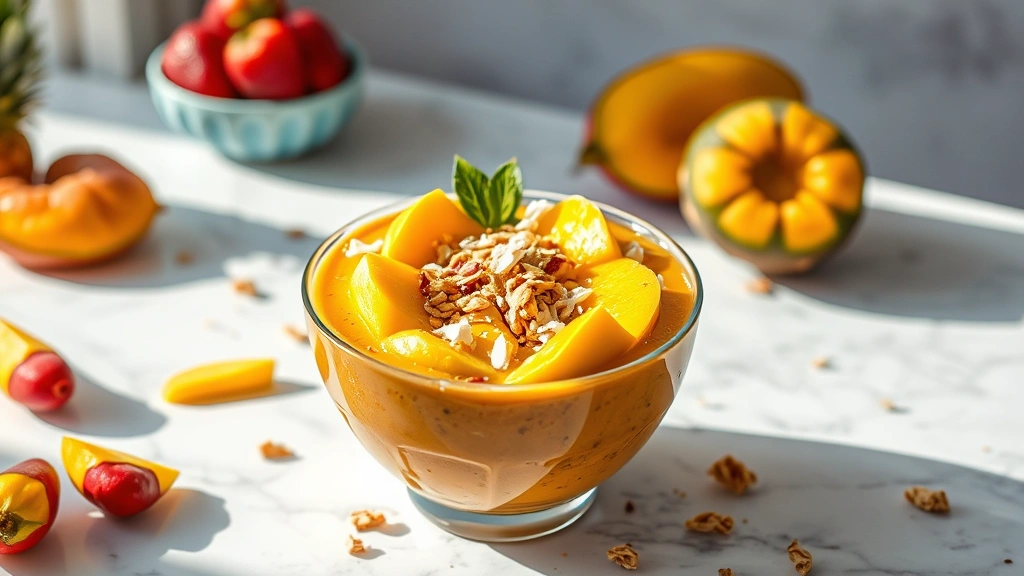
Tropical fruits represent some of nature’s most nutrient-dense offerings, each bringing distinct benefits to your smoothie bowl. Mangoes, often called the “king of fruits,” contain exceptional levels of vitamin C, vitamin A, and dietary fiber. A single medium mango delivers approximately 60 calories, making it an efficient nutrient source. However, portion control matters significantly since consuming multiple fruits can elevate caloric intake rapidly.
Pineapple distinguishes itself through bromelain, an enzyme with potential anti-inflammatory properties that may support digestive health. This tropical staple provides vitamin C, manganese, and B vitamins while remaining relatively low in calories at roughly 40 calories per half-cup serving. Coconut presents a different nutritional profile—while containing beneficial medium-chain triglycerides (MCTs), it’s significantly higher in calories and saturated fat, requiring moderation in smoothie formulations.
Passion fruit offers impressive nutritional density with high fiber content, antioxidants, and vitamin C concentrated in a small serving. Papaya contributes papain enzymes alongside vitamin C and carotenoids that support eye health. When crafting a healthy nutrition plan with tropical smoothies, dietitians recommend combining fruits strategically to balance macronutrients and micronutrients effectively.
Protein and Satiety Considerations
A critical distinction between satisfying smoothies and empty-calorie beverages centers on protein content. Most tropical fruits contain minimal protein—typically 1-2 grams per serving—which means unsupplemented smoothies won’t provide sustained satiety. Dietitians consistently recommend adding protein sources to transform smoothies from refreshing drinks into meal replacements or substantial snacks.
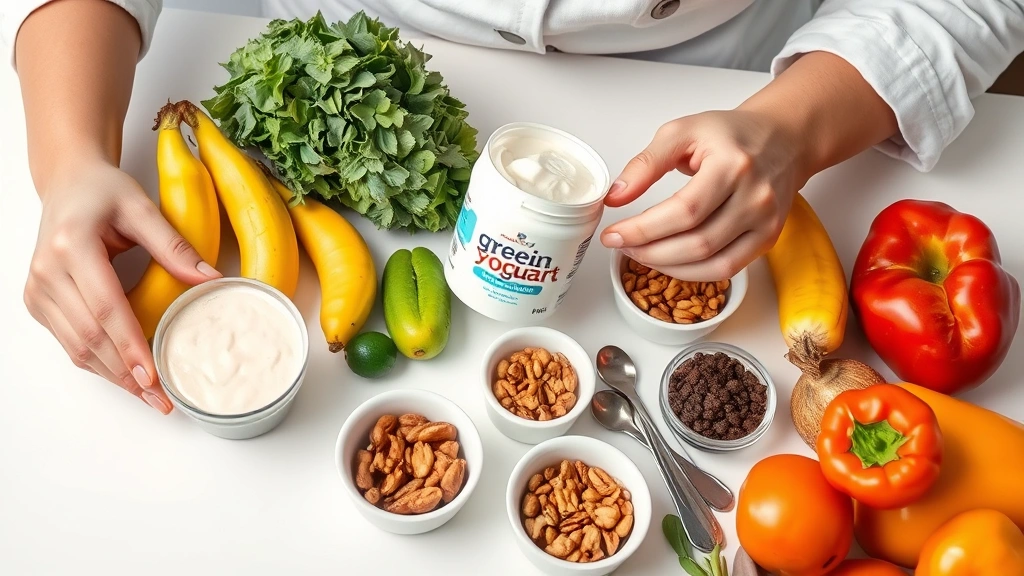
Greek yogurt represents an excellent protein addition, delivering 15-20 grams per serving while contributing probiotics that support digestive health. Protein powder options range from whey-based formulations to plant-based alternatives like pea, hemp, or pumpkin seed proteins. Research from nutritional science journals demonstrates that consuming adequate protein enhances satiety hormones, reducing overall caloric intake throughout the day.
Cottage cheese offers an underutilized protein source that blends seamlessly into tropical smoothies while providing casein protein for prolonged amino acid release. Nuts and nut butters contribute both protein and healthy fats, though portion control remains essential due to caloric density. Incorporating protein transforms your smoothie experience and aligns with meal planning strategies that prioritize sustained energy and appetite control.
Managing Sugar Content Effectively
Sugar management represents perhaps the most consequential nutritional consideration for tropical smoothie preparation. While whole fruits contain fiber that moderates blood sugar response, processed additions like fruit juices, syrups, and sweetened dairy products create problematic sugar spikes. A 2023 analysis by Pew Research Center on consumer beverage choices revealed that 67% of smoothie consumers underestimate sugar content in their drinks.
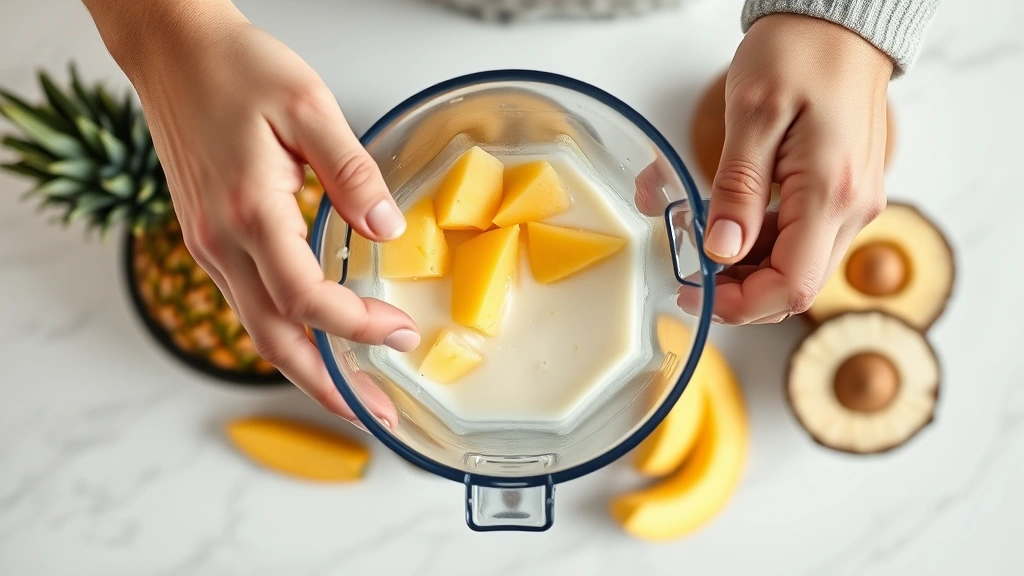
Whole fruit consumption differs fundamentally from juice consumption due to fiber preservation. When you blend whole fruits, the fiber remains intact, slowing sugar absorption and maintaining stable blood glucose levels. Conversely, commercial fruit juices remove fiber while concentrating sugars—a 12-ounce serving can contain 40+ grams of sugar equivalent to multiple sodas. Dietitians strongly advise replacing juice-based smoothies with whole fruit formulations whenever possible.
Natural sweeteners like honey and agave, while perceived as healthier alternatives, still elevate blood sugar significantly. If additional sweetness is desired, stevia or monk fruit extract provide sweetness without glycemic impact. Frozen fruits offer a practical advantage—they provide natural sweetness, thicker consistency, and require no ice that dilutes smoothies. Considering nutrient absorption optimization means recognizing that excessive sugar impairs micronutrient utilization and increases inflammatory markers.
Liquid Bases and Their Impact
The liquid foundation of your smoothie profoundly influences its nutritional profile and health implications. Water represents the most neutral base, adding zero calories or sugar while supporting hydration. However, water-based smoothies may lack creaminess and mouthfeel that enhance consumption satisfaction. Unsweetened almond milk provides approximately 30 calories per cup with minimal carbohydrates, making it ideal for calorie-conscious consumers.
Coconut milk offers richness and potential MCT benefits, though full-fat varieties contain 5-6 grams of saturated fat per cup. Light coconut milk reduces this while maintaining flavor. Oat milk has gained popularity for its creaminess and sustainable production profile, providing approximately 2 grams of protein per cup along with beta-glucans that support cholesterol management. Dairy milk supplies casein and whey proteins alongside calcium, though lactose content may concern some consumers.
Plant-based milk alternatives have diversified significantly, with hemp milk offering omega-3 fatty acids and pea milk providing substantial protein (8 grams per cup). Bone broth-based smoothies represent an emerging trend, adding collagen peptides and amino acids for joint and skin health support. Your liquid selection should align with dietary preferences, macronutrient goals, and sustainability values. The nutrition blog regularly discusses emerging beverage innovations and their physiological effects.
Incorporating Healthy Fats
Dietary fat plays essential roles in hormone production, nutrient absorption, and satiety—yet many smoothie recipes minimize fat content unnecessarily. Healthy fat inclusion transforms smoothies from blood-sugar-spiking beverages into metabolically balanced options that sustain energy for hours. Avocado represents the quintessential healthy fat addition, delivering monounsaturated fats alongside potassium, fiber, and vitamins E and K. Nutrition facts about avocados reveal that half an avocado contains approximately 120 calories with 11 grams of fat and minimal carbohydrate impact.
Nut butters—whether almond, cashew, or tahini—provide concentrated healthy fats alongside vitamin E, magnesium, and selenium. One tablespoon delivers approximately 95 calories and 3 grams of protein. Coconut oil, while debated among nutritionists, contains lauric acid with potential antimicrobial properties. MCT oil offers rapid absorption for potential cognitive and energy benefits, though evidence remains mixed. Seeds like chia, flax, and hemp contribute omega-3 fatty acids, fiber, and micronutrients—one tablespoon of chia seeds provides 60 calories alongside 5 grams of fiber.
Fat incorporation requires thoughtful portioning since dietary fats contain 9 calories per gram compared to 4 calories for carbohydrates and protein. A well-balanced tropical smoothie might include half an avocado or one tablespoon of nut butter, providing satiety without excessive caloric density. This approach aligns with research demonstrating that fat inclusion slows gastric emptying, prolonging satisfaction and reducing subsequent caloric consumption.
Micronutrient Optimization Strategies
Beyond macronutrients, tropical smoothies offer exceptional micronutrient delivery when formulated strategically. Tropical fruits provide concentrated vitamin C—mango, pineapple, and papaya each deliver 50-100% of daily requirements per serving. This antioxidant supports immune function, collagen synthesis, and iron absorption. Carotenoids from mango and papaya convert to vitamin A, supporting vision and cellular health. Potassium content in tropical fruits supports cardiovascular function and electrolyte balance, particularly beneficial for post-exercise recovery.
Mineral supplementation through smoothie additions enhances micronutrient completeness. Spirulina and chlorella add iron, B vitamins, and bioavailable minerals alongside chlorophyll’s potential detoxification benefits. Cacao powder contributes magnesium, iron, and polyphenols with antioxidant properties. Nutritional yeast provides B vitamins, particularly crucial for vegetarian consumers. Bone broth powder adds collagen, gelatin, and minerals including calcium and magnesium. Nutrition and mental health connections reveal that micronutrient adequacy significantly influences cognitive function and mood stability.
Spice additions like turmeric, ginger, and cinnamon provide bioactive compounds beyond basic nutrition. Turmeric’s curcumin demonstrates anti-inflammatory properties, while ginger supports digestion and nausea reduction. Cinnamon may moderate blood glucose response and improve insulin sensitivity. These additions cost virtually nothing calorically while amplifying smoothie therapeutic value. Considering micronutrient bioavailability—how efficiently your body absorbs and utilizes nutrients—means recognizing that fat presence enhances absorption of fat-soluble vitamins A, D, E, and K.
Pre and Post-Workout Smoothie Timing
Smoothie nutritional formulation should vary based on consumption timing and fitness objectives. Pre-workout smoothies consumed 30-60 minutes before exercise should prioritize easily digestible carbohydrates with moderate protein while minimizing fat and fiber that might cause gastrointestinal distress. A pre-workout tropical smoothie might include banana, mango, Greek yogurt, and honey—combining fast-acting carbohydrates with protein for sustained energy during exercise.
Post-workout smoothies present different optimization opportunities. Within 30-60 minutes after resistance training, muscles exhibit heightened amino acid sensitivity, making this the optimal window for protein consumption. A post-workout smoothie should contain 20-40 grams of protein alongside carbohydrates to replenish glycogen and support muscle protein synthesis. Pineapple becomes particularly valuable post-workout—its carbohydrates restore energy while bromelain may reduce exercise-induced inflammation. Combine pineapple with whey protein, banana, and coconut milk for optimal recovery support.
Endurance athletes benefit from different smoothie compositions. Marathon runners or cyclists might consume higher-carbohydrate smoothies with moderate protein and minimal fat immediately post-exercise. Strength athletes prioritize protein-rich formulations with moderate carbohydrates. Timing matters significantly—consuming smoothies outside the post-exercise window reduces their ergogenic benefit. Research demonstrates that post-workout nutrition timing influences muscle protein synthesis rates and recovery speed substantially.
FAQ
How many calories should a tropical smoothie contain?
Caloric targets depend on individual goals and smoothie purpose. Meal replacement smoothies should contain 300-400 calories with balanced macronutrients. Snack smoothies typically range 150-250 calories. Post-workout smoothies might reach 400-500 calories to support recovery. Consult individual dietary requirements rather than adopting universal recommendations.
Can tropical smoothies support weight loss?
Yes, when formulated strategically. Protein-rich smoothies enhance satiety, reducing overall caloric consumption. Fiber content supports digestive health and blood sugar stability. However, caloric surplus prevents weight loss regardless of smoothie quality—total daily intake remains paramount. Use smoothies as nutrient-dense, satiating components within a caloric deficit.
What’s the ideal tropical smoothie serving size?
Standard serving sizes range 16-20 ounces (approximately 500-600 milliliters). Larger volumes may exceed satiety benefits and caloric targets. Smaller portions might provide insufficient nutrient delivery. Individual size preferences and hunger cues should guide decisions, but 16 ounces represents a reasonable baseline for most adults.
Should I use fresh or frozen tropical fruits?
Both offer advantages. Fresh fruits provide psychological satisfaction and potentially superior nutrient density if consumed immediately after harvest. Frozen fruits offer convenience, extended storage, and natural ice that eliminates dilution. Nutritionally, freezing preserves most nutrients effectively. Choose based on convenience and preference—consistency matters more than fresh versus frozen distinction.
How often can I safely consume tropical smoothies?
Daily smoothie consumption poses no inherent risk for most individuals. However, dietary variety remains important—smoothies shouldn’t replace whole food consumption entirely. Incorporate smoothies 3-5 times weekly within a diverse diet emphasizing whole fruits, vegetables, proteins, and grains. This approach maximizes nutrient diversity while preventing monotony.
Do tropical smoothies help with digestion?
Yes, when formulated appropriately. Fiber content from whole fruits supports digestive motility and healthy microbiome function. Bromelain from pineapple may enhance protein digestion. Ginger reduces nausea and supports gastric comfort. However, excessive fiber without adequate hydration might cause digestive distress. Introduce smoothies gradually while monitoring individual responses.


