
Table of Contents
Introduction
Trying to gain weight in a healthy way? You’re definitely not alone in this struggle. Whether you’ve got a metabolism that burns through calories like a race car engine, you’re dealing with medical conditions, or life just keeps you too busy to eat enough—putting on pounds can feel impossible. Here’s the thing: eating more isn’t just about cramming in extra calories. You need the right nutrition approach to build healthy mass without sabotaging your overall health.
Real talk: healthy weight gain goes way beyond just eating more food. It’s about getting the right mix of proteins, carbs, fats, and all those micronutrients your body craves. Think of nutrition as the fuel that helps your body repair itself, build muscle, and actually store energy where you want it. If you’re looking to nail down the basics of meal planning and really understand how to balance your macros, checking out a healthy nutrition plan can give you that solid foundation you need for long-term success.
Here’s what most people get wrong: they think all macronutrients are created equal. They’re not. Protein is your muscle-building powerhouse, carbs keep your energy steady (no more afternoon crashes), and healthy fats? They’re crucial for hormone production and packing more calories into smaller portions. If you’re serious about optimizing your gains—especially if you’re combining this with training—you’ll want to dive into nutrition for athletes. And don’t sleep on fiber—I know it sounds boring, but understanding the importance of dietary fiber will keep your digestive system happy when you’re eating more food than usual.
Now, here’s where things get interesting. Your nutrition strategy should work hand-in-hand with smart exercise choices. You can’t just eat your way to healthy weight gain—you need to give your body a reason to build muscle instead of just storing fat. The right kind of strength training makes all the difference, and if you want to maximize your results, learning about the best exercises for weight gain is a game-changer. Plus, when you understand how timing your nutrients and staying properly hydrated fits into the bigger picture, you’ll see connections to broader health concepts like balanced diet benefits.
What You’ll Learn in This Guide
We’re going to break down everything you need to know about nutrition for healthy weight gain. No fluff, no overwhelming theory—just practical strategies you can actually use.
- Understanding Your Caloric Needs: We’ll show you how to calculate exactly how many calories you need each day and track your intake to maintain that sweet spot calorie surplus for steady weight gain.
- Key Macronutrients for Healthy Weight Gain: You’ll learn what proteins, carbs, and fats actually do for your body, plus the best food sources to include in your diet for optimal muscle and healthy fat gain.
- Meal Planning and Eating Strategies: Discover smart meal timing, how often to eat, and sample meal plans that help you hit your calorie targets without feeling stuffed or overwhelmed.
- Supplements to Support Weight Gain: We’ll explore which supplements actually work—like protein powders and calorie-dense options—and how to use them to enhance your nutrition and reach your goals faster.
In the sections ahead, we’ll get into the nitty-gritty of each topic, giving you practical tips you can start using today. Whether you’ve never tracked a calorie in your life or you’re looking to fine-tune what you’re already doing, this guide has something for you. We’ll also cover the most common mistakes people make (so you can avoid them) and when it might be time to get some professional help.
The goal here isn’t just to help you gain weight—it’s to help you do it in a way that actually makes you stronger, more energetic, and healthier overall. And if you’re interested in supporting your brain health while you’re at it, resources like foods that boost brain function can complement your nutrition strategy beautifully. As we go through this together, you’ll get guidance that’s actually tailored to real-world challenges, so you can take control of your nutrition with confidence.
Ready to dig into the specifics? We’re about to cover everything you need to know about nutrition for weight gain, step by step. These insights won’t just help you see the numbers on the scale go up—they’ll help you feel better, perform better, and build the kind of healthy weight that actually sticks.
So you’ve got the nutrition basics down—great start! But here’s where things get interesting. If you really want to gain weight the right way, you need to understand how your body actually uses calories and why the type of food you eat matters just as much as how much you eat. Think of it like building a house: you wouldn’t just pile up random materials and hope for the best, right? You need the right foundation, quality materials, and a solid plan. That’s exactly what we’re talking about here—strategic eating that builds muscle and improves your overall health, not just the number on the scale.
Understanding Your Caloric Needs
Here’s the thing about gaining weight: you can’t just guess your way through it. Your body has specific energy needs, and understanding them is like having the blueprint for success. It all starts with your Basal Metabolic Rate (BMR)—basically, the calories your body burns just keeping you alive. We’re talking breathing, pumping blood, keeping your brain running. Even when you’re binge-watching Netflix, your body is working hard behind the scenes.
But that’s just the beginning. Your Total Daily Energy Expenditure (TDEE) includes everything else—walking to the kitchen, hitting the gym, even digesting your food. (Yes, your body actually burns calories processing the food you eat. Pretty cool, right?) Once you know these numbers, you can create that magic calorie surplus needed for healthy weight gain. And trust me, this isn’t about eating everything in sight. This comprehensive meal planning guide can help you track your intake without turning it into a second job.
Now, before you start thinking this means obsessing over every crumb, let me stop you right there. Smart calorie tracking is about awareness, not anxiety. Whether you prefer apps or good old-fashioned food diaries, the goal is staying consistent and making adjustments based on how your body responds. When you get this balance right, you’ll build muscle instead of just adding unwanted fat. Plus, understanding the importance of dietary fiber helps your digestive system work efficiently, so you actually absorb all those nutrients you’re working hard to consume.
Key Aspects of Understanding Caloric Needs
Ready to master your caloric intake? Here’s what you need to focus on:
- Calculating Basal Metabolic Rate (BMR): This is your body’s baseline—the calories needed for basic survival functions. Your age, gender, weight, and height all factor into this personal calculation. Think of it as your metabolic fingerprint.
- Daily Energy Expenditure (TDEE): BMR plus everything else you do in a day. From intense workouts to casual walks, it all adds up. Getting this number right is key to determining how much extra you need to eat for steady weight gain.
- Tracking Caloric Intake: Use whatever method works for you—apps, journals, or regular check-ins with a nutritionist. The goal is consistency, not perfection. You want to stay in that sweet spot where you’re eating enough to gain, but not so much that you feel stuffed all the time.
- Adjusting Intake Based on Progress: Your body changes, and so should your approach. Regular weigh-ins and energy level assessments help you fine-tune your intake. Think of it as calibrating a machine—small adjustments lead to better results.
Once you’ve got a handle on your caloric needs and a system for tracking them, you’re building on solid ground. But calories are just part of the story. What really matters is where those calories come from—and that’s where macronutrients become your best friends.
Key Macronutrients for Healthy Weight Gain
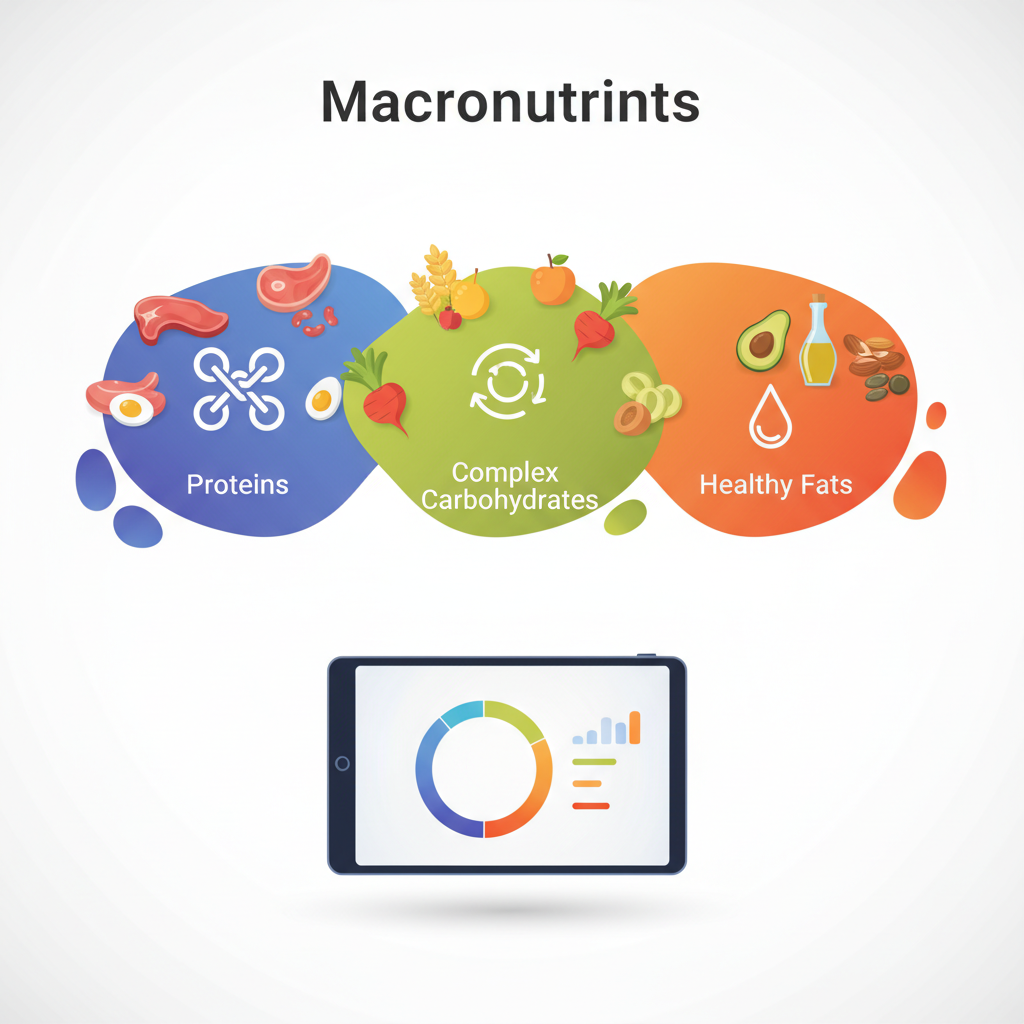
Let’s talk about the big three: proteins, carbohydrates, and fats. These aren’t just fancy nutrition terms—they’re the workhorses that actually build your body. Each one has a specific job to do. Protein repairs and builds muscle tissue (think of it as your body’s construction crew). Carbs fuel your workouts and daily activities (your energy department). And fats? They’re calorie-dense powerhouses that support hormone production and help you absorb vitamins. Getting these right can make or break your weight gain journey. For a complete picture of how these fit together, this healthy nutrition plan shows you how to balance everything for long-term success.
Here’s what most people get wrong: they think any calories will do. But your body is smarter than that. Feed it quality macronutrients, and you’ll build lean muscle while supporting your metabolism. Skimp on protein? Your muscles won’t have the building blocks they need. Choose simple carbs over complex ones? Hello, energy crashes. Skip healthy fats? You’re missing out on essential nutrients and feeling hungry all the time. When you understand how these macronutrients work together, you can craft a diet that actually supports your goals instead of working against them.
Key Aspects of Macronutrients for Weight Gain
Want to make smart choices about your macronutrients? Here’s your game plan:
- Protein Sources: Mix it up with lean meats, fish, eggs, dairy, and plant-based options like beans, tofu, and quinoa. Each source brings different amino acids to the table, and your muscles need them all. Variety isn’t just the spice of life—it’s the key to complete nutrition.
- Healthy Fats and Their Benefits: Avocados, nuts, seeds, olive oil, and fatty fish aren’t just delicious—they’re calorie-dense nutrition bombs. These fats keep your hormones happy, your brain sharp, and your stomach satisfied longer. Plus, they help you absorb fat-soluble vitamins.
- Complex Carbohydrates: Whole grains, sweet potatoes, beans, and fruits give you steady energy without the roller coaster ride. Unlike their simple carb cousins, these release energy gradually, keeping you fueled for hours instead of minutes.
- Balancing Macronutrient Ratios: There’s no one-size-fits-all formula here. Your ideal balance depends on your metabolism, activity level, and personal goals. Start with general guidelines, then adjust based on how your body responds. It’s like finding the perfect recipe—a little experimentation goes a long way.

Here’s the thing about healthy weight gain—it’s not just about eating more food. It’s about eating smarter. You need to find that sweet spot where you’re giving your body enough energy to build lean muscle, support your hormones, and keep everything running smoothly. The key? Understanding how many calories your body actually burns (that’s your BMR plus all your daily activities) so you can add just enough extra without going overboard. When you focus on quality macronutrients—protein for muscle repair, complex carbs for steady energy, and healthy fats for both calories and hormone balance—you’re building the kind of weight that actually serves your body.
Now, let’s talk meal planning. This is where the magic happens. When you eat strategically—timing your meals right and staying consistent—you’ll maintain steady energy and actually feel hungry for all that extra food. (Trust me, eating more can be harder than it sounds!) Supplements like protein powders can definitely help when you need that extra boost, but they’re just that—a boost. Your real foundation should always be solid, whole foods. And here’s something people often miss: don’t forget about fiber or rely too heavily on quick sugars. Your digestive system will thank you, and you’ll avoid those energy crashes that make everything harder.
Ready to put this into action? Start with tips for meal planning to create meals that hit your calorie and macro targets while actually tasting good. (Because what’s the point if you can’t enjoy your food?) You’ll also want to understand the importance of dietary fiber—it’s not just about digestion, it helps your body absorb all those nutrients you’re working so hard to get. If you’re looking to mix up your protein sources, check out our guide on plant-based protein sources for some fresh options. And if you’re combining this nutrition plan with fitness goals, our comprehensive guide on fitness for older women offers solid insights on strength training that work for anyone, regardless of age. Don’t miss our deep dive into the benefits of a balanced diet either—it’ll show you how everything connects to support your overall health.
You’ve got this. Really. The journey to healthy weight gain isn’t about perfection—it’s about consistency and patience with yourself. Every good meal choice adds up. Every day you stick with your plan matters. Some weeks you’ll see progress, others might feel slower, and that’s completely normal. Celebrate the small wins along the way because they’re building something bigger. With the right approach (and the resources we’ve shared), you’re not just gaining weight—you’re building a stronger, healthier version of yourself through intentional nutrition.
Frequently Asked Questions
-
How many calories should I eat to gain weight?
- Generally, consume 300-500 calories more than your maintenance level daily for steady gain.
-
What foods are best for gaining weight?
- High-protein foods, healthy fats, and complex carbs like nuts, lean meats, avocados, and whole grains.
-
Can I gain weight without exercise?
- Yes, but combining nutrition with strength training supports muscle gain over fat.
-
Are weight gain supplements safe?
- Most are safe when used as directed, but consult a healthcare provider before starting any supplement.
-
How long does it take to see results from weight gain nutrition plans?
- Typically 4-8 weeks with consistent nutrition and lifestyle habits.