
Table of Contents
Introduction
Here’s something most people don’t think about: while you’re carefully cleaning that cut or following your doctor’s post-surgery instructions, you might be missing one of the most powerful healing tools you have. It’s sitting right in your kitchen. The food you eat doesn’t just satisfy hunger—it literally becomes the building blocks your body uses to repair damaged tissue, fight off infections, and get you back to feeling like yourself again.
Think about it this way: your body is like a construction site after an injury, and nutrients are the raw materials. Without enough quality supplies, the project stalls. That’s why understanding nutrition for nurses can give you valuable insights into supporting strong recovery—these healthcare professionals know firsthand how proper nutrition makes all the difference. And if you’ve ever wondered about those benefits of nuts and seeds everyone talks about? They’re packed with essential fatty acids and nutrients that help your skin heal and keep inflammation in check.
Now, wound healing isn’t simple. It’s actually an intricate biological process that demands energy, protein, vitamins, and minerals—kind of like a high-performance engine that needs premium fuel. Skip the nutrition, and you’re looking at slower healing, higher infection risk, and wounds that just won’t seem to close properly. This is especially true for older adults or anyone dealing with chronic health conditions. Interestingly, there’s also a connection between nutrition and mental health—because when you’re eating well, you’re sleeping better and stressing less, which gives your body the calm environment it needs to focus on healing.
And let’s not forget about water. Seriously—hydration is huge. Your body uses fluids to shuttle nutrients and oxygen to injured areas while carrying away the cellular debris. It’s like having a really efficient delivery and cleanup crew working 24/7. If you’re wondering how to actually put this into practice, our tips for meal planning can help you create a strategy that ensures you’re getting consistent, quality nutrition throughout your recovery without the stress of figuring out what to eat every single day.
What You’ll Learn in This Guide
Ready to dive in? This guide will walk you through exactly how nutrition can become your secret weapon for faster, more effective healing. We’re not just talking theory here—this is practical, actionable information you can start using today.
- Understanding the Basics: We will explain why nutrition is crucial for wound healing, how it accelerates tissue repair, and reduces risks of complications.
- Key Nutrients: Learn about proteins, vitamins such as C and A, minerals like zinc, fats, and carbohydrates that provide energy and support regeneration.
- Food Sources: Discover practical examples of nutrient-rich foods including lean meats, fruits, leafy greens, seeds, and healthy fats that aid healing.
- Nutrition Phases: Explore how nutrition supports various wound healing phases—reducing inflammation, promoting tissue growth, and strengthening remodeled tissue.
You know what’s exciting about understanding this connection between food and healing? It puts you in the driver’s seat. Instead of just waiting around for your body to heal, you’re actively supporting the process. Speaking of taking charge of your nutrition, if you want to think bigger picture about your eating habits, check out our guide on healthy nutrition plans. It’s perfect for building long-term habits that support not just healing, but lifelong wellness.
Here’s what we’re going to explore together: how specific vitamins and minerals work behind the scenes to build collagen, boost your immune system, and provide the energy your cells need for repair work. Plus, I’ll share practical ways to get these healing nutrients into your meals without turning meal prep into a second job.
Whether you’re recovering from surgery, dealing with an injury, or managing chronic wounds, optimizing your nutrition is one of the most natural and effective strategies you have. Ready to learn how the right foods can help you heal faster, feel stronger, and get back to doing what you love? Let’s dig into the science and practical strategies that can transform your recovery experience. Your healing journey starts with understanding just how powerful good nutrition can be—and I’m here to guide you through every step.
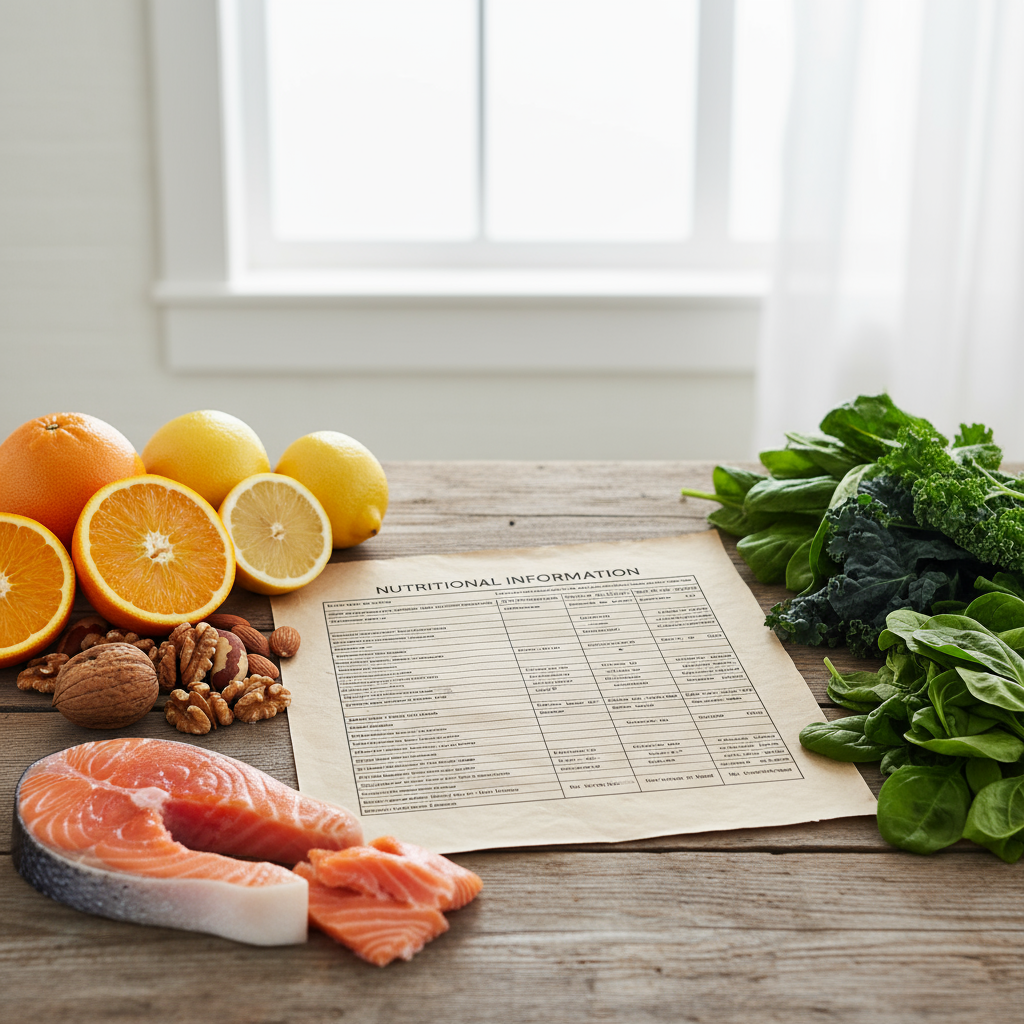
When you’re dealing with a wound, you might think the healing happens mainly because of whatever treatment your doctor prescribed. But here’s something that might surprise you: what you eat plays a huge role in how fast—and how well—your body heals. Think about it—your body is literally rebuilding itself, creating new cells and fighting off potential infections. Where do you think it gets the materials for that construction project? That’s right, from the food you eat. The nutrients you consume become the building blocks for new tissue, the fuel for your immune system, and the tools your body uses to repair damage. So let’s talk about why your plate matters just as much as your prescription, and how you can eat your way to better healing.
Why Nutrition Is Important for Wound Healing
Here’s what’s happening inside your body when you’re healing: your metabolism kicks into overdrive. It’s like your body suddenly becomes a busy construction site, working around the clock to repair the damage. All that work requires serious fuel and raw materials. Without enough calories, proteins, vitamins, and minerals, your body simply can’t keep up with the demands. The result? Slower healing, higher infection risk, and wounds that just won’t seem to close properly.
Protein is especially crucial here—it’s literally what your body uses to build new cells and keep your immune system strong. (This is why understanding protein intake for muscle building can actually help with wound recovery too.) But it’s not just about protein. Your body also craves specific vitamins and minerals: vitamin C for collagen production, vitamin A for immune function, zinc for tissue repair, and antioxidants to fight the stress of healing. When you give your body these nutrients through a balanced diet, you’re essentially providing premium materials for the repair job. And while we’re talking about optimal nutrition, don’t overlook the importance of dietary fiber—it keeps your digestive system running smoothly, which means better nutrient absorption when your body needs it most.
Key Aspects of Why Nutrition Matters in Healing
Let’s break down exactly how proper nutrition supercharges your healing process:
- Enhanced Immune Function: Your immune cells are like your body’s cleanup crew and security team rolled into one. They fight infections and clear out damaged tissue. But when you’re not getting enough nutrients? This crew gets sluggish, leaving you vulnerable to complications.
- Increased Collagen Production: Collagen is basically the scaffolding that holds your new tissue together. Vitamins C and A are absolutely essential for making this happen—without them, your body struggles to create strong, healthy tissue.
- Energy Supply: Healing is exhausting work for your body. Carbohydrates and healthy fats provide the steady energy supply your metabolism needs to power through this intensive repair process.
- Tissue Repair and Regeneration: This is where protein really shines. It provides the amino acids your body uses as building blocks for new cells, whether you’re repairing skin, muscle, or other tissues.
The bottom line? Eating well doesn’t just support healing—it supports your overall resilience and helps prevent future problems. If you want to create a comprehensive approach to healing nutrition, checking out a healthy nutrition plan can give you the blueprint you need. Now that you understand the “why,” let’s dive into the “how”—specifically, how nutrition supports your body through each stage of the healing process.
How Nutrition Supports Different Phases of Wound Healing
Your body doesn’t heal randomly—it follows a pretty amazing three-step process. First comes inflammation (which sounds bad but is actually essential), then proliferation (when new tissue forms), and finally maturation (when everything gets stronger and more organized). Each phase has its own nutritional needs, kind of like how different types of construction work require different tools and materials.
Smart meal planning during recovery means understanding these changing needs and adjusting accordingly. The good news? Tips for meal planning can help you stay organized and ensure you’re getting the right balance of nutrients, hydration, and energy as your body moves through these healing stages.
Key Aspects of Nutrition in Wound Healing Phases
Here’s how to feed your body exactly what it needs during each healing phase:
- Inflammatory Phase: This is when your immune system jumps into action. Yes, inflammation gets a bad rap, but it’s actually your body’s way of protecting the wound and starting repairs. During this phase, load up on vitamin C, zinc, and antioxidants—they help manage the inflammatory response and give your immune cells the support they need to fight off any unwanted bacteria.
- Proliferative Phase: Now things get really busy. Your body is building new tissue and ramping up collagen production like crazy. This is when protein becomes your best friend, along with vitamins A and C. Think of them as the construction crew and the blueprint—you need both to build strong, healthy tissue.
- Maturation Phase: The final stretch focuses on making everything stronger and more organized. Your body is essentially quality-checking and reinforcing the new tissue. Keep up with protein and add minerals like zinc to support this strengthening process and help your scar mature properly.
- Hydration Support: Here’s something people often overlook—staying properly hydrated is crucial for every single phase. Water helps transport nutrients where they need to go and keeps your cells functioning at their best. If you want to dive deeper into this, articles about hydration and weight loss offer great insights into maintaining optimal fluid levels that apply just as much to healing.
When you align your nutrition with these natural healing phases, you’re essentially giving your body VIP treatment. Want to take it even further? Learning about antioxidant rich fruits and the benefits of omega 3 fatty acids can help you discover delicious, natural ways to pack even more healing power into your meals. Your body will thank you for it.

Here’s the truth about nutrition and wound healing: what you eat really does make a difference. Your body is basically running a complex construction project when it’s healing, and it needs the right materials to get the job done well. We’re talking proteins, vitamins C and A, zinc, and healthy fats—these aren’t just nutritional buzzwords. They’re the actual building blocks your body uses for tissue repair, keeping your immune system strong, making collagen, and providing energy. Think of proper hydration as the delivery truck that gets all these nutrients where they need to go.
So what does this look like on your plate? Pretty straightforward, actually. Lean meats, dairy, legumes, nuts, citrus fruits, leafy greens, seeds, seafood, avocados, whole grains, and olive oil. (Notice how this isn’t some impossible diet—it’s just good, real food.) The cool thing is that while you’re helping your wound heal faster, you’re also boosting your overall health. Your body goes through different healing phases, and each one benefits from consistent nutritional support.
Want to take this further? A solid healthy nutrition plan can help you stay on track with balanced meals and sustainable habits. Don’t overlook dietary fiber either—it helps your body actually absorb and use all those good nutrients you’re eating. Adding omega-3 fatty acids is another smart move for managing inflammation and supporting your cells. And if you want to really beef up your immune system while you heal, check out these immune-enhancing foods that work hand-in-hand with wound healing nutrition.
Bottom line? The food you eat isn’t just fuel—it’s medicine. Every meal is a chance to help your body heal better and faster. Whether you’re dealing with a minor cut or recovering from surgery, consistent good nutrition can make a real difference in how quickly and completely you heal. If you’re looking for more performance-focused nutrition strategies, our nutrition for athletes guide has tips that work great for recovery too. Your body wants to heal—give it what it needs to do its best work.
Frequently Asked Questions
-
What are the best nutrients to eat for wound healing?
- Proteins, vitamins C and A, zinc, and healthy fats are key for tissue repair.
-
Can hydration affect wound healing?
- Yes, staying well-hydrated supports cellular function and healing.
-
Should I take supplements to heal wounds faster?
- Supplements can help if dietary intake is insufficient but consult a healthcare provider first.
-
How long does nutrition impact wound healing?
- Consistent nutrition support from injury onset through full recovery is beneficial.
-
When should I see a doctor about my wound?
- If wounds show signs of infection, are not healing, or cause severe pain, seek professional advice.


