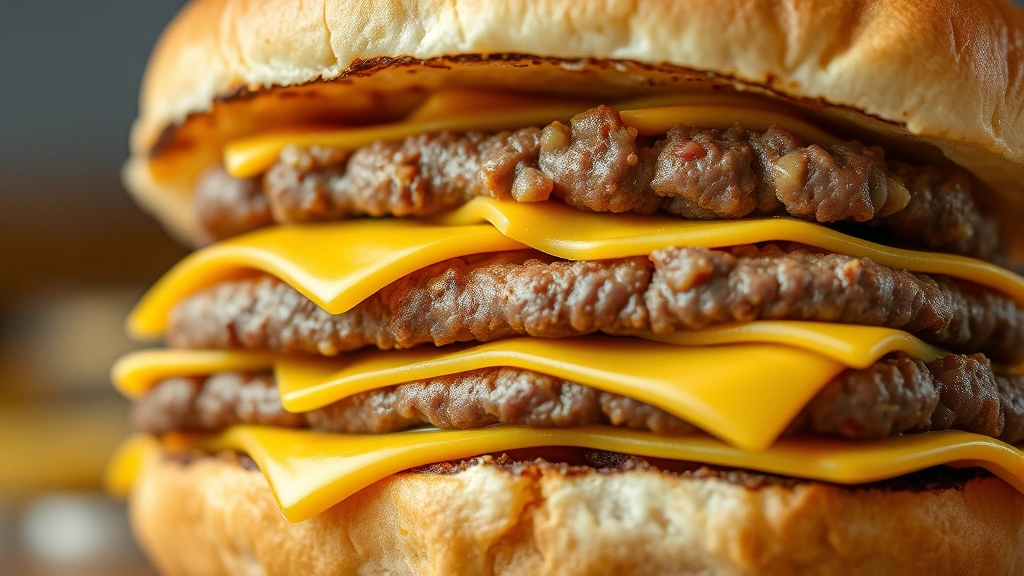
The McDouble has been a staple of fast-food menus since its introduction, and it remains one of the most popular items at McDonald’s worldwide. For many people, it’s a quick, affordable meal option—but what exactly are you consuming when you bite into one? Understanding the nutritional breakdown of a McDouble is essential for making informed dietary choices, especially if you consume fast food regularly. This dietitian-led analysis examines every component of this iconic burger, from macronutrients to sodium content, helping you understand how it fits into your overall diet.
Whether you’re a frequent fast-food consumer, someone tracking calories for fitness goals, or simply curious about what you’re eating, this comprehensive guide provides evidence-based nutritional information. We’ll explore not just the numbers, but what those numbers mean for your health, how a McDouble compares to other menu options, and strategies for balancing occasional fast-food consumption with a healthy nutrition plan.
Calorie Content and Energy Density
A standard McDouble contains approximately 400-450 calories, depending on regional variations and preparation methods. This represents roughly 20-22% of a typical 2,000-calorie daily diet, making it a moderately calorie-dense meal option. The calorie count comes from a combination of beef patties, cheese, bread, and condiments, with the beef patties and cheese contributing the majority of the energy content.
The energy density of a McDouble is significant because it provides substantial calories in a relatively small package. One McDouble weighs approximately 215 grams and delivers roughly 1.86-2.09 calories per gram, which classifies it as an energy-dense food. This is important to understand because energy-dense foods can make it easier to exceed daily caloric intake without feeling particularly full, which is a key consideration when examining the role of fast food in weight management and overall nutritional health.
For context, the FDA uses 2,000 calories as the reference daily intake for nutrition labeling purposes. If you’re consuming a McDouble as part of your daily meals, you’re using a meaningful portion of your caloric allowance on a single item, leaving approximately 1,550-1,600 calories for other meals and snacks throughout the day.
Macronutrient Breakdown
Understanding macronutrients—protein, carbohydrates, and fat—is crucial for assessing the nutritional value of any food. A McDouble contains approximately:
- Protein: 22-25 grams – Primarily from the two beef patties and cheese
- Carbohydrates: 33-36 grams – Mainly from the bun and condiments
- Fat: 20-23 grams – From beef, cheese, and mayo-based sauces
The protein content of a McDouble is actually one of its nutritional strengths. At roughly 22-25 grams per burger, it provides a substantial amount of complete protein containing all nine essential amino acids. This makes it a reasonable protein source, particularly for individuals who need quick, portable protein options. The beef provides high-quality protein with good bioavailability, and the cheese adds additional protein along with calcium.
The carbohydrate content, while moderate in absolute terms, represents simple carbohydrates primarily from refined flour in the bun. These carbohydrates are quickly digestible, which means they cause a faster rise in blood glucose compared to complex carbohydrates. For individuals managing blood sugar or following a healthy nutrition plan, this rapid glucose spike can be a concern, particularly if consumed without accompanying fiber or protein to moderate absorption rates.
The fat content deserves particular attention. At 20-23 grams total fat, a McDouble provides approximately 31-35% of the daily recommended fat intake for a 2,000-calorie diet. The composition of these fats is important for understanding health implications.
Micronutrients and Vitamins
While a McDouble excels in macronutrients, its micronutrient profile is more limited. The burger provides meaningful amounts of several essential minerals and vitamins, though often at levels lower than whole-food alternatives would provide.
Iron: The beef in a McDouble provides heme iron, which is highly absorbable compared to non-heme iron from plant sources. A single McDouble typically contains 2.5-3.0 mg of iron, representing approximately 14-17% of the daily recommended intake for adult men and 17-21% for adult women. This iron is particularly bioavailable, meaning your body can readily use it.
Calcium: The cheese in a McDouble contributes approximately 200-250 mg of calcium, providing roughly 20-25% of the daily recommended intake. This is a notable contribution, though it comes alongside high sodium content, which can affect calcium balance in the body.
B Vitamins: The beef and bun contribute B vitamins including B12, B6, and niacin. Vitamin B12 is particularly important as it’s found primarily in animal products, making the beef an excellent source. However, the refined bun provides fewer B vitamins than whole grain alternatives would.
Zinc: Beef is an excellent source of bioavailable zinc, essential for immune function, wound healing, and protein synthesis. A McDouble provides roughly 4-5 mg of zinc, representing approximately 36-45% of the daily recommended intake.
The micronutrient profile reveals a pattern: a McDouble provides good amounts of minerals associated with animal products (iron, zinc, B12) but lacks the phytonutrients, fiber, and certain vitamins found in vegetables and whole grains. This limitation underscores why consuming a McDouble as part of a balanced diet that includes whole foods is important.
Sodium and Health Implications
One of the most significant nutritional concerns with a McDouble is its sodium content. A single burger contains approximately 900-950 mg of sodium, representing roughly 39-41% of the FDA’s recommended daily limit of 2,300 mg for adults. This is a substantial amount concentrated in a single food item.
Elevated sodium intake is associated with increased blood pressure, which is a major risk factor for cardiovascular disease, stroke, and kidney disease. According to the American Heart Association, most Americans consume far too much sodium, and reducing intake is a key public health priority. When a single meal item contains nearly 40% of your daily sodium allowance, it leaves little room for sodium in other meals without exceeding recommended limits.
The sodium in a McDouble comes from multiple sources: the beef patties (which contain added salt), the cheese, the bun, and the condiments. This distribution means that even if you wanted to reduce sodium by removing condiments, you’d still consume substantial amounts from the core burger components.
For individuals with hypertension, sodium sensitivity, or those following dietary guidelines for cardiovascular health, the sodium content of a McDouble warrants careful consideration. Occasional consumption as part of an otherwise low-sodium diet is manageable, but regular consumption could significantly impact blood pressure and cardiovascular health.
Fat Profile Analysis
The 20-23 grams of total fat in a McDouble consists of different types of fat with varying health implications. Breaking down the fat profile provides important context:
Saturated Fat: A McDouble contains approximately 9-10 grams of saturated fat, representing roughly 45-50% of the daily recommended limit of 20 grams for a 2,000-calorie diet. Saturated fat is associated with increased LDL cholesterol, a risk factor for heart disease. The American Heart Association recommends limiting saturated fat to 5-6% of daily calories, making a single McDouble a significant saturated fat contributor.
Trans Fat: Modern McDonald’s burgers contain minimal to zero trans fat due to reformulation efforts, which is a positive development. Trans fats are particularly harmful, associated with increased heart disease risk and inflammation.
Unsaturated Fat: The remaining fat consists of monounsaturated and polyunsaturated fats, which are generally considered healthier fat types. These contribute to the overall fat content but don’t carry the same health concerns as saturated fat.
The predominance of saturated fat in a McDouble is worth noting, particularly for individuals managing cholesterol levels or cardiovascular risk. If you consume a McDouble, balancing the meal with lower-saturated-fat choices throughout the day becomes important. Unlike foods rich in omega-3 fatty acids, which have anti-inflammatory properties, beef fat is predominantly saturated and lacks these beneficial compounds.
How It Compares to Alternatives
Understanding how a McDouble stacks up against other menu options and alternatives helps contextualize its nutritional profile. The comparison reveals both strengths and weaknesses:
Versus a Single Hamburger: A single hamburger contains approximately 250 calories, 12-13g protein, 9g fat, and 28g carbohydrates. The McDouble essentially doubles the protein and calories while maintaining similar carbohydrate levels. If you’re seeking protein without excessive calories, a single burger might be a better choice, though you sacrifice the protein content.
Versus a Chicken McNuggets Meal: A 10-piece McNuggets serving contains approximately 420 calories but only 18g protein. The McDouble provides more protein in fewer calories, making it a better choice for protein-focused consumers. However, the McNuggets meal typically includes fries and a drink, which changes the overall caloric and nutritional comparison.
Versus Grilled Chicken Sandwich: McDonald’s grilled chicken sandwich contains approximately 400 calories, 26g protein, and significantly less fat (10g) than a McDouble. For those prioritizing protein while minimizing fat intake, the grilled option is superior, though it contains less iron and zinc than beef.
Versus Salad Options: McDonald’s salads typically contain 200-400 calories depending on dressing, with much lower protein (8-12g) and fat content. While salads provide more micronutrients and fiber, they’re less satiating than a McDouble due to lower protein content, potentially leading to increased snacking later.
This comparison illustrates that a McDouble isn’t inherently worse than many alternatives—it’s simply different, with particular strengths in protein delivery and certain minerals, offset by high sodium and saturated fat content.

Where It Fits in Your Diet
The practical question for most people is: can a McDouble fit into a healthy diet? The answer is nuanced and depends on several factors including your overall dietary patterns, health status, and fitness goals.
For Weight Management: At 400-450 calories with 22-25g protein, a McDouble can fit into a calorie-controlled diet, particularly if the rest of your meals are lower in calories and higher in vegetables and whole grains. The protein content promotes satiety, helping you feel full longer. However, the high sodium and saturated fat content means you’d need to carefully manage these nutrients throughout the rest of your day.
For Muscle Building: The protein and amino acid profile of a McDouble makes it viable for post-workout nutrition or as part of a high-protein diet. Athletes and fitness enthusiasts can incorporate occasional McDouble consumption without derailing progress, provided overall protein intake and training remain consistent.
For Cardiovascular Health: Individuals with hypertension, high cholesterol, or heart disease should limit McDouble consumption. The combination of high sodium and saturated fat makes it problematic for cardiovascular health management. Healthier alternatives would be preferable for these populations.
For Diabetes Management: The refined carbohydrates in a McDouble cause rapid blood glucose elevation. For individuals with diabetes or prediabetes, occasional McDouble consumption requires careful blood sugar monitoring and should ideally be paired with additional protein or fiber to moderate glucose response.
The key principle is frequency and context. Occasional McDouble consumption (perhaps once monthly or less) within an otherwise balanced diet rich in whole foods, vegetables, and fiber presents minimal health risk for most people. Regular consumption (weekly or more frequently) becomes problematic, particularly for sodium, saturated fat, and overall caloric intake.
Consider pairing a McDouble with water instead of sugary drinks, adding a side salad if available, and ensuring subsequent meals emphasize vegetables, whole grains, and lean proteins. This contextual approach allows flexibility while maintaining overall nutritional balance. For detailed guidance on building a sustainable approach to nutrition, explore our comprehensive healthy nutrition plan guide.
Additionally, understanding how specific nutrients affect your body helps inform decisions. If you’re interested in learning more about nutrient optimization, our resource on improving nutrient absorption provides strategies for maximizing the nutritional value of the foods you consume. For those curious about specific nutrients, our analysis of nutrition in avocados demonstrates how whole foods compare nutritionally to processed options.
The relationship between nutrition and overall health extends beyond individual meals. Your dietary patterns influence cognitive function, mood, and mental health. If you’re interested in understanding these broader connections, our article on nutrition and mental health explores how dietary choices impact brain function and psychological well-being.
FAQ
How many calories are in a McDouble?
A standard McDouble contains approximately 400-450 calories, representing roughly 20-22% of a typical 2,000-calorie daily diet. The exact calorie content may vary slightly by region and preparation method.
Is a McDouble high in protein?
Yes, a McDouble is relatively high in protein, containing 22-25 grams per burger. This makes it a reasonable protein source, particularly for those seeking quick protein options. The protein is complete, containing all nine essential amino acids.
How much sodium does a McDouble contain?
A McDouble contains approximately 900-950 mg of sodium, representing roughly 39-41% of the FDA’s recommended daily limit of 2,300 mg. This is a significant amount concentrated in a single food item.
Can I eat a McDouble if I’m trying to lose weight?
A McDouble can fit into a weight loss diet if consumed occasionally within a calorie-controlled plan. The protein content promotes satiety, helping you feel full longer. However, you’d need to balance its calories and sodium with other lower-calorie, nutrient-dense foods throughout the day.
What’s the fat content of a McDouble?
A McDouble contains 20-23 grams of total fat, with approximately 9-10 grams of saturated fat. The saturated fat represents roughly 45-50% of the daily recommended limit, which is significant for a single food item.
Does a McDouble have any nutritional benefits?
Yes, a McDouble provides meaningful amounts of protein, iron, zinc, and B vitamins, particularly B12. The beef provides bioavailable nutrients that your body readily absorbs. However, these benefits come alongside high sodium and saturated fat content, which warrant consideration.
How often can I safely eat a McDouble?
For most healthy individuals, occasional McDouble consumption (monthly or less frequently) within an otherwise balanced diet presents minimal health risk. Regular consumption (weekly or more) can contribute to excessive sodium and saturated fat intake, increasing health risks over time.
What are healthier McDonald’s alternatives?
Healthier options include grilled chicken sandwiches (lower fat, similar protein), single hamburgers (fewer calories), or salads with grilled chicken (more fiber, lower saturated fat). Water is preferable to sugary drinks when available.
Is a McDouble suitable for people with high blood pressure?
A McDouble is not ideal for individuals with hypertension due to its high sodium content (900-950 mg per burger). People managing blood pressure should limit sodium intake and choose lower-sodium alternatives whenever possible.
How does a McDouble compare to home-cooked burgers?
Home-cooked burgers offer greater control over ingredients, cooking methods, and sodium content. You can use leaner beef, whole grain buns, and fresh vegetables to create a more nutrient-dense burger. However, McDonald’s McDouble offers convenience and consistent nutrition information.


