Nutritional Value of Burger Patties: Expert Insight
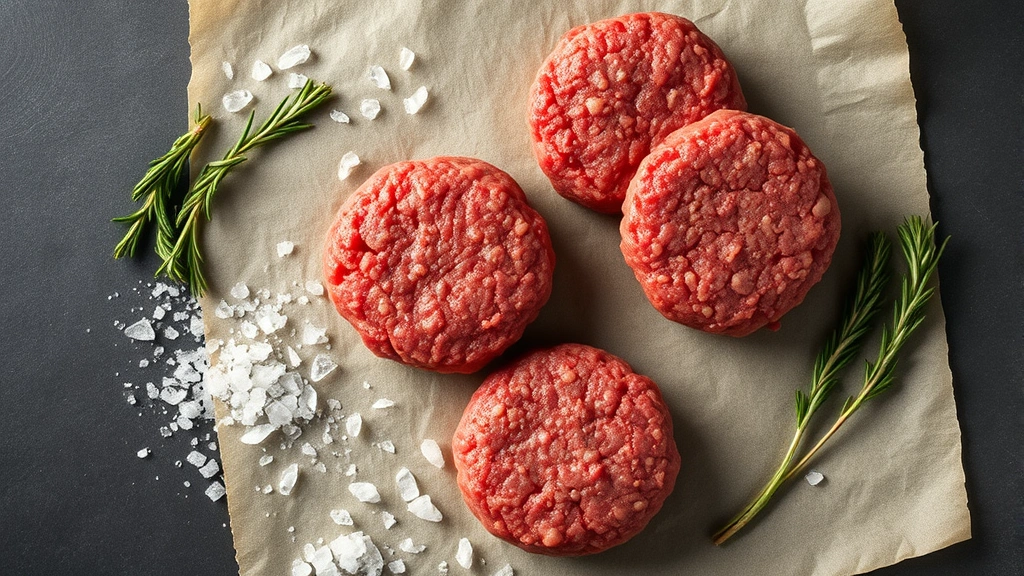
Burger patties represent one of the most consumed protein sources globally, yet their nutritional profile remains misunderstood by many consumers. Whether you’re crafting homemade burgers or evaluating fast-food options, understanding the composition of burger patties is essential for making informed dietary choices. This comprehensive guide examines the nutritional science behind burger patties, exploring protein content, fat composition, micronutrients, and how different preparation methods impact overall health value.
The burger patty has evolved from a simple ground meat product into a complex food item with numerous variations. Modern consumers encounter beef patties, turkey alternatives, plant-based options, and specialty blends, each offering distinct nutritional advantages and considerations. By examining these options through an evidence-based lens, you can better understand how burger patties fit into a balanced diet and what factors influence their nutritional worth.

Protein Content and Amino Acid Profile
Burger patties serve as exceptional protein sources, containing all nine essential amino acids necessary for human health. A standard 3-ounce beef burger patty typically provides 20-22 grams of complete protein, making it an efficient choice for muscle maintenance and tissue repair. This bioavailability advantage means your body absorbs and utilizes the amino acids from burger patties more effectively than many plant-based protein sources.
The amino acid composition in beef patties includes optimal levels of leucine, an amino acid crucial for muscle protein synthesis. Athletes optimizing performance through diet often incorporate burger patties strategically because of this muscular benefit. Research from ResearchGate nutrition studies demonstrates that beef-based proteins trigger superior muscle adaptation compared to lower-quality protein sources.
Different ground beef ratios affect protein density. Lean ground beef (90/10 ratio) delivers approximately 24 grams of protein per 3-ounce serving, while 80/20 ground beef provides around 21 grams. The protein-to-calorie ratio remains favorable across most burger patty variations, making them valuable for individuals following healthy nutrition plans.
Fat Composition and Heart Health
The fat content in burger patties has generated considerable discussion among nutrition experts. A 3-ounce burger patty from 80/20 ground beef contains approximately 15-17 grams of total fat, with roughly 6-7 grams being saturated fat. Understanding this composition helps contextualize burger patties within daily dietary guidelines recommending 25-35% of calories from fat.
Recent research indicates that saturated fat from beef differs from saturated fat in processed foods. American Heart Association guidelines acknowledge that modest beef consumption can fit within heart-healthy diets when balanced with other nutrients. The stearic acid found in beef actually demonstrates neutral effects on cholesterol levels, unlike other saturated fats.
Selecting leaner ground beef options significantly reduces fat intake. A 93/7 lean patty contains only 5-6 grams of total fat per 3-ounce serving, reducing saturated fat to approximately 2-3 grams. This modification allows burger patties to align with stricter dietary protocols while maintaining their protein advantages. The monounsaturated and polyunsaturated fats in beef patties also contribute to overall fat quality.
Micronutrients and Essential Minerals
Beyond macronutrients, burger patties deliver substantial micronutrient density that often goes unrecognized. Iron content represents one of the most significant micronutrient advantages, with beef patties providing 2-3 mg of highly bioavailable heme iron per 3-ounce serving. This iron form absorbs 15-35% more efficiently than non-heme iron from plant sources, making burger patties particularly valuable for individuals at risk of iron deficiency.
Zinc concentration in beef patties supports immune function, wound healing, and protein synthesis. A single burger patty delivers 5-7 mg of zinc, representing 45-64% of daily recommended intake. Selenium, another critical mineral, appears in beef at concentrations supporting thyroid health and antioxidant defense systems. Nutrition facts label generators help consumers track these micronutrient contributions across their dietary intake.
B vitamins constitute another micronutrient advantage of burger patties. Niacin, vitamin B12, and riboflavin all appear in substantial quantities, supporting energy metabolism and neurological function. These vitamins prove especially important for individuals following restrictive diets, as burger patties provide concentrated sources difficult to obtain from non-animal sources.
Caloric Density and Weight Management
Caloric content varies considerably based on ground beef fat ratios and patty size. A standard 3-ounce burger patty from 80/20 ground beef contains approximately 215-230 calories, while 90/10 lean patties provide 150-165 calories. Understanding these variations enables strategic incorporation into meal planning strategies for weight management goals.
The satiety factor of burger patties deserves consideration in weight management discussions. The combination of protein and fat creates sustained fullness, reducing overall caloric intake throughout the day. Studies indicate that protein-rich meals like burger patties suppress ghrelin, the hunger hormone, more effectively than carbohydrate-dominant alternatives. This appetite-suppressing quality makes burger patties valuable for individuals pursuing caloric deficits.
Portion control remains the critical variable for weight management. A single 4-ounce burger patty fits comfortably within balanced meals, providing substantial nutrition without excessive caloric contribution. Pairing burger patties with fiber-rich vegetables and whole grains optimizes nutritional value while maintaining caloric awareness.
Plant-Based Versus Traditional Patties
The emergence of plant-based burger alternatives has transformed consumer choice landscape. These patties typically contain pea protein, soy protein, or potato starch as primary ingredients, offering distinct nutritional profiles from traditional beef patties. While plant-based options provide complete proteins in some formulations, their micronutrient density generally remains lower than beef alternatives.
Plant-based burger patties often contain higher sodium levels, ranging from 400-600 mg per patty compared to 75-150 mg in traditional beef patties. Additionally, many plant-based formulations include seed oils and additives to achieve meat-like texture, introducing polyunsaturated fats and processing elements absent from whole beef patties. Pew Research Center consumer behavior studies reveal shifting preferences toward plant-based options despite nutritional trade-offs.
The protein quality differs notably between categories. Beef patties provide complete amino acid profiles with optimal ratios, while many plant-based patties require combination with complementary proteins for nutritional completeness. However, plant-based patties offer advantages for individuals with allergies, ethical concerns, or dietary restrictions, making them valuable alternatives despite different nutritional characteristics.
Cooking Methods and Nutritional Impact
Preparation method significantly influences burger patty nutritional value. Grilling allows excess fat to drain while developing beneficial compounds through the Maillard reaction. Grilled patties retain micronutrient density while potentially reducing caloric content compared to pan-fried versions. The high-heat cooking process also creates compounds with potential antioxidant properties, though excessive charring should be avoided.
Pan-frying in minimal oil provides another nutritionally sound option, though fat retention differs from grilling. Oven-baking at 375°F produces consistent results with moderate fat drainage. Microwave cooking, while convenient, generates uneven heat distribution and moisture retention, potentially compromising texture and nutrient concentration. Sous vide preparation at precise temperatures optimizes protein structure while controlling fat oxidation.
Cooking temperature directly affects nutrient preservation. Medium-rare to medium doneness (160°F internal temperature) balances food safety with micronutrient retention, while well-done patties experience greater nutrient degradation. The addition of minimal seasonings during cooking enhances flavor without compromising nutritional value, whereas post-cooking condiments often introduce excessive sodium.
Sodium Content and Blood Pressure
Sodium content represents the primary nutritional concern with burger patties, particularly in commercial preparations. A standard beef burger patty contains 75-150 mg of sodium, while seasoned commercial patties may exceed 400 mg per patty. This becomes significant considering daily sodium recommendations of 2,300 mg for adults, with many individuals exceeding optimal intake.
Homemade burger patties offer superior sodium control, allowing customization based on individual health requirements. Using unsalted ground beef and minimal seasoning produces patties with negligible sodium content, enabling individuals with hypertension to enjoy burger meals safely. CDC nutrition guidelines emphasize sodium reduction as a primary public health priority, making patty preparation methods relevant to cardiovascular health.
Combining burger patties with low-sodium toppings and condiments further optimizes sodium intake. Selecting vegetables, whole grain buns, and limiting processed cheese and condiments reduces total meal sodium by 30-50%. This strategic approach allows individuals to enjoy burger patties while maintaining cardiovascular health objectives.
Choosing Quality Burger Patties
Quality assessment begins with ground beef source identification. Grass-fed beef patties contain elevated omega-3 fatty acids and conjugated linoleic acid (CLA), compounds with potential anti-inflammatory properties. Journal of Nutrition research demonstrates measurable nutritional differences between grass-fed and grain-fed beef, though both provide substantial health benefits.
Examining fat ratios allows personalized selection based on individual health goals. High-performance athletes benefit from 80/20 patties providing concentrated calories and fat for energy, while individuals managing weight prefer 90/10 or 93/7 ratios. The presence of added fillers or binders in commercial patties reduces nutritional density compared to 100% beef formulations.
Organic certification indicates absence of synthetic pesticides and antibiotics, though nutritional profiles remain similar to conventional beef. Local sourcing from trusted butchers enables direct inquiry regarding cattle diet, processing methods, and storage conditions. Freshness assessment through color and smell ensures optimal nutrient retention and food safety. Creating homemade patties from freshly ground beef provides maximum control over ingredients and preparation methods.
FAQ
How much protein does a burger patty contain?
A standard 3-ounce beef burger patty contains 20-24 grams of complete protein, depending on ground beef fat ratio. Lean varieties provide higher protein concentrations, while standard 80/20 patties offer slightly lower amounts due to increased fat content. This protein quantity represents 40-48% of daily recommended intake for most adults.
Are burger patties unhealthy for weight loss?
Burger patties can support weight loss when incorporated strategically. The high protein content promotes satiety, reducing overall caloric intake, while the fat component slows digestion and maintains sustained energy. Portion control and selection of lean varieties (90/10 or 93/7) optimize weight management potential while maintaining nutritional benefits.
What is the best way to cook burger patties nutritionally?
Grilling remains the optimal cooking method, allowing excess fat drainage while developing beneficial compounds. Medium-rare to medium doneness (160°F) balances food safety with nutrient preservation. Minimal seasoning before cooking and avoiding excessive charring maintain nutritional integrity while enhancing flavor.
Do plant-based burger patties offer equivalent nutrition?
Plant-based patties provide complete proteins in many formulations but typically contain lower micronutrient density than beef alternatives. They often include higher sodium levels and processed ingredients. Plant-based options offer advantages for ethical concerns and allergies, but nutritional profiles differ meaningfully from traditional beef patties.
How can I reduce sodium in burger patties?
Creating homemade patties from unsalted ground beef eliminates commercial sodium additions. Using minimal seasoning and avoiding processed cheese, condiments, and commercial buns reduces total meal sodium significantly. This approach allows individuals with hypertension to enjoy burger meals within cardiovascular health guidelines.
What nutrients make burger patties valuable?
Burger patties deliver complete proteins with all essential amino acids, highly bioavailable heme iron, zinc supporting immunity, B vitamins enabling energy metabolism, and selenium promoting antioxidant defense. These micronutrients combine to create nutritionally dense foods supporting multiple physiological systems simultaneously.