
Crab rangoon, the beloved crispy appetizer found on Chinese-American restaurant menus everywhere, combines cream cheese, crab meat, and wonton wrappers into a golden-fried delicacy. While undeniably delicious, understanding the nutritional profile of crab rangoon is essential for anyone monitoring their dietary intake. These cream cheese-filled pockets deliver surprising amounts of calories, fat, and sodium in each bite, making them a food that demands informed consumption choices.
The appeal of crab rangoon lies in its textural contrast and rich, savory filling, but this indulgence comes with nutritional consequences. A single crab rangoon typically contains between 150-200 calories, depending on size and preparation method, with substantial contributions from both the fried wonton wrapper and the creamy filling. For those interested in making informed dietary decisions, examining the detailed breakdown of macronutrients, micronutrients, and health implications becomes crucial.
This comprehensive guide explores the nutritional facts of crab rangoon, examining what makes this appetizer tick from a dietary perspective. Whether you’re a health-conscious consumer, a nutrition student, or simply someone who wants to enjoy crab rangoon without guilt, understanding its composition helps you make choices aligned with your wellness goals and dietary preferences.

Nutritional Breakdown Per Piece
A standard crab rangoon piece, weighing approximately 14-16 grams, contains roughly 160 calories on average. This caloric density makes crab rangoon a relatively concentrated source of energy in a small package. The majority of these calories derive from fat, with carbohydrates from the wonton wrapper contributing secondary energy. Understanding this breakdown helps contextualize crab rangoon within broader meal planning and dietary frameworks.
Beyond calories, a single crab rangoon typically delivers:
- Total Fat: 9-11 grams, with 2-3 grams from saturated fat
- Carbohydrates: 12-14 grams, mostly from refined wheat flour
- Protein: 4-5 grams, primarily from crab and cream cheese
- Sodium: 280-350 milligrams per piece
- Cholesterol: 15-20 milligrams
- Fiber: Less than 1 gram
These values represent a typical restaurant preparation, though variations exist based on establishment practices, filler proportions, and cooking oil type. The cream cheese filling contributes significantly to the fat and cholesterol content, while the wonton wrapper—typically made from wheat flour, eggs, and salt—provides structure and the characteristic crispy texture through deep-frying.
Micronutrient content includes modest amounts of calcium from cream cheese, some selenium from seafood, and various B vitamins from wheat flour. However, crab rangoon cannot be considered a significant source of vitamins or minerals relative to its caloric contribution, making it primarily an energy-dense indulgence rather than a nutrient-dense food choice.
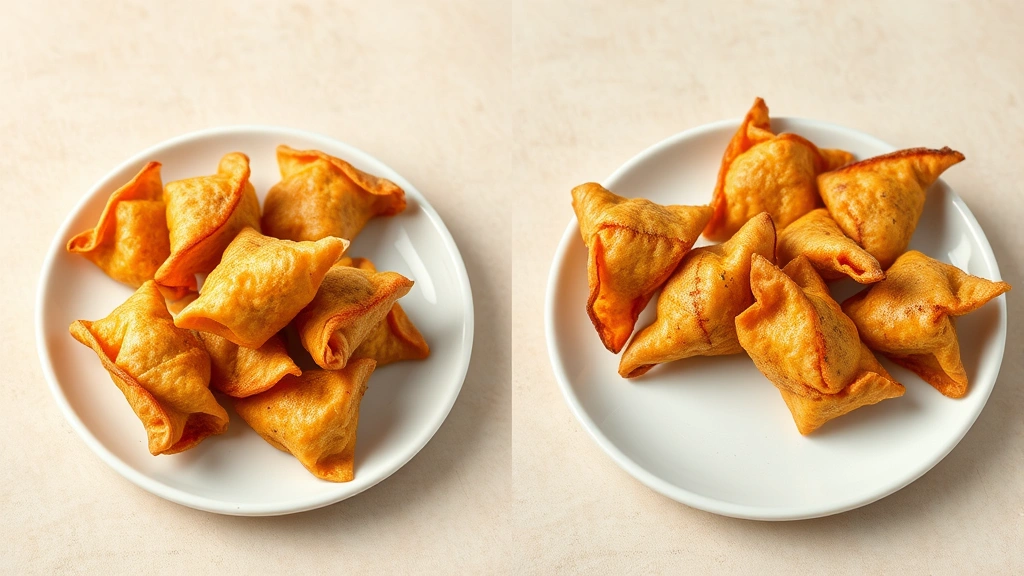
Macronutrient Analysis
The macronutrient composition of crab rangoon reveals why this appetizer occupies a controversial position in nutritional discussions. The fat content, particularly saturated fat from cream cheese and deep-frying oil, represents approximately 50-60% of total calories. This high fat percentage reflects both the ingredient selection and cooking method, fundamentally shaping the nutritional profile.
Protein content in crab rangoon deserves closer examination. While the 4-5 grams of protein per piece might seem modest, it represents a meaningful contribution from both the crab meat and cream cheese. For those pursuing nutrition for building muscle mass, crab rangoon’s protein content could theoretically support muscle development, though the high fat and calorie ratio makes it an inefficient protein source compared to leaner options.
The carbohydrate content of 12-14 grams comes almost entirely from refined wheat flour in the wonton wrapper. This refined carbohydrate lacks significant fiber, contributing to rapid blood sugar elevation upon consumption. For individuals monitoring blood glucose levels or following low-carbohydrate dietary approaches, this carbohydrate profile represents a notable consideration. The absence of whole grains means minimal nutritional benefit from this macronutrient component.
Fat composition warrants detailed analysis. While total fat content ranges from 9-11 grams, the type of fat matters considerably. Saturated fat comprises approximately 2-3 grams, representing roughly 25-30% of total fat content. The remainder consists primarily of unsaturated fats from the cooking oil, though the heating process involved in deep-frying can create trans fats, though in minimal quantities in modern cooking practices. The cream cheese filling contributes both saturated fat and cholesterol, adding another layer to the lipid profile.
Sodium and Salt Content
Perhaps the most concerning nutritional aspect of crab rangoon involves its sodium content. A single piece contains 280-350 milligrams of sodium, representing roughly 12-15% of the recommended daily intake of 2,300 milligrams. When consumed as part of a restaurant meal—typically involving multiple pieces plus other sodium-laden dishes—the sodium accumulation becomes substantial.
Sodium originates from multiple sources within crab rangoon: the wonton wrapper itself contains salt, the cream cheese filling adds sodium, and any soy sauce-based dipping sauce further elevates sodium content. For individuals managing hypertension or following healthy nutrition plan guidelines, this sodium concentration presents a significant challenge.
Research from the Centers for Disease Control and Prevention indicates that processed and restaurant foods contribute approximately 70% of total sodium intake in American diets. Crab rangoon exemplifies this phenomenon, with its high sodium content relative to nutritional benefit. The combination of refined carbohydrates, high fat, and excessive sodium creates a nutritional profile that health professionals often classify as energy-dense but nutrient-poor.
Consuming just four pieces of crab rangoon—a reasonable appetizer portion—delivers over 1,100 milligrams of sodium, approaching 50% of daily recommended intake in a single appetizer course. This reality necessitates careful consideration when incorporating crab rangoon into overall dietary patterns, particularly for sodium-sensitive individuals.
Impact on Daily Values
Understanding how crab rangoon fits within daily nutritional requirements requires contextualization within established dietary guidelines. The FDA bases daily values on a 2,000-calorie diet, providing reference points for evaluating individual foods. A single crab rangoon represents 8% of daily caloric needs, a modest but meaningful contribution to total energy intake.
For fat intake, assuming a 2,000-calorie diet with 65 grams of total daily fat recommendation, one crab rangoon provides roughly 14-17% of daily fat allowance. Saturated fat recommendations typically cap at 20 grams daily; a single crab rangoon delivers 10-15% of this limit. For individuals following lower-fat dietary approaches or managing cardiovascular health, this saturated fat contribution becomes more significant.
Carbohydrate impact varies based on individual dietary frameworks. For those following standard recommendations of 225-325 grams daily carbohydrates, one crab rangoon contributes 4-6% of daily allowance. However, for individuals pursuing ketogenic or very-low-carbohydrate approaches, these 12-14 grams represent a more substantial proportion of restricted carbohydrate budgets.
The sodium impact proves most dramatic. One crab rangoon delivers 12-15% of daily sodium allowance, with multiple pieces quickly exceeding healthy consumption levels. This makes portion control crucial when incorporating crab rangoon into meals, particularly for those with sodium sensitivity or hypertension management needs.
Vitamin and mineral contributions from crab rangoon remain minimal. While the crab provides some selenium and the cream cheese offers calcium, the quantities are insufficient to meaningfully impact daily micronutrient requirements. This reinforces crab rangoon’s classification as an indulgent food rather than a nutritionally strategic choice.
Healthier Preparation Methods
For those unwilling to completely eliminate crab rangoon from their diets, understanding alternative preparation methods provides pathways to reduced nutritional burden. Traditional deep-frying represents the primary driver of excessive fat and calories; modifying this cooking technique offers substantial improvements.
Air frying emerges as a compelling alternative, reducing oil requirements by up to 75% compared to traditional deep-frying. A crab rangoon prepared via air frying contains approximately 100-120 calories with 5-6 grams of fat, dramatically reducing the nutritional impact while maintaining textural appeal. The Maillard reaction still occurs, creating browning and flavor development without excessive oil absorption.
Baking presents another option, though it produces different textural results. Brushing wonton wrappers with minimal oil before baking yields crispy exteriors with substantially reduced fat content—potentially 50-60% fewer calories than deep-fried versions. The texture differs from traditional preparations, becoming less uniformly crispy, but nutritional benefits justify the compromise for health-conscious consumers.
Filling modifications also impact nutritional profiles. Reducing cream cheese and increasing crab meat proportion decreases fat and cholesterol while maintaining protein content. Incorporating vegetables like finely minced water chestnuts or mushrooms adds volume and fiber while reducing caloric density. These modifications maintain the essential character of crab rangoon while improving nutritional metrics.
Portion control strategies deserve emphasis. Consuming crab rangoon as an intentional indulgence rather than mindless appetizer consumption allows individuals to enjoy this food within reasonable dietary frameworks. Limiting consumption to 2-3 pieces rather than typical restaurant portions of 6-8 pieces reduces nutritional impact significantly while preserving the eating experience.
Comparison with Similar Appetizers
Contextualizing crab rangoon’s nutritional profile within the broader appetizer landscape illuminates its relative standing. Similar fried appetizers demonstrate comparable nutritional characteristics, though specific values vary based on preparation and ingredients.
Fried shrimp, another popular Chinese-American appetizer, contains approximately 190-210 calories per 3-4 piece serving with 10-12 grams of fat. The protein content typically exceeds crab rangoon at 6-8 grams, providing more efficient protein delivery per calorie. However, sodium levels remain similarly elevated.
Fried wonton appetizers—when filled with vegetable or meat fillings—generally deliver 140-170 calories per piece with slightly lower fat content than crab rangoon, though sodium remains high. The nutritional distinction largely reflects filling composition rather than preparation method.
Spring rolls, whether vegetable or meat-filled, demonstrate similar caloric density but often superior nutritional profiles when filled with vegetables. A vegetable spring roll typically contains 100-140 calories with comparable fat content but superior micronutrient contribution from vegetable fillings.
Compared to Goldfish crackers nutrition facts, crab rangoon delivers more protein and similar sodium per unit weight, though Goldfish crackers contain less fat. This comparison illustrates how appetizer selection significantly impacts overall nutritional intake at restaurant meals.
Steamed dumplings represent a markedly different nutritional profile, containing 40-60 calories per piece with 1-2 grams of fat and superior micronutrient density. For those prioritizing nutritional optimization, steamed options dramatically outperform fried alternatives, though they sacrifice the textural satisfaction many crave.
Expert Recommendations
Nutritionists and registered dietitian nutritionists generally classify crab rangoon as an occasional indulgence rather than a regular dietary staple. The combination of high calories, saturated fat, sodium, and refined carbohydrates with minimal micronutrient contribution makes it nutritionally suboptimal for frequent consumption.
For individuals pursuing nutrition and mental health optimization, experts suggest limiting crab rangoon to occasional restaurant visits rather than regular consumption. The refined carbohydrates and high fat content provide minimal satiating benefit relative to whole-food alternatives, potentially undermining stable energy and mood support.
The Academy of Nutrition and Dietetics emphasizes that no foods are inherently “forbidden,” but rather encourages mindful consumption within overall dietary patterns. Crab rangoon fits this framework as an occasional indulgence when consumed consciously rather than as habitual appetizer selection.
For individuals managing specific health conditions, expert guidance becomes more restrictive. Those with hypertension benefit from minimizing crab rangoon consumption due to sodium content. Individuals managing diabetes or prediabetes should exercise caution with the refined carbohydrate content. Those with elevated cholesterol or cardiovascular disease risk should consider the saturated fat and cholesterol contributions carefully.
Research from the American Heart Association recommends limiting saturated fat to 5-6% of daily calories. A single crab rangoon’s saturated fat contribution aligns with this guidance for occasional consumption, but multiple pieces quickly exceed recommendations. This reinforces the importance of portion awareness and frequency monitoring.
Experts also emphasize the importance of beverage choices accompanying crab rangoon. Pairing these appetizers with water or unsweetened beverages rather than sugary drinks or alcohol helps mitigate overall nutritional impact. The combination of crab rangoon with calorie-dense beverages creates cumulative dietary burden that compounds nutritional concerns.
Incorporating Crab Rangoon Into Balanced Meals
For those choosing to include crab rangoon in their diets, strategic meal composition becomes essential. Rather than viewing crab rangoon as a standalone appetizer, incorporating it within broader meal contexts allows more balanced nutritional profiles.
Pairing crab rangoon with vegetable-heavy main courses helps balance the appetizer’s nutrient deficiencies. Following an appetizer of 2-3 crab rangoon pieces with a stir-fried vegetable dish rich in fiber and micronutrients creates nutritional complementarity. The vegetable-based main course provides satiety, potentially reducing total caloric consumption compared to pairing crab rangoon with equally calorie-dense entrees.
Timing consumption strategically also matters. Consuming crab rangoon earlier in meals when appetite is highest allows better portion control compared to grazing on appetizers throughout dining experiences. Early consumption, when satiety signals activate more readily, naturally limits overconsumption.
For those interested in nutrition for weight gain purposes, crab rangoon’s caloric density and fat content make it strategically useful within weight-gain meal plans. However, even in these contexts, limiting consumption to intentional portions rather than unlimited appetizer consumption remains prudent.
The National Center for Biotechnology Information research emphasizes that food quality and overall dietary patterns matter more than individual food items. Occasional crab rangoon consumption within otherwise balanced, nutrient-dense dietary patterns poses minimal health concern, while habitual consumption alongside other processed foods creates cumulative nutritional burden.
Understanding Restaurant Variation
Nutritional values presented throughout this guide represent averages based on typical restaurant preparations. Significant variation exists between establishments, with some serving notably larger pieces, using different filling ratios, or employing alternative cooking methods.
Upscale Chinese restaurants often prepare crab rangoon with higher crab meat proportions, potentially reducing cream cheese content and improving nutritional profiles. Conversely, casual dining establishments may maximize cream cheese filling for cost efficiency, increasing fat and calorie content. Requesting ingredient information or asking about preparation methods provides valuable context for nutritional assessment.
Homemade preparation offers maximum control over nutritional composition. Using reduced-fat cream cheese, increasing crab meat proportions, and employing air-frying or baking methods allows creation of crab rangoon with substantially improved nutritional profiles compared to restaurant versions. The Academy of Nutrition and Dietetics encourages home food preparation as a strategy for nutritional optimization.
FAQ
How many crab rangoon pieces should I eat?
Nutritional experts recommend limiting consumption to 2-3 pieces per occasion, representing reasonable portion control. This quantity delivers approximately 320-480 calories with manageable macronutrient and sodium contributions. Consuming more than 4-5 pieces begins approaching concerning sodium and saturated fat levels within single meals.
Are crab rangoon healthy?
Crab rangoon cannot be classified as a healthy food in the nutritional sense. While containing some protein from crab and cheese, the high calorie, fat, and sodium content relative to micronutrient contribution makes it nutritionally suboptimal. It functions best as an occasional indulgence within otherwise balanced dietary patterns.
What’s the calorie count for crab rangoon?
A single traditionally prepared crab rangoon contains approximately 160 calories, with variations ranging from 140-200 calories depending on size and preparation. A typical restaurant serving of 6-8 pieces delivers 960-1,600 calories, representing substantial caloric contribution to overall meal intake.
Can I eat crab rangoon on a diet?
Occasional crab rangoon consumption can fit within weight-loss diets through strategic portion control and meal composition. Limiting consumption to 2-3 pieces and pairing with vegetable-rich dishes allows inclusion without derailing dietary goals. However, frequent consumption makes weight management more challenging due to high caloric density and low satiety relative to calories consumed.
Is crab rangoon high in sodium?
Yes, crab rangoon contains concerning sodium levels, with each piece providing 280-350 milligrams. Four pieces approach half the recommended daily sodium intake. Individuals managing hypertension or following sodium-restricted diets should minimize crab rangoon consumption or request reduced-salt preparations.
What’s better: fried or baked crab rangoon?
Baked crab rangoon contains approximately 50-60% fewer calories and significantly less fat than fried versions, making it nutritionally superior. Air-fried preparations offer similar nutritional benefits while maintaining superior texture compared to traditional baking. If crab rangoon consumption aligns with your dietary goals, requesting alternative preparation methods reduces nutritional burden substantially.


