
Table of Contents
Introduction
Here’s something every parent discovers pretty quickly: feeding a young child isn’t just about keeping them full. Those early years—from birth to age five—are when their little bodies and brains are growing at warp speed. We’re talking about the most demanding growth period of their entire lives. And honestly? It can feel overwhelming trying to figure out what they actually need. You want to give them energy to run around (and boy, do they have energy), but you also want to build strong bones, boost their immune system, and help their minds develop. So what does healthy eating really look like for a toddler? And how do you know if you’re getting it right? That’s exactly what we’re going to tackle together.
Now, when we talk about nutrition for little ones, we’re not just talking about putting food on the table. Think of it this way: their bodies are like tiny construction sites working 24/7. Proteins, carbohydrates, and fats? Those are the main building materials providing energy and helping cells grow. But then you’ve got the specialized workers—iron keeping their blood healthy, calcium building those growing bones, vitamin D supporting their immune system. Even water plays a huge role, helping regulate their body temperature and keeping digestion running smoothly. (Trust me, you’ll know when that’s not working right!) If you’re looking for some solid guidance on putting together balanced meals that hit all these nutritional targets, this healthy nutrition plan breaks it down in a way that actually makes sense for busy parents.
But here’s where things get tricky. When kids don’t get what they need nutritionally, you’ll start seeing signs—and they’re not always obvious. Maybe they’re getting sick more often than other kids. Perhaps they seem more cranky than usual, or they’re having trouble focusing during story time. Sometimes you might notice they’re not growing as quickly as their peers. These could all be your child’s way of telling you something’s missing from their diet. The connection between what they eat and how their brain develops is pretty remarkable, actually. You know how some days your brain feels foggy when you haven’t eaten well? Kids experience that too, except their brains are still forming those important pathways. That’s why this piece on nutrition and mental health is so eye-opening—it really shows how food choices today shape their learning and behavior tomorrow.
What I find helpful is stepping back and looking at the bigger picture. Understanding the benefits of a balanced diet helps you see why all this early nutrition stuff matters so much in the long run. And when you start learning about specific foods that improve brain function, suddenly you’re not just feeding them—you’re actually helping shape how their minds develop. It’s pretty amazing when you think about it that way.
What You’ll Learn in This Guide
Alright, let’s get practical. This guide is going to walk you through everything you need to know about early childhood nutrition, step by step. No overwhelming jargon—just real, actionable advice you can actually use.
- Understanding Nutritional Needs: We’ll break down exactly what nutrients your child needs and why. From proteins and healthy fats to specific vitamins like A and D, plus important minerals like iron and calcium. You’ll understand not just what to give them, but why their growing bodies need these specific building blocks.
- Recognizing Deficiency Signs: Learn to spot the warning signs that something might be missing from their diet. We’re talking about physical signs like slow growth or frequent illness, plus behavioral clues like unusual fatigue, crankiness, or trouble concentrating. Plus, you’ll know when it’s time to check in with your pediatrician.
- Treatment and Intervention: Get real strategies for fixing nutritional gaps through smart food choices. We’ll cover how to introduce nutrient-rich foods your kids will actually eat, when supplements might help, and how to know when you need professional guidance.
- Promoting Healthy Habits: Pick up practical tips for meal planning, creating balanced meals without the stress, cutting back on processed foods, and building eating habits that’ll serve your child well beyond their early years.
You’ll also discover some game-changing tips for meal planning that’ll make covering all your child’s nutritional bases way less complicated. Because let’s be honest—who has time for complicated meal plans when you’re chasing a toddler around?
We’re going to dive deep into some superstar nutrients too. Take omega-3 fatty acids—these little powerhouses support brain and eye development in ways that’ll blow your mind. Check out this detailed look at the benefits of omega 3 fatty acids to see what I mean. And if your family leans toward plant-based eating, don’t worry—we’ve got you covered with this complete guide to plant-based protein sources that’ll ensure your little one gets everything they need.
Coming up, we’ll explore which nutrients matter most during these formative years, how to catch nutritional problems early (before they become bigger issues), practical ways to fix any gaps you discover, and how to build rock-solid eating habits that become second nature. You might also want to check out this helpful resource on how to maintain a balanced diet for the whole family. By the time we’re done, you’ll feel confident making nutrition choices that truly support your child’s growth and set them up for a lifetime of good health.
Here’s the thing: feeding your child well isn’t just about the food—it’s about nurturing their entire potential. Every meal is an opportunity to support their growth, boost their brain development, and show them what healthy living looks like. Through research-backed insights and practical advice you can actually implement, this guide will help you create an environment where your child can thrive. Ready to give your little one the best possible start? Let’s dive in.
Introduction
Here’s something every parent should know: what you feed your little one in those first five years shapes their entire future. No pressure, right? But seriously—from the moment they’re born until they blow out those five birthday candles, your child’s body and brain are growing at breakneck speed. Think of it like building a house. You wouldn’t use cheap materials for the foundation, would you? The same goes for nutrition. Every bite matters more than you might realize. We’re going to walk through everything you need to know about feeding your young child properly—from spotting the warning signs when something’s off to practical strategies that actually work in real life. Because let’s face it, parenting is hard enough without worrying whether you’re getting the nutrition part right.
Understanding Nutritional Needs in Early Childhood
Those tiny humans between birth and five? They’re basically little growth machines. And just like any high-performance engine, they need the right fuel to run properly. We’re talking about three major players here: proteins, carbohydrates, and fats. Each one has a job to do. Proteins are like the construction crew—building muscles, organs, and basically everything that makes your child… well, your child. Carbohydrates? They’re the energy source that keeps your toddler bouncing off the walls (in a good way). And fats aren’t the enemy—they’re busy building that amazing little brain and helping absorb important vitamins. If you want to get the big picture on how all this fits together, check out a healthy nutrition plan that breaks down balanced eating for kids.
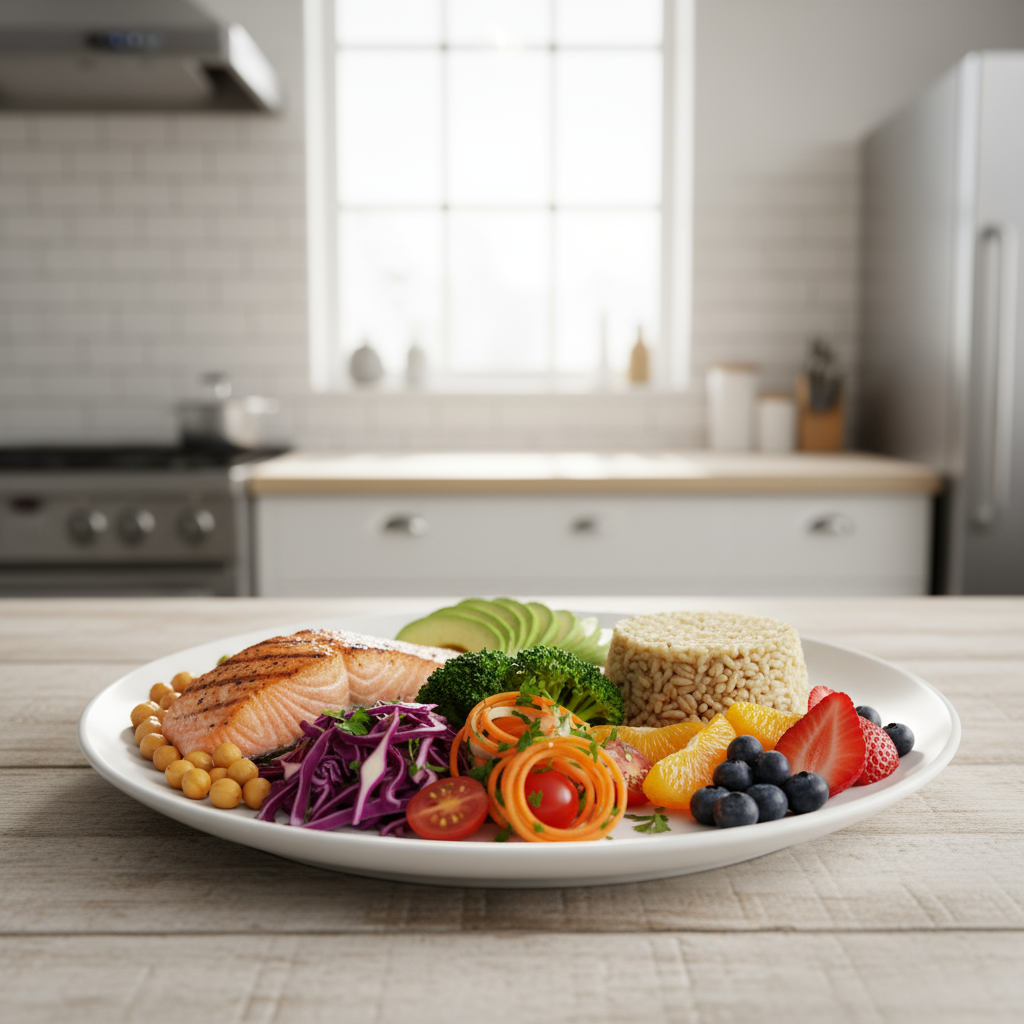
Now let’s talk about the smaller stuff that packs a big punch—micronutrients. Iron keeps oxygen flowing and brains sharp. Calcium builds those strong bones and teeth (you know, the ones they’ll use to bite everything in sight). Vitamin D? It’s like calcium’s best friend, helping it do its job while boosting the immune system. Here’s the thing about kids and nutrition—they need variety. Lots of it. The more colorful their plate, the better. And don’t forget about water! Even babies need to stay hydrated. Want to make sure you’re hitting the calcium targets? Take a look at daily calcium intake recommendations for some solid guidance. Trust me, proper hydration helps with everything from digestion to keeping those little bodies at the right temperature.
Key Aspects of Nutritional Needs in Early Childhood
When it comes to feeding young kids right, there are four big things you need to nail:
- Macronutrients Balance: Your child needs all three—proteins, carbs, and fats. Think lean meats, whole grains, and healthy oils like avocado or olive oil. It’s not about cutting anything out; it’s about getting the right mix.
- Micronutrient Sufficiency: Load up on iron-rich foods like beans and fortified cereals. Dairy products or alternatives for calcium. And vitamin D from sunshine (when possible) or supplements when it’s not.
- Hydration Importance: Keep those little bodies well-watered with good old H2O, milk, and the occasional appropriate juice. Dehydrated kids are cranky kids—and nobody wants that.
- Food Variety and Quality: Here’s where it gets fun. Fruits, vegetables, whole grains, proteins—mix it up! You’re not just feeding their bodies; you’re training their taste buds and building lifelong habits.
Get these four things right, and you’re setting your child up for success. Strong muscles, sharp brains, robust immune systems—the whole package. Plus, you’ll spot any red flags early if something’s not working as it should.
Treatment and Intervention for Nutritional Issues
Sometimes, despite your best efforts, things go sideways nutritionally. Maybe your little one is a picky eater. Maybe they’re not growing as expected. Don’t panic—this happens, and it’s fixable. The first step? Look at what’s actually going on the plate. Often, it’s about making smarter swaps rather than complete overhauls. More fruits and veggies, better quality grains, fortified foods that sneak nutrition into familiar favorites. If meal planning feels overwhelming (and honestly, when doesn’t it?), these tips for meal planning can save your sanity and your child’s nutrition.
But what if food alone isn’t cutting it? That’s where supplements come in. Iron-deficiency anemia in toddlers is more common than you’d think. Same with vitamin D deficiency, especially if you live somewhere that doesn’t see much sun. Here’s the crucial part: don’t go rogue with supplements. You wouldn’t give your child random medications, right? Same rule applies here. Too much of a good thing can actually be harmful. Work with your pediatrician or a nutritionist. They’ll test, assess, and create a plan that’s specific to your child’s needs. Because every kid is different, and what works for your neighbor’s child might not work for yours.
Key Aspects of Treatment and Intervention
Fixing nutritional issues isn’t rocket science, but it does require a game plan:
- Dietary Adjustments and Food Choices: Start with real food first. Lean proteins, colorful vegetables, fortified grains—these aren’t just trendy; they work. Small changes often yield big results.
- Appropriate Use of Supplements: Iron, calcium, vitamin D—these might be necessary, but only when a healthcare provider says so. Professional guidance prevents dangerous mistakes and ensures you’re actually solving the problem.
- Professional Guidance and Monitoring: Your pediatrician isn’t just there for sick visits. They can track growth patterns, spot nutritional gaps early, and adjust plans as your child grows and changes.
- Establishing Healthy Eating Habits: This is the long game. Regular meals, variety, balance—you’re not just fixing today’s problems; you’re preventing tomorrow’s. Think of it as an investment in your child’s future health.

So here we are—we’ve covered a lot of ground when it comes to feeding your little one right during those crucial first five years. The truth is, getting the balance of proteins, carbs, and fats isn’t just about keeping them full (though that’s important too!). It’s about giving their growing bodies and developing brains exactly what they need to thrive. And let’s not forget those micronutrients—iron, calcium, vitamin D, and all the rest. Think of them as the behind-the-scenes workers keeping everything running smoothly: strong bones, sharp minds, and immune systems that can actually fight off those daycare germs. Oh, and water? Sometimes the simplest things matter most. A well-hydrated toddler is generally a happier toddler.
Now, here’s something every parent should know: spotting trouble early makes all the difference. You know your child best, so trust those instincts when something feels off. Maybe they’re not growing like they should, getting sick more often than seems normal, or just seem tired and cranky all the time. These aren’t just “phases”—they could be telling you something important about their nutrition. The good news? Most of these issues are totally fixable. Sometimes it’s as simple as tweaking their diet, and other times you might need a pediatrician’s help with supplements. Either way, catching these things early means you can get back on track before any real damage is done.
Ready to put all this into action? Start with something manageable—like creating a healthy nutrition plan that actually works for your family’s real life (not some Pinterest-perfect fantasy). And if you want to dig deeper into specific nutrients, the benefits of omega-3 fatty acids are worth understanding—your child’s brain will thank you later. Speaking of brain power, there are specific foods that improve brain function and honestly, some of them might surprise you. Don’t try to overhaul everything overnight, though. Work with your pediatrician to create a plan that makes sense for your specific situation.
Look, I get it—feeding kids can feel overwhelming sometimes. But here’s the thing: every small step you take today is building something bigger. Those nutritious meals you’re preparing? They’re not just filling little bellies—they’re creating stronger bodies, sharper minds, and immune systems that’ll serve your child well into adulthood. Be patient with yourself (and with them—we all know how toddlers feel about new foods). When you need help, ask for it. And if you’re looking for practical ways to make this all work in real life, our guide on tips for meal planning has some genuinely useful ideas that don’t require a culinary degree. You’re giving your child one of the best possible starts in life, and that’s something to feel good about.
Frequently Asked Questions
-
What are the most important nutrients for early childhood development?
- Proteins, essential vitamins like A and D, and minerals such as iron and calcium are critical for growth and brain development during early childhood.
-
How can I tell if my child is not getting enough nutrition?
- Signs include physical symptoms like delayed growth and frequent illness, as well as behavioral changes such as irritability and difficulty concentrating.
-
When should I consider supplements for my child?
- Supplements should be considered when dietary intake is insufficient or if a healthcare professional diagnoses a specific deficiency.
-
How can I encourage my child to eat healthily?
- Provide a variety of nutritious foods, model healthy eating behaviors, and create positive mealtime experiences to encourage healthy habits.
-
When is it necessary to see a doctor about my child’s nutrition?
- Consult a healthcare provider if you notice signs of nutritional deficiencies, growth delays, or other health concerns related to your child’s diet.