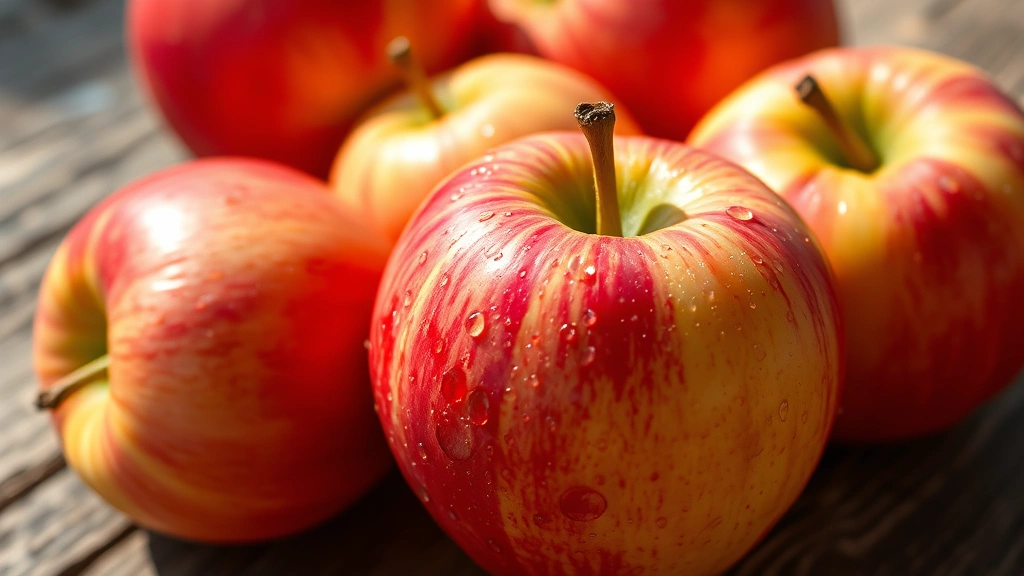
Gala Apples Nutrition Facts: Dietitian Insights
Gala apples have become one of the most popular fruit choices in North America, beloved for their sweet flavor and crisp texture. But beyond their delicious taste, these vibrant red and yellow fruits pack a nutritional punch that makes them a smart addition to any healthy nutrition plan. Dietitians consistently recommend gala apples as a convenient, whole-food option that delivers measurable health benefits without requiring extensive preparation or cooking.
Whether you’re seeking to understand the specific nutrients pathway of this beloved fruit or looking to optimize your daily fruit intake, this comprehensive guide breaks down the nutrition in gala apples from multiple angles. We’ll explore what makes these apples nutritionally valuable, how they compare to other varieties, and practical ways to incorporate them into your wellness routine.

Complete Nutritional Breakdown of Gala Apples
A medium-sized gala apple, weighing approximately 182 grams, contains roughly 95 calories, making it an exceptionally nutrient-dense food relative to its caloric load. This calorie profile makes gala apples particularly valuable for individuals focused on nutrition for weight gain management or maintaining a caloric deficit for weight loss.
The macronutrient composition of gala apples reveals why nutritionists recommend them so frequently:
- Carbohydrates: Approximately 25 grams per medium apple, primarily from natural sugars and fiber
- Dietary Fiber: 4.4 grams, representing about 18% of the daily recommended intake
- Protein: 0.5 grams, minimal but present
- Fat: 0.3 grams, negligible amount
- Water Content: Approximately 86%, contributing to satiety and hydration
Beyond macronutrients, gala apples deliver an impressive array of micronutrients. A single medium apple provides 10% of the daily recommended vitamin C intake, supporting immune function and collagen synthesis. They also contain vitamin K, essential for bone mineralization and blood clotting mechanisms, along with small amounts of B vitamins that facilitate energy metabolism.
Mineral content includes potassium (195 mg per medium apple), crucial for cardiovascular regulation and cellular function, manganese for bone development and metabolic processes, and copper for iron metabolism. These minerals work synergistically to support multiple physiological systems simultaneously.

Fiber Content and Digestive Health Benefits
The fiber content in gala apples deserves particular attention from a dietitian perspective. The 4.4 grams of fiber found in a medium gala apple includes both soluble and insoluble varieties, each serving distinct physiological functions.
Soluble fiber, primarily in the form of pectin, dissolves in water to create a gel-like substance in the digestive tract. This mechanism slows gastric emptying, prolonging satiety and moderating blood sugar spikes after meals. Research demonstrates that pectin consumption correlates with improved cholesterol profiles, as the fiber binds to cholesterol particles and facilitates their elimination through the digestive system.
Insoluble fiber remains largely intact through digestion, adding bulk to stool and promoting regular bowel movements. This type of fiber feeds beneficial gut bacteria, supporting a diverse microbiome that increasingly appears central to overall health outcomes. The prebiotic effect of gala apple fiber may enhance production of short-chain fatty acids like butyrate, which nourish intestinal cells and reduce inflammation.
Dietitians emphasize consuming gala apples with their skin intact, as the skin contains approximately 50% more fiber than the flesh alone. Additionally, the peel houses concentrated amounts of quercetin and other phenolic compounds that amplify the fruit’s anti-inflammatory potential.
For individuals managing digestive conditions like irritable bowel syndrome or inflammatory bowel disease, the gentle nature of gala apple fiber often proves well-tolerated compared to higher-fiber foods. The natural sweetness also makes them appealing for those transitioning away from processed foods toward whole-food nutrition patterns.
Antioxidants and Phytonutrient Profile
Beyond basic vitamins and minerals, gala apples contain numerous bioactive compounds that researchers increasingly recognize as central to their health benefits. These phytonutrients function as antioxidants, protecting cellular structures from oxidative damage caused by free radicals and metabolic byproducts.
The primary antioxidants in gala apples include:
- Quercetin: A flavonoid with documented anti-inflammatory and antihistamine properties. Studies suggest quercetin may reduce allergy symptoms and support immune regulation.
- Catechin: A polyphenol associated with improved metabolic function and potential cognitive benefits.
- Chlorogenic acid: Linked to reduced oxidative stress and improved insulin sensitivity in preliminary research.
- Anthocyanins: The pigments responsible for the red coloring, with antioxidant and cardioprotective properties.
The concentration of these compounds varies slightly between gala apple samples based on growing conditions, soil composition, and harvest timing. Apples grown in regions with greater temperature variation and sunlight exposure typically develop higher phytonutrient concentrations as defensive mechanisms.
These antioxidants work through multiple mechanisms to support health. They neutralize free radicals directly, modulate cellular signaling pathways that regulate inflammation, and activate endogenous antioxidant enzyme systems. The cumulative effect appears to reduce chronic disease risk, particularly for conditions involving inflammatory components like cardiovascular disease and certain cancers.
Gala vs. Other Apple Varieties: Nutritional Comparison
While all apples offer nutritional benefits, specific varieties possess distinct nutritional profiles worth understanding. Gala apples occupy an interesting position within the apple spectrum, offering characteristics that appeal to both nutrition-conscious consumers and those prioritizing taste.
Compared to Granny Smith apples, galas contain slightly higher natural sugar content (approximately 19g per medium apple versus 15g), contributing to their sweeter flavor profile. However, Granny Smith apples contain marginally more fiber and maintain higher acidity that may provide additional benefits for blood sugar management. The tartness of Granny Smith apples also makes them excellent for individuals seeking to reduce added sugar consumption elsewhere in their diet.
Honeycrisp apples, while delicious, contain similar macronutrient profiles to galas but often feature higher price points without corresponding nutritional advantages. From a dietitian perspective, gala apples offer superior value proposition when considering nutrition per dollar spent.
Compared to fruits like nutrition facts about avocados, gala apples provide dramatically different nutrient matrices. While avocados excel in healthy fat and micronutrient density, galas offer superior fiber relative to caloric content and greater convenience for portable consumption. The ideal approach involves incorporating diverse fruits into your eating pattern, leveraging the unique benefits each provides.
Red Delicious apples, once America’s favorite, contain similar nutrient profiles to galas but have largely fallen from favor due to mealy texture and declining taste quality in commercial cultivation. Fuji apples offer comparable nutrition with slightly firmer flesh and extended storage capability, making them viable alternatives when galas prove unavailable.
Weight Management and Metabolic Support
The nutritional composition of gala apples makes them particularly valuable for weight management strategies. The combination of fiber, water content, and relatively low caloric density creates a food that promotes satiety while maintaining metabolic health.
The satiety mechanism operates through multiple pathways. Fiber slows gastric emptying, maintaining fullness sensations longer after consumption. The water content contributes volume with negligible calories, expanding stomach contents and triggering stretch receptors that signal satiation to the brain. Natural sugars provide taste satisfaction that reduces cravings for processed sweets, while the act of chewing requires effort that some research suggests amplifies satiety signals.
Gala apples’ carbohydrate profile deserves specific attention from a metabolic perspective. While they contain natural sugars, the accompanying fiber moderates the glycemic response, preventing the rapid blood sugar spikes and subsequent crashes that characterize refined carbohydrate consumption. The glycemic index of gala apples ranges from low to medium depending on ripeness and individual digestive factors, making them appropriate for most metabolic profiles including those managing diabetes or prediabetes.
Regular gala apple consumption correlates with improved insulin sensitivity in observational studies, suggesting potential metabolic benefits beyond simple calorie reduction. The polyphenols present may enhance glucose uptake in muscle tissue and reduce hepatic glucose production, supporting more stable energy levels throughout the day.
For individuals pursuing sustainable weight loss rather than rapid restriction, gala apples provide nutritional density that supports satiety without requiring portion control as stringent as less nutritious alternatives. The practical reality that most people can maintain long-term dietary changes when foods satisfy both nutritionally and palatably makes gala apples valuable tools in evidence-based weight management.
Heart Health and Cardiovascular Benefits
Cardiovascular disease remains the leading cause of mortality globally, making dietary strategies that reduce risk particularly valuable. Gala apples contribute to heart health through multiple mechanisms that dietitians recognize as evidence-based and substantial.
The soluble fiber pectin directly impacts cholesterol metabolism. By binding to cholesterol particles in the digestive tract, pectin reduces the amount available for absorption, lowering circulating LDL cholesterol. Regular apple consumption (typically defined as one or more daily) associates with reductions in LDL cholesterol ranging from 3-16% in clinical studies, an effect comparable to some pharmaceutical interventions.
Beyond cholesterol management, the polyphenol content supports vascular health through multiple mechanisms. Quercetin demonstrates anti-inflammatory properties that reduce arterial inflammation, a key mechanism in atherosclerosis development. Anthocyanins improve endothelial function, enhancing the ability of blood vessel lining to regulate blood flow and maintain appropriate vascular tone.
The potassium content (195 mg per medium apple) contributes to blood pressure regulation through mechanisms involving sodium-potassium pump function and vascular smooth muscle relaxation. While a single apple provides modest potassium, regular consumption as part of a broader nutrition and mental health approach contributes meaningfully to adequate intake.
Observational studies tracking large populations over extended periods demonstrate that apple consumption associates with reduced cardiovascular event risk. A meta-analysis of prospective cohort studies found that consuming one additional apple daily correlated with approximately 3-4% reduction in cardiovascular mortality risk, a clinically meaningful effect when applied across populations.
The anti-inflammatory effects of gala apples extend beyond direct vascular benefits. Systemic inflammation represents an independent cardiovascular risk factor, and regular consumption of polyphenol-rich foods like gala apples reduces inflammatory biomarkers including C-reactive protein and interleukin-6.
Practical Incorporation Into Your Diet
Understanding the nutritional benefits of gala apples means little without practical strategies for consistent consumption. Successful dietary change requires removing barriers to access and consumption while amplifying convenience and palatability.
Storage and Selection: Choose gala apples with firm flesh and vibrant coloring, avoiding those with soft spots or bruising. Store in refrigerator crisper drawers where they maintain quality for two to three weeks. The cool temperature slows ripening and ethylene gas production, extending usable lifespan compared to room temperature storage.
Portable Consumption: Gala apples’ natural sweetness and portable nature make them ideal for on-the-go snacking. Pack whole apples in lunch containers or bags for convenient access during work or travel. The natural protective skin eliminates need for special packaging or preparation.
Pairing Strategies: Combine gala apples with protein sources to amplify satiety and moderate blood sugar response. Pair with nuts, nut butters, cheese, or seeds to create balanced snacks that maintain stable energy levels. The natural sweetness complements savory elements, making apples versatile components in both sweet and savory preparations.
Preparation Methods: While whole consumption maximizes fiber intake, gala apples work well in salads, smoothie bowls, or lightly cooked preparations. If making applesauce, retain skin when possible to preserve fiber and phytonutrient content. Avoid adding significant sugar when preparing apple dishes, as the natural sweetness typically suffices.
Frequency Recommendations: Dietitians generally recommend one or more apples daily as part of broader fruit consumption guidelines. The “apple a day” adage reflects evidence-based nutrition wisdom, though optimal intake varies based on individual caloric needs and overall dietary patterns.
Individual Considerations: Those with sensitive teeth should consume gala apples mindfully, as natural acids can erode enamel with repeated exposure. Rinsing mouth with water afterward mitigates this risk. Individuals taking certain medications should consult healthcare providers, as grapefruit interactions don’t apply to apples, but medication-nutrient interactions occasionally arise with other compounds.
Frequently Asked Questions
How many calories are in a gala apple?
A medium gala apple (approximately 182 grams) contains roughly 95 calories, making it an exceptionally calorie-efficient food relative to its nutrient density and satiety-promoting properties.
Do gala apples contain pesticide residues?
Gala apples appear on the Environmental Working Group’s “Dirty Dozen” list, indicating they may carry pesticide residues. Consumers concerned about pesticide exposure can purchase organic varieties or wash conventional apples thoroughly under running water before consumption.
Are gala apples suitable for diabetic diets?
Yes, gala apples’ moderate glycemic index and substantial fiber content make them appropriate for most diabetic meal plans. The fiber moderates blood sugar response, and the natural sweetness satisfies sweet cravings without requiring processed alternatives. Individual responses vary, so monitoring blood sugar response when incorporating apples proves wise.
Can gala apples aid weight loss?
Gala apples support weight loss through multiple mechanisms including high satiety relative to caloric content, fiber promoting fullness, and natural sweetness reducing processed food cravings. However, weight loss requires overall caloric balance, so apples function as supportive tools within broader dietary strategies rather than standalone solutions.
How do gala apples compare nutritionally to apple juice?
Whole gala apples contain significantly more fiber than apple juice, as processing removes much of the pulp and skin where fiber concentrates. Additionally, juice consumption provides no chewing resistance, reducing satiety signals compared to whole fruit. Dietitians recommend whole apples over juice for maximum nutritional benefit.
Should gala apple skin be consumed?
Yes, consuming gala apple skin maximizes nutritional benefit, as the skin contains approximately 50% more fiber and concentrated phytonutrient content compared to flesh alone. Simply rinse apples thoroughly before consumption, or purchase organic varieties to minimize pesticide exposure concerns.
How do gala apples support gut health?
The soluble and insoluble fiber in gala apples functions as prebiotic material, feeding beneficial gut bacteria and promoting a diverse microbiome. This fermentation produces short-chain fatty acids like butyrate that nourish intestinal cells and reduce inflammation throughout the digestive tract.
Can gala apples interact with medications?
Unlike grapefruit, gala apples don’t significantly inhibit cytochrome P450 enzymes involved in medication metabolism. However, individuals taking anticoagulants should maintain consistent vitamin K intake, and since gala apples contain modest vitamin K amounts, maintaining consistent consumption proves important if already established in dietary patterns.
What is the best time to eat gala apples?
Gala apples can be consumed any time, though many dietitians recommend consuming them with meals or as snacks paired with protein sources to maximize satiety and moderate blood sugar response. Consuming apples before meals may reduce overall caloric intake by promoting fullness.


