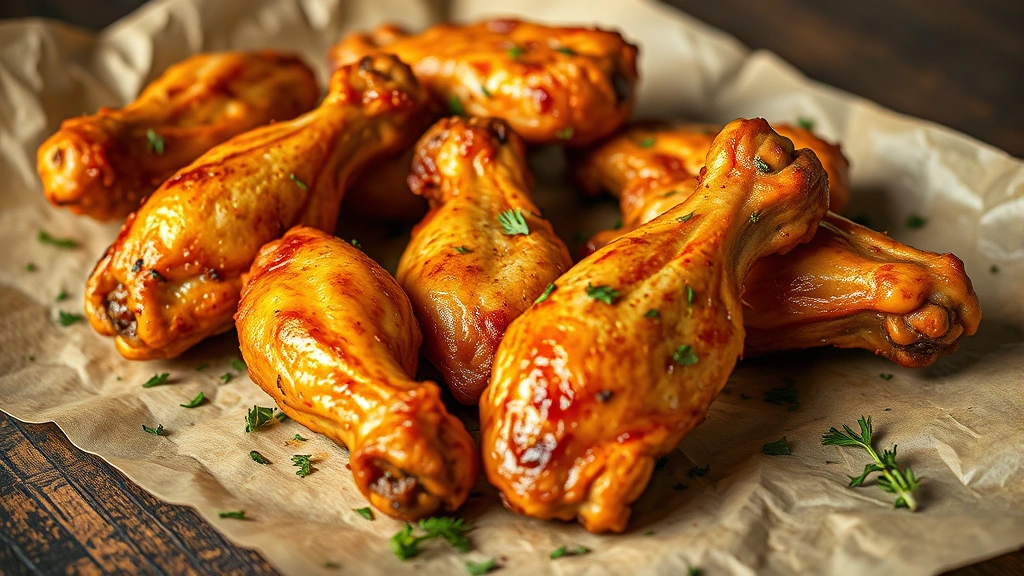
Are Chicken Wings Nutritious? Expert Analysis of Nutrition Info
Chicken wings have become a cultural staple in America, from sports bars to family gatherings. Yet their nutritional reputation remains polarized—some view them as indulgent junk food, while others recognize their protein-dense composition. The truth lies somewhere in between, and understanding the actual nutrition info chicken wings provide requires moving beyond assumptions and examining the science. This comprehensive analysis breaks down the nutritional profile of chicken wings, explores preparation methods that impact their healthfulness, and reveals how they can fit into a balanced diet when approached strategically.
The debate over chicken wings’ nutritional value has intensified as Americans consume billions of wings annually. According to research from the Pew Research Center, eating patterns have shifted dramatically toward convenience foods and restaurant meals. Chicken wings represent a fascinating case study: they’re technically poultry, yet preparation methods often obscure their inherent nutritional benefits. Whether wings deserve a place in your diet depends entirely on how they’re prepared, portioned, and integrated into your overall eating strategy.

Nutritional Breakdown of Chicken Wings
A standard serving of chicken wings—typically three medium wings weighing about 85 grams—contains approximately 245 calories when cooked with skin. This baseline figure changes dramatically based on preparation method, but it establishes an important reference point. The macronutrient distribution reveals why wings generate such mixed nutritional opinions: roughly 26 grams of protein, 15 grams of fat, and zero carbohydrates per serving.
The protein content in chicken wings comes primarily from muscle tissue, making them legitimate protein sources. However, the fat component deserves scrutiny. Wings contain both saturated and unsaturated fats, with the skin accounting for approximately 60% of total fat content. This distinction matters significantly when evaluating whether wings fit into your healthy nutrition plan. The bone-to-meat ratio also affects nutritional density—wings provide less usable protein per ounce compared to chicken breasts, though they deliver more collagen and minerals from the bone structure.
Micronutrient analysis shows that chicken wings provide B vitamins, particularly niacin and B6, which support energy metabolism. They contain selenium, phosphorus, and zinc—minerals essential for immune function and bone health. Interestingly, the nutrients pathway through chicken wings differs from leaner poultry cuts because fat-soluble vitamins concentrate in fatty tissues. Wings provide vitamin D when exposed to sunlight during farming, though commercial production typically yields minimal amounts.

Protein Content and Muscle Building
Chicken wings deliver approximately 26 grams of high-quality, complete protein per 85-gram serving. This protein contains all nine essential amino acids required for muscle protein synthesis, making wings viable for strength training and athletic performance. The amino acid profile includes significant leucine content, which triggers mTOR signaling pathways crucial for muscle growth and repair.
For individuals pursuing resistance training or athletic goals, wings can contribute meaningfully to daily protein requirements. A 150-pound person aiming for 100 grams of daily protein could obtain 26 grams from a three-wing serving, representing a substantial contribution. The bioavailability of chicken protein approaches 95%, meaning your body absorbs and utilizes nearly all consumed amino acids effectively. This efficiency explains why poultry ranks among nutritionists’ preferred protein sources across dietary philosophies.
The collagen present in wing skin and connective tissue offers additional benefits beyond basic amino acids. Collagen provides glycine, proline, and hydroxyproline—amino acids that support joint health, skin elasticity, and gut integrity. Some evidence suggests that regular collagen consumption may reduce joint pain in individuals with osteoarthritis, though research remains ongoing. This distinction elevates wings slightly above boneless, skinless breast meat from a nutritional complexity perspective.
Fat Content and Caloric Density
The fat content in chicken wings represents the primary nutritional concern for health-conscious consumers. At 15 grams of fat per 85-gram serving, wings derive approximately 55% of their calories from fat. This density exceeds lean poultry options like skinless breast meat, which contains only 3-4 grams of fat per serving. The question becomes whether this fat profile creates genuine health risks or merely represents a caloric trade-off.
Breaking down the fat composition reveals nuance. Chicken wings contain roughly 4 grams of saturated fat, 6 grams of monounsaturated fat, and 3 grams of polyunsaturated fat per serving. The saturated fat content does elevate LDL cholesterol markers in some individuals, though the relationship between dietary saturated fat and cardiovascular disease has become increasingly complex in recent research. The monounsaturated fat profile resembles olive oil’s beneficial composition, while polyunsaturated fats include omega-6 linoleic acid.
Caloric density matters for weight management strategies. At 245 calories per three-wing serving, wings pack substantial energy into relatively small portions. This density can facilitate overeating if portion awareness lapses, particularly when wings arrive sauced or fried. However, the satiety factor—the ability to maintain fullness—tends to be high due to protein and fat content, potentially supporting appetite regulation better than lower-fat alternatives. Research from NIH databases indicates that protein-rich, fat-containing foods produce stronger satiety signals than lean proteins alone.
The caloric impact of preparation cannot be overstated. Deep-fried wings absorb oil, adding 50-100 additional calories per serving compared to baked preparations. Sauce application adds carbohydrates and sodium but negligible calories in most cases. These variables mean that identical wings prepared differently can range from reasonably healthful to calorie-dense indulgences.
Preparation Methods That Matter
How chicken wings are prepared fundamentally transforms their nutritional profile. Baking, grilling, or air-frying wings with minimal oil maintains the inherent protein benefits while keeping calorie counts reasonable. Baked wings at 400°F for 25-30 minutes produce crispy skin with approximately 245 calories per serving, identical to the baseline. This method preserves nutrients while avoiding excess oil absorption.
Deep-frying represents the opposite extreme. Commercial deep-frying at 350°F for 10-12 minutes results in wings absorbing 20-30 grams of oil per pound, dramatically increasing caloric content to roughly 300-350 calories per three-wing serving. Restaurant preparations often employ this method, partly because it produces superior texture and flavor, partly because it’s efficient at volume. The hydrogenation and repeated heating of commercial frying oils introduces trans fats and oxidized lipids—compounds associated with inflammation and cardiovascular stress.
Air-frying has emerged as a compromise solution, producing crispy texture using 95% less oil than traditional frying. Air-fried wings contain approximately 200 calories per serving, reducing the caloric burden while maintaining palatability. The Maillard reaction—the browning process creating complex flavors—occurs effectively in air fryers without requiring oil submersion.
Sauce selection dramatically impacts nutritional outcomes. Buffalo sauce (typically hot sauce and butter) adds minimal calories but significant sodium. BBQ sauce introduces 5-10 grams of added sugars per serving. Ranch dipping sauce contributes saturated fat and additional calories. Dry rubs using herbs, spices, and minimal salt provide flavor with negligible caloric addition, making them the nutritionally optimal choice for wings prepared at home.
Grilling wings over charcoal or gas represents another preparation option with distinct nutritional implications. Direct high heat can create compounds called heterocyclic amines (HCAs) and polycyclic aromatic hydrocarbons (PAHs) when meat reaches very high temperatures. Marinating before grilling, using moderate heat, and avoiding charring reduces HCA formation. Grilled wings contain similar calories to baked versions while offering superior flavor that may reduce reliance on calorie-heavy sauces.
Comparing Wings to Other Proteins
Evaluating chicken wings’ nutritional merit requires comparison with alternative protein sources. A 3-ounce serving of skinless chicken breast contains 165 calories and 31 grams of protein with only 3.6 grams of fat. This comparison makes breast meat appear nutritionally superior for protein-to-calorie ratios and saturated fat content. However, this comparison omits context.
Ground beef (85% lean) provides 215 calories and 22 grams of protein per 3-ounce serving, with 12 grams of fat. Wings fall between breast meat and ground beef on the nutritional spectrum, offering better satiety than breast meat while maintaining reasonable caloric density. Comparing to fatty fish like salmon, which contains 280 calories and 25 grams of protein with 17 grams of fat, wings appear nutritionally comparable while offering better affordability.
The nutrition facts about avocados reveal interesting contrasts. A medium avocado contains 240 calories, 3 grams of protein, and 22 grams of fat. While nutritionists celebrate avocados’ monounsaturated fat profile, the caloric density and protein content make wings arguably superior for muscle-building objectives. This comparison illustrates how nutritional superiority depends entirely on dietary goals.
Pork chops (bone-in) offer 280 calories per 3-ounce serving with 25 grams of protein and 17 grams of fat. Turkey wings provide virtually identical nutrition to chicken wings, though slightly larger bone-to-meat ratios make chicken wings marginally more efficient. The comparison suggests that wings occupy a reasonable position within omnivorous protein hierarchies, neither exceptional nor problematic when prepared sensibly.
Incorporating Wings Into Healthy Eating
Strategic integration of chicken wings into overall dietary patterns can support health objectives when approached systematically. The first principle involves portion awareness. Treating wings as a complete protein source rather than a side dish means consuming 3-6 wings per meal rather than consuming 12-20 wings as appetizers or casual snacking. This distinction alone can prevent the caloric overage that gives wings their unhealthy reputation.
Pairing wings with nutrient-dense sides amplifies their nutritional contribution. Combining baked wings with roasted vegetables and whole grains creates a balanced meal with fiber, micronutrients, and sustained satiety. This approach aligns with tips for meal planning that emphasize plate composition over individual food demonization. A plate containing 3 wings (245 calories, 26g protein), 2 cups roasted broccoli (70 calories, 5g protein), and 1/2 cup brown rice (110 calories, 2.5g protein) totals 425 calories and 33.5 grams of protein while providing substantial fiber and micronutrients.
Frequency considerations matter significantly. Consuming wings twice monthly as a restaurant meal differs fundamentally from consuming wings twice weekly as a prepared home dish. The former allows for indulgence without derailing nutritional objectives, while the latter requires careful caloric accounting. For individuals following weight loss protocols, wings can fit within macronutrient budgets when portions remain controlled and preparation methods minimize added fats.
Individuals with specific health conditions should apply additional scrutiny. Those with elevated cholesterol may need to limit saturated fat intake, making skinless baked wings preferable to skin-on fried versions. People managing hypertension should avoid heavily sauced wings and limit sodium to 2,300mg daily. Those with gout or elevated uric acid should note that poultry increases purine intake, potentially triggering flare-ups. Consulting healthcare providers about wing consumption remains appropriate for these populations.
The psychological component of food enjoyment deserves consideration in nutritional science. Wings generate strong hedonic responses—satisfaction derived from flavor, texture, and social context. Completely restricting foods that produce pleasure often backfires through increased cravings and eventual overconsumption. Incorporating wings strategically, in controlled portions, with mindful preparation, may better support long-term dietary adherence than rigid elimination approaches.
Health Considerations and Moderation
The evidence supporting moderate wing consumption within balanced diets appears reasonable, though excess consumption carries documented risks. The American Heart Association recommends limiting saturated fat to 5-6% of daily calories (roughly 11-13 grams for 2,000 calorie diets). A single serving of wings provides 4 grams of saturated fat, leaving substantial room within daily budgets. This calculation suggests that 2-3 wing servings daily could fit within cardiovascular health guidelines for most individuals.
Sodium content warrants attention. A three-wing serving of plain baked wings contains approximately 75mg sodium, representing 3% of the 2,300mg daily recommendation. However, sauced wings can contain 300-500mg sodium per serving, significantly impacting daily totals. Individuals with hypertension should account for sauce sodium when evaluating wing consumption frequency.
The relationship between nutrition and mental health adds another dimension to wing consumption analysis. While individual foods rarely drive mental health outcomes, overall dietary patterns significantly impact mood, cognition, and psychological well-being. Restrictive approaches to eating often correlate with increased anxiety and disordered eating patterns. Incorporating enjoyed foods like wings in moderation may support psychological health through sustained dietary adherence and reduced anxiety about food choice.
Research from ScienceDirect indicates that dietary flexibility and food enjoyment predict better long-term health outcomes than rigid dietary adherence. This finding suggests that chicken wings can contribute to sustainable health approaches when integrated thoughtfully rather than eliminated categorically. The key involves conscious consumption rather than unconscious indulgence.
Individuals with specific health objectives should align wing consumption with those goals. Athletes pursuing muscle gain can consume wings regularly, prioritizing protein intake over fat concerns. Individuals managing type 2 diabetes should note that plain wings contain zero carbohydrates, making them compatible with low-carb approaches, though sauce selection matters. Those pursuing weight loss should track portions carefully, as wings’ caloric density can quickly exceed budgets during casual consumption.
The importance of dietary fiber for your health deserves mention in the context of wing consumption. Wings themselves contain no fiber, making them nutritionally incomplete without accompanying plant-based foods. Ensuring adequate fiber intake through vegetables, whole grains, and legumes becomes essential when wings constitute regular protein sources. This requirement reinforces the value of plate composition thinking—viewing meals as combinations of protein, vegetables, and whole grains rather than individual nutrients.
FAQ
Are chicken wings healthier than chicken breast?
Chicken wings contain more fat and fewer grams of protein per ounce than breast meat, making breast meat technically superior for protein-to-calorie ratios. However, wings provide superior satiety and contain collagen supporting joint health. Neither is inherently unhealthy; the choice depends on individual dietary objectives and preparation methods.
How many calories are in chicken wings?
Plain baked wings contain approximately 245 calories per three-wing serving (85 grams). This figure increases to 300-350 calories when deep-fried and varies with sauce application. Dry rub wings contain slightly fewer calories than sauced versions.
Can I eat chicken wings on a diet?
Yes, chicken wings can fit within weight loss diets when portions remain controlled and preparation methods minimize added fats. Baked or air-fried wings with dry rubs represent optimal choices. Limiting consumption to 3-6 wings per meal and pairing with vegetables ensures reasonable caloric intake.
What’s the best way to prepare chicken wings nutritionally?
Baking at 400°F, air-frying with minimal oil, or grilling over moderate heat represents optimal preparation methods. Avoid deep-frying and heavy sauces. Dry rubs using herbs and spices provide flavor without caloric addition. Marinating before cooking adds flavor while supporting food safety.
Do chicken wings have any nutritional benefits?
Chicken wings provide complete protein, B vitamins, selenium, phosphorus, and zinc. The skin and connective tissue contain collagen supporting joint and gut health. Wings deliver meaningful protein for muscle building and maintenance while maintaining reasonable satiety compared to leaner proteins.
How often can I eat chicken wings?
Consuming wings 1-2 times monthly as restaurant meals or 1-2 times weekly as home-prepared dishes fits within balanced nutritional approaches for most individuals. Frequency depends on overall dietary composition, health status, and fitness objectives. Those managing specific health conditions should consult healthcare providers about appropriate frequency.


