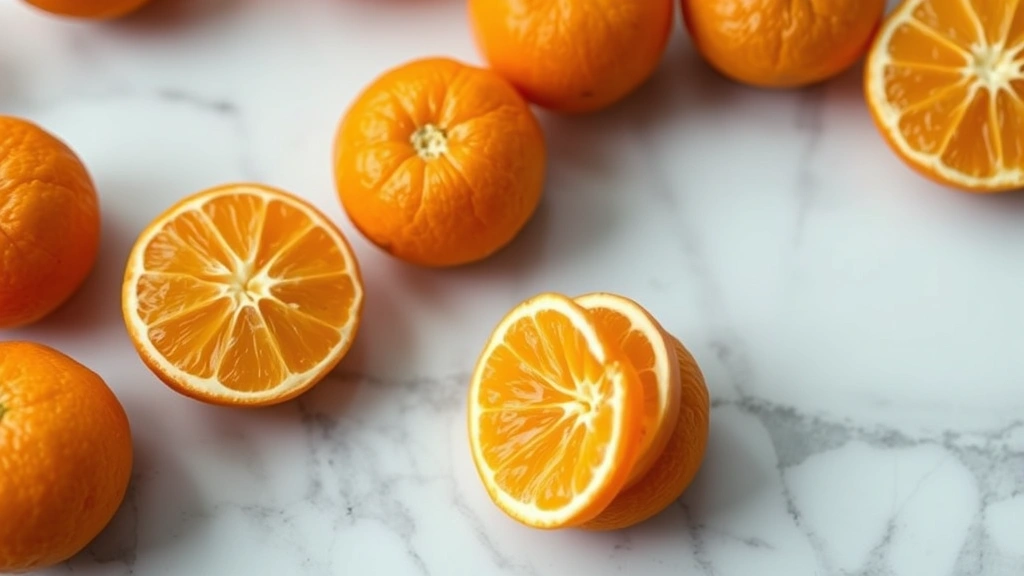
Cuties—those small, seedless mandarin oranges—have become a staple in lunchboxes, office snacks, and fruit bowls across North America. Their convenient size, natural sweetness, and easy-to-peel packaging make them appealing to busy families and health-conscious consumers. But beneath the marketing appeal lies an important question: are Cuties actually a nutritious choice, or are they simply a sugary convenience food dressed up in clever branding?
As a registered dietitian, I’m frequently asked about the nutritional value of popular snack foods, and Cuties consistently rank high on the inquiry list. The answer isn’t as straightforward as a simple yes or no. While Cuties offer genuine nutritional benefits—including vitamin C, fiber, and natural antioxidants—their sugar content and lack of protein or healthy fats require careful consideration. Understanding the complete nutritional profile helps you make informed decisions about whether Cuties fit your dietary goals and how to incorporate them strategically into a balanced eating plan.
This comprehensive analysis examines the nutritional science behind Cuties, compares them to other citrus options, and provides practical guidance for maximizing their health benefits while minimizing potential drawbacks. Whether you’re a parent seeking snack alternatives or an individual optimizing your healthy nutrition plan, this evidence-based exploration will clarify Cuties’ place in a balanced diet.
Nutritional Profile of Cuties
One medium Cutie (approximately 88 grams) contains roughly 47 calories, making it an exceptionally low-calorie snack option. This modest caloric load comes primarily from carbohydrates, with negligible amounts of fat and protein. The complete nutritional breakdown reveals:
- Calories: 47 per medium fruit
- Total Carbohydrates: 12 grams
- Natural Sugars: 9 grams
- Dietary Fiber: 1.6 grams
- Vitamin C: 26% of daily value
- Potassium: 6% of daily value
- Folate: 3% of daily value
- Protein: 0.7 grams
- Fat: 0.3 grams
These numbers reveal Cuties’ fundamental nutritional character: they’re essentially a delivery system for natural sugars and vitamin C, with minimal macronutrient diversity. The absence of protein and healthy fats means Cuties function best as part of a mixed snack or meal rather than as a standalone option. When examining the nutrition care manual standards for fruit servings, Cuties meet the definition of a whole fruit portion, but their nutritional incompleteness suggests they shouldn’t be your primary fruit choice at every meal.
The caloric efficiency is noteworthy for individuals managing weight or following calorie-restricted diets. Two Cuties contain only 94 calories, providing genuine satiety through natural fiber and water content (approximately 86% water by weight) without the caloric density of other snack options. However, this low-calorie profile shouldn’t overshadow the need for nutritional completeness in your overall dietary approach.
Sugar Content and Glycemic Impact
The most significant consideration when evaluating Cuties’ healthfulness is their sugar content. With 9 grams of naturally occurring sugars per medium fruit, Cuties contribute meaningfully to daily sugar intake. For context, the American Heart Association recommends no more than 25 grams of added sugars daily for women and 36 grams for men—though this guideline technically refers to added sugars rather than natural sugars found in whole fruits.
The distinction between added and naturally occurring sugars matters substantially. Natural sugars in whole fruits arrive packaged with fiber, water, and phytonutrients that moderate blood sugar response and provide satiety. Research published in Nutrients journal demonstrates that whole fruit consumption doesn’t significantly elevate diabetes risk, despite the natural sugar content, because the fiber component slows sugar absorption.
Cuties’ glycemic index (GI) is relatively low, approximately 42-48, meaning they produce a gradual rather than rapid blood sugar spike. This measured glycemic response results from the 1.6 grams of fiber present in each fruit, which slows carbohydrate digestion and absorption. For individuals managing diabetes or prediabetes, this makes Cuties a reasonable choice when consumed as part of a balanced meal or snack that includes protein or healthy fats.
However, consuming multiple Cuties without accompanying protein or fat can produce a more significant glycemic response. A study examining mandarin orange consumption found that eating three Cuties consecutively without other foods produced measurable blood glucose elevation in glucose-sensitive individuals. This reinforces the importance of strategic consumption patterns rather than viewing Cuties as unlimited snacking options.
Vitamin C and Antioxidant Benefits
Where Cuties genuinely excel nutritionally is in their vitamin C content. One medium Cutie provides 26% of the daily recommended value, delivering approximately 15.5 mg of this essential micronutrient. Vitamin C serves multiple physiological functions that justify emphasizing this benefit:
- Collagen synthesis and tissue repair
- Enhanced immune function and pathogen defense
- Iron absorption optimization from plant-based sources
- Powerful antioxidant activity protecting cells from oxidative damage
- Wound healing acceleration and skin health maintenance
The antioxidant profile of Cuties extends beyond vitamin C alone. These small oranges contain flavonoids, limonene, and other polyphenolic compounds that combat cellular oxidative stress—a key mechanism in aging and chronic disease development. Research from the Journal of the American College of Nutrition indicates that citrus consumption is associated with reduced inflammation markers and improved cardiovascular health outcomes.
For individuals following nutrition and mental health approaches, the antioxidant content deserves attention. Oxidative stress contributes to cognitive decline and mood disorders, and regular consumption of antioxidant-rich foods like Cuties may provide protective benefits. While Cuties shouldn’t replace targeted mental health interventions, their contribution to overall antioxidant intake supports comprehensive wellness strategies.
The vitamin C content also enhances iron absorption from concurrent meals, making Cuties particularly valuable when consumed alongside iron-rich foods like beans, lentils, or leafy greens. This synergistic effect amplifies the nutritional value beyond what the numbers alone suggest.
Fiber Content and Digestive Health
Each Cutie provides 1.6 grams of dietary fiber, contributing approximately 6% of the recommended daily intake. While this might seem modest, the fiber content plays an important role in digestive function and overall health. The fiber in Cuties exists primarily as soluble fiber, which offers distinct advantages:
- Prebiotic effects supporting beneficial gut bacteria growth
- Cholesterol reduction through bile acid binding
- Stable blood sugar maintenance via slowed carbohydrate absorption
- Satiety enhancement extending hunger suppression
- Improved digestive regularity and colon health
Soluble fiber ferments in the colon, producing short-chain fatty acids that nourish intestinal cells and provide systemic health benefits. Emerging research suggests adequate soluble fiber intake correlates with improved metabolic health markers, including insulin sensitivity and inflammatory profiles. For individuals interested in comprehensive tips for meal planning, including adequate fiber from diverse sources like Cuties supports long-term digestive resilience.
However, the relatively low fiber content means Cuties shouldn’t be relied upon as a primary fiber source. Adults require 25-35 grams of fiber daily, and consuming only Cuties would necessitate eating approximately 15-20 fruits to meet this target—an unrealistic and excessive sugar intake scenario. Cuties function best as one component of a fiber-rich diet that includes whole grains, legumes, nuts, and diverse vegetables.
The fiber-to-sugar ratio in Cuties (1.6g fiber to 9g sugar) is favorable compared to many processed snacks but less impressive than whole grains or legumes. This ratio underscores why Cuties work best within a balanced dietary framework rather than as standalone nutrition solutions.

Comparison with Other Citrus Fruits
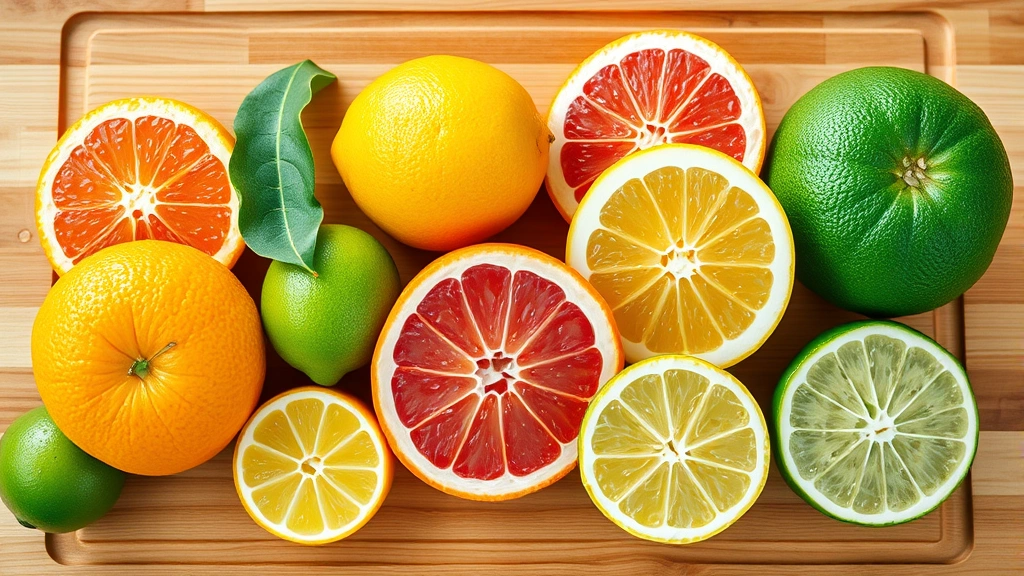
Understanding how Cuties compare to alternative citrus options provides valuable perspective for dietary decision-making. Each fruit offers distinct nutritional profiles worth considering:
Cuties vs. Regular Oranges: A medium navel orange (154g) contains 73 calories, 18g carbohydrates, and 14g sugars, compared to Cuties’ 47 calories, 12g carbohydrates, and 9g sugars. The larger orange provides more absolute vitamin C (82mg vs. 26mg in Cuties) despite higher total sugar content. For individuals prioritizing vitamin C intake, larger oranges offer superior value, though Cuties’ smaller size may better suit portion-control objectives.
Cuties vs. Grapefruits: A half medium grapefruit (123g) contains 52 calories and 13g carbohydrates with only 8g sugars—slightly lower sugar density than Cuties. Grapefruits excel in naringenin content, a flavonoid with documented metabolic benefits. However, grapefruits interact with numerous medications, making them inappropriate for many individuals taking statins, immunosuppressants, or other pharmaceutical interventions.
Cuties vs. Lemons/Limes: These citrus fruits are lower in sugar (6g per medium lemon) but also lower in overall nutrient density. They function best as flavor enhancers and acidic components rather than as primary fruit servings. Using lemon juice to flavor water or meals adds minimal calories while supporting hydration and antioxidant intake.
For nutrition for athletes, larger whole oranges often provide superior value due to higher absolute nutrient content and greater satiety from increased volume. However, Cuties’ convenient packaging and portion control make them attractive for active individuals managing multiple training sessions daily.
The key insight from this comparison is that no single citrus fruit represents the optimal choice for all contexts. Individual preferences, dietary goals, medication interactions, and specific nutritional priorities should guide selection. Cuties excel in convenience and portion control but shouldn’t monopolize your citrus intake to the exclusion of other options offering complementary nutritional benefits.
How Cuties Fit Into Meal Planning
Strategic incorporation of Cuties into your overall dietary pattern determines whether they contribute positively to health outcomes. Consider these evidence-based approaches:
As Part of Mixed Snacks: Pairing one Cutie with 1 ounce of nuts or cheese creates a balanced snack providing carbohydrates, fiber, protein, and healthy fats. This combination moderates blood sugar response, extends satiety, and delivers micronutrient diversity that Cuties alone cannot provide. The protein and fat components slow gastric emptying, meaning the natural sugars in the Cutie enter the bloodstream more gradually.
Post-Workout Nutrition: For athletes, a Cutie paired with a protein source or consumed within 30 minutes of exercise leverages the natural sugars for glycogen replenishment while the vitamin C supports post-exercise recovery and immune function. The carbohydrate-to-protein ratio isn’t ideal for serious athletes, but for casual exercisers, Cuties offer acceptable post-workout fuel.
Breakfast Incorporation: Adding a Cutie to breakfast alongside whole grains, protein, and healthy fats creates a nutrient-dense meal. The vitamin C enhances iron absorption from whole grain cereals or plant-based proteins, while the fruit’s natural sweetness may reduce the need for added sugars elsewhere in the meal.
Hydration Support: The high water content (86%) contributes to daily fluid intake, making Cuties particularly valuable in hot climates or for individuals struggling with adequate hydration. While water should remain the primary hydration source, the minerals in Cuties (particularly potassium) provide electrolyte replenishment that pure water doesn’t offer.
When developing a comprehensive nutrition strategy, Cuties should represent one component of diverse fruit intake rather than your exclusive fruit source. Rotating between Cuties, berries, apples, bananas, and seasonal fruits ensures exposure to varied phytonutrient profiles and prevents dietary monotony that might compromise long-term adherence.
Best Practices for Consumption
Maximizing Cuties’ nutritional benefits while minimizing potential drawbacks requires intentional consumption practices:
Consume With Protein or Fat: Never eat Cuties as a standalone snack if you’re managing blood sugar or seeking sustained energy. Always pair with nuts, seeds, cheese, yogurt, or other protein/fat sources. This combination principle applies especially to individuals with diabetes, prediabetes, or metabolic syndrome.
Limit Daily Quantity: While whole fruit rarely causes problems, consuming more than 2-3 Cuties daily without accompanying meals may contribute excessive natural sugars. For most adults, 1-2 Cuties daily fits comfortably within recommended fruit servings (2-4 cups daily depending on age and activity level).
Avoid Cutie Juice: While whole Cuties provide fiber and satiety, processed Cutie juice eliminates fiber, concentrates sugars, and removes the mechanical action of chewing that signals fullness. Juice consumption produces rapid blood sugar elevation without the metabolic benefits of whole fruit consumption. A 6-ounce serving of orange juice contains similar sugars to 2-3 whole Cuties but with only 0.5g fiber instead of 3-4.8g.
Brush Teeth Post-Consumption: The citric acid in Cuties temporarily softens tooth enamel. Waiting 30 minutes before brushing and rinsing with water immediately after consumption protects dental health. This practice matters especially for children with developing teeth and individuals prone to dental decay.
Choose Organic When Possible: Citrus fruits receive heavy pesticide applications during conventional cultivation. Organic Cuties eliminate this exposure without sacrificing nutritional value. The added cost is justified by reduced chemical burden, particularly for children who consume these fruits regularly.
Store Properly: Refrigeration extends Cutie shelf life while maintaining nutritional quality. Room temperature storage accelerates nutrient degradation, particularly vitamin C. Properly stored Cuties maintain peak nutritional value for 2-3 weeks refrigerated.
FAQ
Are Cuties suitable for diabetics?
Yes, in moderation as part of balanced meals. The natural sugars, fiber content, and low glycemic index make Cuties acceptable for most diabetics when consumed with protein or fat and in reasonable quantities (typically 1-2 fruits daily). Individuals should monitor personal blood glucose response, as individual variation exists. Consulting your healthcare provider or registered dietitian for personalized guidance is advisable.
Can children eat unlimited Cuties?
No. While Cuties are nutritious, unlimited consumption contributes excessive sugars and may displace other nutrient-dense foods. The American Academy of Pediatrics recommends 1-1.5 cups of fruit daily for children aged 2-3 years, and 1-2 cups for children aged 4-8 years. Limiting Cuties to 1-2 daily ensures adequate fruit intake without excessive sugar consumption. Pairing with protein sources extends satiety and moderates blood sugar response.
How do Cuties compare nutritionally to mandarin oranges in general?
Cuties are a specific mandarin orange variety bred for seedlessness and small size. Nutritionally, they’re comparable to other mandarin varieties, though exact values vary slightly based on growing conditions and harvest timing. The primary distinction is convenience and marketing rather than fundamental nutritional differences. Other mandarin varieties offer equivalent health benefits with similar sugar-to-fiber ratios.
Are Cuties better than candy or other processed snacks?
Absolutely. Cuties provide vitamins, minerals, fiber, and antioxidants that processed snacks lack. The natural sugars come packaged with nutritional benefits rather than empty calories. For individuals choosing between Cuties and candy, Cuties represent a vastly superior option. However, the optimal choice remains pairing Cuties with protein and healthy fats rather than consuming them exclusively.
Can Cuties support weight loss?
Cuties can support weight loss as part of a calorie-controlled diet. The low calorie density, high water content, and fiber provide satiety without excessive calories. However, weight loss ultimately depends on total caloric intake and expenditure. Cuties work best within a comprehensive strategy including adequate protein, whole grains, vegetables, and physical activity rather than as a standalone weight-loss solution.
Do frozen Cuties retain nutritional value?
Yes. Freezing halts enzymatic degradation and preserves most nutrients, particularly vitamin C. Frozen Cuties maintain nutritional value for 6-8 months when properly frozen. They work well in smoothies or as frozen snacks, though texture becomes softer upon thawing. Freezing doesn’t reduce nutritional benefit but may affect palatability for those preferring fresh texture.


