What’s in a McDouble? Nutritionist Explains the Complete Breakdown
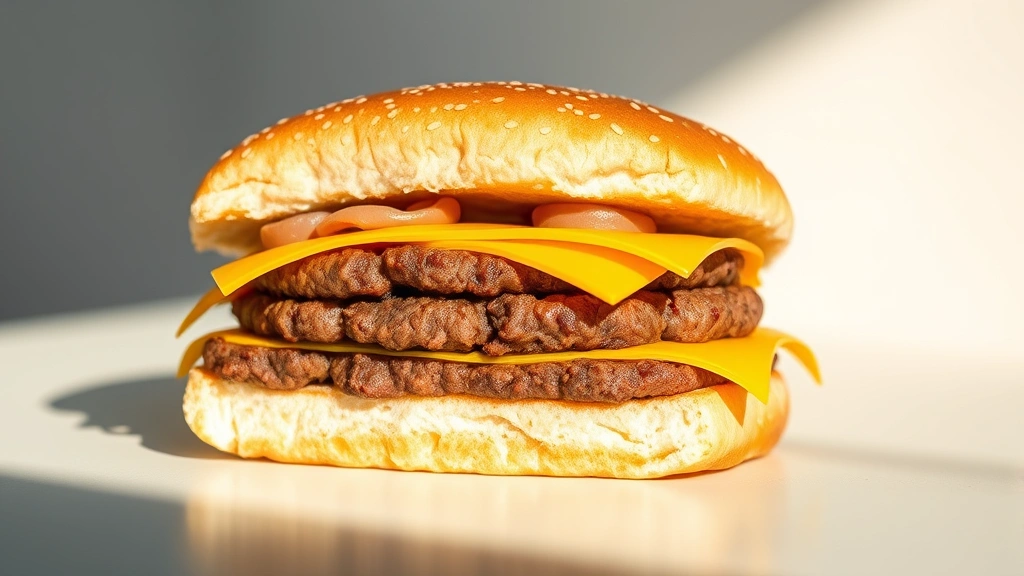
The McDouble has been a McDonald’s staple since 1997, offering consumers an affordable, quick protein-packed option that’s become synonymous with fast-food culture. But what exactly are you consuming when you bite into this iconic burger? Understanding the nutritional composition of popular fast-food items is essential for making informed dietary choices, especially if these meals appear regularly in your eating patterns. This comprehensive breakdown explores every ingredient, macronutrient, and micronutrient in a McDouble, helping you understand its place within a balanced diet.
Whether you’re a casual fast-food consumer, someone tracking macros for fitness goals, or simply curious about what you’re eating, knowing the details matters. The McDouble contains far more than just beef and bread—it’s a complex combination of ingredients that have specific nutritional implications. By examining this burger through a nutritionist’s lens, you’ll gain clarity on calories, sodium, saturated fat, and other key metrics that influence your health.
Total Caloric Content and Energy Density
A standard McDouble contains approximately 400 calories, making it a calorie-dense meal component that represents roughly 20% of a typical 2,000-calorie daily intake. This caloric load is significant because the burger itself provides energy primarily from fat and protein, with minimal contribution from fiber-rich carbohydrates. The energy density—calories per gram of food—is particularly high due to the fat content, which delivers nine calories per gram compared to four calories per gram from protein and carbohydrates.
For context, understanding caloric density matters when you’re considering portion sizes and meal composition throughout your day. A McDouble’s 400 calories might seem moderate in isolation, but when combined with typical fast-food sides like french fries and a beverage, a single meal easily surpasses 1,000 calories. This is why nutritionists emphasize evaluating fast-food choices within the broader context of daily eating patterns rather than judging individual items in isolation.
The caloric breakdown reveals that approximately 220 calories come from fat, 140 from protein, and 40 from carbohydrates. This macronutrient distribution skews heavily toward fat, which influences satiety, nutrient absorption, and overall metabolic processing. While protein is essential for muscle maintenance and recovery, the fat content—particularly saturated fat—warrants careful consideration for those monitoring cardiovascular health.
Macronutrient Breakdown: Proteins, Fats, and Carbohydrates
The McDouble delivers 22 grams of protein, which represents a meaningful contribution to daily protein requirements. For most adults, the recommended dietary allowance is 0.8 grams per kilogram of body weight, making the McDouble a legitimate protein source for those seeking quick nutrition. However, the protein quality and amino acid profile differ from whole-food sources like chicken breast or legumes, as processed beef contains additives and preservatives that alter nutritional bioavailability.
Fat content reaches 24 grams per burger, with approximately 10 grams classified as saturated fat. Saturated fat is the macronutrient most scrutinized by nutritionists and health organizations because excessive consumption correlates with elevated LDL cholesterol levels and increased cardiovascular disease risk. The American Heart Association recommends limiting saturated fat to 5-6% of daily calories, meaning a McDouble’s saturated fat content consumes roughly 15-20% of that daily allowance in a single item. Additionally, the burger contains approximately 1.5 grams of trans fat, which many nutritionists consider the most harmful type of dietary fat due to its inflammatory properties and association with metabolic dysfunction.
Carbohydrate content totals 11 grams, almost entirely from the bun and condiments. Notably, the McDouble provides minimal dietary fiber—approximately 0.5 grams—which limits its ability to support digestive health or provide sustained satiety. Understanding the importance of dietary fiber for your health becomes relevant when comparing this burger to whole-grain alternatives that could provide similar calories with superior fiber profiles.
The protein-to-carbohydrate ratio of roughly 2:1 creates a meal that supports muscle protein synthesis while minimizing blood sugar spikes. However, this benefit is offset by the high saturated fat content and the absence of micronutrient-dense ingredients like vegetables or whole grains that would enhance the nutritional profile.

” alt=”Nutritionist analyzing fast food burger components in laboratory setting with nutritional data visible on desk” />
Sodium Levels and Health Implications
Perhaps the most concerning macronutrient-adjacent element is sodium, with a McDouble containing approximately 950 milligrams of sodium. This represents 41% of the recommended daily sodium intake for adults (2,300 milligrams according to the FDA). For individuals with hypertension or those following sodium-restricted diets due to medical conditions, a single McDouble consumes a disproportionate share of daily allowance.
Excessive sodium consumption is linked to increased blood pressure, fluid retention, and cardiovascular strain. The sodium in a McDouble comes from multiple sources: the beef patties, the bun, the cheese, and the condiments and sauces. This distributed sourcing makes it difficult to reduce sodium without completely reformulating the burger. Nutritionists often highlight that fast-food items contribute significantly to Americans’ excessive sodium intake, with the average American consuming approximately 3,400 milligrams daily—nearly 50% above recommended levels.
The sodium-to-potassium ratio in a McDouble is also unfavorable from a nutritional standpoint. While sodium content is high, potassium—a mineral crucial for blood pressure regulation and cardiovascular health—is minimal. This electrolyte imbalance can affect fluid balance and contribute to cellular dysfunction if such meals appear frequently in one’s diet.
Micronutrients and Vitamins
Moving beyond macronutrients, the McDouble provides modest micronutrient contributions. The burger contains approximately 2.4 micrograms of vitamin B12, essential for nervous system function and red blood cell formation, primarily from the beef. Iron content reaches roughly 2.7 milligrams, contributing meaningfully to daily requirements, particularly for individuals at risk of iron deficiency.
However, the McDouble falls significantly short in several critical micronutrients. Vitamin C is essentially absent—the pickles and onions provide minimal quantities. Calcium content is approximately 200 milligrams (from cheese), representing about 20% of daily requirements. The burger lacks meaningful quantities of magnesium, zinc (beyond what’s in beef), and vitamins A, D, E, and K.
This micronutrient profile underscores why nutritionists recommend treating fast-food burgers as occasional components within a broader dietary pattern that includes nutrient-dense whole foods. The McDouble provides energy and some protein but lacks the phytonutrients, antioxidants, and diverse micronutrients found in whole-food alternatives. Learn more about crafting a healthy nutrition plan to ensure you’re eating well for life.
Additives and Processed Ingredients
Beyond the basic nutritional metrics, the McDouble’s ingredient list reveals numerous additives and processing agents. The beef patties contain sodium phosphate (a preservative and binder), sodium erythorbate (an antioxidant), and sodium nitrite (a curing agent). While these additives are FDA-approved and considered safe at current consumption levels, their cumulative effect across multiple processed foods throughout the day warrants consideration.
The bun contains various preservatives and dough conditioners, including calcium propionate and monoglycerides. These ingredients extend shelf life and improve texture but add minimal nutritional value. The cheese slice (typically processed American cheese rather than whole cheese) contains emulsifiers like sodium citrate that facilitate melting and consistency but represent further processing steps.
Condiments like ketchup and mustard add sugars and additional sodium. A single McDouble may contain 2-3 grams of added sugars from these sources alone, contributing to daily added sugar intake without providing corresponding micronutrients or satiety benefits.
Nutritionists increasingly emphasize that food quality extends beyond macronutrient and calorie counting to include ingredient sourcing, processing methods, and additive loads. While occasional consumption of processed foods fits within most dietary patterns, regular reliance on such items means consistently consuming additives that whole-food alternatives would eliminate.
How the McDouble Compares to Other Options
Understanding the McDouble’s nutritional profile gains clarity through comparison. A McDonald’s hamburger (single patty) contains 250 calories, 12 grams protein, and 9 grams fat, making it a lighter option with proportionally lower sodium and saturated fat. Conversely, a Big Mac (540 calories, 25 grams protein, 28 grams fat) exceeds the McDouble in most metrics while adding a third bun layer and special sauce.
Compared to other fast-food burger options, the McDouble sits in the moderate range. A Wendy’s Single contains 250 calories, while a Double contains 450 calories. Burger King’s Whopper reaches 660 calories. Within McDonald’s own menu, the McDouble represents a middle ground—more substantial than a basic hamburger but less extreme than premium burgers.
When compared to whole-food alternatives, the differences become more pronounced. A homemade burger with 93% lean ground beef, whole wheat bun, lettuce, tomato, and mustard would deliver similar protein (20-22 grams) at comparable calories but with significantly less sodium, no trans fat, increased fiber from the whole grain bun, and added micronutrients from the vegetables. The McDouble’s convenience comes at a nutritional trade-off.
For those seeking tips for meal planning, understanding these comparisons helps identify which fast-food choices offer better nutritional value when convenience is necessary.
Placing the McDouble in Your Daily Diet
The critical question isn’t whether a McDouble is inherently good or bad nutritionally, but rather how it fits within an individual’s total dietary pattern. For someone consuming 2,000 calories daily, a 400-calorie McDouble represents 20% of daily intake—manageable if other meals prioritize nutrient density. However, if someone regularly pairs the McDouble with french fries (320 calories) and a soda (140+ calories), a single meal exceeds 860 calories with minimal micronutrient diversity.
For individuals engaged in strength training or muscle-building protocols, the McDouble’s protein content (22 grams) becomes more relevant. Post-workout, when protein synthesis is elevated and anabolic hormones are responsive, a McDouble could serve as a quick protein source. However, the saturated fat content and absence of carbohydrates for glycogen replenishment make it suboptimal compared to alternatives like grilled chicken with rice.
Nutritionists also consider the psychological and practical dimensions. For shift workers, travelers, or individuals with limited cooking resources, the McDouble provides accessible calories and protein. Completely eliminating such foods often proves unsustainable and may lead to dietary rebellion. Instead, harm-reduction approaches—consuming the McDouble occasionally while building meals around whole foods—align with realistic, maintainable nutrition strategies.
The relationship between diet and broader health extends beyond individual meals. Research from Pew Research Center demonstrates that dietary patterns matter more than individual food choices, suggesting that occasional fast-food consumption within an otherwise balanced diet poses minimal health risk. However, regular reliance on such items contributes to chronic disease risk when combined across populations.
Understanding nutrition and mental health—how your diet impacts your brain—reveals that dietary choices influence cognition, mood regulation, and mental performance. The McDouble’s high sodium and saturated fat may temporarily affect mood through inflammatory pathways, particularly in those sensitive to such effects.

” alt=”Diverse group of people making conscious food choices at restaurant counter with fresh ingredients displayed” />
FAQ
Is a McDouble healthy?
The McDouble contains meaningful protein and fits within calorie budgets for many people, but it’s high in saturated fat, trans fat, and sodium while low in fiber and micronutrients. It’s best consumed occasionally rather than regularly as part of a balanced dietary pattern that emphasizes whole foods.
How many calories are in a McDouble?
A McDouble contains 400 calories, representing approximately 20% of a 2,000-calorie daily intake.
How much protein does a McDouble have?
A McDouble provides 22 grams of protein, making it a meaningful protein source for post-workout recovery or quick meals, though whole-food alternatives offer superior amino acid profiles and bioavailability.
Is the sodium in a McDouble concerning?
Yes—at 950 milligrams, it represents 41% of recommended daily sodium intake in a single item. For individuals with hypertension or sodium-restricted diets, this is particularly concerning. Regular consumption contributes to excessive daily sodium intake linked with cardiovascular disease.
What are the main ingredients in a McDouble?
The McDouble contains two beef patties, a three-part bun, cheese slice, pickles, onions, ketchup, and mustard. The beef includes additives like sodium phosphate and sodium nitrite for preservation and texture.
Can I eat a McDouble on a diet?
Yes, if it fits your calorie and macronutrient targets. However, the high saturated fat and sodium with minimal fiber means you’d need to compensate with other meals emphasizing vegetables, whole grains, and lean proteins to maintain nutritional balance.
How does a McDouble compare nutritionally to a Big Mac?
The McDouble has fewer calories (400 vs. 540), less protein (22g vs. 25g), and less fat (24g vs. 28g) than a Big Mac. The Big Mac’s additional bun layer and special sauce account for the differences.
What should I pair with a McDouble for balanced nutrition?
Pair it with water instead of soda, a side salad instead of fries, and consider an apple or fruit for micronutrients and fiber. This transforms the meal into something more nutritionally complete.