
Miso Soup Nutrition Facts: Dietitian Insights
Miso soup stands as one of the world’s most nutrient-dense comfort foods, offering a remarkable combination of probiotics, minerals, and plant-based proteins in a single, humble bowl. This traditional Japanese staple has captivated health-conscious consumers globally, not merely for its delicate umami flavor profile but for its impressive nutritional architecture. Understanding the nutrition info miso soup provides reveals why dietitians consistently recommend it as part of a balanced diet, particularly for those seeking fermented foods that support digestive health and overall wellness.
The beauty of miso soup lies in its simplicity and depth—a seemingly basic broth transforms into a nutritional powerhouse through the fermentation of soybeans, the addition of seaweed, and the incorporation of tofu. What makes this dish particularly compelling for modern nutrition science is how it delivers bioavailable nutrients in forms your body can readily absorb and utilize. Whether you’re exploring healthy nutrition plans or simply curious about functional foods, miso soup deserves a prominent place in your dietary rotation.
Core Nutritional Breakdown of Miso Soup
A typical serving of miso soup (approximately 240 milliliters or 8 fluid ounces) contains roughly 40-50 calories, making it an exceptionally low-calorie option for those monitoring energy intake. The macronutrient distribution reveals why nutritionists favor this dish: approximately 2-3 grams of protein, 1-2 grams of fat, and 4-6 grams of carbohydrates per serving. However, these surface-level numbers barely scratch the surface of what makes miso soup nutritionally significant.
The primary caloric contributor is the miso paste itself—typically comprising 2-3 teaspoons per bowl. This concentrated fermented soybean product delivers concentrated nutrients in small quantities, making it exceptionally efficient from a nutritional density perspective. The dashi broth (traditionally made from kombu seaweed and bonito fish flakes) contributes minimal calories while providing iodine, minerals, and glutamates that enhance nutrient bioavailability. When you explore nutrition solutions for sustainable eating, miso soup exemplifies how small portions of nutrient-rich ingredients create outsized health benefits.
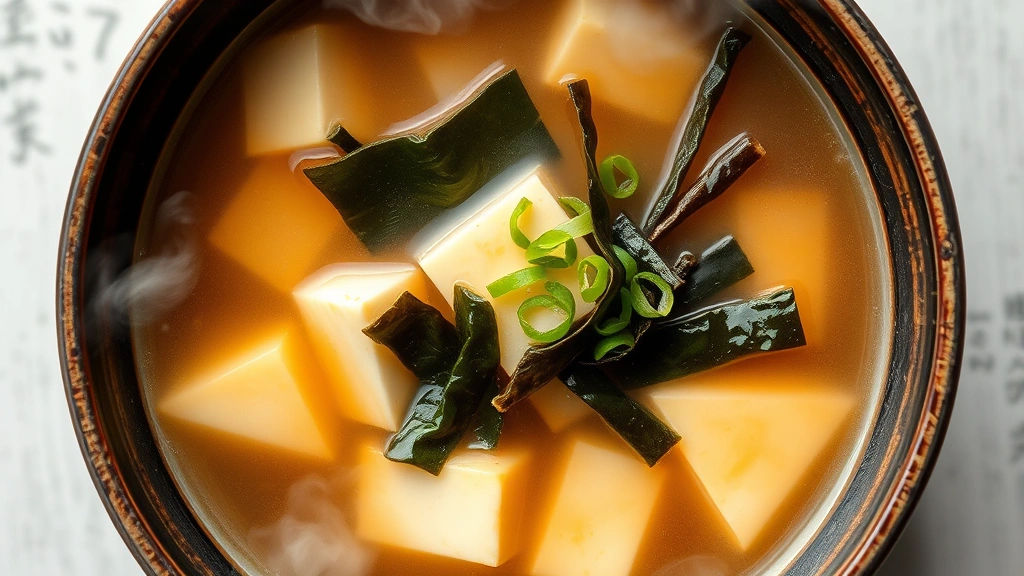
The tofu cubes commonly added to miso soup contribute an additional 15-25 calories per serving while boosting the protein content significantly. This soy-based addition provides all nine essential amino acids, making the complete dish a more substantial protein source than the numbers alone suggest. The nori (seaweed) garnish adds negligible calories but introduces additional minerals and compounds with potential antioxidant properties.
The Fermentation Factor: Probiotics and Gut Health
Perhaps the most compelling nutritional aspect of miso soup involves its probiotic content, derived from the fermentation process that transforms raw soybeans into miso paste. During fermentation—a process typically lasting 6-24 months—beneficial bacteria such as Bacillus subtilis and various Lactobacillus species colonize the paste, creating a living food that supports digestive microbiome health.
Research from institutions studying fermented foods has documented that consuming miso regularly can enhance digestive function, improve nutrient absorption, and support immune system resilience. The enzymes produced during fermentation break down complex proteins and carbohydrates, making them more bioavailable to your digestive system. This enzymatic action explains why many people report improved digestion after incorporating miso soup into their diet. For those interested in optimizing how their bodies process food, our guide on how to improve nutrient absorption explores fermented foods as a primary strategy.
The fermentation process also creates bioactive compounds including peptides, isoflavones, and phenolic compounds that research suggests may possess anti-inflammatory and antioxidant properties. These compounds form during fermentation and cannot be obtained from unfermented soy products, making miso soup unique among soy-based foods. The traditional preparation method—where miso is stirred into hot (but not boiling) water—preserves these delicate probiotic cultures, which is why proper preparation matters significantly.
Studies examining Japanese populations with traditionally high miso consumption have noted associations with lower rates of certain chronic diseases, though researchers emphasize that miso represents one element within a broader dietary pattern rather than a standalone cure. The probiotic ecosystem supported by regular miso consumption may contribute to improved intestinal barrier function, reduced systemic inflammation, and enhanced production of beneficial metabolites.
” alt=”Fermentation process showing miso paste development in traditional wooden barrels with natural lighting highlighting the rich brown color and texture of aged miso”>
Sodium Content and Heart Health Considerations
One nutritional consideration that deserves careful attention involves miso soup’s sodium content. A standard serving contains approximately 600-900 milligrams of sodium, representing 26-39% of the daily recommended intake established by health organizations. This concentration arises primarily from the miso paste, which requires salt as a preservative and flavor component during fermentation.
For individuals following sodium-restricted diets due to hypertension, kidney disease, or other cardiovascular concerns, this sodium level warrants mindful consumption strategies. However, the relationship between miso consumption and blood pressure proves more nuanced than simple sodium counting might suggest. Several studies have found that regular miso soup consumption doesn’t correlate with elevated blood pressure in populations consuming it traditionally, possibly due to the potassium content and bioactive compounds that may offset sodium’s blood-pressure-raising effects.
Dietitians recommend several strategies for enjoying miso soup while managing sodium intake: reducing miso paste quantity slightly, using low-sodium varieties (increasingly available commercially), incorporating additional vegetables to increase nutrient density without adding salt, or balancing higher-sodium meals with lower-sodium options throughout the day. This flexible approach allows individuals to enjoy miso’s benefits while maintaining appropriate sodium intake. When developing tips for meal planning, accounting for sodium distribution across daily meals represents a practical strategy.
Research from cardiovascular nutrition specialists indicates that the quality of sodium sources matters—sodium from whole fermented foods like miso may have different physiological effects than sodium from processed foods with added salt and lacking beneficial compounds. The potassium content in miso paste (approximately 60-80 milligrams per teaspoon) contributes to cardiovascular health by supporting healthy blood pressure regulation and promoting proper cellular function.
Mineral Profile and Bone Support
Miso soup delivers an impressive array of minerals essential for bone health, metabolic function, and overall physiological balance. The kombu seaweed in dashi broth provides substantial iodine—approximately 100-200 micrograms per serving—supporting thyroid function and metabolic regulation. This mineral proves particularly important for individuals avoiding iodized salt or following plant-based diets where iodine sources become more limited.
The mineral composition extends beyond iodine to include manganese, copper, and zinc—trace minerals critical for bone mineralization, immune function, and antioxidant enzyme production. A single serving of miso soup supplies 10-15% of the daily recommended manganese intake, supporting bone development and metabolic enzyme function. These minerals exist in forms your body readily absorbs, particularly given the enhanced bioavailability provided by fermentation and the acidic broth environment.
Calcium content varies depending on preparation method—traditional dashi made with kombu provides approximately 40-60 milligrams per serving, while some regional variations may include calcium-set tofu, significantly increasing this mineral. For individuals exploring dietary approaches to bone health, miso soup represents one component of a comprehensive strategy. The nutrition facts demonstrate how different foods contribute different mineral profiles, highlighting the importance of dietary diversity.
The mineral bioavailability in miso soup receives enhancement from several factors: the acidic fermentation environment increases mineral solubility, the presence of organic acids facilitates absorption, and the traditional serving temperature (warm but not excessively hot) preserves mineral integrity. This combination explains why consuming miso soup as part of meals may enhance overall mineral absorption compared to consuming individual mineral supplements.
Amino Acids and Plant-Based Protein Benefits
For individuals pursuing plant-based or flexitarian dietary approaches, miso soup offers complete protein containing all nine essential amino acids. The miso paste itself provides approximately 2.5 grams of protein per tablespoon, while tofu cubes contribute an additional 2-3 grams per standard serving. More importantly, these proteins exist in forms optimized for absorption—fermentation breaks down protein structures into peptides and free amino acids that require minimal digestive effort to utilize.
The amino acid profile of miso-based dishes deserves particular attention regarding the branched-chain amino acids (BCAAs) leucine, isoleucine, and valine. These amino acids support muscle protein synthesis, making miso soup relevant for individuals recovering from illness, athletes pursuing muscle maintenance, or older adults seeking to preserve muscle mass during aging. The fermented nature of miso means these amino acids are partially pre-digested, requiring less metabolic work for your body to incorporate into tissue.
Research examining soy-based proteins has demonstrated that fermented soy products like miso show superior amino acid bioavailability compared to unfermented tofu or soy milk. This fermentation advantage occurs because the fermentation microorganisms produce proteases—enzymes that break protein bonds—creating a more digestible final product. For individuals with compromised digestive function or those seeking maximum nutritional efficiency, this distinction proves significant.
The glutamic acid content in miso paste contributes to the characteristic umami flavor while potentially supporting neurotransmitter synthesis and cognitive function. This amino acid exists in particularly high concentrations in aged miso varieties, where extended fermentation allows for greater protein breakdown. The umami taste itself may facilitate satiety and reduce overall caloric intake by promoting satisfaction from smaller portion sizes.
Miso Soup in Weight Management
The nutritional profile of miso soup makes it particularly valuable for individuals pursuing sustainable weight management. The combination of low caloric density, high nutrient density, and satiety-promoting compounds creates an ideal food for those seeking to reduce energy intake without sacrificing nutritional quality. A single serving delivers substantial mineral and vitamin content while requiring minimal caloric investment—approximately 40-50 calories for significant nutritional returns.
The fermented components in miso soup may support weight management through several mechanisms: enhanced satiety signaling through umami taste receptors, improved digestive function reducing bloating and discomfort, and potential metabolic effects from bioactive compounds produced during fermentation. While research on miso’s direct metabolic effects remains ongoing, population studies of individuals consuming miso regularly have noted associations with healthier body weight distributions.
For individuals following intermittent fasting or time-restricted eating protocols, miso soup offers an excellent option for breaking fasts—the warm temperature, mineral content, and easily digestible nutrients provide gentle nutritional support without overwhelming a recently fasting digestive system. The probiotic content supports microbiome recovery following fasting periods, potentially enhancing the benefits of this eating pattern.
Incorporating miso soup into comprehensive weight management strategies—as explored in our nutrition solutions section—demonstrates how traditional foods can support modern health goals. The soup’s versatility allows for significant caloric adjustment based on individual needs: minimal added ingredients maintains the ultra-low-calorie version, while incorporating additional vegetables, proteins, or grains can adjust the nutritional profile to match specific dietary requirements.
Dietary Restrictions and Allergen Information
Understanding miso soup’s compatibility with various dietary restrictions proves essential for those with specific nutritional needs. The traditional base ingredients—miso paste, dashi broth, tofu, and seaweed—are naturally gluten-free, making miso soup suitable for individuals with celiac disease or gluten sensitivity, provided that specialty miso varieties made from barley or wheat aren’t used. Most traditional miso varieties use soybeans and salt exclusively, making them safe for gluten-free diets.
For individuals following vegetarian or vegan diets, miso soup requires consideration regarding dashi broth preparation. Traditional dashi uses bonito fish flakes and kombu seaweed, making it non-vegan. However, vegetarian and vegan variations using kombu-only broths or mushroom-based stocks maintain nutritional quality while aligning with dietary principles. The protein content remains substantial in these variations due to miso paste and tofu contributions.
Soy allergies represent the primary allergen concern with miso soup, given that miso paste derives from fermented soybeans. Individuals with documented soy allergies must avoid traditional miso soup or work with healthcare providers to determine whether fermented soy products might be tolerated differently than unfermented soy—some individuals with mild soy sensitivities find fermented products more digestible.
Iodine sensitivity considerations apply to individuals with thyroid conditions requiring iodine restriction—the kombu seaweed in traditional dashi provides substantial iodine that may require limiting. Those taking thyroid medications or managing hyperthyroidism should consult healthcare providers regarding miso soup consumption frequency.
The fermentation process in miso production generates small quantities of histamine, potentially problematic for individuals with histamine intolerance. These individuals should monitor tolerance carefully when introducing miso soup, as fermented foods generally increase dietary histamine intake. For most individuals, however, the histamine content remains within tolerable ranges.

” alt=”Bowl of traditional miso soup with visible tofu cubes, wakame seaweed, and green onion garnish, steaming with warm broth, captured from above showing the appetizing presentation and ingredients”>
FAQ
How much sodium is in a typical bowl of miso soup?
A standard 8-ounce serving contains approximately 600-900 milligrams of sodium, primarily from the miso paste. This represents 26-39% of the daily recommended intake. To reduce sodium, use less miso paste, select low-sodium varieties, or add additional vegetables and broth to dilute the concentration while maintaining flavor.
Does miso soup contain probiotics?
Yes, authentic miso soup contains live probiotic cultures from the fermented miso paste, including beneficial bacteria like Bacillus subtilis and Lactobacillus species. However, excessive heat destroys these beneficial organisms, so adding miso to already-boiling water compromises probiotic content. Add miso to warm (not boiling) broth to preserve these health-promoting microorganisms.
Is miso soup suitable for vegetarians and vegans?
Traditional miso soup contains dashi broth made from fish, making it non-vegetarian. However, vegetarian versions using kombu-only broth or mushroom stocks are equally nutritious. Miso paste itself remains vegetarian-friendly, though some specialty varieties may include non-vegetarian ingredients—always check labels.
Can people with gluten sensitivity eat miso soup?
Most traditional miso varieties are gluten-free, using only soybeans and salt. However, some specialty miso products incorporate barley or wheat, making them unsuitable for gluten-free diets. Always verify the specific miso paste ingredients, as preparation matters significantly for those with celiac disease.
What makes miso soup beneficial for weight management?
Miso soup offers exceptional nutritional density with minimal calories—approximately 40-50 per serving. The fermented components enhance satiety, improve digestion, and provide substantial minerals and proteins. The warm temperature and umami flavor promote satisfaction from smaller portions, supporting sustainable weight management approaches.
How does fermentation affect miso soup’s nutritional value?
Fermentation enhances nutritional value by creating beneficial bacteria, producing enzymes that improve protein digestibility, breaking down complex carbohydrates into simpler forms, and generating bioactive compounds with potential antioxidant and anti-inflammatory properties. These benefits make fermented miso nutritionally superior to unfermented soy products.


