
Goldfish Crackers: Healthy Snack? Dietitian Insight on Nutrition Information
Goldfish crackers have been a pantry staple and lunchbox favorite for generations, but the question of whether they qualify as a healthy snack deserves a closer examination. As a registered dietitian nutritionist, I’m frequently asked about the nutritional value of popular processed snacks, and Goldfish crackers consistently come up in these conversations. Understanding the complete nutritional profile—beyond just calories—helps parents and health-conscious consumers make informed decisions about snacking habits.
The bright orange crackers manufactured by Pepperidge Farm have achieved iconic status in American food culture, but popularity doesn’t automatically translate to nutritional merit. This comprehensive guide examines the actual nutrition information for Goldfish crackers, explores how they fit into a balanced diet, and provides evidence-based recommendations from a dietitian perspective.
Nutrition Facts Breakdown
A standard serving of Goldfish crackers—approximately 55 pieces or 30 grams—contains roughly 140 calories, making them a relatively calorie-dense snack when portion control isn’t maintained. The macronutrient distribution reveals 18 grams of carbohydrates, 7 grams of fat, and 3 grams of protein per serving. While these numbers might seem reasonable in isolation, the context matters significantly when evaluating whether Goldfish crackers deserve a place in a health-conscious eating pattern.
The carbohydrate content consists primarily of refined grains, as Goldfish crackers are made from enriched wheat flour rather than whole grains. This distinction is crucial because refined carbohydrates lack the fiber and micronutrients present in whole grain alternatives. According to research from the Harvard School of Public Health, refined grain consumption has been associated with increased risk of type 2 diabetes and cardiovascular disease when consumed in excess.
The fat content in Goldfish crackers comes largely from vegetable oil, contributing approximately 1 gram of saturated fat per serving. While this isn’t excessive, it’s worth noting that these are empty calories without the beneficial omega-3 or omega-6 polyunsaturated fatty acids that make other fat sources nutritionally valuable. For context, comparing Goldfish to sources of healthy fats like those found in chicken tenderloin nutrition facts illustrates how snack choices impact overall nutrient density.
Sodium Content Concerns
Perhaps the most significant nutritional red flag with Goldfish crackers is the sodium content. A single 30-gram serving contains approximately 250 milligrams of sodium, which represents about 11% of the daily recommended limit of 2,300 milligrams established by the American Heart Association. For children, the concern is even more pronounced, as their sodium recommendations are substantially lower—ranging from 1,000 to 2,300 milligrams depending on age.
The problematic aspect of Goldfish crackers as a snack is that portion sizes are rarely limited to a single serving. A child might easily consume 2-3 servings in one sitting, bringing sodium intake to 500-750 milligrams from this single snack alone. Over the course of a day that includes other processed foods, this can rapidly exceed recommended limits. CDC data on sodium consumption demonstrates that the average American child consumes significantly more sodium than recommended, contributing to elevated blood pressure risk even in childhood.
Excessive sodium intake during formative years establishes dietary patterns that often persist into adulthood. Regularly consuming high-sodium snacks like Goldfish crackers may train taste preferences toward saltier foods, making it harder to appreciate naturally flavored whole foods later. This is a particularly important consideration for families with histories of hypertension or cardiovascular disease.
” alt=”Digital illustration of nutritional analysis dashboard displaying macronutrient percentages, vitamins, and minerals in modern clean design with colorful data visualization elements”>
Protein and Fiber Reality
The 3 grams of protein per serving is often cited as a positive aspect of Goldfish crackers, but this requires important context. The protein is incomplete, lacking sufficient quantities of several essential amino acids. When examining protein intake for muscle building and overall health, quality matters as much as quantity. Three grams of incomplete protein from refined grain sources doesn’t provide the same nutritional benefit as 3 grams from whole food sources like Greek yogurt, nuts, or legumes.
The fiber content in Goldfish crackers is virtually nonexistent—less than 1 gram per serving. This is a critical nutritional deficiency. Dietary fiber plays essential roles in digestive health, blood sugar regulation, cholesterol management, and satiety. The lack of fiber means that Goldfish crackers provide minimal satiety, making it easy to overconsume without feeling satisfied. This is particularly problematic for snacking, where the goal should be to provide sustained energy and satisfaction until the next meal.
Children and adults alike would benefit far more from snacks containing at least 2-3 grams of fiber per serving. Whole grain crackers, popcorn, or fresh fruits with nuts provide both protein and fiber, supporting better satiety and more stable blood sugar levels. For those focused on nutrition for building muscle mass, the protein-to-nutrient ratio in Goldfish crackers is particularly unfavorable compared to more nutrient-dense options.
Ingredients Analysis
Examining the ingredient list provides additional insight into the nutritional quality of Goldfish crackers. The primary ingredients are enriched wheat flour, vegetable oil, and salt—a straightforward formula that creates the characteristic texture but offers limited nutritional density. The enrichment process adds back certain B vitamins and iron that were removed during grain refinement, but this doesn’t restore the full nutritional profile of whole grains.
Most varieties of Goldfish crackers contain artificial colors derived from petroleum sources, though Pepperidge Farm has introduced some naturally colored versions in recent years. The artificial coloring adds no nutritional value and represents an unnecessary chemical addition, particularly concerning for children. Research published in the Critical Reviews in Food Science and Nutrition has examined associations between artificial dyes and behavioral effects in sensitive children, though evidence remains mixed.
The absence of whole grains, legumes, nuts, or seeds in the ingredient list is notable. These ingredients would increase fiber, micronutrient density, and protein quality substantially. The inclusion of soybean oil as the primary fat source means Goldfish crackers contain a high ratio of omega-6 to omega-3 fatty acids, which some research suggests may promote inflammation when consumed in excess relative to omega-3 sources.
How They Compare to Alternatives
To properly evaluate whether Goldfish crackers are a healthy snack choice, comparison with alternatives is essential. Whole grain crackers typically contain 2-3 grams of fiber per serving compared to less than 1 gram in Goldfish. Whole grain options also provide more micronutrients including magnesium, phosphorus, and B vitamins in their natural forms rather than through enrichment.
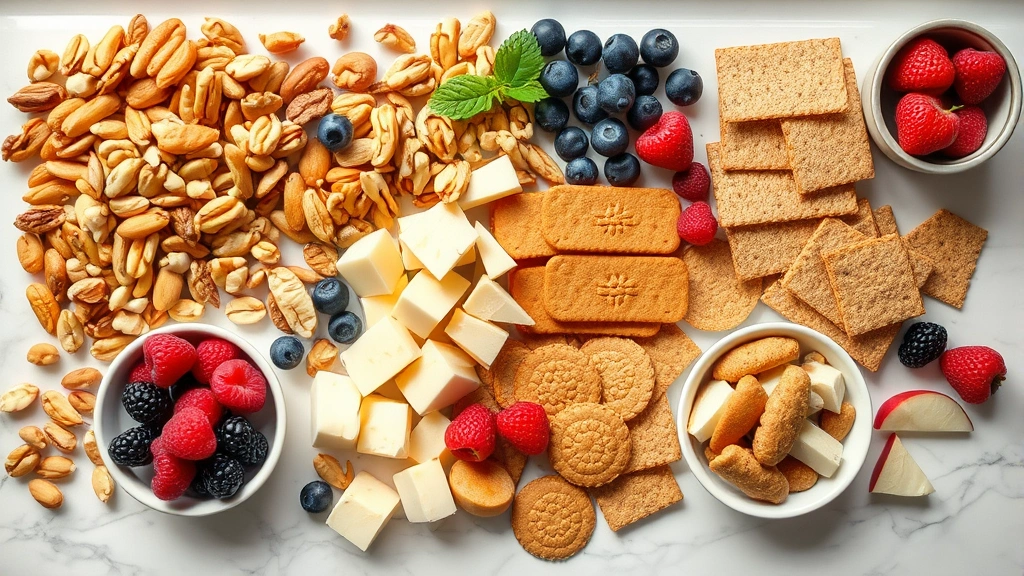
Air-popped popcorn represents another superior alternative, offering approximately 4 grams of fiber per 3-cup serving with only 100 calories and minimal sodium if prepared without added salt or butter. Nuts and seeds provide protein, healthy fats, and fiber—a nutritional combination that Goldfish crackers simply cannot match. A small handful of almonds (about 1 ounce) provides 6 grams of protein, 3.5 grams of fiber, and beneficial monounsaturated fats.
Fresh fruits paired with protein sources like cheese or yogurt create balanced snacks that satisfy hunger more effectively than crackers alone. An apple with almond butter, for example, provides fiber, protein, healthy fat, and micronutrients—addressing multiple nutritional needs in one snack. For those seeking a healthy nutrition plan for eating well for life, prioritizing snacks with similar nutritional profiles to whole foods is fundamental.
Portion Control Strategies
If Goldfish crackers are part of your household’s snacking routine, implementing strict portion control strategies becomes essential. Rather than eating directly from the box—a practice that almost inevitably leads to overconsumption—measure out a single serving into a small bowl or bag. This physical barrier to additional consumption makes it easier to stick to reasonable portion sizes.
Pair Goldfish crackers with protein and fiber sources to improve the nutritional profile of the snack. Combining a small portion of Goldfish with cheese cubes, for example, adds protein and calcium while the cheese’s satiety-promoting properties may reduce overall consumption. Similarly, serving Goldfish with fresh vegetables creates a more balanced snack that addresses multiple nutritional needs.
Consider Goldfish crackers as an occasional treat rather than a daily staple snack. Reserving them for special occasions, school lunches as a minor component, or social situations removes them from regular rotation while still allowing flexibility. This approach acknowledges that food is about more than nutrition—social and psychological factors matter too—while preventing habitual overconsumption.
Establish clear snacking guidelines with children regarding portion sizes and frequency. Teaching kids to recognize appropriate serving sizes develops healthy eating habits that extend far beyond childhood. Making snacking decisions transparent—discussing why certain foods are occasional treats while others are everyday options—builds nutritional literacy that benefits long-term health.
When Goldfish Work in Your Diet
Despite the nutritional limitations outlined above, there are contexts where Goldfish crackers can fit into a balanced diet without significant concern. For individuals meeting their fiber, protein, and micronutrient needs through other foods, a small occasional portion of Goldfish crackers represents a negligible impact on overall nutritional status. The key is ensuring that snack choices don’t displace more nutritious options.
Goldfish crackers may be appropriate for individuals with severe chewing difficulties or swallowing disorders who require soft, easy-to-manage foods. In these medical contexts, nutritional limitations are outweighed by the practical ability to consume calories and nutrients. Pairing Goldfish with more nutrient-dense foods becomes even more important in these situations.
For athletes or highly active individuals with significantly elevated calorie needs, Goldfish crackers can contribute to calorie intake without excessive satiety, potentially helpful during training periods. However, even in these contexts, more nutrient-dense carbohydrate sources should form the foundation of snacking patterns, with Goldfish crackers serving only as a supplementary option.
The social and psychological aspects of food cannot be entirely dismissed. For many people, Goldfish crackers carry nostalgic value and represent comfort food associations. Completely eliminating foods with emotional significance may create unhealthy relationships with eating. Occasional, mindful consumption acknowledges these factors while maintaining overall nutritional goals.

” alt=”Flat lay composition of various healthy snack alternatives including nuts, whole grain crackers, fresh berries, and cheese arranged on neutral surface with natural lighting”>
FAQ
Are Goldfish crackers good for children’s snacks?
Goldfish crackers are not an ideal choice as a primary snack for children. While they’re not inherently harmful in small occasional portions, they lack the fiber, whole grains, and nutrient density that growing children need. Better options include whole grain crackers, fresh fruits, nuts, and cheese. If Goldfish crackers are included, they should represent only a small portion of overall snacking patterns.
How much sodium is too much for children?
The American Academy of Pediatrics recommends sodium limits of 1,000-2,300 milligrams daily depending on age. A single serving of Goldfish crackers provides 250 milligrams, meaning a child could exceed daily recommendations with just a few servings, especially when combined with other processed foods. Being mindful of cumulative sodium intake across all foods is essential.
Can I make Goldfish crackers healthier by pairing them with other foods?
Yes, pairing Goldfish crackers with protein and fiber sources improves the nutritional profile of the snack. Combining them with cheese, nuts, vegetables, or fruit creates a more balanced snack that provides sustained energy and better satiety. However, choosing naturally nutrient-dense snack combinations would be preferable.
What are the best alternatives to Goldfish crackers?
Superior alternatives include whole grain crackers, air-popped popcorn, nuts and seeds, fresh fruits with nut butter, Greek yogurt, cheese, and vegetables with hummus. These options provide more fiber, protein, and micronutrients while creating better satiety. Consulting the Nutrients Pathway Blog for nutrition information hub provides additional resources for evidence-based snacking recommendations.
Are there healthier versions of Goldfish crackers available?
Pepperidge Farm offers whole grain Goldfish crackers, which contain more fiber and nutrients than original varieties. However, even whole grain versions contain similar sodium levels and limited fiber compared to other whole grain snack options. Reading nutrition labels carefully and comparing options helps identify the most nutritious choices available.
How often can I eat Goldfish crackers as a healthy eater?
If you’re meeting your nutritional needs through whole foods and other nutrient-dense snacks, occasional Goldfish cracker consumption—perhaps once or twice weekly in small portions—poses no significant health concern. The key is ensuring they don’t displace more nutritious options and that overall sodium and refined carbohydrate intake remains within recommended ranges.


