Honeycrisp Apples: Dietitian’s Nutritional Breakdown
Honeycrisp apples have become increasingly popular among health-conscious consumers, and for good reason. These crisp, sweet apples offer a compelling nutritional profile that makes them an excellent choice for anyone looking to enhance their diet with whole-food nutrition. As a dietitian-reviewed guide, this comprehensive breakdown explores the specific nutrients found in honeycrisp apples, how they contribute to your overall health, and practical ways to incorporate them into your daily routine.
Unlike many processed snacks, honeycrisp apples deliver substantial health benefits in a naturally low-calorie package. Understanding the nutritional composition of these apples helps you make informed dietary choices and maximize the health advantages they provide. Whether you’re managing weight, supporting digestive health, or simply seeking nutrient-dense foods, honeycrisp apples deserve a prominent place in your kitchen.
Caloric Content and Macronutrient Profile
A medium-sized honeycrisp apple, weighing approximately 182 grams, contains roughly 95 calories, making it an ideal snack for those monitoring caloric intake. This low-calorie density combined with substantial nutrient content makes honeycrisp apples particularly valuable for nutrition solutions targeting sustainable weight management.
The macronutrient breakdown of a medium honeycrisp apple includes approximately 25 grams of carbohydrates, 4.4 grams of dietary fiber, and 0.5 grams of protein, with virtually no fat content. The carbohydrates in honeycrisp apples are primarily composed of natural sugars—fructose, glucose, and sucrose—which provide quick energy while the high fiber content moderates blood sugar response. This balance is crucial for maintaining stable energy levels throughout the day.
The fiber-to-carbohydrate ratio in honeycrisp apples is particularly noteworthy. With nearly 18% of the carbohydrate content coming from fiber, these apples deliver sustained satiety and digestive support. This composition makes them superior to many other fruit options and processed snacks, particularly for individuals implementing tips for meal planning strategies.
Fiber Content and Digestive Benefits
Dietary fiber represents one of the most significant nutritional advantages of honeycrisp apples. A single medium apple provides approximately 4.4 grams of fiber, contributing roughly 17% of the daily recommended intake for adults. This substantial fiber content supports multiple aspects of digestive health and overall wellness.
The fiber in honeycrisp apples consists of both soluble and insoluble varieties. Soluble fiber, including pectin, dissolves in the digestive tract and forms a gel-like substance that slows digestion, promoting prolonged satiety and stable blood sugar levels. Insoluble fiber, conversely, adds bulk to stool and facilitates regular bowel movements, supporting colon health and reducing constipation risk.
Research indicates that regular apple consumption correlates with improved digestive outcomes and reduced incidence of gastrointestinal disorders. The pectin found abundantly in honeycrisp apples acts as a prebiotic, nourishing beneficial gut bacteria and promoting a healthy microbiome. This microbial support extends beyond digestive health, influencing immune function and even mental health outcomes. For those seeking to understand nutrition and mental health connections, the gut-brain axis represents a critical consideration.
The soluble fiber in honeycrisp apples also binds to cholesterol molecules in the digestive tract, facilitating their elimination and naturally reducing circulating cholesterol levels. This mechanism provides cardiovascular benefits beyond what the apple’s direct nutrient content might suggest.
Vitamin and Mineral Composition
While honeycrisp apples don’t contain exceptionally high concentrations of individual vitamins or minerals compared to some specialized superfoods, their balanced micronutrient profile contributes meaningfully to daily nutritional requirements. A medium honeycrisp apple provides approximately 5% of the daily recommended vitamin C intake, offering about 5.7 milligrams of this essential antioxidant nutrient.
Vitamin C supports immune function, collagen synthesis, and acts as a powerful antioxidant protecting cells from oxidative stress. Though the amount per apple may seem modest, regular consumption throughout the year contributes significantly to cumulative vitamin C intake, particularly for those following healthy nutrition plans.
Honeycrisp apples also contain potassium, an essential mineral critical for heart rhythm regulation, blood pressure management, and proper muscle function. A medium apple provides approximately 195 milligrams of potassium, representing about 4% of the daily recommended intake. While this amount alone doesn’t meet daily potassium needs, regular apple consumption contributes meaningfully when combined with other potassium-rich foods.
The mineral profile includes trace amounts of manganese, copper, and iron. Manganese supports bone health and metabolic function, while copper facilitates iron absorption and supports connective tissue formation. These micronutrients work synergistically with the apple’s other compounds to support comprehensive health outcomes.
Honeycrisp apples contain minimal sodium and no cholesterol, making them suitable for individuals managing hypertension or cardiovascular conditions. The potassium-to-sodium ratio further supports blood pressure regulation and cardiovascular health.
Antioxidants and Polyphenols
The true nutritional powerhouse of honeycrisp apples lies in their polyphenol content—a diverse class of phytonutrients with remarkable antioxidant properties. These compounds protect plants from environmental stress and similarly protect human cells from oxidative damage and inflammation when consumed.
Honeycrisp apples contain quercetin, one of the most abundant and well-researched flavonoid antioxidants. This compound has demonstrated anti-inflammatory properties and may support immune function, cardiovascular health, and cognitive performance. Research suggests that quercetin may help reduce allergic responses and support respiratory health, making honeycrisp apples particularly valuable for individuals with seasonal allergies.
Catechin, another prominent polyphenol in honeycrisp apples, offers antioxidant benefits similar to those found in green tea. This compound supports cellular health and may contribute to the cardiovascular and metabolic benefits associated with regular apple consumption.
The skin of honeycrisp apples contains the highest concentration of polyphenols, with some estimates suggesting that up to 70% of the apple’s total antioxidant capacity resides in the peel. This distribution underscores the importance of consuming the whole apple rather than peeling it, despite the potential for pesticide residues on conventional apples. Washing apples thoroughly under running water removes most surface contaminants while preserving the nutrient-dense skin.
Chlorogenic acid, present in honeycrisp apples, has been studied for its potential role in supporting healthy weight management and metabolic function. This compound may enhance fat oxidation and improve insulin sensitivity, contributing to the overall metabolic benefits of regular apple consumption.
Blood Sugar Impact and Glycemic Index
Despite their natural sugar content, honeycrisp apples have a relatively low glycemic index (approximately 38-44), meaning they produce a gradual, modest increase in blood glucose levels rather than sharp spikes. This favorable glycemic response results primarily from the high fiber content, which slows sugar absorption and moderates insulin demand.
For individuals managing diabetes or prediabetes, honeycrisp apples represent an excellent fruit choice when consumed in appropriate portions. The combination of fiber, polyphenols, and fructose (a sugar with lower glycemic impact than glucose) creates a favorable metabolic effect. Research from Pew Research Center on dietary patterns demonstrates that whole-fruit consumption, including apples, correlates with improved metabolic markers and reduced diabetes risk.
The glycemic load of a medium honeycrisp apple—a measure that accounts for both the glycemic index and portion size—is approximately 11, considered low and unlikely to significantly impact blood sugar levels in most individuals. This makes honeycrisp apples suitable for inclusion in meal plans focused on stable blood glucose management.
Pairing honeycrisp apples with protein-rich foods like nuts, nut butters, or cheese further reduces glycemic impact by slowing gastric emptying and moderating sugar absorption. This strategic combination enhances satiety while maintaining favorable metabolic responses.
Heart Health and Cardiovascular Benefits
Honeycrisp apples offer substantial cardiovascular benefits through multiple mechanisms. The soluble fiber pectin actively reduces LDL cholesterol (the “bad” cholesterol), while polyphenols support endothelial function and healthy blood pressure regulation. Research indicates that regular apple consumption correlates with reduced cardiovascular disease risk, with some studies suggesting that eating one apple daily may reduce heart disease mortality by approximately 15%.
Potassium content in honeycrisp apples supports healthy blood pressure by counteracting sodium’s effects and promoting vasodilation. This mineral works synergistically with the apple’s fiber and polyphenol content to create a comprehensive cardiovascular health profile.
The anti-inflammatory properties of quercetin and other polyphenols address a key underlying factor in atherosclerosis development. Chronic inflammation contributes to plaque formation and arterial stiffness, so consuming anti-inflammatory foods like honeycrisp apples provides preventive benefits beyond simple cholesterol reduction.
Studies published in leading nutrition journals demonstrate that individuals consuming apples regularly show improved markers of cardiovascular health, including reduced blood pressure, improved lipid profiles, and decreased inflammatory markers like C-reactive protein. These benefits emerge within weeks of consistent consumption, making honeycrisp apples a practical dietary intervention for cardiovascular disease prevention.
Weight Management Applications
The combination of low caloric density, high fiber content, and substantial water content (approximately 86% of the apple’s weight) makes honeycrisp apples exceptionally valuable for weight management efforts. The fiber content promotes satiety, helping individuals feel fuller longer and reducing overall caloric intake without conscious restriction.
Studies indicate that consuming an apple before meals may reduce subsequent caloric intake by approximately 15%, suggesting that the fiber and water content create genuine satiety signals rather than psychological effects. This pre-meal consumption strategy integrates well with nutrients pathway blog recommendations for sustainable weight management approaches.
The natural sugars in honeycrisp apples satisfy cravings for sweet foods while providing substantially fewer calories than processed alternatives. A medium honeycrisp apple contains approximately 19 grams of sugar but delivers this in a fiber-rich matrix that moderates absorption and prevents rapid blood sugar spikes that trigger subsequent hunger.
For individuals implementing caloric restriction or intermittent fasting protocols, honeycrisp apples provide nutrient density that supports satiety and micronutrient adequacy despite reduced overall caloric intake. The combination of fiber, water, and micronutrients creates a nutritionally efficient food that supports metabolic health during weight loss periods.
Selection and Storage Tips
Selecting high-quality honeycrisp apples maximizes their nutritional value and eating enjoyment. Look for apples that feel firm when gently squeezed, indicating adequate density and freshness. The skin should appear smooth without soft spots, bruises, or blemishes that might indicate decay or pest damage.
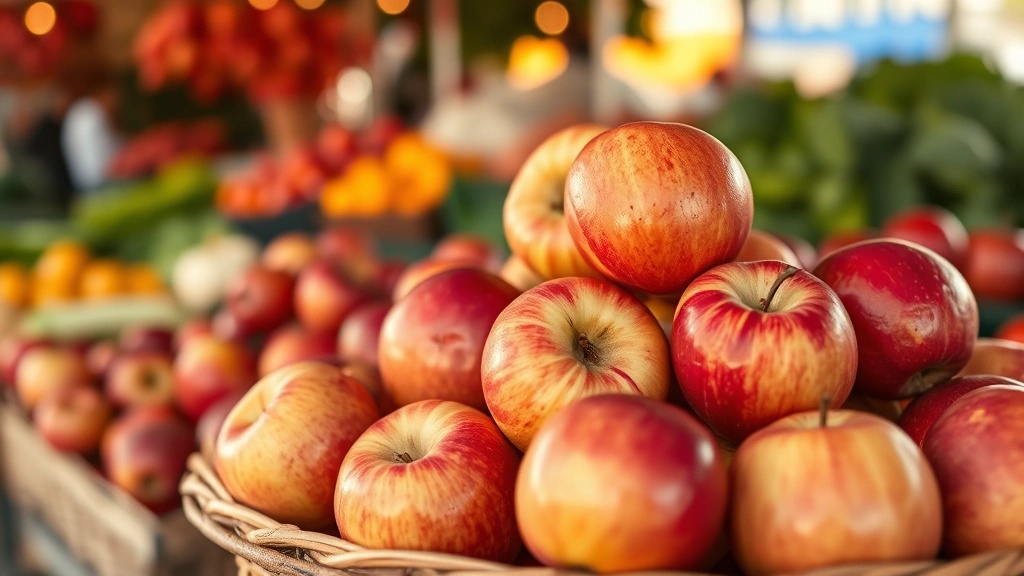
Honeycrisp apples should feel substantial for their size—a heavier apple typically contains more juice and nutrients than a lighter counterpart. The characteristic honeycrisp appearance includes a mottled red and yellow coloration, though some honeycrisp apples display predominantly red or yellow hues depending on growing conditions and ripeness.
Store honeycrisp apples in the refrigerator’s crisper drawer to extend shelf life and maintain nutritional integrity. Proper storage can preserve apples for 3-4 weeks, though they’re best consumed within 1-2 weeks for optimal texture and flavor. Keep apples separate from ethylene-producing produce like bananas and avocados, which can accelerate ripening and spoilage.
Wash apples thoroughly under running water just before consumption to remove surface pesticide residues while preserving the nutrient-dense skin. For those concerned about conventional pesticide residues, purchasing certified organic honeycrisp apples eliminates this consideration while supporting sustainable agricultural practices.
Consider purchasing apples from local orchards or farmers’ markets during peak season (typically September through November in North America) for superior freshness, superior flavor, and support for strategies to improve nutrient absorption through whole-food consumption.
FAQ
How many honeycrisp apples should I eat daily?
One to two medium honeycrisp apples daily fits comfortably within most dietary patterns. This quantity provides 8-18 grams of fiber, approximately 20% of daily recommendations, without excessive natural sugar consumption. Individuals with diabetes or fructose sensitivity should consult healthcare providers regarding appropriate quantities.
Are honeycrisp apples better than other apple varieties nutritionally?
While all apple varieties offer nutritional benefits, honeycrisp apples compare favorably to other popular varieties. They contain similar fiber levels to Granny Smith apples but offer superior polyphenol content and more appealing taste profiles that encourage regular consumption. Nutritional superiority matters less than consistent consumption of any whole apple variety.
Should I peel honeycrisp apples before eating?
Leaving the peel intact maximizes nutritional benefit, as the skin contains approximately 70% of the apple’s polyphenol content. Thoroughly wash unpeeled apples under running water to remove surface residues. Those concerned about pesticides should purchase organic honeycrisp apples.
Can honeycrisp apples help with weight loss?
Honeycrisp apples support weight management through high fiber content, substantial water content, and low caloric density. However, they represent one component of comprehensive weight management rather than a standalone solution. Consistent consumption combined with overall dietary improvement and physical activity produces meaningful results.
Are honeycrisp apples suitable for diabetics?
Yes, honeycrisp apples are appropriate for most individuals with diabetes due to their low glycemic index and high fiber content. However, portion control remains important, and pairing apples with protein sources moderates glycemic response. Individuals should monitor personal blood sugar responses and consult healthcare providers regarding appropriate quantities.
How do honeycrisp apples compare to apple juice nutritionally?
Whole honeycrisp apples provide substantially more fiber than apple juice, which typically contains minimal fiber despite similar sugar content. Whole apples produce slower, more moderate blood sugar responses and provide greater satiety. Apple juice lacks the physical structure that slows consumption and produces fullness signals, making it nutritionally inferior to whole fruit despite similar nutrient profiles.