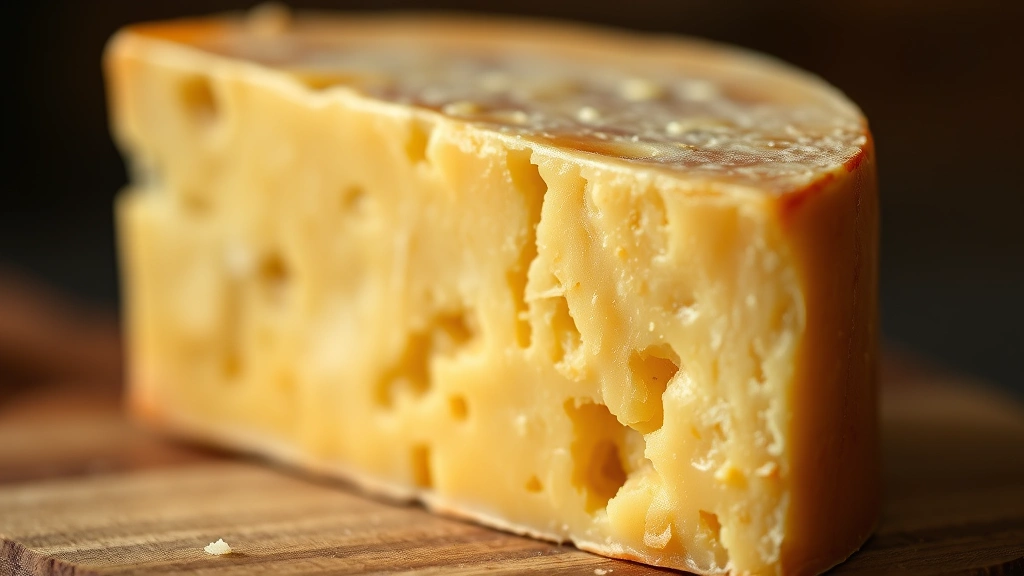
Is Parmesan Cheese Nutritious? Dietitian Insights
Parmesan cheese has earned its place as a beloved culinary staple across kitchens worldwide, but beyond its distinctive sharp flavor and versatile applications lies an important question: Is parmesan cheese actually nutritious? This aged Italian cheese delivers a surprisingly complex nutritional profile that deserves closer examination. Unlike soft cheeses that contain higher moisture content, parmesan’s dense composition concentrates nutrients into smaller serving sizes, making it a unique addition to any healthy nutrition plan.
Dietitians and nutritional scientists have increasingly recognized parmesan’s role in balanced eating patterns, particularly for individuals seeking concentrated sources of essential minerals and proteins. The aging process transforms milk into a nutrient-dense product that offers distinct advantages over its fresher cheese counterparts. Understanding these benefits—alongside important considerations about sodium and fat content—provides a complete picture of whether parmesan deserves a regular spot in your dietary routine.

Nutritional Composition of Parmesan Cheese
One ounce (28 grams) of parmesan cheese contains approximately 110 calories, making it a calorie-dense food that delivers substantial nutrition in modest portions. This concentrated nutritional profile stems from the cheese’s aging process, which removes moisture while preserving and concentrating essential nutrients. According to USDA nutritional databases, a single serving provides roughly 10 grams of protein, 7 grams of fat, and less than 1 gram of carbohydrates.
The macronutrient balance in parmesan differs significantly from softer cheeses due to its crystalline structure and extended aging period. This composition makes parmesan particularly suitable for individuals following nutrition for athletes and performance optimization protocols that prioritize protein density. The cheese’s ability to deliver substantial nutrition in small quantities appeals to those monitoring caloric intake while maintaining nutrient adequacy.

Protein and Amino Acid Benefits
Parmesan cheese stands out among dairy products for its exceptional protein concentration. A one-ounce serving delivers approximately 10 grams of complete protein, containing all nine essential amino acids required for human health. This makes parmesan particularly valuable for muscle maintenance, recovery, and synthesis—critical factors in athletic nutrition and performance enhancement.
The protein in parmesan exists in a highly bioavailable form, meaning your body can readily absorb and utilize these amino acids. The aging process breaks down protein structures through enzymatic action, creating smaller peptides that require less digestive effort. This enhanced digestibility benefits individuals with sensitive digestive systems while providing maximum nutritional return. Research from nutrition research journals demonstrates that aged cheeses facilitate superior amino acid absorption compared to fresh dairy products.
For vegetarians and those seeking plant-free protein sources, parmesan offers a convenient solution. The amino acid profile includes substantial leucine, isoleucine, and valine—branched-chain amino acids crucial for muscle protein synthesis. These compounds become increasingly important as individuals age, supporting the preservation of lean muscle mass.
Calcium and Bone Health
Perhaps parmesan’s most celebrated nutritional attribute involves its remarkable calcium content. One ounce provides approximately 390 milligrams of calcium—roughly 40% of the recommended daily value for adults. This extraordinary concentration stems from the cheese-making process, wherein calcium from milk becomes concentrated as whey separates. For individuals concerned about bone density and nutritional completeness in dietary patterns, parmesan offers an efficient delivery mechanism.
Calcium bioavailability in cheese exceeds that of many plant-based sources due to the presence of lactose and casein proteins, which enhance mineral absorption. The aging process also increases calcium’s accessibility, as salt content and acidic conditions facilitate optimal absorption kinetics. This makes parmesan particularly valuable for postmenopausal women, older adults, and individuals at risk for osteoporosis.
Incorporating parmesan into meals provides not merely calcium but also phosphorus and magnesium—minerals that work synergistically to maintain skeletal integrity. This mineral constellation supports bone remodeling, prevents demineralization, and contributes to long-term skeletal health across the lifespan.
Sodium Content and Health Considerations
The sodium content in parmesan represents the most significant nutritional consideration for certain populations. One ounce contains approximately 450 milligrams of sodium—roughly 20% of the recommended daily limit for many adults. The high salt concentration results from traditional cheese-making techniques, wherein salt serves as a preservative and flavor enhancer during the aging process.
For individuals managing hypertension, cardiovascular disease, or following sodium-restricted diets, parmesan consumption requires mindful portion control. Healthcare providers and registered dietitians often recommend limiting cheese servings to one ounce or incorporating parmesan as an occasional flavoring rather than a primary ingredient. The intense flavor profile means small quantities deliver substantial taste satisfaction, naturally encouraging appropriate portion sizes.
Conversely, individuals without sodium sensitivity can benefit from parmesan’s nutritional density while remaining within acceptable sodium parameters. The key involves conscious integration into overall dietary patterns. Using parmesan as a finishing garnish rather than a bulk ingredient allows consumers to achieve flavor satisfaction while limiting sodium exposure.
Fat Profile and Heart Health
Parmesan contains approximately 7 grams of fat per ounce, with roughly 4.5 grams representing saturated fat. This composition warrants examination within the context of contemporary cardiovascular nutrition science. While parmesan contains saturated fat, emerging research suggests that dairy-derived saturated fats may exert different metabolic effects compared to saturated fats from other sources.
Studies published in American Heart Association journals indicate that full-fat dairy consumption demonstrates neutral or modest protective associations with cardiovascular outcomes in many populations. The bioactive compounds in cheese—including sphingolipids, butyric acid, and conjugated linoleic acid—may offset potential negative effects of saturated fat content.
The fat in parmesan facilitates absorption of fat-soluble vitamins, particularly vitamin A and vitamin K2, which support bone metabolism and vascular health. Moderate parmesan consumption within a heart-healthy dietary pattern need not compromise cardiovascular objectives. Individuals with specific lipid concerns should consult healthcare providers regarding appropriate cheese intake.
Vitamins and Minerals in Parmesan
Beyond calcium and phosphorus, parmesan delivers an impressive micronutrient profile. The cheese contains significant quantities of vitamin B12—essential for neurological function and red blood cell formation—making it particularly valuable for vegetarians who avoid animal flesh. One ounce provides approximately 0.3 micrograms of B12, contributing meaningfully to daily requirements.
Parmesan also supplies vitamin A, crucial for vision and immune function, along with vitamin K2—a form of vitamin K increasingly recognized for its role in bone metabolism and vascular health. These fat-soluble vitamins concentrate in aged cheese due to the milk’s natural composition and the cheese-making process. Zinc, selenium, and copper—minerals essential for immune function and antioxidant defense—also appear in meaningful quantities.
The mineral density in parmesan supports multiple physiological systems simultaneously. Zinc facilitates immune response and wound healing, selenium functions as an antioxidant and thyroid supporter, and copper participates in energy metabolism and collagen synthesis. This comprehensive micronutrient profile explains why small parmesan portions contribute meaningfully to overall nutritional status.
Lactose Content and Digestibility
One advantage parmesan offers individuals with lactose sensitivity involves its minimal lactose content. The aging process converts lactose into lactic acid and other compounds, reducing residual lactose to negligible levels—typically less than 0.1 grams per ounce. This makes parmesan significantly more tolerable than fresh cheeses for individuals with lactose intolerance.
The extended aging period (minimum 12 months, often 24-36 months for premium varieties) allows bacterial cultures to metabolize lactose completely. Additionally, the high salt content and acidic conditions create an environment hostile to lactose persistence. Many individuals who experience digestive distress from milk, cream, or soft cheeses tolerate parmesan without difficulty.
This digestibility advantage extends beyond lactose considerations. The enzymatic breakdown of proteins during aging creates smaller peptide chains that require minimal digestive effort. Individuals with compromised digestive function, elderly populations, and those recovering from gastrointestinal conditions often tolerate parmesan better than fresh dairy products.
Practical Serving Recommendations
Dietitian consensus suggests incorporating parmesan thoughtfully within balanced dietary patterns. A typical serving involves one ounce (approximately the size of a standard kitchen matchbox) used as a finishing ingredient, topping for soups and salads, or component in composed dishes. This portion size delivers substantial nutritional benefits while maintaining reasonable caloric and sodium intake.
Creative applications maximize nutritional benefit while respecting portion guidelines. Finely grating parmesan over vegetable-based dishes increases perceived portion sizes while minimizing actual consumption. Using parmesan as a flavor accent rather than a primary ingredient allows individuals to achieve satisfaction from smaller quantities. Combining parmesan with other nutrient-dense foods and complementary nutrition sources creates synergistic dietary patterns.
For individuals managing specific health conditions, portion adjustments remain appropriate. Those monitoring sodium intake might limit parmesan to twice weekly consumption, while individuals seeking enhanced protein intake could incorporate parmesan more frequently. The versatility of parmesan allows customization based on individual nutritional objectives and health status.
Parmesan in Athletic Nutrition
Athletes and physically active individuals benefit substantially from parmesan’s protein density and micronutrient profile. The complete amino acid profile supports muscle protein synthesis following training sessions, while the concentrated nature of parmesan makes it convenient for individuals managing high caloric requirements. One ounce of parmesan provides protein equivalent to approximately one egg while occupying less digestive burden.
The presence of vitamin B12, zinc, and selenium supports athletic recovery processes and immune function—critical considerations for individuals engaging in intense training. Parmesan’s digestibility advantage becomes particularly valuable for athletes consuming multiple meals daily, as the reduced digestive demand allows more efficient nutrient assimilation. Incorporating parmesan into athletic nutrition protocols and performance optimization strategies provides practical advantages beyond basic macronutrient contribution.
Post-training meals incorporating parmesan alongside carbohydrate sources and vegetables create nutritionally complete recovery meals. The calcium content supports bone health—increasingly important for athletes engaging in high-impact activities. Endurance athletes particularly benefit from parmesan’s micronutrient density, as the concentrated format facilitates meeting elevated micronutrient requirements without excessive volume consumption.
FAQ
How much parmesan cheese should I eat daily?
Most nutrition guidelines recommend limiting parmesan to one ounce daily as part of overall dairy intake. This quantity provides substantial nutritional benefit while maintaining reasonable sodium and caloric consumption. Individuals with specific health conditions should consult healthcare providers regarding appropriate portions.
Is parmesan cheese safe for people with lactose intolerance?
Yes, parmesan’s extended aging process reduces lactose content to negligible levels, making it tolerable for most individuals with lactose intolerance. However, individual tolerance varies, and those with severe lactose sensitivity should introduce parmesan gradually and monitor personal responses.
Does parmesan cheese support weight management?
Parmesan’s high protein density and satiety properties make it compatible with weight management strategies. The concentrated nutritional profile means small portions deliver substantial satisfaction, naturally limiting overconsumption. However, caloric density requires mindful portion control within overall dietary frameworks.
Can children consume parmesan cheese?
Yes, parmesan offers valuable nutrition for children, particularly regarding calcium and protein intake. The high sodium content requires moderation in young children’s diets, and parents should introduce parmesan gradually to assess individual tolerance. Parmesan works well as an occasional topping rather than a primary food source for children.
How does parmesan compare nutritionally to other cheeses?
Parmesan delivers superior protein concentration and calcium density compared to most other cheese varieties. The extensive aging process creates a more nutrient-concentrated product than soft or fresh cheeses. However, parmesan also contains higher sodium levels, requiring consideration within individual dietary contexts.
What makes parmesan’s protein bioavailable?
The enzymatic breakdown during aging creates smaller peptide chains that require minimal digestive processing. This enhanced digestibility means your body can readily absorb and utilize amino acids from parmesan more efficiently than from fresh dairy sources.


