
Quarter Pounder Nutrition Facts: Health Expert Insight
The quarter pounder has become an iconic fast-food staple, representing both convenience and indulgence for millions of consumers worldwide. Whether you’re grabbing one at McDonald’s, Burger King, or a local diner, understanding the nutritional breakdown of this classic burger is essential for making informed dietary choices. This comprehensive guide examines the quarter pounder nutrition facts from a health expert perspective, exploring calories, macronutrients, sodium content, and practical strategies for incorporating this popular item into a balanced diet.
In today’s fast-paced world, quick meals dominate our eating patterns, yet many people remain uncertain about what they’re actually consuming. The quarter pounder presents an interesting case study in fast-food nutrition—it’s substantial enough to feel satisfying but raises legitimate health concerns when consumed regularly. By diving deep into the nutritional science behind this burger, we can help you understand both its place in modern nutrition and how to make smarter choices when fast food is part of your routine.
Understanding Quarter Pounder Basics
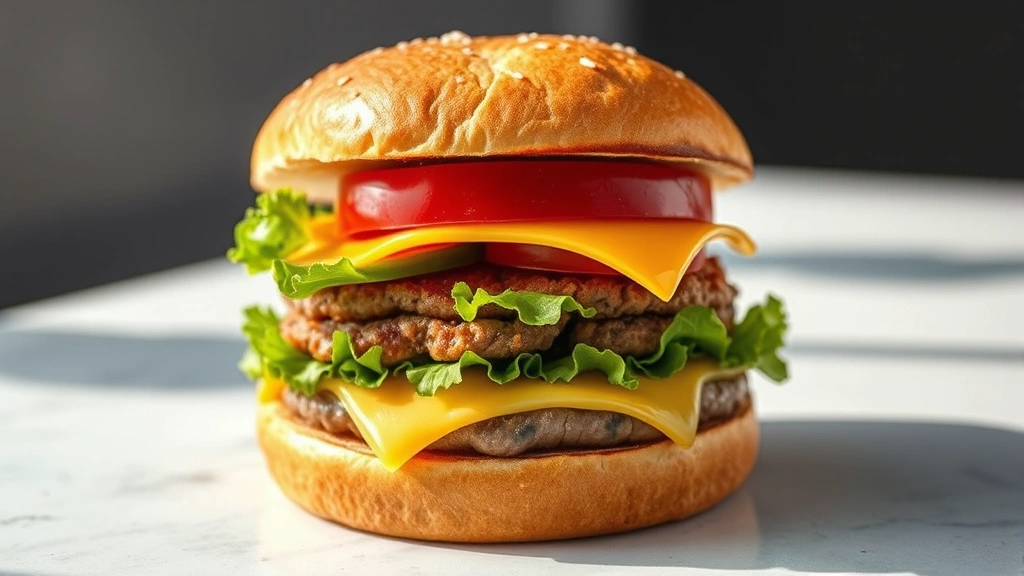
A quarter pounder typically consists of a quarter-pound (four ounces) of ground beef patty served on a bun with various toppings like lettuce, tomato, pickles, onions, and condiments. The basic structure remains consistent across most fast-food chains, though preparation methods and ingredient quality vary significantly. The beef patty itself serves as the nutritional foundation, containing protein, fat, and essential minerals like iron and zinc.
When examining nutrition quarter pounder data, it’s important to recognize that variations exist between chains and even between individual locations. McDonald’s Quarter Pounder with Cheese differs nutritionally from Burger King’s offerings, and independent burger restaurants may use entirely different beef blends and cooking techniques. These differences impact not only calorie counts but also the quality of fats, sodium levels, and micronutrient content.
The meat industry has undergone significant changes in recent decades, affecting burger nutrition profiles. Modern beef production emphasizes efficiency and consistency, which influences the fat-to-lean ratio in ground beef. Understanding these industry practices helps contextualize why quarter pounders contain the nutritional profiles they do and how consumer demand continues to shape burger offerings.
Caloric Content and Energy Density
A typical quarter pounder with cheese contains approximately 540-570 calories, representing roughly 25-28% of a standard 2,000-calorie daily diet. This significant caloric load comes primarily from the beef patty (around 290 calories), cheese (80-100 calories), bun (120-140 calories), and condiments (20-50 calories). When comparing this to other menu items, the quarter pounder falls in the moderate-to-high range for fast-food burgers.
The energy density of quarter pounders deserves particular attention from a nutritional perspective. Energy density refers to the number of calories per unit of food weight. Burgers are considered high energy-density foods, meaning they pack substantial calories into relatively small portions. This characteristic can lead to overconsumption because satiety signals (fullness cues) don’t always align with caloric intake, particularly with processed foods.
Research from nutrition and obesity studies indicates that high energy-density foods contribute significantly to excess calorie consumption and weight gain. The Pew Research Center has documented changing American eating patterns, showing increased fast-food consumption correlates with rising obesity rates. A single quarter pounder meal, including fries and a beverage, can easily exceed 1,200 calories—exceeding 60% of daily recommended intake for many individuals.
For individuals following healthy nutrition plans, the caloric impact of quarter pounders requires strategic consideration. If consumed occasionally as part of a balanced diet, the caloric content becomes manageable. However, regular consumption without compensatory dietary adjustments inevitably contributes to energy imbalance and potential weight gain.
Macronutrient Breakdown
The macronutrient composition of a quarter pounder reveals important nutritional trade-offs. A typical quarter pounder with cheese contains approximately 30-32 grams of protein, 28-32 grams of fat, and 40-45 grams of carbohydrates. This distribution reflects the burger’s protein-rich beef component balanced against its refined carbohydrate bun and fatty condiments.
Protein content represents one of the quarter pounder’s nutritional strengths. At 30+ grams per burger, it provides substantial protein for muscle maintenance, enzyme production, and immune function. For individuals engaged in strength training or athletes requiring higher protein intake, this protein contribution can fit appropriately into their dietary framework. However, the protein comes packaged with significant fat and sodium, complicating its overall health profile.
The fat composition deserves detailed examination. Quarter pounders typically contain 28-32 grams of total fat, with approximately 11-13 grams being saturated fat. Saturated fat intake remains a topic of ongoing scientific debate, but mainstream health organizations recommend limiting saturated fat to less than 10% of daily calories (roughly 20-25 grams for a 2,000-calorie diet). A single quarter pounder can provide 45-65% of recommended saturated fat intake, leaving minimal room for other dietary sources.
The carbohydrate profile consists primarily of simple sugars and refined starches from the bun, providing minimal dietary fiber. This carbohydrate quality contrasts sharply with whole grain alternatives that would provide sustained energy and digestive benefits. The glycemic impact of quarter pounder carbohydrates causes rapid blood sugar elevation, potentially triggering insulin spikes and subsequent energy crashes.
Consulting resources like the Nutrition Care Manual provides evidence-based guidance on macronutrient optimization. For individuals managing conditions like diabetes or metabolic syndrome, understanding these macronutrient distributions becomes clinically relevant rather than merely informational.
Sodium and Additives
Perhaps the most concerning aspect of quarter pounder nutrition involves sodium content. A standard quarter pounder with cheese contains 750-950 milligrams of sodium, representing 33-41% of the recommended daily limit (2,300 milligrams for most adults). When combined with typical fast-food sides like fries (additional 300-400 mg sodium) and beverages, a complete meal easily exceeds daily sodium recommendations.
Excess sodium consumption correlates with elevated blood pressure, increased cardiovascular disease risk, and compromised kidney function over time. The American Heart Association emphasizes that most Americans consume substantially more sodium than recommended, with fast food representing a primary culprit. Regular quarter pounder consumption significantly contributes to this sodium excess problem.
Beyond sodium, quarter pounders contain various food additives including preservatives, flavor enhancers, and stabilizers. Beef patties may contain sodium phosphate, sodium erythorbate, and other additives ensuring consistency and shelf stability. While regulatory agencies deem these additives safe at approved levels, some consumers and health advocates question the cumulative effects of regular additive consumption.
The bun typically contains dough conditioners, preservatives, and sometimes high fructose corn syrup, adding to the chemical complexity of the finished product. Condiments introduce additional sodium, sugar, and preservatives. For individuals pursuing whole food diets or attempting to minimize processed food intake, these additive profiles represent significant departures from nutritional ideals.
When implementing tips for meal planning, reducing fast-food consumption helps minimize sodium and additive exposure while improving overall nutritional quality. However, for those occasionally consuming quarter pounders, awareness of these components enables more informed decision-making.
” alt=”Fast food restaurant kitchen worker preparing burgers at grill station with stainless steel equipment and professional cooking environment” />
Comparing Burger Options
Understanding quarter pounder nutrition requires contextual comparison with alternative burger options. A McDonald’s hamburger contains approximately 250 calories and 12 grams of fat, roughly half the caloric and fat content of a quarter pounder. This comparison demonstrates how burger size dramatically impacts nutritional profiles.
Double burgers and premium options typically exceed quarter pounders in caloric content, sometimes reaching 700-800 calories. Conversely, smaller burger formats provide significantly less energy but may leave consumers feeling unsatisfied. The quarter pounder occupies an interesting middle ground—substantial enough for satiety but not so excessive as to feel indulgent for many consumers.
Specialty burgers incorporating additional toppings, sauces, and premium ingredients often exceed quarter pounders nutritionally. A burger topped with bacon, avocado, and special sauce can easily reach 650+ calories and 40+ grams of fat. These premium variations appeal to consumers seeking enhanced flavor experiences, but their nutritional consequences warrant consideration.
Plant-based burger alternatives have emerged as nutritional competitors to traditional beef burgers. Depending on formulation, plant-based burgers may contain similar or occasionally higher caloric content compared to quarter pounders, though their macronutrient ratios and micronutrient profiles differ substantially. These alternatives appeal to environmentally conscious consumers and those reducing meat consumption, though their ultra-processed nature raises its own nutritional questions.
The Nutrition Solutions framework helps consumers evaluate burger choices within their individual dietary contexts. For some, quarter pounders represent reasonable occasional choices, while for others managing specific health conditions, smaller or alternative burger options prove more appropriate.
Health Expert Recommendations
Registered dietitians and nutrition scientists generally recommend limiting quarter pounder consumption to occasional indulgences rather than regular dietary staples. The combination of high calories, saturated fat, and sodium creates a nutritional profile that conflicts with recommendations for chronic disease prevention.
For individuals managing hypertension, the sodium content alone makes regular quarter pounder consumption problematic. Medical professionals typically recommend avoiding high-sodium processed foods as part of blood pressure management strategies. Similarly, those with elevated cholesterol or cardiovascular disease risk should minimize saturated fat intake, making frequent quarter pounder consumption inadvisable.
However, health experts recognize that complete dietary restriction often backfires, creating psychological deprivation that leads to binge eating or diet abandonment. Instead, evidence-based approaches emphasize moderation and mindful consumption. Enjoying a quarter pounder occasionally—perhaps monthly rather than weekly—fits within flexible, sustainable dietary patterns for most individuals.
Experts recommend strategic modifications when consuming quarter pounders. Requesting lettuce wraps instead of buns reduces carbohydrates and calories while maintaining satisfaction. Skipping cheese eliminates 80-100 calories and 5-6 grams of saturated fat. Choosing water instead of sugary beverages prevents additional caloric and sugar intake. These small modifications accumulate into meaningful nutritional improvements.
The concept of nutrition and mental health relationship also merits consideration. Regular fast-food consumption associates with increased depression and anxiety risk in epidemiological studies. While causality remains debated, the psychological benefits of prioritizing whole foods extend beyond physical health metrics.
Strategic Consumption Approaches
For individuals who enjoy quarter pounders and wish to incorporate them into balanced diets, strategic approaches minimize nutritional harm while preserving enjoyment. One effective strategy involves compensatory dietary patterns—if consuming a quarter pounder meal, reduce caloric intake elsewhere that day or increase physical activity.
Meal timing represents another strategic consideration. Consuming a quarter pounder at lunch, followed by a lighter dinner emphasizing vegetables and lean protein, maintains daily caloric balance. Conversely, quarter pounder consumption immediately before sedentary periods (office work, television watching) leads to energy accumulation and potential weight gain.
Pairing quarter pounders with nutrient-dense sides maximizes nutritional value. Substituting french fries with side salads adds fiber, micronutrients, and satiety-promoting volume without excessive calories. Choosing unsweetened beverages prevents additional sugar and caloric intake. These pairings don’t eliminate the quarter pounder’s nutritional trade-offs but substantially improve overall meal quality.
Frequency management proves critical for long-term health outcomes. Consuming quarter pounders weekly creates cumulative nutritional consequences that occasional consumption avoids. Most nutrition experts suggest limiting fast-food burger consumption to no more than twice monthly for optimal health outcomes.
Understanding personal dietary contexts helps determine appropriate quarter pounder consumption. Individuals with high activity levels, younger metabolic rates, or specific athletic goals may accommodate quarter pounder calories more readily than sedentary individuals or those managing metabolic conditions. Consulting Nutrients Pathway Blog resources provides personalized guidance for individual dietary situations.
For those seeking to reduce quarter pounder consumption, gradual transitions prove more successful than abrupt elimination. Progressively shifting toward smaller burger sizes, plant-based alternatives, or home-prepared burgers using lean ground beef allows taste preferences and eating habits to adapt without psychological deprivation.
FAQ
How many calories are in a quarter pounder?
A standard quarter pounder with cheese contains approximately 540-570 calories, though specific values vary by restaurant and preparation method. A plain quarter pounder without cheese contains roughly 450-480 calories. The bun contributes approximately 120-140 calories, while the beef patty provides 280-300 calories.
Is a quarter pounder unhealthy?
Quarter pounders aren’t inherently unhealthy when consumed occasionally as part of balanced diets. However, their high saturated fat, sodium, and refined carbohydrate content makes them nutritionally suboptimal for regular consumption. Health outcomes depend more on overall dietary patterns than individual food items.
How much fat does a quarter pounder contain?
A typical quarter pounder with cheese contains 28-32 grams of total fat, including 11-13 grams of saturated fat. This saturated fat content represents 45-65% of recommended daily limits, leaving minimal room for other dietary fat sources.
Can I eat a quarter pounder on a diet?
Yes, quarter pounders can fit into weight loss diets when consumed strategically. Limiting frequency, reducing portion sizes, making modifications (skipping cheese, using lettuce wraps), and compensating with reduced intake elsewhere enables occasional quarter pounder consumption without derailing weight loss goals.
What’s the sodium content in a quarter pounder?
Quarter pounders typically contain 750-950 milligrams of sodium, representing 33-41% of recommended daily limits. This high sodium content makes regular consumption problematic for individuals managing hypertension or cardiovascular disease.
Are there healthier burger alternatives?
Yes, several alternatives exist. Smaller hamburgers contain roughly half the calories and fat of quarter pounders. Plant-based burgers offer different nutritional profiles. Home-prepared burgers using lean ground beef and whole grain buns provide greater nutritional control. Grilled chicken sandwiches offer high protein with lower fat content.
How often can I safely eat quarter pounders?
Most nutrition experts recommend limiting fast-food burger consumption to no more than twice monthly for optimal health outcomes. Those with specific health conditions (hypertension, cardiovascular disease, diabetes) should consume even less frequently or avoid them entirely.


