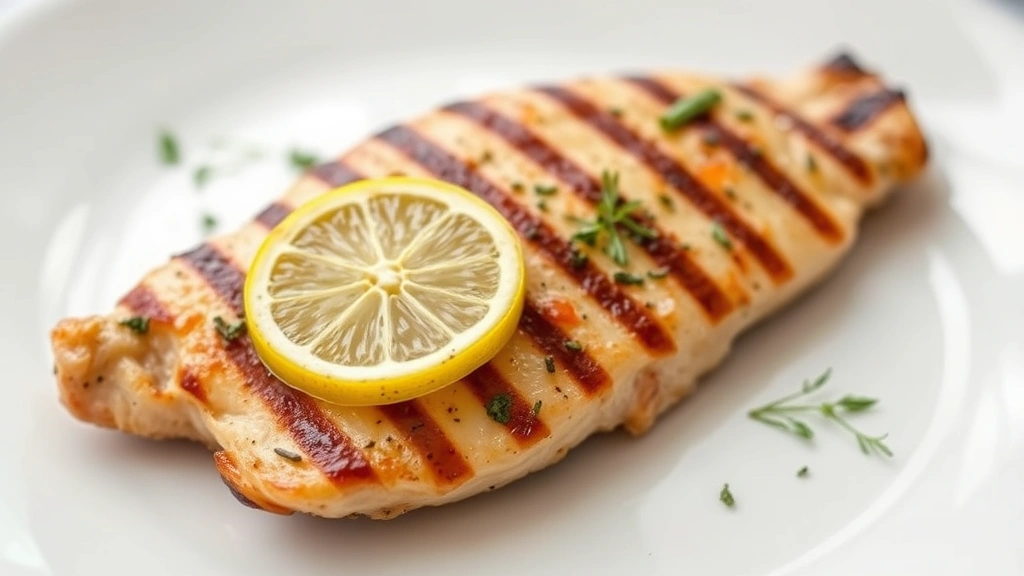
Is Zaxby’s Healthy? A Dietitian’s Honest Opinion on Nutrition
Zaxby’s has become a go-to spot for chicken lovers across the Southeast, but the question lingers: is it actually healthy? As a registered dietitian, I’ve analyzed their menu extensively, and the answer is nuanced. While Zaxby’s does offer some nutritionally sound options, the majority of their menu skews toward high-calorie, sodium-laden choices that don’t align with most wellness goals. This comprehensive guide breaks down what you need to know before ordering.
The fast-casual chicken chain has expanded rapidly, capitalizing on the growing demand for customizable, quick meals. However, customization cuts both ways—it allows health-conscious diners to make better choices, but it also makes it easy to unknowingly consume excessive calories, saturated fat, and sodium in a single meal. Understanding how to navigate their menu requires knowledge of their nutritional landscape and strategic ordering decisions.
Zaxby’s Nutrition Overview: What the Data Shows
When examining nutrition at Zaxby’s, the baseline reality is sobering: most menu items exceed recommended daily intake limits for sodium and saturated fat in a single meal. Their signature items, while delicious, aren’t designed with nutritional optimization in mind. The chain’s core business model centers on flavor and satisfaction through generous portions and rich sauces—two factors that directly contradict dietary guidelines.
The nutritional foundation of Zaxby’s offerings relies heavily on fried chicken as the primary protein source. While chicken itself is a lean protein, the preparation method—deep frying in oil—introduces significant caloric density and unhealthy fat. A standard Zaxby’s chicken tenders meal can deliver 800-1,200 calories before adding sides or beverages, which represents 40-60% of a typical 2,000-calorie daily diet in one sitting.
What’s particularly concerning is the invisible sodium in their sauces and seasonings. Many customers don’t realize that their sauce choice can add 300-500mg of sodium (13-22% of daily limits) to an already sodium-heavy fried item. This cumulative effect makes it challenging to maintain healthy sodium levels throughout the day if you’re eating at Zaxby’s regularly.
For those following a healthy nutrition plan, Zaxby’s requires intentional strategy rather than mindless ordering. The good news? Strategic choices exist if you know what to look for.
Calorie Content Analysis: Breaking Down the Numbers
Zaxby’s menu spans a wide caloric range, from approximately 300-calorie items to meals exceeding 1,600 calories. Understanding where items fall on this spectrum is crucial for maintaining caloric balance, especially if you’re optimizing your diet for athletic performance or weight management.
Their classic chicken sandwich runs approximately 520-580 calories depending on preparation, while their premium sandwiches with extra toppings push toward 700+ calories. Combo meals—which include fries and a drink—typically total 1,200-1,400 calories for a single eating occasion. For context, this represents 60-70% of a 2,000-calorie daily allowance.
The calorie density issue becomes particularly problematic when you consider portion sizes. Zaxby’s fries are notably generous, contributing 400-500 calories per serving. Their signature sauce, while flavorful, adds 200+ calories per serving due to its mayonnaise base. These components transform a moderately-calorie sandwich into a caloric behemoth.
Grilled options exist but represent a minority of their menu focus. Grilled chicken sandwiches reduce calorie content to 450-520 calories—still substantial but more manageable than fried alternatives. However, the chain doesn’t heavily promote these options, and many locations don’t feature them prominently on menus.
Sodium and Heart Health: A Major Concern
Perhaps the most significant health concern with Zaxby’s is sodium content. The American Heart Association recommends 2,300mg maximum daily sodium, with an ideal limit of 1,500mg for optimal heart health. A single Zaxby’s meal frequently exceeds 1,500mg of sodium.
Their chicken tenders—a signature item—contain approximately 1,200-1,400mg of sodium per serving. Add a sauce with 400-500mg sodium, and you’ve consumed nearly your entire daily limit in one meal. For individuals with hypertension, this single meal could represent dangerous sodium overload.
The sodium comes from multiple sources: the seasoning blend used on fried chicken, the frying oil’s salt content, sauces, and bread products. This multi-source approach makes it nearly impossible to significantly reduce sodium through simple modifications like removing sauce. The damage is largely done during the cooking process.
Regular consumption of such high-sodium meals increases cardiovascular disease risk, elevates blood pressure, and contributes to fluid retention. For those managing hypertension or at risk for heart disease, Zaxby’s should be an occasional indulgence rather than a regular eating pattern. Research from the American Heart Association consistently demonstrates the link between high sodium intake and cardiovascular complications.
Protein Quality Assessment: Strengths and Limitations
One legitimate nutritional strength of Zaxby’s is protein content. Most chicken-based entrees deliver 30-45g of protein per serving, which supports satiety and muscle maintenance. For individuals prioritizing protein intake, this represents a genuine benefit compared to many fast-food alternatives.
However, protein quality extends beyond mere quantity. The amino acid profile of their chicken is complete—it contains all essential amino acids—but the preparation method compromises the overall nutritional profile. You’re getting quality protein wrapped in a package of excess calories, unhealthy fats, and sodium.
Additionally, the protein-to-calorie ratio is suboptimal. While a grilled chicken breast contains approximately 31g protein in 165 calories, a Zaxby’s fried chicken sandwich delivers 35g protein in 550+ calories. The efficiency difference is substantial. You’re consuming three times the calories for marginally more protein.
For those focused on muscle building or maintenance, the protein content is beneficial, but it should be contextualized within the broader nutritional picture. The accompanying saturated fat (often 12-18g per item) and sodium create a trade-off that sophisticated nutrition planning should acknowledge.
Healthier Menu Choices: What Actually Works
Despite the general nutritional landscape, Zaxby’s does offer some defensible options for health-conscious diners. The grilled chicken sandwich, when prepared without mayo-heavy sauces, delivers approximately 450 calories, 40g protein, and can be modified for lower sodium.
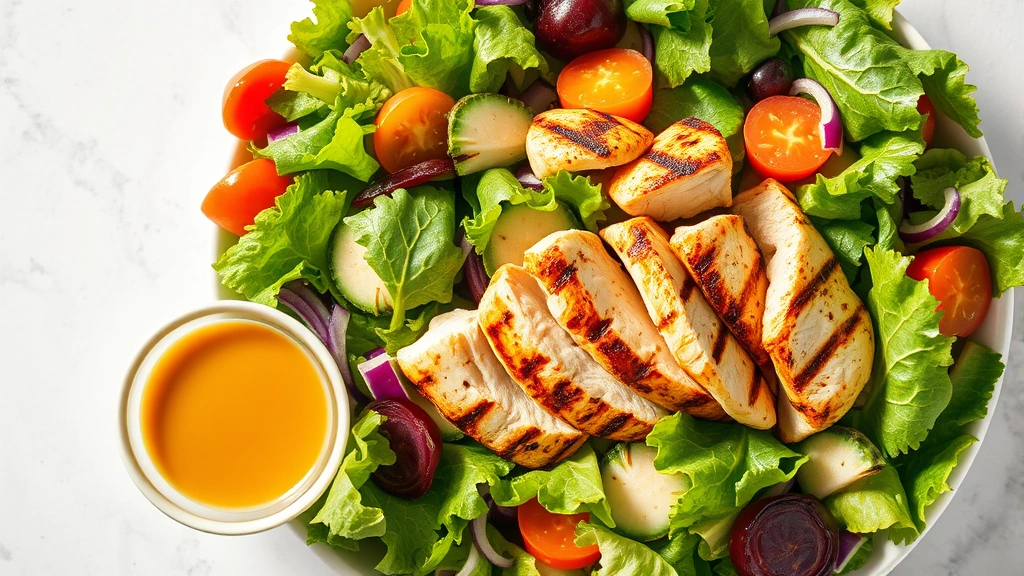
Their salad menu provides another avenue, though with caveats. Grilled chicken salads contain 300-400 calories before dressing, making them relatively reasonable. However, most dressings add 200-300 calories, and the creamy options are particularly calorie-dense. Requesting dressing on the side and using measured portions is essential.
The blackened chicken option—available at many locations—represents a superior preparation method to standard frying. Blackening uses spices and heat rather than oil immersion, reducing overall fat content while maintaining flavor. This option is significantly underutilized despite being more nutritionally sound.
Sides matter critically for overall meal balance. Choosing a side salad or fruit cup instead of fries reduces caloric load by 300-400 calories. Requesting water or unsweetened tea instead of sweetened beverages eliminates 200-300 empty calories. These seemingly minor choices compound significantly.
The nutrition label generator tools can help you analyze Zaxby’s nutrition data alongside other restaurants, enabling comparative decision-making. Understanding how individual items stack nutritionally allows strategic planning.
Smart Customization Strategy: Making Zaxby’s Work
If you’re eating at Zaxby’s, strategic customization is your best tool for improving nutritional outcomes. Start by requesting no sauce or sauce on the side—this single modification can reduce sodium and calories by 200-400 per meal.
Choose grilled over fried whenever possible. While grilled items aren’t heavily promoted, most locations can prepare them. You’ll reduce caloric content by 150-250 calories and saturated fat by 8-12g per item.
Request extra lettuce, tomato, and onion on sandwiches to increase fiber and nutrient density without significant caloric increase. These vegetables add volume and satiety while contributing negligible calories.
For beverages, water, unsweetened tea, or diet sodas eliminate liquid calories entirely. This single choice saves 200-300 calories compared to regular sodas or sweet tea.
If ordering combo meals, request substitutions. Many locations will replace fries with a salad or side item at no additional charge. Verify with your specific location, but most accommodate this request.
Portion awareness is crucial. Consider sharing an entree, ordering a smaller size, or saving half for later. Zaxby’s portions are substantial, and eating less than the full serving significantly improves nutritional balance.
How Zaxby’s Compares to Competitors in the Fast-Casual Space
When contextualized within the fast-casual chicken market, Zaxby’s occupies a middle ground nutritionally. Compared to chains like Chick-fil-A, Zaxby’s generally offers less healthy baseline options—Chick-fil-A’s grilled chicken sandwich (320 calories) significantly outperforms Zaxby’s fried equivalent (520+ calories).
However, Zaxby’s customization options exceed some competitors. Their sauce-on-the-side approach and grilled alternatives provide more flexibility than certain chains that don’t offer these modifications.
Compared to traditional fast food (McDonald’s, Burger King), Zaxby’s chicken-focused menu provides higher protein density and slightly better overall nutrition. The protein content advantage is meaningful for those prioritizing macronutrient balance.
Regional chains like Wingstop and Raising Cane’s offer similar nutritional challenges—their menus center on fried chicken, creating comparable high-sodium, high-calorie baselines. The differentiation comes down to specific preparation methods and customization flexibility.
For comprehensive nutrition planning, understanding nutrition facts label generation across multiple chains helps identify the genuinely healthier options within your market. Many restaurants publish detailed nutrition information online, enabling informed comparisons.
Industry analysis from Pew Research Center on food consumption patterns shows that fast-casual chains are increasingly competing on health positioning. Zaxby’s lags behind some competitors in promoting genuinely healthy options, though this landscape continues evolving.

FAQ
What’s the healthiest thing to order at Zaxby’s?
The grilled chicken salad with dressing on the side, paired with water, represents the healthiest standard option. Request no croutons and minimal cheese to further reduce calories and saturated fat. This combination typically delivers 350-450 calories with 30-35g protein and manageable sodium levels compared to other menu items.
Can I eat at Zaxby’s regularly and maintain a healthy diet?
Occasional visits (1-2 times monthly) are compatible with most healthy eating patterns if you make strategic choices. Regular weekly consumption creates challenges due to sodium and caloric density. If eating there more frequently, prioritize grilled options, skip sauces, and balance with vegetable-focused meals at other times.
Is Zaxby’s chicken actually chicken?
Yes, Zaxby’s uses real chicken breast and tenders. However, the preparation method (breading, frying, sauce application) obscures the inherent health benefits of the protein source. The processing significantly impacts the overall nutritional profile.
What about their nutrition information transparency?
Zaxby’s provides detailed nutrition information on their website and in-restaurant. Their transparency is commendable and allows informed decision-making. This data forms the basis of this analysis.
How does Zaxby’s compare to homemade chicken meals?
Homemade grilled chicken with roasted vegetables provides substantially better nutrition—typically 300-400 calories with 35-40g protein, minimal sodium, and abundant micronutrients. The comparison highlights why home cooking remains the gold standard for health-conscious eating, though Zaxby’s offers convenience advantages.
Are there allergen concerns at Zaxby’s?
Zaxby’s provides allergen information for those with documented allergies. However, cross-contamination risks exist in their kitchens due to shared frying oil and prep surfaces. Those with severe allergies should contact their location directly for detailed preparation information.
What about their sauces—which are healthiest?
Their vinegar-based sauces (like their signature sauce alternative options) typically contain fewer calories than mayo-based varieties. However, all sauces are sodium-dense. Requesting sauce on the side and using minimal amounts represents the best approach rather than selecting a “healthier” sauce.


