
Chicken Wings Nutrition: Dietitian’s Breakdown
Chicken wings have evolved from bar-food obscurity to a globally recognized protein staple, yet their nutritional profile remains misunderstood by many consumers. Whether you’re a fitness enthusiast, casual diner, or health-conscious parent, understanding the nutritional content of chicken wings is essential for making informed dietary choices. This comprehensive guide breaks down the macronutrients, micronutrients, and preparation methods that define wing nutrition, helping you incorporate this versatile protein into a balanced diet.
Wings occupy a unique position in modern nutrition discussions. They’re protein-rich, relatively affordable, and incredibly versatile—qualities that make them attractive across diverse dietary approaches. However, preparation methods dramatically influence their health impact, transforming a nutrient-dense food into a calorie-dense indulgence depending on cooking technique, sauces, and portion sizes. This dietitian-backed analysis examines what happens nutritionally when wings hit your plate.
Macronutrient Breakdown of Chicken Wings
A standard serving of chicken wings—approximately 3.5 ounces or 100 grams of raw wing meat—contains roughly 203 calories, with macronutrient distribution heavily skewed toward protein and fat. This composition makes wings particularly valuable for anyone following nutrition for athletes optimizing performance, as the protein content supports muscle recovery and synthesis.
Protein Content: Raw chicken wings deliver approximately 30 grams of protein per 100-gram serving, making them one of the most protein-dense foods available. Cooking methods slightly reduce protein concentration through moisture loss, but the percentage of total calories remains protein-dominant. This high protein density explains why wings appear frequently in bodybuilding nutrition plans and sports recovery protocols.
Fat Profile: Wings contain roughly 11 grams of total fat per 100-gram raw serving, with this figure increasing substantially when cooked, particularly if deep-fried. The fat composition includes approximately 3 grams of saturated fat, 4 grams of monounsaturated fat, and 2 grams of polyunsaturated fat. This distribution is relatively balanced compared to other protein sources, though cooking method dramatically alters these ratios. Deep-frying wings can increase total fat content to 17-20 grams per serving depending on oil absorption.
Carbohydrate Content: Plain chicken wings contain zero grams of carbohydrates in their raw state, making them compatible with ketogenic and low-carb dietary approaches. However, sauces and glazes introduce significant carbohydrate content—a critical consideration explored in depth later in this analysis.
The caloric density of wings varies considerably based on preparation. Grilled plain wings contain approximately 203 calories per 100 grams, while deep-fried versions reach 320-360 calories per 100 grams. This difference becomes substantial when consuming multiple servings, potentially adding 500+ extra calories to a meal through cooking method alone.
Micronutrients and Vitamins
Beyond macronutrients, chicken wings provide essential micronutrients that support various physiological functions. Understanding this micronutrient profile is particularly important for those implementing strategies to improve nutrient absorption, as the bioavailability of wing nutrients varies based on preparation and accompaniments.
B Vitamins: Wings are exceptional sources of B-complex vitamins, particularly niacin (vitamin B3), which plays crucial roles in energy metabolism and DNA repair. A 100-gram serving provides approximately 7.5 milligrams of niacin, representing roughly 47% of the daily recommended value. Vitamin B6 content reaches approximately 0.7 milligrams per serving, supporting amino acid metabolism and immune function. Pantothenic acid (B5) appears in meaningful quantities, contributing to fatty acid synthesis and energy production.
Selenium: Chicken wings deliver substantial selenium, with approximately 27 micrograms per 100-gram serving—roughly 49% of the daily recommended value. This mineral functions as a critical component of selenoproteins, which provide antioxidant defense and thyroid hormone metabolism support. Selenium deficiency correlates with increased inflammation and compromised immune function, making wing consumption particularly valuable for immune-compromised individuals.
Phosphorus: Wings contain approximately 195 milligrams of phosphorus per 100-gram serving, supporting bone health, energy production, and cellular function. Phosphorus works synergistically with calcium, though wings contain minimal calcium themselves—a consideration for those relying heavily on poultry for mineral intake.
Zinc: Approximately 2.4 milligrams of zinc per 100-gram serving supports immune function, wound healing, and protein synthesis. Zinc bioavailability from poultry sources is superior to plant-based sources, making wings a particularly efficient zinc source for vegetarians incorporating poultry.
Iron Content: Wings provide approximately 1.3 milligrams of iron per 100-gram serving. While this represents a modest amount compared to red meat, the heme iron present in poultry demonstrates superior absorption rates compared to non-heme iron from plant sources.
Preparation Methods Impact Nutrition
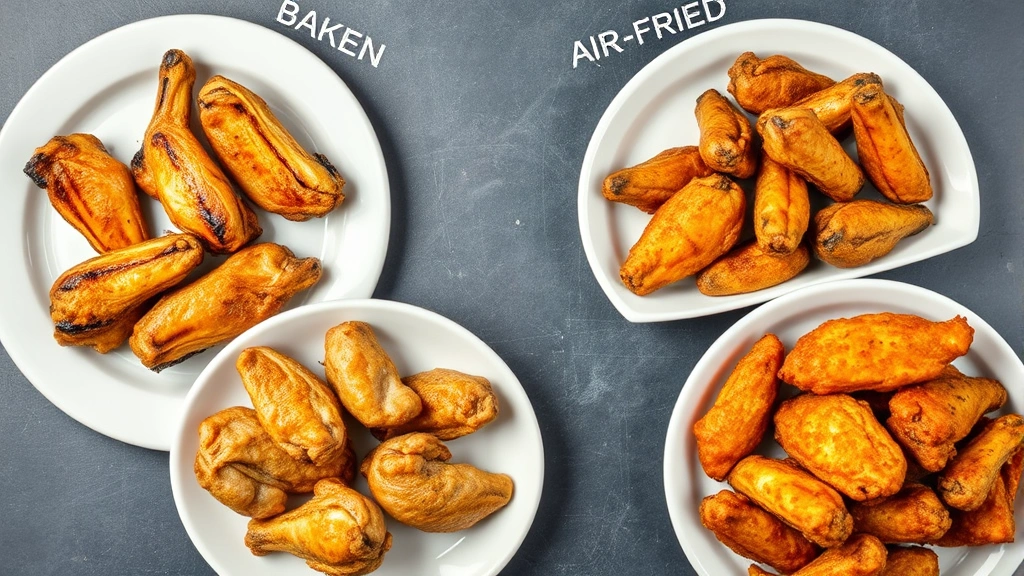
Cooking method fundamentally transforms wing nutrition, with different techniques producing vastly different nutritional outcomes. This distinction is absolutely critical when evaluating wings within the context of a healthy nutrition plan for eating well for life.
Grilled Wings: Grilling represents one of the healthiest preparation methods, allowing fat to drip away from the meat while maintaining nutritional integrity. Grilled wings retain approximately 203 calories per 100 grams, with minimal nutrient loss. The Maillard reaction during grilling creates beneficial compounds with potential antioxidant properties, though research on grilled meat compounds remains ongoing. Grilled wings work excellently as part of balanced meal planning strategies.
Baked Wings: Oven-baking at 400-425°F produces crispy exteriors while maintaining nutritional density similar to grilling. Baked wings contain approximately 240-260 calories per 100 grams when prepared without added oils, making them slightly more calorie-dense than grilled versions due to retained moisture. The dry-heat cooking method preserves B vitamins and minerals effectively, though some heat-sensitive nutrients experience modest degradation.
Air-Fried Wings: Air frying has emerged as a popular middle-ground approach, producing crispy textures with minimal oil addition. Air-fried wings typically contain 220-250 calories per 100 grams, positioning them nutritionally between grilled and deep-fried preparations. The rapid circulating heat creates desirable browning while reducing oil absorption compared to traditional frying.
Deep-Fried Wings: Traditional deep-frying dramatically increases caloric content through oil absorption, pushing wing calories to 320-360 per 100 grams. The extended oil exposure oxidizes fats, creating trans fats and potentially harmful compounds like acrylamide. While deep-fried wings remain popular, their nutritional profile makes them suitable primarily for occasional consumption rather than regular dietary staples. Restaurant-quality deep-fried wings often contain additional breading, further increasing caloric density and carbohydrate content.
Slow-Cooked Wings: Slow cooking in broths or sauces produces tender, flavorful wings while retaining nutritional value. This method preserves heat-sensitive nutrients better than high-temperature cooking, though sauce ingredients significantly impact final nutritional composition. Slow-cooked wings work particularly well for meal preparation strategies.
Comparison with Other Chicken Cuts
Understanding how wings compare nutritionally to other chicken portions helps contextualize their place within poultry-based diets. Different cuts offer distinct nutritional advantages and disadvantages.
Wings vs. Chicken Breast: Chicken breasts contain approximately 31 grams of protein and only 3.6 grams of fat per 100-gram serving, making them leaner than wings. Breasts provide 165 calories compared to wings’ 203 calories per 100 grams. However, wings offer superior mineral content, particularly selenium and zinc. The higher fat content in wings improves satiety and nutrient absorption, particularly for fat-soluble vitamins. For athletic performance and muscle building, both cuts excel, though wings provide more micronutrient diversity.
Wings vs. Chicken Thighs: Thighs contain approximately 26 grams of protein and 17 grams of fat per 100-gram serving, with 209 calories per 100 grams. Thighs exceed wings in fat content but offer similar micronutrient profiles. The higher fat in thighs improves flavor and moisture retention during cooking, though wings provide superior protein-to-calorie ratios. For those prioritizing protein intake, wings edge out thighs slightly.
Wings vs. Chicken Drumsticks: Drumsticks contain approximately 28 grams of protein and 6 grams of fat per 100-gram serving, with 187 calories. Drumsticks are leaner than wings while maintaining comparable protein content. The distinction becomes primarily about fat preference and micronutrient density, where wings offer marginally superior mineral profiles.
Wings in Athletic Performance
Athletes and fitness enthusiasts frequently incorporate wings into performance-focused nutrition protocols. The protein content supports muscle protein synthesis, while the fat component aids hormone production and vitamin absorption. As detailed in comprehensive resources about nutrition for athletes optimizing performance through diet, wings serve multiple functions within sports nutrition frameworks.
Post-Workout Recovery: Wings’ protein-to-calorie ratio makes them excellent post-exercise meals, particularly when paired with carbohydrate sources. The rapid amino acid absorption supports muscle repair processes initiated during training sessions. The fat content slows gastric emptying, providing sustained amino acid delivery to muscles over extended periods.
Muscle Building: The complete amino acid profile in wings includes all nine essential amino acids, with particularly high leucine content—a critical branched-chain amino acid triggering muscle protein synthesis through mTOR pathway activation. Consuming wings as part of athletic nutrition planning supports hypertrophy goals effectively.
Energy Density: For athletes requiring substantial caloric intake, wings provide efficient protein delivery without excessive volume. This characteristic proves valuable for individuals struggling to meet caloric targets through lean protein sources alone.
Sauce and Seasoning Considerations

Sauces and seasonings fundamentally alter wing nutritional composition, often introducing significant quantities of added sugars, sodium, and calories. This transformation deserves careful consideration when evaluating wings’ place in balanced nutrition.
Buffalo Sauce: Traditional buffalo sauce—composed primarily of hot sauce and butter—adds approximately 100-150 calories per serving while introducing 2-3 grams of fat and minimal carbohydrates. The capsaicin in hot peppers provides metabolism-boosting benefits and anti-inflammatory properties. However, restaurant versions often contain excessive sodium, reaching 1,000+ milligrams per serving.
BBQ Sauce: Barbecue sauces typically contain 8-12 grams of added sugar per serving, dramatically increasing carbohydrate content and caloric density. A typical serving adds 150-200 calories, with added sugars representing 60-70% of total calories in the sauce itself. For individuals monitoring added sugar intake, BBQ-sauced wings require careful portion control.
Honey Garlic Sauce: Honey-based glazes introduce 10-15 grams of sugar per serving while adding complex flavors. These sauces provide approximately 180-220 additional calories, with the majority deriving from carbohydrates. However, honey contains beneficial compounds like antioxidants and antimicrobial properties.
Dry Rubs: Seasoning wings with salt-based dry rubs or spice blends adds minimal calories while enhancing flavor through herbs, spices, and aromatics. This approach preserves wing nutritional integrity while providing phytonutrients from spices like paprika, cumin, and garlic powder.
Sodium Concerns: Many sauces and seasonings introduce excessive sodium, with restaurant wings frequently exceeding 1,500-2,000 milligrams per serving. This represents 65-87% of the daily recommended sodium intake in a single meal. Individuals managing hypertension or cardiovascular conditions should prioritize unsauced or lightly seasoned preparations.
Portion Control Strategies
Effective wing consumption requires deliberate portion control, particularly given their caloric density and ease of overconsumption. Implementing structured strategies supports consistent nutritional goals.
Standard Serving Size: A standard serving consists of 3-4 wings (approximately 85-110 grams), providing 170-220 calories and 25-30 grams of protein depending on preparation method. Most nutritional guidelines recommend treating this quantity as a single protein serving within balanced meals.
Meal Planning Integration: Incorporating wings into structured meal planning strategies prevents overconsumption through deliberate portion pre-planning. Preparing wings in measured quantities during meal prep sessions facilitates consistent intake tracking.
Pairing with Vegetables: Consuming wings alongside substantial vegetable portions increases satiety while maintaining caloric targets. The fiber in vegetables slows digestion and promotes feeling full on fewer total calories.
Hydration Awareness: Wings’ relatively high sodium content increases thirst, which some individuals misinterpret as continued hunger. Consuming adequate water alongside wings prevents fluid-driven overeating.
Mindful Eating Practices: Slowing consumption speed and focusing on eating without distractions reduces total intake through improved satiety signaling. This approach proves particularly valuable for wing consumption, where the eating experience often encourages rapid consumption.
Frequency Recommendations: For general health maintenance, consuming wings 2-3 times weekly supports nutritional variety while preventing excessive sodium and potentially harmful compound accumulation from frequent deep-frying. Athletes may consume wings more frequently without adverse effects when preparation methods emphasize grilling or baking.
FAQ
How many calories are in a single chicken wing?
A single medium chicken wing contains approximately 40-50 calories when prepared plain and grilled. Deep-fried wings contain 60-90 calories each due to oil absorption. Sauced wings add 20-50 additional calories depending on sauce type and quantity.
Are chicken wings healthy for weight loss?
Chicken wings support weight loss when prepared through healthy cooking methods and consumed in controlled portions. Their high protein content promotes satiety, reducing overall caloric intake. However, deep-fried or heavily sauced wings may hinder weight loss goals through excess calories. Focus on grilled, baked, or air-fried preparations without high-sugar sauces.
Do chicken wings contain any carbohydrates?
Plain chicken wings contain zero carbohydrates. However, most sauces and glazes introduce 5-15 grams of carbohydrates per serving, with added sugars comprising the majority. Unsauced wings remain carbohydrate-free, making them compatible with ketogenic and low-carb diets.
What is the best cooking method for wing nutrition?
Grilling and baking represent optimal cooking methods, preserving nutritional integrity while minimizing added fats. Air frying provides a middle-ground approach, creating crispy textures with minimal oil. Deep frying should be reserved for occasional consumption due to oxidized fat formation and excessive caloric density.
How do chicken wings compare to other protein sources?
Wings offer comparable protein content to other poultry cuts while providing superior micronutrient diversity. Their fat content facilitates nutrient absorption better than extremely lean proteins. However, chicken breasts provide slightly higher protein percentages with lower caloric density, while fish options offer omega-3 fatty acids wings lack.
Can chicken wings be part of a healthy diet?
Absolutely. Wings support balanced nutrition when prepared through healthy cooking methods, consumed in appropriate portions, and integrated into a healthy nutrition plan for eating well for life. Their protein density, micronutrient profile, and versatility make them valuable dietary components for most individuals.
How does sodium content in wings affect health?
Restaurant and sauced wings often contain 1,500-2,000 milligrams of sodium per serving, representing 65-87% of daily recommendations. Excessive sodium consumption correlates with hypertension and cardiovascular disease. Preparing wings at home with minimal added salt or sauces reduces sodium substantially, making homemade preparations significantly healthier than restaurant versions.
Understanding chicken wing nutrition empowers informed dietary decisions that align with individual health goals and preferences. By prioritizing healthy preparation methods, controlling portions, and being mindful of sauce additions, wings become valuable components of balanced, sustainable nutrition plans. Whether supporting athletic performance, weight management, or general health maintenance, properly prepared chicken wings deliver substantial nutritional value deserving their place in modern dietary approaches.


