Portabella Mushrooms’ Nutrition: Dietitian Explains
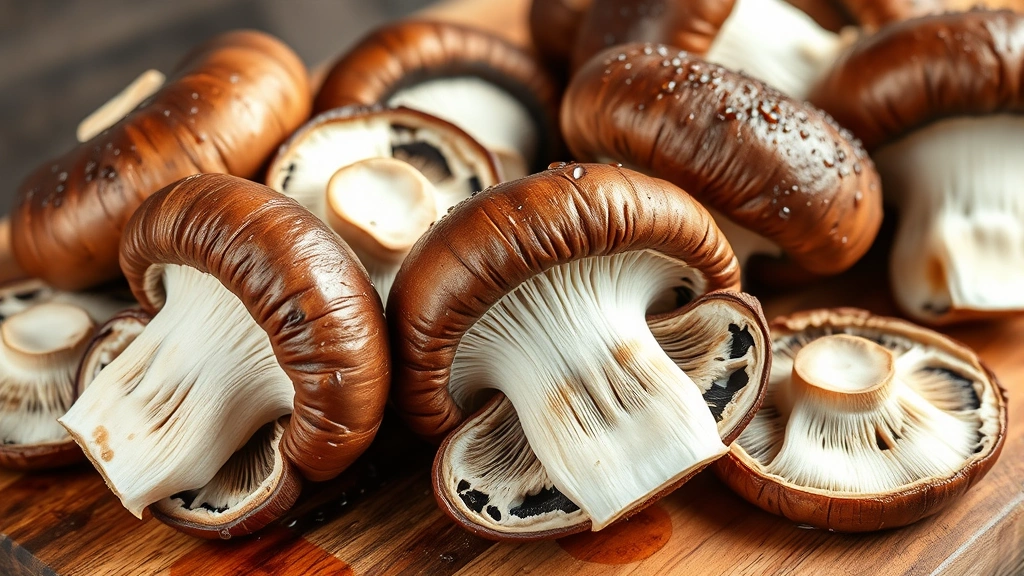
Portabella mushrooms have become a staple in modern kitchens, celebrated not just for their meaty texture and rich flavor, but for their impressive nutritional profile. As a registered dietitian nutritionist, I’ve observed growing interest in these fungi as people seek plant-based protein sources and nutrient-dense whole foods. Understanding what makes portabellas nutritionally significant can help you make informed decisions about incorporating them into your healthy nutrition plan.
These large brown mushrooms aren’t just trendy—they’re backed by solid nutritional science. Whether you’re grilling them as a burger substitute, sautéing them as a side dish, or adding them to soups and stews, portabellas deliver meaningful amounts of vitamins, minerals, and bioactive compounds that support overall wellness. This comprehensive guide breaks down the nutritional content, health benefits, and practical applications of portabella mushrooms based on evidence-based nutrition science.
Complete Nutritional Breakdown Per Serving
One medium portabella mushroom (approximately 84 grams raw) contains roughly 4 calories, making it an exceptionally low-calorie food that’s perfect for weight management goals. The macronutrient profile is equally impressive: each mushroom provides about 0.7 grams of protein, 0.1 grams of fat, and 0.7 grams of carbohydrates, with 0.4 grams of dietary fiber.
When you examine the micronutrient content, portabellas truly shine. A single medium mushroom delivers approximately 8 micrograms of folate, 5 milligrams of niacin, 0.5 milligrams of pantothenic acid, and 0.1 milligrams of riboflavin. These B vitamins play crucial roles in energy metabolism and cellular function. Additionally, portabellas provide potassium (about 305 milligrams), phosphorus (86 milligrams), copper (0.2 milligrams), and selenium (9.3 micrograms).
The moisture content of raw portabellas is approximately 92%, which means they’re exceptionally hydrating. When cooked, this water content reduces, concentrating the nutrients and making the mushroom more nutrient-dense per serving. Understanding this distinction is important when planning meals and calculating nutritional intake for your meal planning strategies.
Key Nutrients and Their Functions
B Vitamins and Energy Metabolism: Portabellas are excellent sources of B-complex vitamins, particularly niacin and pantothenic acid. Niacin (vitamin B3) supports DNA repair, energy production, and nervous system function. Pantothenic acid (vitamin B5) is essential for synthesizing coenzyme A, a molecule vital for energy metabolism and hormone production. These nutrients are particularly important for individuals with high activity levels or those managing stress.
Mineral Content and Bone Health: The phosphorus and potassium in portabellas support bone health and cardiovascular function. Potassium is crucial for maintaining healthy blood pressure levels, while phosphorus works synergistically with calcium to build and maintain bone structure. The copper content, though small, plays a role in iron absorption and collagen formation—important for maintaining healthy connective tissues.
Selenium and Immune Function: Portabellas contain selenium, a trace mineral that functions as a cofactor for selenoproteins, including glutathione peroxidase, a powerful antioxidant enzyme. This mineral supports immune function, thyroid hormone metabolism, and helps protect cells from oxidative damage. Just one medium portabella provides roughly 17% of the daily recommended value for selenium.
Folate content in portabellas is particularly significant for women of childbearing age and pregnant individuals. This B vitamin is essential for DNA synthesis and cell division, making it critical during periods of rapid growth and development. Regular consumption of folate-rich foods like portabellas supports healthy pregnancy outcomes and may reduce birth defect risk.
Bioactive Compounds and Antioxidants
Beyond basic vitamins and minerals, portabellas contain numerous bioactive compounds that research suggests may provide additional health benefits. These include ergothioneine, a unique amino acid found almost exclusively in mushrooms, which functions as a powerful antioxidant and may protect against neurological decline. Some researchers have termed ergothioneine the “longevity antioxidant” due to its potential role in healthy aging.
Portabellas also contain polysaccharides, including beta-glucans, which have been studied extensively for their immune-modulating properties. These compounds may enhance natural killer cell activity and support overall immune resilience. The lentinan and other polysaccharides in portabellas have shown promise in laboratory and animal studies, though human clinical trials are still ongoing.
The phenolic compounds in portabellas contribute to their antioxidant capacity, helping neutralize free radicals and reduce oxidative stress. This is particularly relevant given modern lifestyle factors like pollution exposure, processed food consumption, and chronic stress that increase free radical production. By including antioxidant-rich foods like portabellas, you’re supporting your body’s natural defense systems and potentially reducing inflammation.
Ergot alkaloids and other fungal metabolites in portabellas may also support cardiovascular health by promoting healthy cholesterol levels and supporting endothelial function. While more research is needed, preliminary studies suggest that regular mushroom consumption correlates with improved cardiovascular markers in observational studies.

How Portabellas Compare to Other Mushrooms
While all mushrooms offer nutritional benefits, portabellas stand out for specific nutrients. Button mushrooms (the white variety) have similar caloric and macronutrient profiles but slightly lower levels of certain minerals. Shiitake mushrooms contain more copper and vitamin D (when exposed to sunlight during growth), while oyster mushrooms provide more niacin. Cremini mushrooms, which are actually the same species as portabellas but harvested earlier, have comparable nutrition but less concentrated nutrients due to higher water content.
What makes portabellas unique is their size and maturity. As cremini mushrooms mature and their veils open, they develop into portabellas, concentrating their nutrients and developing a more robust umami flavor profile. This maturation process increases the bioavailability of certain compounds, making portabellas potentially more beneficial than their younger cremini counterparts.
Compared to other protein sources, portabellas offer advantages for plant-based eaters. While they don’t match the complete protein profile of animal sources, they provide measurable protein without cholesterol or saturated fat. When combined with legumes, grains, or nuts (as suggested in our comprehensive nutrition facts guides), portabellas contribute to a complete amino acid profile.
Preparation Methods and Nutrient Retention
How you prepare portabellas significantly impacts their final nutrient content. Raw portabellas retain all heat-sensitive vitamins like folate and B vitamins, making them suitable for raw preparations like salads or carpaccio. However, cooking can actually increase bioavailability of certain compounds, particularly fat-soluble nutrients and some antioxidants.
Grilling and Roasting: These dry-heat methods are excellent for portabellas because they minimize nutrient loss through leaching. Grilling at high temperatures caramelizes the mushroom’s surface, developing complex flavors while preserving most vitamins. Roasting at 400°F for 15-20 minutes concentrates flavors without significantly degrading heat-sensitive nutrients.
Sautéing: Using minimal oil to sauté portabellas is an efficient preparation method. The fat aids in absorbing fat-soluble vitamins and helps activate certain bioactive compounds. However, excessive oil or prolonged cooking at high temperatures can degrade some B vitamins. Medium heat for 8-10 minutes is optimal.
Boiling and Steaming: These methods should be used cautiously with portabellas, as water-soluble B vitamins and minerals can leach into cooking liquid. If you do boil portabellas, reserve the cooking liquid for soups or stocks to capture lost nutrients. Steaming is preferable to boiling as it minimizes nutrient loss while maintaining texture.
Raw Consumption: Eating portabellas raw preserves all heat-sensitive nutrients and maintains their enzyme content. Finely slicing raw portabellas and marinating them in lemon juice and olive oil creates an excellent salad component while improving nutrient absorption through the fat and acid.
Integrating Portabellas Into Your Diet
Incorporating portabellas into your regular diet is straightforward given their versatility. For breakfast, try grilled portabella caps topped with scrambled eggs and vegetables. The mushroom’s meaty texture provides satiety while the B vitamins support energy metabolism throughout your morning.
Lunch applications are endless: portabella sandwiches, grain bowls topped with roasted mushrooms, or mushroom-based pasta dishes. When combining portabellas with whole grains and legumes, you’re creating nutritionally complete meals that support sustained energy and muscle maintenance. This approach aligns perfectly with principles outlined in our nutrition and mental health research, where whole foods support cognitive function.
For dinner, portabellas serve as excellent vegetarian protein sources. Grilled portabella caps can substitute for burgers, or they can be stuffed with quinoa, vegetables, and cheese for a nutrient-dense main course. Their umami flavor profile satisfies cravings for savory, substantial meals without relying on processed ingredients.
Snacking on portabellas is less common but absolutely viable. Roasted portabella chips seasoned with herbs make excellent alternatives to processed snacks. The combination of fiber and minerals provides sustained energy without blood sugar spikes.
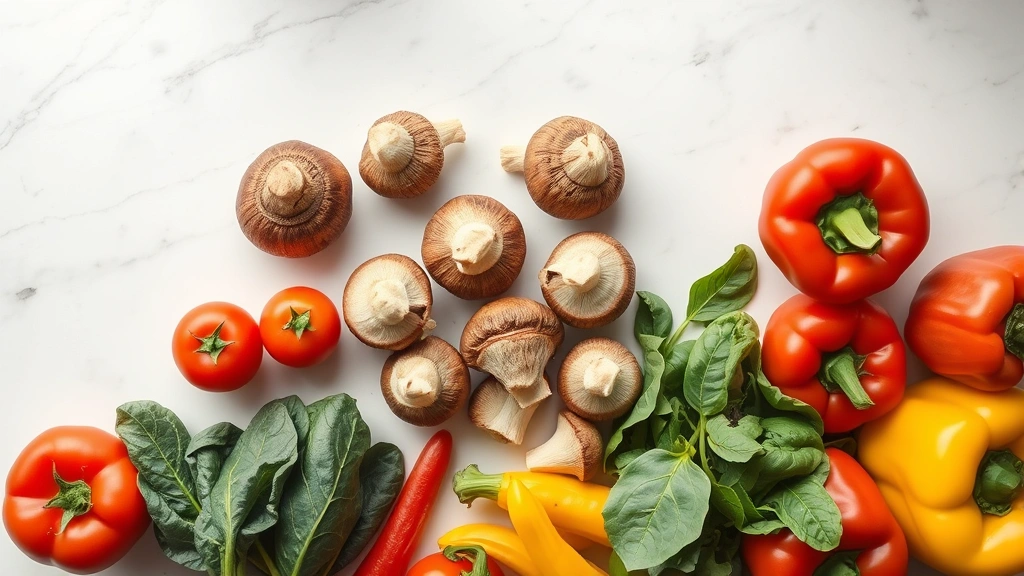
For those focused on improving nutrient absorption, combining portabellas with vitamin C sources (tomatoes, peppers, citrus) enhances mineral bioavailability. Pairing them with healthy fats (olive oil, nuts, avocado) maximizes absorption of fat-soluble nutrients like vitamin D (if mushrooms were sun-exposed).
Storage and Freshness Considerations
Proper storage affects nutritional quality. Store portabellas in a paper bag (not plastic) in your refrigerator’s vegetable drawer where they’ll keep for 4-7 days. Paper allows moisture to escape, preventing bacterial growth and maintaining quality. Avoid washing until immediately before use, as excess moisture accelerates deterioration.
Frozen portabellas retain most nutrients but sacrifice texture. If freezing, slice and freeze on a baking sheet before transferring to freezer bags. Use frozen mushrooms in cooked dishes where texture is less critical. Dried portabellas concentrate nutrients significantly—one ounce of dried mushrooms contains roughly 10 times the nutrients of fresh by weight.
Frequently Asked Questions
Are portabella mushrooms suitable for all dietary approaches?
Yes, portabellas are naturally gluten-free, vegan, paleo-friendly, and keto-compatible (being very low in carbohydrates). They’re suitable for nearly all dietary patterns except those with mushroom allergies or certain medical conditions affecting fungal food tolerance.
Do portabellas contain vitamin D?
Raw portabellas contain minimal vitamin D, but when exposed to sunlight (particularly UV-B radiation), they synthesize vitamin D2. Some commercial producers intentionally expose mushrooms to UV light to increase vitamin D content. Checking labels or asking farmers about growing practices helps identify higher-vitamin D portabellas.
How much portabella should I eat daily?
There’s no established upper limit for mushroom consumption. Most nutrition guidelines suggest including 1-2 servings of mushrooms daily (roughly 2-4 medium portabellas) as part of a varied diet. This provides meaningful nutrient intake while maintaining dietary diversity.
Can portabellas help with weight management?
Absolutely. With only 4 calories per mushroom and substantial fiber content, portabellas are excellent for weight management. Their umami flavor and meaty texture provide satiety despite low caloric density, making them valuable for reducing overall calorie intake without feeling deprived.
Do portabellas contain any harmful compounds?
Portabellas contain naturally occurring compounds like agaritine (a hydrazine derivative) that exists in many mushroom species. However, cooking significantly reduces agaritine content, and the levels present in typical consumption amounts are not considered harmful by food safety authorities. Proper storage and cooking ensure safety.
How do portabellas compare nutritionally to meat?
While portabellas don’t match meat’s complete protein profile or B12 content, they offer advantages: zero cholesterol, minimal saturated fat, and unique bioactive compounds absent in animal products. For vegetarians and those reducing meat consumption, portabellas provide satisfying texture and meaningful nutrients that complement other plant foods.
Can I eat portabella gills and stems?
Yes, both are edible and nutritious. Some people remove gills because they release dark liquid that can discolor dishes, but nutritionally they’re valuable. Stems are often tougher but entirely safe to eat, especially when cooked properly or used in stocks.
For additional nutrition insights and evidence-based dietary guidance, explore our comprehensive nutrition resources and stay updated with the latest nutritional science.
External Resources for Further Reading: