
Top Nutritional Drinks: Dietitian Tips for Optimal Health
The beverage aisle has transformed dramatically over the past decade. What once meant choosing between soda and water now encompasses protein shakes, electrolyte drinks, meal replacement beverages, and functional drinks fortified with vitamins and minerals. For health-conscious consumers and fitness enthusiasts alike, understanding which nutritional drinks actually deliver on their promises has become essential. This comprehensive guide examines the science behind popular options, helping you make informed choices aligned with your health goals.
Whether you’re recovering from workouts, managing your weight, or simply seeking convenient nutrition, the right drink can support your wellness journey. However, not all beverages marketed as “nutritious” are created equal. Marketing claims often overshadow actual nutritional value, leaving consumers confused about what truly constitutes a healthy choice. We’ve consulted dietitian expertise and reviewed current research to bring you evidence-based recommendations that cut through the noise.
Types of Nutritional Drinks Explained
The landscape of functional beverages extends far beyond simple protein powders. Modern nutritional drinks fall into distinct categories, each designed to address specific physiological needs and health objectives. Understanding these categories helps you identify which products align with your personal nutrition strategy.
Protein-based drinks dominate the market, containing 15-40 grams of protein per serving derived from whey, casein, plant sources, or blended formulations. These support muscle repair and satiety, making them popular post-workout options and meal supplements. Electrolyte beverages replace minerals lost through perspiration, containing sodium, potassium, and magnesium—critical for hydration during intense exercise or heat exposure.
Meal replacement shakes attempt to consolidate balanced macronutrient profiles into drinkable form, typically containing 20-40 grams of protein, 30-50 grams of carbohydrates, and healthy fats, plus micronutrients. Functional drinks incorporate ingredients like probiotics, adaptogens, collagen, or nootropics, targeting specific health outcomes beyond basic nutrition. Plant-based beverages use sources like hemp, pea, and soy protein, appealing to vegetarian, vegan, and environmentally conscious consumers.
Each category serves legitimate purposes when formulated appropriately. The key distinction lies between drinks that genuinely support health outcomes and those relying primarily on marketing appeal. Research from Pew Research Center indicates that consumer awareness of beverage nutrition has increased significantly, yet confusion about label claims persists among many shoppers.
Protein Shakes and Recovery Beverages
Protein shakes represent the most researched category of nutritional beverages, with substantial scientific evidence supporting their efficacy for muscle protein synthesis. When consumed within 1-2 hours post-exercise, adequate protein intake—especially when paired with resistance training—promotes muscle adaptation and recovery.
The timing of protein consumption matters considerably. Studies consistently demonstrate that consuming 20-40 grams of high-quality protein following strength training optimizes muscle protein synthesis. This is where convenient shakes provide genuine advantage over whole foods, particularly for individuals with busy schedules or limited appetite immediately after intense exercise.
Quality protein sources include whey protein isolate (rapidly absorbed, complete amino acid profile), casein (slower digestion, sustained release), and plant-based options like pea protein and hemp protein. Whey remains the gold standard for bioavailability and leucine content—an amino acid particularly effective at stimulating muscle protein synthesis. However, quality plant-based options increasingly rival dairy sources, especially when combined thoughtfully.
When selecting protein shakes, examine the amino acid profile rather than relying solely on total protein content. Branched-chain amino acids (BCAAs), particularly leucine, drive muscle adaptation more effectively than equivalent amounts of complete proteins lacking sufficient BCAA density. This is why protein intake for muscle building guides emphasize quality over quantity alone.
Dietitians recommend scrutinizing ingredient lists for added sugars, artificial sweeteners in excessive quantities, and unnecessary fillers. Many commercial shakes contain 20-30 grams of added sugar, negating their health benefits through excessive caloric intake and glycemic impact. Prioritize products with minimal added sugars and recognizable ingredient lists.
Electrolyte and Sports Drinks
Electrolyte beverages serve a specific physiological function: replacing minerals and fluids lost during prolonged exercise or heat exposure. However, the sports drink market has expanded far beyond legitimate performance applications, with many consumers consuming electrolyte drinks during sedentary periods when water adequately meets hydration needs.
Traditional sports drinks contain carbohydrates (typically 4-8% concentration), electrolytes, and sometimes vitamins. The carbohydrate component matters during endurance activities exceeding 60-90 minutes, as it maintains blood glucose levels and delays fatigue. For shorter workouts or general hydration, these added carbohydrates constitute unnecessary calories.
Sodium plays a crucial role in electrolyte replacement, particularly during extended exercise in hot conditions. A 2023 analysis from the American Heart Association examined sodium intake from beverages, noting that sports drinks contribute meaningfully to daily sodium consumption—which warrants consideration for individuals managing blood pressure.
Modern alternatives include zero-calorie electrolyte options, utilizing artificial sweeteners to provide taste without carbohydrate calories. These suit individuals seeking rehydration without energy supplementation. Coconut water offers a natural alternative, containing potassium and other minerals, though it provides less sodium than formulated sports drinks—a potential limitation during high-sweat activities.
The critical question: does your activity warrant electrolyte replacement? For most daily exercise lasting under 60 minutes, plain water suffices. Electrolyte drinks become valuable during intense or prolonged activities, hot weather training, or for individuals with particularly high sweat rates. Understanding your personal context prevents unnecessary consumption of sugar-sweetened beverages.
Meal Replacement Drinks
Meal replacement shakes attempt to consolidate nutritional completeness into convenient, portable formats. These serve legitimate purposes for individuals managing weight loss, addressing busy schedules, or maintaining consistent nutrition during demanding periods. However, they should complement rather than permanently replace whole food consumption.
Quality meal replacement drinks contain balanced macronutrients: adequate protein (20-40g), complex carbohydrates, healthy fats, and micronutrient fortification. The best formulations include fiber for satiety and digestive health, often 3-5 grams per serving. This combination promotes sustained energy and prevents the blood sugar crashes associated with high-sugar alternatives.
Dietitians emphasize that meal replacements work most effectively as strategic tools rather than lifestyle solutions. Using them occasionally—such as for busy mornings or controlled weight management—differs substantially from replacing multiple daily meals indefinitely. Whole foods provide fiber, phytonutrients, and textural satisfaction that beverages cannot fully replicate.
Consider your healthy nutrition plan for eating well for life when incorporating meal replacements. They should integrate into an overall strategy emphasizing whole foods while providing convenience where appropriate. This balanced approach prevents over-reliance on processed beverages while leveraging their practical benefits.
Research from nutrition journals demonstrates that individuals combining meal replacements with whole food meals show better long-term adherence and health outcomes than those attempting to replace all meals with beverages. The psychological satisfaction and nutritional completeness of actual food consumption remains irreplaceable.

Plant-Based and Alternative Options
Plant-based nutritional drinks have evolved significantly, moving beyond the chalky, unpalatable options of previous decades. Modern formulations utilize combinations of pea, hemp, soy, rice, and other plant proteins, achieving amino acid profiles comparable to dairy-based alternatives when thoughtfully combined.
Soy protein stands out among plant sources, offering a complete amino acid profile with all nine essential amino acids in adequate quantities. Research confirms soy protein’s effectiveness for muscle protein synthesis comparable to whey protein, making it an excellent choice for vegans and vegetarians pursuing nutrition for building muscle mass.
Hemp and pea proteins provide additional plant-based options, though individually they contain lower proportions of certain amino acids. Combining multiple plant proteins or pairing plant-based drinks with complementary whole foods (such as grains or legumes) creates complete amino acid profiles. Many commercial plant-based beverages already combine multiple protein sources for this reason.
Environmental and ethical considerations drive many consumers toward plant-based options. Producing plant proteins generally requires fewer resources and generates lower environmental impact compared to dairy and animal-based alternatives. For environmentally conscious individuals, plant-based nutritional drinks represent a values-aligned choice without sacrificing nutritional benefits when selected carefully.
Fortification matters significantly in plant-based beverages. Quality products include added vitamin B12, vitamin D, calcium, and iron—nutrients less bioavailable in plant foods or absent entirely. Examine labels to ensure adequate micronutrient fortification, particularly if plant-based drinks constitute a significant portion of your nutrition.
Reading Labels Like a Dietitian
Navigating nutritional labels requires understanding what information truly matters versus marketing-driven claims. Dietitians employ systematic approaches to beverage evaluation that consumers can adopt themselves.
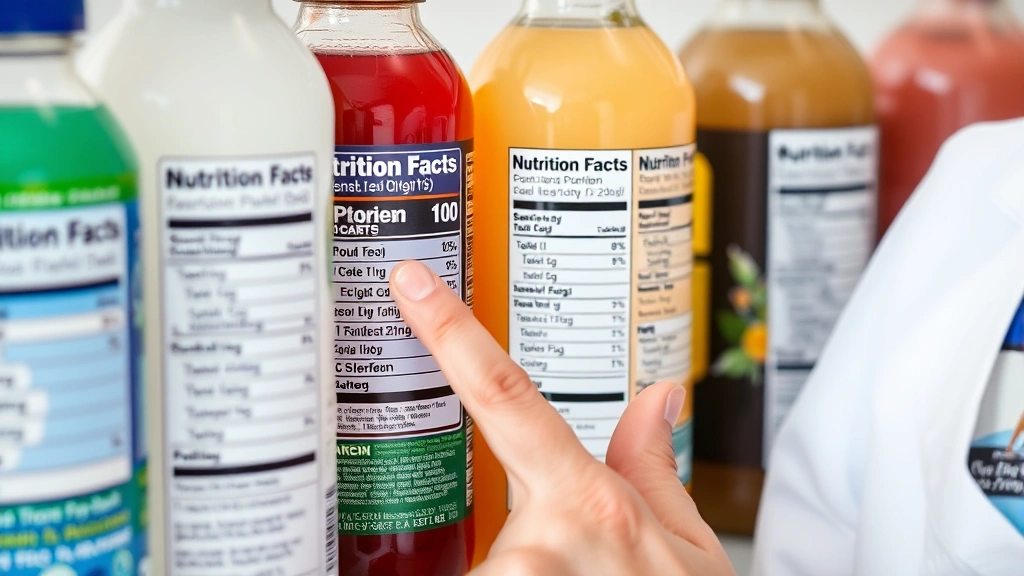
Examine the nutrition facts panel first, focusing on: serving size (many beverages list misleadingly small servings), calories, protein content, sugar (both added and total), fiber, and sodium. Compare products on a per-serving basis using consistent measurements.
Added sugars deserve particular attention. The American Heart Association recommends limiting added sugars to 25 grams daily for women and 36 grams for men. A single beverage containing 20-30 grams of added sugar consumes a substantial portion of this limit. Scrutinize ingredient lists for sugar, high fructose corn syrup, agave, honey, and other sweetening agents.
Protein quality matters more than quantity. A beverage with 40 grams of protein from low-quality sources may underperform compared to 25 grams from high-quality sources. Check the amino acid profile if available, or research the specific protein source. Whey protein isolate, casein, and soy protein typically offer superior amino acid profiles compared to lower-quality plant proteins or protein concentrates.
Micronutrient fortification varies significantly. Some beverages provide 25% of daily values for key nutrients, while others offer minimal micronutrient contribution. If you’re relying on drinks to contribute meaningfully to your micronutrient intake, verify that fortification levels justify that dependence.
Ingredient lists reveal formulation philosophy. Shorter, recognizable ingredient lists typically indicate simpler formulations with fewer additives, preservatives, and artificial ingredients. This doesn’t guarantee superiority, but it suggests manufacturers prioritized ingredient quality.
Be skeptical of proprietary blends. Some manufacturers list “proprietary blend” without specifying individual ingredient quantities. This prevents consumers from evaluating actual nutrient density, so approach such products cautiously.
Common Mistakes to Avoid
Even well-intentioned consumers frequently make mistakes when incorporating nutritional drinks into their health routines. Understanding these pitfalls helps you maximize benefits and avoid counterproductive patterns.
Mistake #1: Substituting drinks for whole foods entirely. Beverages cannot replicate the nutritional completeness, satiety, and psychological satisfaction of whole foods. While convenient, drinks work best as supplements to, not replacements for, balanced meals emphasizing vegetables, fruits, whole grains, and lean proteins.
Mistake #2: Ignoring portion sizes and frequency. Even healthy nutritional drinks contain calories. Consuming multiple large shakes daily without adjusting overall caloric intake leads to unintended weight gain. Treat them as calories-in, not as “free” nutrition.
Mistake #3: Choosing drinks based on marketing claims rather than nutrition facts. “Natural,” “superfood,” “immunity-boosting,” and similar terms lack regulatory definition. Marketing appeals distract from actual nutritional composition. Let the label guide your decisions, not the packaging.
Mistake #4: Neglecting hydration fundamentals. Electrolyte drinks don’t replace water. Even during exercise, water remains the primary hydration source. Electrolyte beverages supplement water intake, not replace it. This distinction prevents excessive sodium and sugar consumption.
Mistake #5: Assuming all protein sources deliver identical results. Whey, casein, plant proteins, and collagen each have distinct amino acid profiles and absorption characteristics. Your specific goals—muscle building, weight management, general health—should guide protein selection.
Mistake #6: Overlooking individual tolerance and preferences. Some individuals experience digestive discomfort from certain protein sources or artificial sweeteners. Successful nutrition integration requires finding products that work with your body, not against it. Test drinks in small quantities before committing.
Mistake #7: Forgetting about dental health. Even sugar-free drinks often contain acids that erode tooth enamel. Sipping beverages throughout the day increases exposure. Consume drinks relatively quickly rather than nursing them over extended periods, and rinse your mouth afterward.
Integrating nutritional drinks successfully requires aligning them with your tips for meal planning and overall nutrition strategy. Drinks serve specific purposes within a comprehensive approach, not as standalone solutions.
FAQ
What’s the best time to consume a protein shake?
While the “anabolic window” (the period immediately post-workout when muscles are most receptive to nutrients) has been somewhat overstated, consuming protein within 1-2 hours after resistance training does optimize muscle protein synthesis. However, total daily protein intake matters more than timing. If you’re consuming adequate protein throughout the day, exact timing becomes less critical. For convenience and practical purposes, post-workout shakes make sense, but don’t stress excessively about the precise window.
Are meal replacement drinks effective for weight loss?
Meal replacement drinks can support weight loss as part of a caloric deficit strategy. They provide controlled calories and often improve satiety compared to typical fast-food alternatives. However, they work best as tools within a broader lifestyle approach, not as standalone solutions. Research shows sustainable weight loss requires behavioral changes, whole food emphasis, and long-term adherence—qualities that meal replacements alone cannot guarantee.
Can I rely entirely on nutritional drinks for my nutrition?
No. While formulated to provide nutritional completeness, beverages cannot fully replace whole foods. They lack fiber density, phytonutrient diversity, and the psychological satisfaction of eating. Additionally, relying entirely on processed beverages ignores the importance of developing healthy eating habits and food relationships. Use drinks as supplements to, not substitutes for, balanced whole food nutrition.
Which protein source is best for vegans?
Soy protein offers the most complete amino acid profile among plant sources, making it ideal for vegans pursuing muscle building or seeking high-quality protein. Hemp and pea proteins also provide valuable options, particularly when combined with other protein sources. Many vegan products combine multiple plant proteins to achieve complete amino acid profiles. Examine individual products to ensure they meet your nutritional goals.
How do I know if a drink is truly “healthy”?
Look beyond marketing claims to examine: added sugar content (prioritize under 5-10 grams per serving), protein quality and quantity (appropriate for your goals), micronutrient fortification (if claimed), ingredient simplicity, and alignment with your personal health objectives. A “healthy” drink serves your specific needs, not necessarily universal standards. What’s healthy for a post-workout recovery differs from what’s healthy for general daily hydration.
Are artificial sweeteners in nutritional drinks safe?
Major regulatory bodies including the FDA consider approved artificial sweeteners (aspartame, sucralose, stevia) safe for most populations at typical consumption levels. However, some individuals experience digestive effects or have personal preferences against artificial ingredients. Research continues examining long-term effects. If artificial sweeteners concern you, seek products sweetened with sugar alcohols or minimal sweetening, understanding this may impact taste and texture.
Should I take nutritional drinks if I’m not exercising intensely?
Intense exercise isn’t a prerequisite for benefiting from nutritional drinks. They serve various purposes: convenient nutrition for busy individuals, meal replacement for weight management, supplemental protein for older adults (who may struggle to meet protein needs through whole foods), and general nutrition support. The relevance depends on your specific situation, not on exercise status.
How do plant-based drinks compare nutritionally to whey?
Quality plant-based drinks can match whey protein’s effectiveness when formulated thoughtfully. Soy protein provides a complete amino acid profile comparable to whey. Other plant proteins may require combination or supplementation to achieve complete amino acid profiles. The key distinction lies in individual product formulation rather than plant-based versus animal-based categories universally. Compare specific products rather than relying on categorical generalizations.
Visit the Nutrients Pathway Blog for additional evidence-based nutrition guidance. Understanding nutritional drinks empowers you to make choices supporting your health objectives while avoiding marketing-driven missteps. Whether incorporating protein shakes, electrolyte beverages, meal replacements, or functional drinks, alignment with your personal health goals and overall nutrition strategy determines success. The most effective nutritional drink is one you’ll actually consume consistently while supporting your broader wellness journey.


