Nutella Nutrition Facts: What a Registered Dietitian Wants You to Know
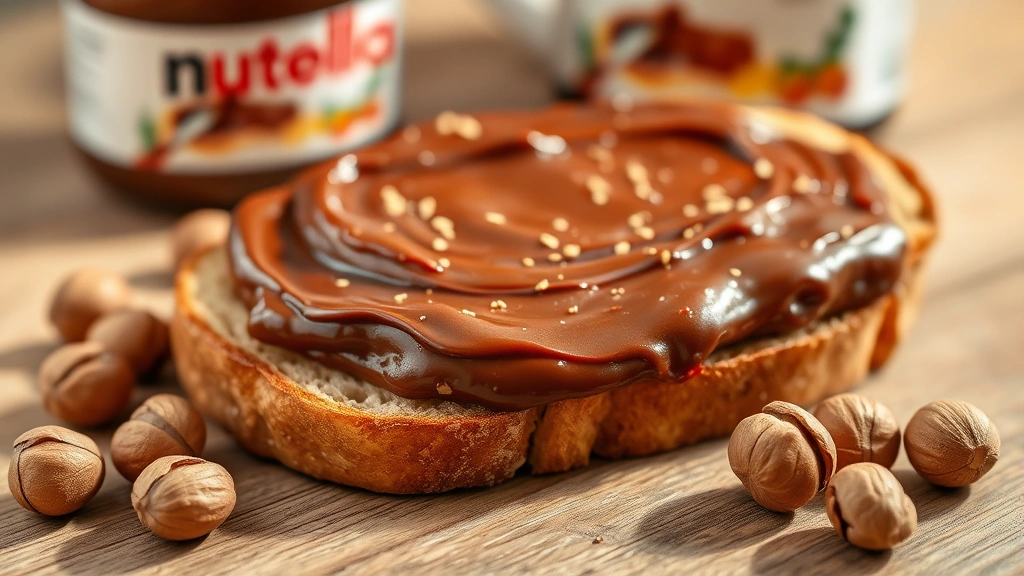
Nutella has become a global phenomenon, beloved by millions for its rich chocolate-hazelnut flavor. Whether spread on toast, swirled into desserts, or eaten straight from the jar, this iconic treat occupies a special place in many pantries. However, understanding the nutritional information of Nutella is essential for making informed dietary choices, especially if you consume it regularly. As a registered dietitian, I’m here to break down exactly what’s in each serving and what it means for your health.
The question isn’t whether Nutella is “good” or “bad”—rather, it’s about understanding its nutritional profile and how it fits into an overall balanced diet. With growing awareness around added sugars, healthy fats, and processed foods, many people want clarity on what they’re actually consuming. This comprehensive guide will examine Nutella’s ingredients, caloric content, macronutrient breakdown, and provide practical advice on portion control and healthier alternatives.
Complete Nutritional Breakdown Per Serving
Let’s start with the facts. According to the standard nutrition label, a single serving of Nutella is defined as 2 tablespoons (37 grams). This serving size contains approximately 200 calories, which represents about 10% of a typical 2,000-calorie daily diet. Understanding this baseline is crucial because many people underestimate how much they consume.
The macronutrient distribution reveals important insights about what makes Nutella so energy-dense:
- Calories: 200 per serving
- Total Fat: 12 grams (15% of daily value)
- Saturated Fat: 3.5 grams (18% of daily value)
- Trans Fat: 0 grams
- Cholesterol: 0 milligrams
- Sodium: 30 milligrams (1% of daily value)
- Total Carbohydrates: 23 grams (8% of daily value)
- Dietary Fiber: 1 gram (4% of daily value)
- Total Sugars: 21 grams (including 0 grams of added sugars listed, though this is debatable)
- Protein: 4 grams
These numbers tell a story. Nutella is fundamentally a high-calorie, high-sugar product with moderate protein content. The caloric density comes primarily from fat and sugar, which explains its appeal and its potential dietary concerns. When examining nutrition analysis from dietary experts, products like Nutella consistently rank as occasional treats rather than staple foods.
Understanding the Ingredient List
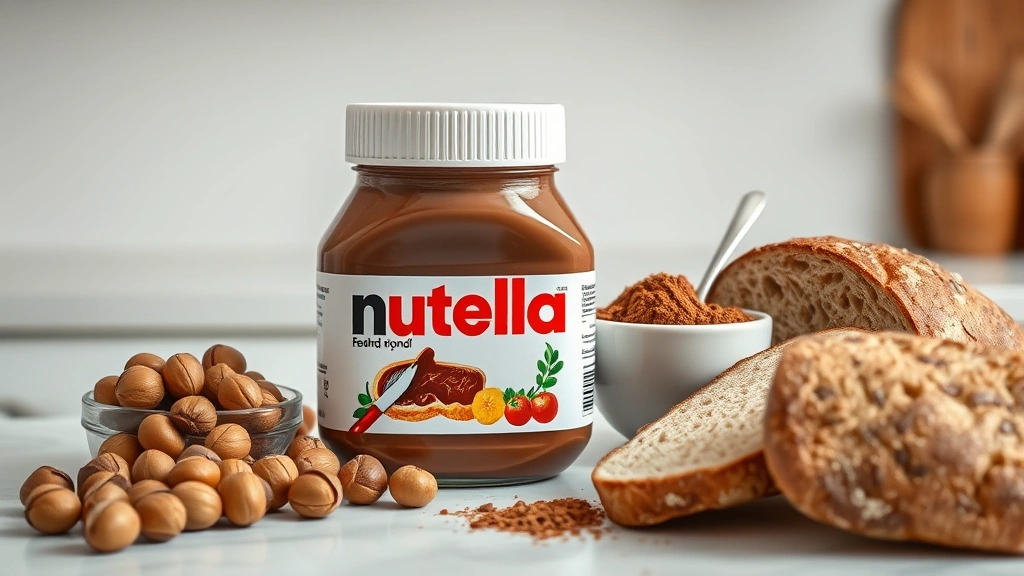
The ingredient list provides crucial context that numbers alone cannot convey. Nutella’s primary ingredients are sugar, palm oil, hazelnuts, cocoa, skim milk, whey, lecithin (soy), and vanillin. The order matters—ingredients are listed by weight, so sugar and palm oil dominate the formulation.
Sugar is the first ingredient, accounting for roughly 55% of the product by weight. This immediately signals that Nutella is a confectionery item, not a health food. The label’s claim of “0 grams of added sugars” is technically accurate because the sugar comes from the base ingredients themselves, but nutritionally, this distinction matters little to your body.
Palm oil serves as the fat base that gives Nutella its spreadable consistency. While it provides the smooth texture consumers love, palm oil is primarily saturated fat, raising concerns about cardiovascular health and environmental sustainability. This connects to broader conversations about healthier fat profiles in nutrition.
Hazelnuts comprise approximately 13% of the product. While hazelnuts are nutritious whole foods rich in vitamin E and antioxidants, their presence in Nutella is modest compared to the sugar and oil content. This is why Nutella shouldn’t be considered a significant source of hazelnut nutrition.
Cocoa and milk components round out the formula, providing some micronutrients and contributing to the flavor profile. However, these ingredients exist in relatively small quantities compared to the sweeteners and fats.
Sugar Content and Health Implications
The most significant nutritional concern with Nutella is its sugar content. At 21 grams per serving, this represents approximately 5.25 teaspoons of sugar. The American Heart Association recommends that women limit added sugars to 25 grams daily and men to 36 grams daily. A single serving of Nutella consumes over 80% of a woman’s recommended daily sugar allowance.
Regular consumption of high-sugar foods like Nutella is associated with several health risks. Research consistently links excessive sugar intake to weight gain, type 2 diabetes, dental decay, and increased inflammation. When sugar is consumed without adequate fiber, protein, or whole-food nutrients, it causes rapid blood glucose spikes and crashes, leading to energy fluctuations and increased hunger.
For children, the concern is particularly acute. Nutella’s marketing often targets families, yet pediatric health organizations recommend that children consume even less added sugar than adults. A child’s 2-tablespoon serving represents a much larger percentage of their daily sugar allowance, and regular consumption can establish unhealthy eating patterns.
The psychological aspect matters too. Nutella’s palatability—its delicious taste and smooth texture—makes portion control challenging. Research on hyper-palatable foods demonstrates that highly rewarding foods can override satiety signals, leading people to consume more than intended. This is why “just one spoonful” often becomes several spoonfuls.
Fat Profile: The Good and the Concerning
Nutella contains 12 grams of total fat per serving, with 3.5 grams being saturated fat. While fat isn’t inherently unhealthy—in fact, dietary fat is essential for hormone production, nutrient absorption, and brain function—the type and context of fat matters significantly.
The primary concern is the saturated fat from palm oil. Saturated fat raises LDL (“bad”) cholesterol, which can contribute to plaque buildup in arteries and increase cardiovascular disease risk. For individuals with existing heart disease, family history of cardiovascular issues, or elevated cholesterol, high-saturated-fat foods warrant careful consideration.
Additionally, Nutella lacks the beneficial unsaturated fats found in foods like avocados, nuts, seeds, and fish. These foods contain monounsaturated and polyunsaturated fats that actively support heart health. While Nutella does contain some fat-soluble vitamins (like vitamin E from the hazelnuts), the overall fat quality is suboptimal.
The trans fat content is listed as zero, which is positive. However, the processing involved in creating Nutella’s smooth consistency involves hydrogenation or partial hydrogenation in some formulations, depending on regional regulations. Always check your specific product’s label.
Protein and Fiber: What’s Missing
One of Nutella’s nutritional shortcomings is its inadequate protein and fiber content. At 4 grams of protein per serving, Nutella provides minimal satiety. Protein is crucial for building and maintaining muscle tissue, supporting immune function, and promoting feelings of fullness after eating. A serving of Nutella with 4 grams of protein is essentially a sugar and fat delivery system without the satiety benefits of adequate protein.
Dietary fiber is equally deficient at just 1 gram per serving. Fiber plays multiple roles: it slows sugar absorption, feeds beneficial gut bacteria, promotes digestive health, and contributes to satiety. Most adults should consume 25-35 grams of fiber daily, and a 2-tablespoon serving of Nutella provides only 4% of this target.
This lack of protein and fiber explains why eating Nutella doesn’t satisfy hunger effectively. You could consume 400 calories of Nutella and still feel hungry shortly after, whereas 400 calories from whole foods with adequate protein and fiber would leave you satisfied for hours. This dynamic often leads to excessive calorie consumption.
When considering building a healthy nutrition plan, including foods with balanced macronutrients is essential. Nutella fails this test comprehensively.
Portion Control Strategies
If you enjoy Nutella and want to include it in your diet, portion control is non-negotiable. The standard serving of 2 tablespoons is reasonable, but implementation is challenging. Here are evidence-based strategies:
- Pre-portion servings: Instead of eating directly from the jar, measure 2 tablespoons into a small bowl. This creates a psychological boundary and prevents mindless overconsumption.
- Pair with whole foods: Spread Nutella on whole-grain toast or apple slices rather than eating it alone. The fiber and nutrients from these pairings improve satiety and blood sugar response.
- Limit frequency: Rather than having Nutella daily, reserve it for 2-3 times weekly. This reduces overall sugar intake while maintaining enjoyment.
- Use smaller utensils: A teaspoon rather than a tablespoon slows consumption and increases satisfaction through prolonged eating time.
- Practice mindful eating: Eat Nutella deliberately, without distractions. Research shows mindful eating reduces overeating and increases satisfaction.
Healthier Alternatives to Consider
The chocolate-hazelnut flavor profile doesn’t require Nutella specifically. Several alternatives offer improved nutritional profiles while satisfying similar cravings.
Natural almond or peanut butter provides 8-10 grams of protein per serving compared to Nutella’s 4 grams. While higher in fat, the fat is predominantly unsaturated and comes with vitamin E, magnesium, and minerals. Mixing natural nut butter with cocoa powder and a small amount of honey creates a homemade chocolate-hazelnut spread with superior nutrition.
Hazelnut butter (made from 100% hazelnuts with no added sugar) offers authentic hazelnut nutrition without the sugar load. While higher in calories from fat, it’s more satiating and contains beneficial plant compounds.
Dark chocolate (70% cacao or higher) paired with whole hazelnuts provides chocolate satisfaction with antioxidants from cocoa and nutrients from whole nuts. The fiber and protein content supports satiety better than Nutella.
Homemade alternatives give you complete control. Blending roasted hazelnuts with unsweetened cocoa powder, a small amount of honey or maple syrup, and coconut oil creates a spread you can customize to your preferences and nutritional needs.
When exploring nutrient-dense whole foods, you’ll discover satisfying options that support rather than undermine your health goals.
Is Nutella Part of a Healthy Diet?
The short answer: Nutella can be part of a healthy diet only if consumed occasionally and in controlled portions. This isn’t about demonizing foods or practicing rigid restriction. Rather, it’s about understanding that different foods serve different purposes in nutrition.
Nutella is a hyperpalatable, ultra-processed food designed for pleasure rather than nutrition. It’s essentially chocolate-flavored sugar with added fat. From a nutritional density perspective, it provides minimal vitamins, minerals, and beneficial compounds relative to its caloric content. Nutritionists call this a low nutrient-density food.
For individuals managing weight, blood sugar, or cardiovascular health, Nutella should be an occasional indulgence, not a regular food. For people without these health concerns, occasional consumption is unlikely to cause harm, but it shouldn’t displace more nutritious options.
The broader context matters enormously. Someone eating mostly whole foods, adequate vegetables, lean proteins, and whole grains can accommodate occasional Nutella without negative health consequences. Someone consuming multiple ultra-processed foods daily faces compounded health risks. As discussed in research on nutrition and mental health, dietary patterns significantly influence overall wellbeing.
A practical framework: If Nutella represents less than 5% of your total weekly calories and you’re meeting nutritional targets through whole foods, occasional consumption is reasonable. If Nutella appears multiple times daily or comprises a significant portion of your diet, dietary modification is warranted.
Understanding how to improve nutrient absorption and dietary quality involves prioritizing foods that deliver maximum nutrition per calorie consumed. Nutella fails this criterion.
Frequently Asked Questions
Is Nutella keto-friendly?
No. With 23 grams of carbohydrates and 21 grams of sugar per serving, Nutella exceeds typical ketogenic diet carb limits. A single serving could consume an entire day’s carb allowance on a strict keto diet. Keto-adapted individuals should avoid Nutella entirely.
Does Nutella have any health benefits?
Nutella contains trace amounts of beneficial compounds from hazelnuts and cocoa, including vitamin E and antioxidants. However, these benefits are negligible given the sugar and caloric density. You’d receive far greater benefits from consuming hazelnuts and dark chocolate separately.
Is Nutella gluten-free?
Yes, Nutella is certified gluten-free, making it suitable for people with celiac disease or gluten sensitivity. However, gluten-free doesn’t mean healthy. Nutella’s nutritional profile remains problematic regardless of gluten status.
How much Nutella can I safely eat daily?
From a pure nutrition standpoint, zero daily consumption is ideal. If you choose to eat Nutella, limiting it to 2 tablespoons (one serving) no more than 2-3 times weekly is reasonable for most adults. Daily consumption would contribute excessive sugar and saturated fat to your diet.
Is Nutella suitable for children?
While Nutella isn’t toxic to children, it’s not recommended as a regular food. Children need nutrient-dense foods to support growth and development. Nutella provides empty calories that displace more nutritious options. Occasional consumption is acceptable, but regular inclusion in children’s diets establishes unhealthy eating patterns and excessive sugar consumption during critical developmental years.
Why is Nutella so addictive?
The combination of sugar, fat, and salt creates a hyperpalatable food that triggers reward pathways in the brain. The smooth texture and pleasant taste make it easy to overconsume. Additionally, sugar activates dopamine release, similar to other reward-inducing substances, explaining why “just one spoonful” becomes multiple spoonfuls for many people.
What’s the difference between Nutella and natural hazelnut spreads?
Natural hazelnut spreads contain primarily hazelnuts and minimal added sugar, whereas Nutella is primarily sugar and oil with hazelnut flavoring. Natural spreads contain 8-12 grams of fat per serving from whole nuts, providing vitamin E, minerals, and satiety. Nutella’s fat comes from palm oil, offering less nutritional benefit. Natural spreads are significantly higher in protein and fiber.


