Chick-fil-A Nuggets: Healthy Choice? Dietitian Insight
Chick-fil-A nuggets have become a staple on quick-service restaurant menus across America, with millions of customers choosing them weekly as a convenient protein option. But beneath the golden exterior and familiar taste lies an important nutritional question: are these nuggets actually a healthy choice, or are they just another processed fast-food item to limit? Understanding the nutritional value of Chick-fil-A nuggets requires examining the specific macronutrients, ingredients, and how they fit into broader dietary patterns.
As a registered dietitian nutritionist analyzing quick-service restaurant options, I’ve found that the answer isn’t simply yes or no. Chick-fil-A nuggets can be part of a balanced diet when consumed strategically and paired with nutrient-dense sides. This comprehensive analysis breaks down the nutritional profile, explores health considerations, and provides actionable guidance for making informed choices about this popular menu item.

Complete Nutritional Breakdown
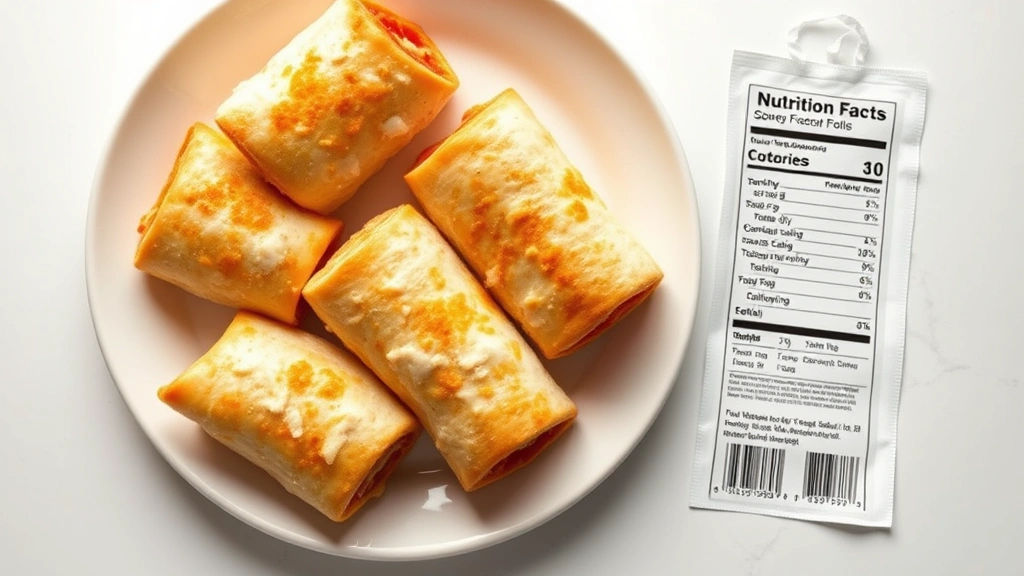
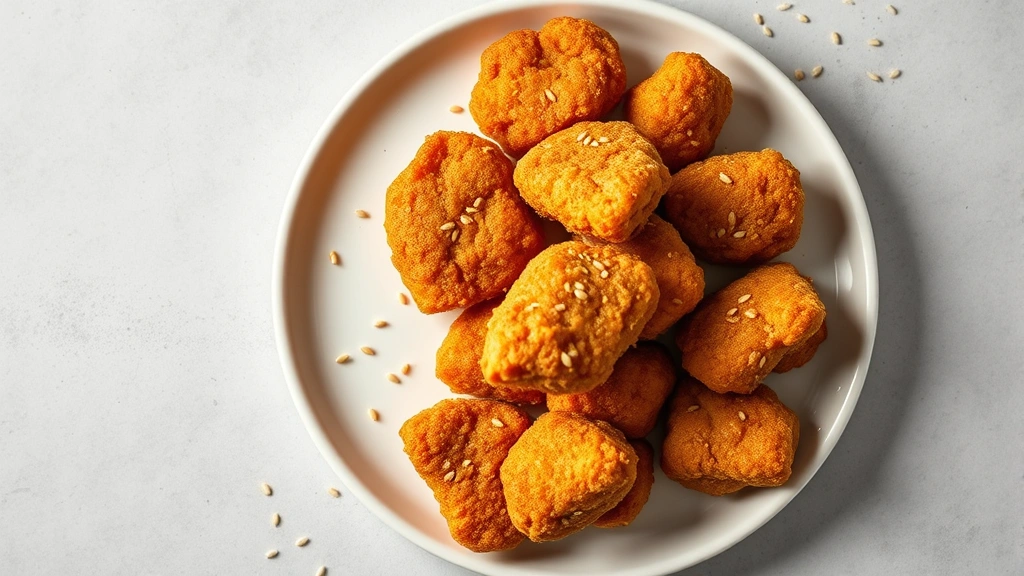
A standard 8-piece serving of Chick-fil-A chicken nuggets contains approximately 260 calories, making it a relatively moderate choice for a protein-focused item. The breakdown includes 12 grams of total fat, 0 grams of trans fat, and 11 grams of protein per serving. These nuggets also provide 10 grams of carbohydrates and contain no dietary fiber, which is typical for breaded chicken products.
When examining the micronutrient profile, Chick-fil-A nuggets deliver modest amounts of essential minerals. Each serving provides approximately 400 milligrams of sodium—a significant consideration we’ll address in detail. The nuggets contain trace amounts of iron and minimal calcium, reflecting their composition as a protein-focused item rather than a nutrient-dense food. For those tracking specific nutrients, understanding how nuggets fit into your overall daily intake is essential, particularly when using tools like the nutrition label generator to monitor macronutrient distribution.
The caloric density of these nuggets—approximately 32.5 calories per nugget—makes them relatively efficient for those seeking protein without excessive calorie consumption. However, portion control remains important, as it’s easy to consume multiple servings in a single meal, dramatically increasing intake of sodium and saturated fat.

Protein Content and Quality
At 12 grams of protein per 8-piece serving, Chick-fil-A nuggets provide a meaningful amount of this essential macronutrient. Protein is critical for muscle maintenance, immune function, enzyme production, and satiety—making it a key consideration for anyone evaluating quick-service restaurant options. The protein comes from chicken breast, which is a lean source of complete protein containing all nine essential amino acids.
The quality of this protein deserves examination. Chicken breast naturally provides high-quality protein, but the processing involved in creating nuggets—including breading, frying, and preservation—doesn’t significantly diminish the amino acid profile. Athletes and those focused on nutrition for athletic performance can appreciate that the protein content remains complete, though whole chicken breast would provide additional micronutrients without processing.
For context, the 12 grams of protein in a nugget serving represents approximately 24% of the daily value based on a 2,000-calorie diet. When paired with whole grain sides or nutrient-rich accompaniments, nuggets can contribute meaningfully to daily protein goals without consuming excessive calories. The protein-to-calorie ratio (approximately 0.046 grams per calorie) positions nuggets favorably compared to many other quick-service items.
Sodium and Heart Health Considerations
The most significant nutritional concern with Chick-fil-A nuggets is their sodium content. At approximately 400 milligrams per 8-piece serving, a single order represents roughly 17% of the American Heart Association’s recommended daily sodium limit of 2,300 milligrams. This is particularly concerning because most Americans exceed sodium recommendations, and excess sodium consumption correlates with elevated blood pressure and increased cardiovascular disease risk.
Research from the American Heart Association indicates that reducing sodium intake significantly impacts hypertension management. When nuggets are consumed as part of a typical quick-service meal—often including fries, a beverage, and a sauce—total sodium intake can easily exceed 1,000 milligrams in a single sitting.
For individuals managing hypertension, sodium sensitivity, or those with family histories of cardiovascular disease, nuggets should be consumed less frequently or balanced with low-sodium sides like unsweetened beverages, salads without dressing, or fruit options. The sodium content doesn’t disqualify nuggets from occasional consumption, but awareness and strategic pairing are essential for health-conscious choices.
Interestingly, the relationship between sodium and overall dietary patterns reveals important nuances. Research organizations studying eating patterns find that occasional fast-food consumption within an otherwise balanced diet poses minimal cardiovascular risk, whereas frequent consumption compounds sodium effects over time.
Fat Profile and Caloric Density
The fat composition of Chick-fil-A nuggets merits careful analysis. With 12 grams of total fat per serving, nuggets contain approximately 18% of the daily value based on a 2,000-calorie reference diet. Notably, the nuggets contain zero grams of trans fat—a significant improvement over historical fast-food items and reflecting Chick-fil-A’s reformulation efforts.
The saturated fat content is approximately 2.5 grams per serving, representing roughly 12% of the daily value. While not excessive, saturated fat accumulates quickly in typical fast-food meals. When nuggets are combined with waffle fries and a sauce containing additional fat, total saturated fat intake can approach or exceed recommended daily limits from a single meal.
The remaining fat consists primarily of polyunsaturated and monounsaturated fats, which support healthy cholesterol profiles and cardiovascular function. The breading and frying process contributes to the fat content, but modern preparation methods at Chick-fil-A utilize vegetable oil blends designed to minimize unhealthy fat profiles. For those following healthy nutrition planning, nuggets fit within recommended daily fat intake when consumed occasionally and paired with lower-fat sides.
The caloric density of 260 calories per serving represents approximately 13% of daily needs on a 2,000-calorie diet, making nuggets a moderate-calorie option compared to many quick-service entrees. This efficiency allows nuggets to fit into various caloric targets when portion control is maintained.
Ingredient Examination and Processing
Understanding what comprises Chick-fil-A nuggets requires examining the ingredient list and processing methods. The primary ingredient is boneless, skinless chicken breast—a lean protein source. However, the nuggets also contain breading (enriched wheat flour, salt, and spices), water, and soybean oil for frying. This processing transforms whole chicken breast into a convenient, shelf-stable product.
The addition of sodium phosphate serves as a preservative and moisture retainer, contributing to the sodium content and affecting the food’s processing classification. While sodium phosphate is FDA-approved and recognized as safe, it represents an additive absent from whole chicken breast. For those minimizing processed foods, this distinction matters, though the overall processing level remains moderate compared to highly engineered fast-food items.
Chick-fil-A’s commitment to transparency regarding antibiotics in chicken represents a notable industry distinction. The company sources chicken from farms that don’t use antibiotics, addressing concerns about antibiotic resistance and overall chicken quality. This sourcing decision elevates nuggets above many competitor offerings, though it doesn’t eliminate the processing aspect.
The breading adds carbohydrates (approximately 10 grams) and a small amount of fiber from whole grain options when available. The enriched flour includes added B vitamins, though these don’t substantially contribute to overall micronutrient intake compared to whole grain sources.
Healthy Ordering Strategies
Making Chick-fil-A nuggets part of a healthy eating pattern requires strategic decision-making about sides, sauces, and meal frequency. Rather than viewing nuggets as inherently unhealthy, consider them a protein-focused item requiring complementary choices that balance the meal’s nutritional profile.
Side Selection Strategies: Pair nuggets with lower-sodium, higher-fiber sides. Chick-fil-A’s side salad provides vegetables, fiber, and micronutrients without significant calorie addition. Unsweetened iced tea or water eliminates liquid calories and excess sugar. Avoiding waffle fries—which contribute significant sodium, saturated fat, and calories—substantially improves the meal’s overall nutritional value.
Sauce Considerations: Standard dipping sauces add calories and sodium. A single packet of honey roasted barbecue sauce adds approximately 140 calories and 250 milligrams of sodium. Choosing mustard-based or vinegar-based options reduces caloric and sodium additions. Alternatively, requesting sauce on the side allows portion control.
Frequency and Portion Control: Limiting nugget consumption to occasional meals—perhaps 1-2 times monthly—prevents sodium and saturated fat accumulation. When ordering, consider 6-piece rather than 8-piece or 12-piece servings to naturally limit intake. Pairing with nutrient-dense foods throughout the day balances occasional fast-food choices.
Nutritional Tracking: Using resources like the nutrition facts label generator helps visualize how nuggets fit into daily macronutrient targets. When tracking protein goals, nuggets provide meaningful amounts; when monitoring sodium, they represent significant portions of daily limits.
Consider your overall dietary pattern. Research on nutrition and dietary patterns indicates that occasional fast-food consumption within an otherwise balanced diet poses minimal health risks, whereas frequent consumption creates cumulative health concerns.
Comparison with Competitors
Evaluating Chick-fil-A nuggets within the competitive landscape provides helpful context. McDonald’s Chicken McNuggets (9-piece) contain 400 calories, 17 grams of fat, and 480 milligrams of sodium—higher across all metrics than Chick-fil-A’s offering. Wendy’s Spicy Chicken Nuggets present similar nutritional profiles to McDonald’s, with higher calorie and sodium content than Chick-fil-A.
Popeyes Louisiana Kitchen offers breaded chicken tenders that exceed Chick-fil-A nuggets in calories (290 for a 3-piece), fat (17 grams), and sodium (480 milligrams). Comparing across chains reveals that Chick-fil-A’s nuggets represent a relatively moderate choice within the quick-service chicken category.
The distinction between nuggets and grilled chicken options is significant. Chick-fil-A’s grilled chicken sandwich contains 320 calories, 6 grams of fat, and 1,140 milligrams of sodium. While grilled options reduce fat, they often increase sodium due to preparation methods. Neither option is inherently superior; rather, they serve different nutritional purposes within meal planning.
Premium fast-casual chains offering antibiotic-free chicken without breading represent the nutritional ideal but at significantly higher cost. For budget-conscious consumers seeking convenient protein, Chick-fil-A nuggets compare favorably to competitors while maintaining reasonable nutritional standards.
The nutritional standards established by various health organizations can guide comparison analysis. When evaluated against industry standards for quick-service items, Chick-fil-A nuggets meet reasonable nutritional benchmarks despite processing and sodium content.
FAQ
Are Chick-fil-A nuggets a good source of protein?
Yes, Chick-fil-A nuggets provide 12 grams of complete protein per 8-piece serving, making them a meaningful protein source for quick-service options. However, the protein is accompanied by sodium and fat, so pairing with nutrient-dense sides optimizes the meal’s overall nutritional value.
How do nuggets fit into a weight loss plan?
At 260 calories per serving, nuggets can fit into calorie-controlled diets when portion sizes are managed and sides are carefully selected. The protein content supports satiety, making nuggets potentially helpful for appetite control. Focus on 6-piece servings with low-calorie sides rather than larger portions with high-calorie accompaniments.
Are nuggets suitable for children?
Chick-fil-A nuggets are appropriate for children as an occasional protein source. However, parents should monitor sodium intake—a single nugget serving represents a significant portion of children’s daily sodium limits. Pairing with vegetables and limiting frequency supports balanced childhood nutrition.
How frequently can I eat Chick-fil-A nuggets?
Occasional consumption—1-2 times monthly—allows nuggets to fit within healthy eating patterns without accumulating excessive sodium or saturated fat. More frequent consumption requires careful dietary management and may increase cardiovascular disease risk, particularly for sodium-sensitive individuals.
What’s the best way to make a nutritious Chick-fil-A meal with nuggets?
Combine 6-piece nuggets with a side salad, unsweetened iced tea, and mustard-based sauce. This approach provides protein while limiting calories, sodium, and saturated fat. Alternatively, pair nuggets with fruit and water for a balanced, lower-sodium option.
Do nuggets contain artificial ingredients?
Chick-fil-A nuggets contain minimal artificial ingredients, primarily relying on chicken, breading, and cooking oils. Sodium phosphate serves as a preservative but represents a food-grade additive rather than an artificial chemical. The ingredient list remains relatively simple compared to highly processed alternatives.
How do nuggets compare nutritionally to grilled chicken?
Nuggets contain more fat (12g vs. 6g in grilled sandwich) but fewer calories (260 vs. 320). Grilled options contain more sodium due to seasoning and preparation. Neither is categorically healthier; choice depends on individual dietary priorities and meal composition.
Are Chick-fil-A nuggets gluten-free?
No, standard nuggets contain wheat-based breading and are not gluten-free. Individuals with celiac disease or gluten sensitivity should avoid nuggets unless specifically prepared gluten-free options are available, which may vary by location.