Costco Pizza: Dietitian Analyzes Nutritional Value
Costco’s food court pizza has become an American institution, offering affordable convenience to millions of shoppers annually. Yet behind that iconic $1.50 price tag lies a nutritional profile worthy of serious examination. As a registered dietitian, I’ve analyzed the macronutrient composition, micronutrient density, and dietary implications of Costco’s signature pepperoni and cheese pizzas to help consumers make informed choices about this popular convenience food.
Understanding the nutritional value of frequently consumed foods is essential for maintaining balanced dietary patterns and achieving long-term health goals. Costco pizza represents a unique case study in affordable food accessibility—a product that feeds countless individuals weekly while raising legitimate questions about sodium content, saturated fat, and portion control. This comprehensive analysis examines what you’re actually consuming when you grab a slice at the warehouse food court.
Caloric Content and Macronutrient Breakdown
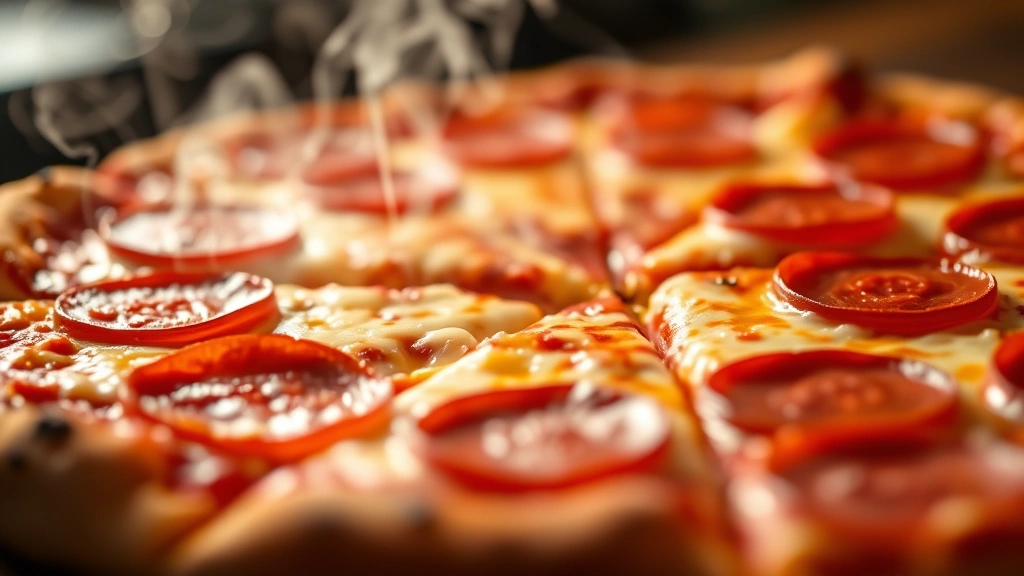
A single slice of Costco cheese pizza contains approximately 680 calories, while the pepperoni variety ranges from 710 to 760 calories per slice depending on preparation variations. For context, the USDA defines a standard serving as one slice of pizza, making Costco’s generous portion sizes particularly relevant to caloric intake analysis. The average consumer purchasing a slice typically receives one-quarter of an 18-inch pizza, representing a substantial caloric contribution to daily energy needs.
The macronutrient distribution reveals interesting patterns. Approximately 36% of calories derive from protein (roughly 61 grams), 40% from carbohydrates (approximately 68 grams), and 24% from fat (roughly 18 grams per slice). This distribution aligns reasonably well with general dietary guidelines recommending 40-30-30 macronutrient ratios for many individuals. However, the protein quality and carbohydrate type merit deeper examination within comprehensive nutrition care manual frameworks.
For sedentary individuals, a single slice represents 34-38% of a 2,000-calorie daily intake, while active individuals engaging in regular exercise may find this more manageable within their nutrition for athletes optimizing performance protocols. The carbohydrate content, primarily from refined wheat flour in the crust, provides quick energy but lacks substantial fiber content (typically 2-3 grams per slice).
Sodium and Heart Health Considerations
Perhaps the most significant nutritional concern with Costco pizza involves sodium content. A single slice contains approximately 1,500-1,800 milligrams of sodium, representing 65-78% of the American Heart Association’s recommended daily limit of 2,300 milligrams for adults. This concentration warrants serious consideration for individuals managing hypertension, cardiovascular disease, or other sodium-sensitive conditions.
The sodium derives from multiple sources: the dough (which contains salt), the cheese (which naturally contains sodium and receives additional salt during processing), cured pepperoni products, and tomato sauce preservatives. Consuming two slices—a common occurrence at Costco food courts—delivers 3,000-3,600 milligrams of sodium in a single sitting, exceeding daily recommendations for many population groups. Research from the American Heart Association demonstrates clear correlations between elevated sodium intake and increased hypertension prevalence.
Individuals following healthy nutrition plans should account for Costco pizza’s sodium contribution when planning daily intake. For those with specific sodium restrictions, consuming pizza from Costco requires careful dietary planning to prevent exceeding therapeutic limits. The tomato sauce typically contains added sodium for preservation, and processed cheese products contribute substantially to overall sodium density.
Fat Profile: Saturated vs. Unsaturated
While total fat content (approximately 18 grams per slice) appears moderate, the saturated fat composition presents more concern. Costco pizza contains roughly 9-10 grams of saturated fat per slice, representing 45-50% of the recommended daily limit for a 2,000-calorie diet. The cheese constitutes the primary saturated fat source, as does the pepperoni in the meat variety. Full-fat mozzarella cheese, while providing excellent calcium and protein, concentrates saturated fat significantly.
The remaining fat (approximately 6-8 grams) comprises primarily monounsaturated and polyunsaturated fats from olive oil in the dough and sauce. This ratio—roughly 55% saturated to 45% unsaturated—indicates room for improvement from a cardiovascular health perspective. Current dietary guidelines from the American Heart Association recommend limiting saturated fat to 5-6% of total daily calories, making pizza consumption frequency relevant to overall cardiovascular risk management.
However, emerging research suggests the saturated fat in cheese may have different metabolic effects than saturated fat from other sources due to its unique fatty acid composition and the presence of bioactive compounds. Still, individuals with elevated LDL cholesterol or family histories of cardiovascular disease should moderate Costco pizza consumption and consider complementary dietary strategies found in nutrition and mental health resources that address overall lifestyle factors affecting cardiovascular outcomes.

Micronutrients and Mineral Content
Beyond macronutrients, Costco pizza delivers meaningful micronutrient quantities. A single slice provides approximately 40-50% of the daily recommended value for calcium (from cheese), essential for bone health and neuromuscular function. The selenium content reaches approximately 25-30% of daily recommendations, supporting thyroid function and antioxidant defense systems.
Phosphorus content (roughly 35-40% of daily value) complements calcium for bone mineralization, though the calcium-to-phosphorus ratio slightly favors phosphorus, which some research suggests may have minor implications for long-term bone health in excessive intake scenarios. Zinc availability (approximately 20% of daily value) supports immune function and protein synthesis, while magnesium content (roughly 8-10% of daily value) contributes modestly to muscle and nerve function.
The tomato sauce provides lycopene, a carotenoid with antioxidant properties, though processing reduces bioavailability compared to fresh tomatoes. Wheat flour in the crust delivers B vitamins (thiamine, riboflavin, niacin) and iron, typically enriched during processing. However, these micronutrients don’t offset the sodium and saturated fat concerns for regular consumers.
Vitamin D content remains minimal unless the pizza receives fortification, and vitamin C degrades substantially during cooking and storage. The overall micronutrient profile suggests pizza provides certain minerals effectively but shouldn’t serve as a primary micronutrient source without dietary supplementation from vegetables and other whole foods.
Portion Control Strategies
Effective dietary integration of Costco pizza begins with honest portion assessment. The standard recommendation of “one slice” becomes complicated when Costco’s slices represent quarter-pizza portions substantially larger than USDA standard servings. Implementing practical strategies enhances nutritional outcomes:
- Paired consumption: Combine pizza with substantial vegetable portions (salad, vegetable sides) to increase satiety and micronutrient density without dramatically increasing caloric intake
- Frequency limitation: Reserve pizza consumption for occasional meals rather than weekly food court visits, reducing cumulative sodium and saturated fat exposure
- Half-slice portions: Share slices or consume half-portions to reduce per-sitting caloric and sodium intake while maintaining satisfaction
- Beverage selection: Choose water or unsweetened beverages instead of sugary drinks, preventing additional caloric and sodium contributions
- Timing optimization: Consume pizza earlier in the day when activity levels typically exceed evening patterns, facilitating better energy utilization
These strategies align with evidence-based tips for meal planning principles emphasizing sustainable dietary modifications rather than restrictive elimination approaches.
Comparison with Other Quick-Service Pizza
Contextualizing Costco pizza within the broader quick-service pizza landscape reveals both advantages and disadvantages. Compared to Pizza Hut, Domino’s, and Papa John’s standard offerings, Costco pizza generally contains comparable or slightly lower caloric density per slice (680-760 calories versus 250-320 calories per slice for smaller portions, though direct comparison proves complicated by portion size differences).
Major chain pizzerias typically offer more transparent nutritional information through digital platforms and published guides, facilitating informed decision-making more readily than Costco’s limited nutritional transparency. However, Costco’s lower price point ($1.50 per slice versus $2-3 at competitors) provides greater accessibility for budget-conscious consumers, raising equity considerations in food accessibility discussions.
Artisanal and wood-fired pizza establishments often use higher-quality ingredients with potentially superior fat profiles and micronutrient density, though at substantially higher costs. Fast-casual pizza concepts frequently offer customization options enabling reduced sodium or modified fat profiles unavailable at Costco’s standardized food court model.
From a nutritional standpoint, Costco pizza doesn’t significantly underperform compared to competitors—it represents a reasonably balanced convenience food within the pizza category’s inherent nutritional constraints. The primary distinction involves portion size (larger) and price point (lower) rather than fundamental nutritional superiority or inferiority.
Dietary Integration Recommendations
For regular Costco shoppers, strategic pizza consumption can fit within balanced dietary patterns through intentional planning. Research from Pew Research Center examining food consumption patterns reveals that occasional convenience food consumption doesn’t significantly impact health outcomes when integrated thoughtfully within overall dietary patterns emphasizing whole foods.
Individuals pursuing weight management should account for pizza’s caloric density and prioritize protein and fiber-rich complementary foods. Those managing cardiovascular disease should consider sodium contributions carefully, potentially limiting pizza consumption to monthly or quarterly occurrences. Athletes and active individuals may integrate pizza more liberally within their macronutrient targets, particularly post-workout when carbohydrate and protein intake supports recovery.
Families navigating budget constraints may find Costco pizza an acceptable occasional option, though supplementing with vegetable-based foods and limiting frequency prevents nutritional patterns becoming overly reliant on processed convenience foods. Children and adolescents benefit from pizza inclusion within balanced meals emphasizing diverse foods rather than pizza-centric consumption patterns.
The key principle involves viewing Costco pizza as one component within broader dietary patterns rather than a cornerstone food. Pairing pizza with substantial vegetable intake, limiting frequency to weekly or bi-weekly consumption, and maintaining overall dietary diversity supports sustainable health outcomes despite pizza’s nutritional limitations.
Research from the Journal of the Academy of Nutrition and Dietetics demonstrates that dietary flexibility and moderate consumption of less-optimal foods correlates with improved long-term adherence compared to restrictive elimination approaches, suggesting mindful Costco pizza enjoyment supports sustainable healthy eating patterns.
FAQ
How many calories are in Costco pizza?
A single slice of Costco cheese pizza contains approximately 680 calories, while pepperoni slices range from 710-760 calories. Since each slice represents one-quarter of an 18-inch pizza, portions are substantially larger than standard USDA pizza servings.
Is Costco pizza high in sodium?
Yes, significantly. One slice contains 1,500-1,800 milligrams of sodium, representing 65-78% of the American Heart Association’s recommended daily limit. Two slices exceed daily recommendations for many individuals, making sodium a legitimate concern for regular consumers.
Can I include Costco pizza in a weight loss diet?
Occasionally, yes. The caloric content isn’t prohibitive, but the high sodium and saturated fat require careful dietary planning. Limiting consumption to weekly or less frequent occasions, pairing with vegetables, and accounting for calories within daily totals enables sustainable integration within weight management plans.
Does Costco pizza provide adequate nutrition?
Costco pizza delivers meaningful protein (61 grams), calcium, and B vitamins but shouldn’t serve as a primary nutritional source due to limited fiber, excessive sodium, and elevated saturated fat. It functions best as an occasional convenience food within balanced dietary patterns emphasizing whole foods.
How does Costco pizza compare nutritionally to competitors?
Costco pizza performs comparably to major chain pizzerias regarding macronutrient composition and caloric density. The primary distinctions involve portion size (larger at Costco) and price point (lower) rather than fundamental nutritional differences. Artisanal options typically offer superior ingredient quality at higher costs.
What strategies help integrate Costco pizza healthfully?
Pair pizza with substantial vegetable portions, limit consumption frequency, choose water beverages, consume earlier in the day, and consider half-slice portions. These strategies reduce cumulative sodium and saturated fat exposure while maintaining enjoyment and satisfaction from occasional pizza consumption.