
McDouble Nutrition Facts? Expert Breakdown
The McDonald’s McDouble remains one of the most popular fast-food menu items in America, with millions consumed annually. However, many consumers remain unclear about its complete nutritional profile and how it fits into a balanced diet. This comprehensive guide examines the nutritional value of the McDouble in detail, breaking down calories, macronutrients, micronutrients, and providing expert analysis on its place within modern dietary frameworks.
Understanding what you’re consuming is essential for making informed food choices. Whether you’re a occasional fast-food consumer or someone trying to manage specific dietary goals, knowing the exact nutritional breakdown of common items like the McDouble empowers better decision-making. This analysis goes beyond surface-level calorie counts to explore sodium content, saturated fat, protein contributions, and how this menu item compares to alternatives.
Complete Nutritional Breakdown
The McDonald’s McDouble sandwich contains approximately 400-450 calories, making it a moderate-calorie entrée by fast-food standards. The exact nutritional values are: 22 grams of total fat, 10 grams of saturated fat, 0.5 grams of trans fat, 40 milligrams of cholesterol, 880-920 milligrams of sodium, 33 grams of carbohydrates, 2 grams of dietary fiber, 8 grams of sugar, and 22 grams of protein.
This nutritional profile places the McDouble squarely in the category of calorie-dense, protein-rich fast food. The sandwich features two beef patties, cheese, pickles, onions, mustard, and ketchup on a standard bun. The dual patty construction significantly impacts its macronutrient distribution compared to single-patty alternatives. When considering your overall dietary intake, the McDouble represents a substantial portion of recommended daily values for several key nutrients.
According to research from Pew Research Center, Americans consume fast food at record rates, making nutritional transparency increasingly important. The McDouble’s nutritional footprint reflects typical fast-food construction: emphasis on protein and calories with elevated sodium levels.
Caloric Content Analysis
At approximately 420 calories per sandwich, the McDouble represents roughly 20-21% of a typical 2,000-calorie daily diet. This positioning makes it suitable as a main course component within a balanced meal plan, though pairing it with lower-calorie sides becomes strategically important. The caloric density stems primarily from fat content, which provides 9 calories per gram compared to 4 calories per gram for protein and carbohydrates.
The breakdown reveals that fat contributes approximately 198 calories (roughly 47% of total), protein contributes 88 calories (about 21%), and carbohydrates contribute 132 calories (approximately 31%). This macronutrient distribution skews toward fat, which influences satiety and metabolic response differently than other nutrient sources.
Nutrition experts frequently reference the importance of understanding caloric context within broader meal patterns. Rather than viewing the McDouble in isolation, consider how it integrates into your daily eating schedule. Pairing it with water instead of sugary beverages and adding vegetable-based sides can significantly impact overall nutritional outcomes. Those following specific healthy nutrition plans should account for the McDouble’s caloric contribution explicitly.
Macronutrient Composition
The McDouble’s macronutrient profile reflects its composition as a protein-forward fast-food item. With 22 grams of protein, it provides a meaningful contribution to daily protein requirements—particularly valuable for active individuals, athletes, or those engaged in resistance training. The protein derives primarily from the two beef patties and cheese topping, making it relatively bioavailable and complete in amino acid profile.
The 22 grams of total fat represents a significant portion of recommended daily fat intake (approximately 34% of the 65-gram daily recommendation for a 2,000-calorie diet). More concerning is the 10 grams of saturated fat, which comprises 50% of the recommended daily limit. Saturated fat intake remains a key consideration for cardiovascular health, particularly for those with existing risk factors or family history of heart disease.
Carbohydrates contribute 33 grams, with only 2 grams from dietary fiber. This composition indicates that most carbohydrates are simple sugars and refined starches from the bun, contributing limited micronutrient density. The 8 grams of added sugar further elevates the refined carbohydrate load. For individuals monitoring carbohydrate intake for blood sugar management or weight control, this represents a notable consideration.
Understanding macronutrient ratios helps contextualize the McDouble within broader dietary frameworks. Those pursuing tips for meal planning should strategically balance this higher-fat, higher-sodium item with nutrient-dense alternatives in subsequent meals.
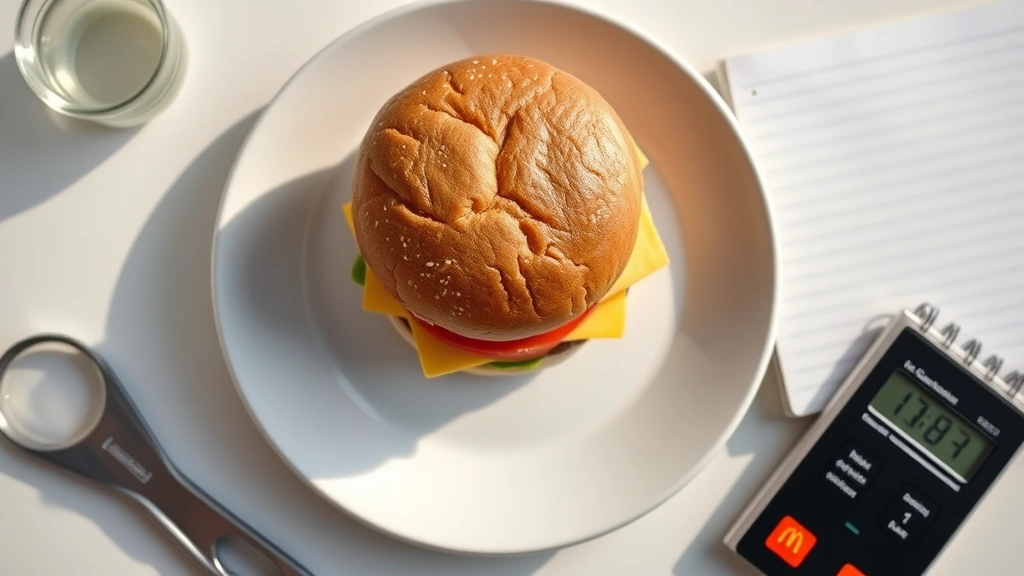
Sodium and Heart Health Concerns
The McDouble’s most problematic nutritional characteristic is its sodium content: 880-920 milligrams per sandwich. This represents 38-40% of the recommended daily sodium limit established by major health organizations. The American Heart Association recommends no more than 2,300 milligrams daily, with optimal intake closer to 1,500 milligrams for cardiovascular health.
Sodium concentration in fast food stems from multiple sources: meat preservation, cheese, condiments (mustard and ketchup contain surprising sodium levels), and the bun itself. Consuming a single McDouble commits nearly 40% of daily sodium allocation to one meal, leaving minimal flexibility for other meals while maintaining recommended levels.
Research from the U.S. Department of Health and Human Services consistently links excessive sodium intake to hypertension, stroke risk, and kidney disease progression. Individuals with existing hypertension, diabetes, or family history of cardiovascular disease should exercise particular caution with high-sodium fast-food items like the McDouble.
Those concerned about sodium intake should consider the McDouble an occasional menu choice rather than a regular staple. Alternatively, requesting modifications—such as requesting reduced condiment application or choosing mustard-only preparations—can modestly reduce sodium content without eliminating the item from consideration.
Micronutrients and Vitamins
Beyond macronutrients, the McDouble provides various micronutrients, though the profile remains relatively limited compared to whole-food alternatives. The sandwich contains notable amounts of iron, zinc, and B vitamins from the beef patties, supporting energy metabolism and immune function. Approximately 2.6 milligrams of iron (15% of daily value) and 5 milligrams of zinc (45% of daily value) represent meaningful micronutrient contributions.
Calcium content reaches approximately 200 milligrams (roughly 15-20% of daily value) primarily from cheese. However, the high sodium content potentially undermines some calcium’s bone health benefits, as excessive sodium can increase urinary calcium excretion. Phosphorus content is similarly elevated, contributing to the overall mineral profile.
Conversely, the McDouble provides minimal vitamin C, dietary fiber, and phytonutrients—all essential compounds found abundantly in vegetables, fruits, and whole grains. This nutrient gap highlights why consuming fast food items like the McDouble as primary dietary staples creates nutritional deficiencies despite adequate caloric intake. Those pursuing nutrition and mental health optimization should recognize that micronutrient density significantly impacts cognitive function and emotional wellbeing.
The absence of significant micronutrient diversity in the McDouble underscores the importance of complementary meals featuring varied whole foods. Strategic nutrient absorption optimization requires intentional food pairing and meal composition planning.
Comparison with Alternatives
Contextualizing the McDouble requires comparison with similar fast-food options and healthier alternatives. The McDonald’s McChicken contains approximately 400 calories with slightly lower fat (19g) but comparable protein (15g) and similar sodium (730mg). The Quarter Pounder with Cheese provides 520 calories with higher fat (28g) and significantly more sodium (1,090mg), making it less favorable nutritionally.
The Hamburger offers a lighter alternative at 250 calories with 9g fat and 12g protein, though the reduced protein makes it less satisfying for many consumers. For those prioritizing protein intake, the McDouble’s 22-gram contribution remains competitive among fast-food main courses. However, nutrition solutions exist beyond traditional fast-food offerings that provide superior micronutrient profiles.
Grilled chicken sandwiches from various chains typically offer similar calories (350-450) with lower saturated fat but comparable sodium levels. Plant-based burger alternatives have emerged as options, though their sodium content often matches or exceeds traditional beef sandwiches. The critical distinction involves intentional choice based on individual nutritional priorities rather than default consumption patterns.
Comparison data from McDonald’s official nutrition information enables transparent assessment across menu items. Regular consultation of such resources empowers informed decision-making aligned with personal health objectives.
Expert Recommendations
Nutrition experts and registered dietitians offer several evidence-based recommendations regarding McDouble consumption within balanced dietary patterns. The consensus acknowledges that occasional fast-food consumption—even items like the McDouble—fits within healthy eating frameworks when integrated thoughtfully within overall dietary patterns.
Frequency recommendations suggest limiting McDouble consumption to no more than once or twice monthly for those prioritizing cardiovascular health and weight management. This frequency allows occasional enjoyment while preventing sodium, saturated fat, and caloric accumulation that characterizes regular consumption patterns.
Strategic modification strategies can improve the McDouble’s nutritional profile: requesting minimal condiments reduces sodium; adding a side salad increases micronutrient and fiber intake; substituting water for sugary beverages eliminates liquid calories; and consuming the sandwich slowly promotes satiety signaling, potentially reducing overall meal consumption.
For individuals with specific health conditions, the McDouble warrants more restrictive consideration. Those managing hypertension should prioritize lower-sodium alternatives; individuals with elevated cholesterol should limit saturated fat intake; and those with diabetes should monitor carbohydrate impact. Conversely, active individuals and athletes may benefit from the McDouble’s protein density when timing consumption appropriately around training.
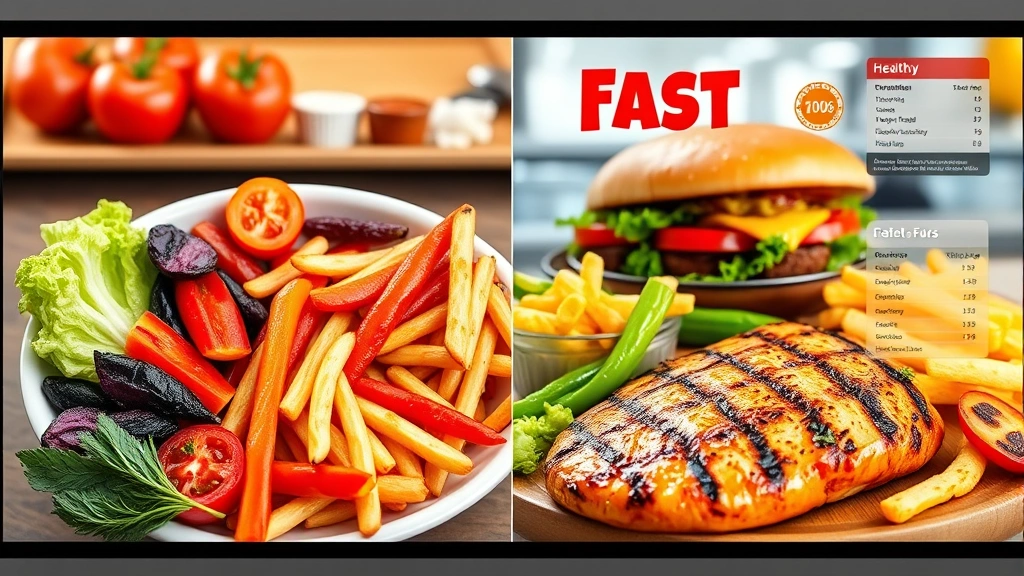
The nutrition blog regularly explores how individual food choices integrate into broader health frameworks. Rather than adopting absolutist positions regarding specific foods, evidence-based nutrition emphasizes pattern recognition—regular choices matter far more than occasional indulgences.
Consulting registered dietitian nutritionists enables personalized guidance accounting for individual health status, dietary preferences, and nutritional objectives. Generic recommendations provide useful frameworks, but individual circumstances often warrant tailored approaches. Those with cardiovascular disease, diabetes, or other chronic conditions should discuss fast-food consumption patterns with qualified healthcare providers.
FAQ
How many calories are in a McDonald’s McDouble?
A McDonald’s McDouble contains approximately 400-420 calories, representing roughly 20% of a typical 2,000-calorie daily diet. The exact caloric content may vary slightly based on preparation and regional variations.
Is the McDouble high in sodium?
Yes, the McDouble contains 880-920 milligrams of sodium, representing 38-40% of the recommended daily limit. This elevated sodium content makes it a significant contributor to daily sodium intake, particularly concerning for those managing hypertension or cardiovascular disease risk factors.
Does the McDouble provide adequate protein?
The McDouble provides 22 grams of protein, making it a reasonable protein source for a single meal. This protein content supports muscle maintenance and recovery, particularly beneficial for active individuals. However, protein quality and amino acid completeness varies compared to whole-food sources.
Can I include McDouble in a weight loss diet?
The McDouble can fit within weight loss diets when consumed strategically and infrequently. Its 420-calorie content requires accounting within daily caloric targets. However, the limited fiber and micronutrient density may leave consumers feeling less satisfied compared to whole-food alternatives containing similar calories.
What’s the saturated fat content?
The McDouble contains 10 grams of saturated fat, representing 50% of the recommended daily limit. This elevated saturated fat content warrants consideration for those monitoring cardiovascular health, particularly individuals with existing risk factors or elevated cholesterol levels.
Are there healthier McDonald’s alternatives?
Yes, several McDonald’s options provide improved nutritional profiles: the Hamburger offers lower calories and fat; salads with grilled chicken provide increased vegetable content; and egg-based breakfast items offer different macronutrient ratios. Reviewing McDonald’s official nutrition information enables comparison-based selection.
How often should I eat a McDouble?
Nutrition experts generally recommend limiting McDouble consumption to no more than once or twice monthly for optimal health outcomes. This frequency allows occasional enjoyment while preventing accumulation of excess sodium, saturated fat, and calories that characterize regular consumption patterns.
What modifications reduce McDouble sodium content?
Requesting minimal condiments, choosing mustard-only preparation, and requesting reduced salt on patties can modestly decrease sodium content. However, the bun and cheese inherently contain significant sodium, so modifications provide only partial reduction rather than dramatic improvement.


