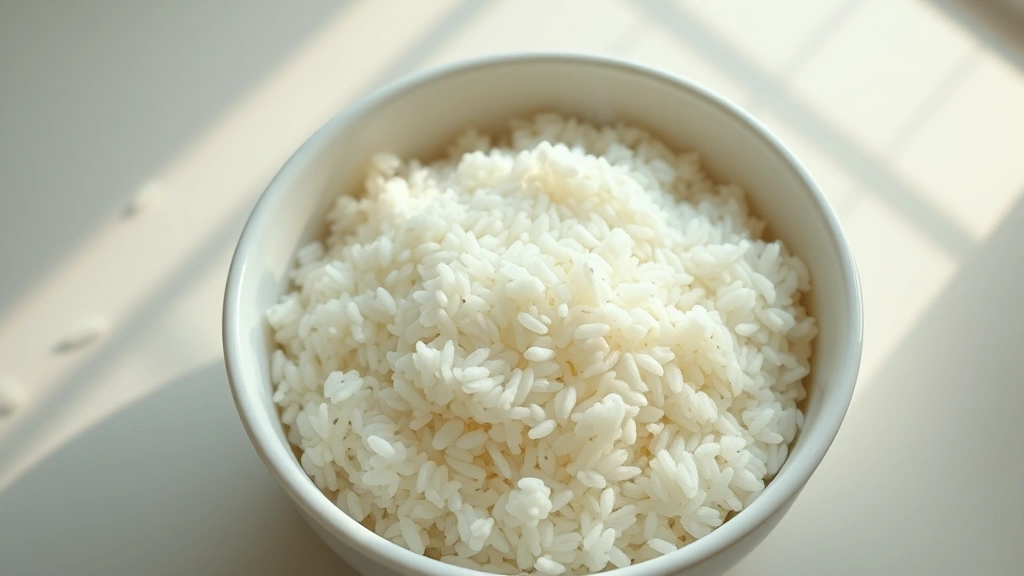
What’s in a Cup of Rice? Dietitian Analysis
Rice is one of the world’s most consumed staple foods, feeding billions of people across cultures and continents. Yet many people remain uncertain about its nutritional profile, especially when it comes to understanding exactly what they’re consuming in a single cup of cooked rice. As a dietitian, I’m frequently asked whether rice is a healthy choice, how it fits into balanced meals, and what nutritional value it truly provides. The answer isn’t straightforward because rice varieties differ significantly in their nutrient density, and preparation methods matter considerably.
In this comprehensive analysis, we’ll break down the macronutrients, micronutrients, and health implications of one cup of cooked rice. Whether you’re tracking calories for weight management, managing blood sugar levels, or simply trying to understand your diet better, this detailed examination will provide the evidence-based information you need to make informed dietary decisions.
Caloric Content and Macronutrient Breakdown
One cup of cooked white rice contains approximately 206 calories, making it a relatively moderate-calorie food when portion-controlled. This caloric content comes almost entirely from carbohydrates, which constitute about 45 grams per cup. The remaining macronutrient profile includes roughly 4 grams of protein and less than 1 gram of fat, making rice an exceptionally lean carbohydrate source.
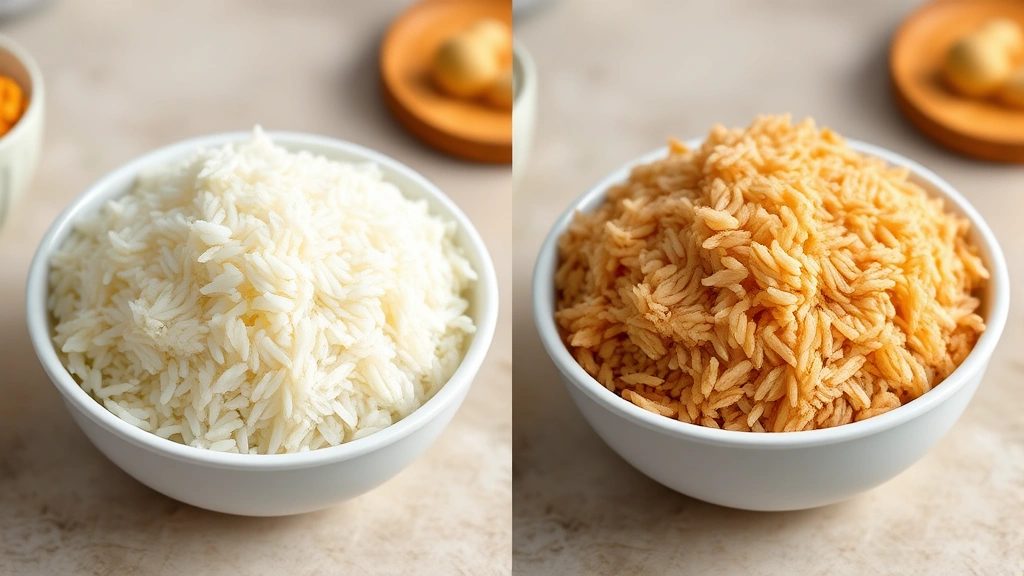
Brown rice, by contrast, contains slightly more calories—approximately 215 calories per cup—due to its intact bran layer, which contains more fiber and some additional lipids. Understanding these baseline numbers is essential for anyone following a structured meal plan or tracking macronutrients for specific health goals. The caloric density of rice is relatively low compared to other grain-based foods, which explains why it’s often used as a base for satisfying meals without excessive calorie intake.
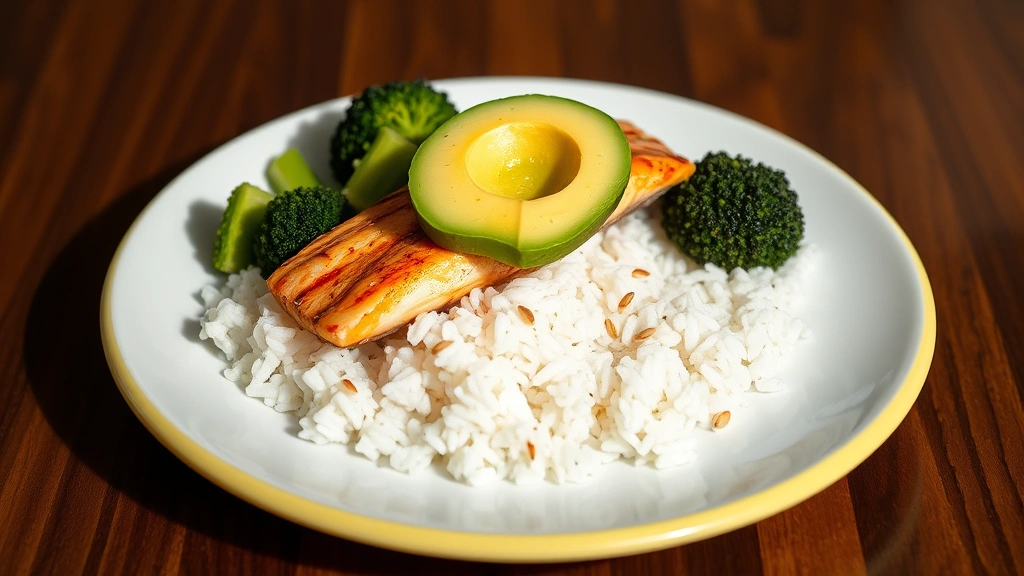
For those following a healthy nutrition plan, rice serves as a versatile carbohydrate option that can be paired with protein sources like chicken, fish, or legumes, and vegetables to create balanced meals. The key is understanding portion sizes and how rice fits within your overall dietary framework.
Carbohydrates: The Primary Energy Source
Carbohydrates dominate the nutritional profile of rice, comprising roughly 90% of the macronutrient content in a cooked cup. These carbohydrates are primarily in the form of starch, which is a complex carbohydrate that provides sustained energy. The human body breaks down this starch into glucose, which fuels brain function, muscle activity, and overall metabolic processes.
The type of carbohydrate in rice matters significantly. White rice has had its bran and germ removed during processing, leaving primarily the starchy endosperm. This results in faster digestion and a more rapid blood sugar spike compared to whole grain varieties. Brown rice retains the fiber-rich bran layer, which slows carbohydrate digestion and provides more sustained energy release.
Interestingly, the way you prepare and cool rice can alter its carbohydrate characteristics. When rice is cooked and then cooled, some of the starch converts to resistant starch, which behaves more like fiber in your digestive system. This means that cold rice salads or reheated rice may have slightly different metabolic effects than freshly cooked rice, though the difference is modest.
For individuals concerned about dietary fiber intake, it’s important to note that white rice contains minimal fiber—less than 1 gram per cup—while brown rice provides approximately 3.5 grams. This fiber content significantly impacts digestive health and satiety.
Protein and Fat Content in Rice
Rice is often mischaracterized as a complete protein source, but the reality is more nuanced. One cup of cooked white rice contains approximately 4 grams of protein, while brown rice provides about 5 grams. While these amounts contribute to daily protein intake, they’re insufficient to serve as a primary protein source for most adults.
The protein in rice is incomplete, meaning it lacks adequate amounts of certain essential amino acids, particularly lysine. This is why traditional food combinations—such as rice paired with beans, lentils, or other legumes—have developed across cultures. These pairings create complementary amino acid profiles that together provide all nine essential amino acids your body cannot manufacture independently.
The fat content in rice is negligible, with white rice containing less than 0.5 grams of fat per cup. This minimal fat content makes rice an excellent choice for individuals following low-fat dietary approaches, though it also means rice provides no essential fatty acids. This reinforces the importance of consuming rice as part of a balanced meal that includes other fat-containing foods like avocados, nuts, or oils.
From a nutritional standpoint, understanding that rice is primarily a carbohydrate and energy source—rather than a protein powerhouse—helps inform how you construct balanced meals. Pairing rice with adequate protein ensures you’re meeting your amino acid requirements while benefiting from rice’s energy-sustaining carbohydrates.
Vitamins and Minerals in Cooked Rice
The micronutrient profile of rice varies considerably between white and brown varieties, as well as between enriched and non-enriched products. White rice in most developed countries is enriched with essential vitamins and minerals to compensate for nutrients lost during processing.
One cup of enriched white rice typically contains:
- Thiamine (Vitamin B1): Approximately 0.2 milligrams, supporting energy metabolism and nerve function
- Niacin (Vitamin B3): Around 2.4 milligrams, essential for DNA repair and cellular energy production
- Folate (Vitamin B9): Roughly 90 micrograms, critical for cell division and DNA synthesis
- Iron: Approximately 1.9 milligrams, vital for oxygen transport and energy production
- Magnesium: About 19 milligrams, important for muscle function and energy metabolism
- Phosphorus: Roughly 68 milligrams, essential for bone health and energy production
- Manganese: Approximately 0.8 milligrams, supporting bone development and metabolism
Brown rice naturally contains higher levels of these micronutrients because the bran and germ layers—which are removed in white rice processing—are nutrient-dense. However, brown rice typically isn’t enriched, so the micronutrient comparison depends on whether you’re consuming enriched white rice or natural brown rice.
It’s worth noting that the bioavailability of minerals in rice can be affected by phytic acid, a compound in the bran that can bind to minerals and reduce absorption. This is another reason why improving nutrient absorption from grains involves preparation techniques like soaking, sprouting, or fermenting rice before cooking.
White Rice vs. Brown Rice Nutritional Comparison
The debate between white and brown rice has long divided nutritionists and health-conscious consumers. Each variety offers distinct nutritional advantages and disadvantages that make the choice dependent on individual health goals and dietary needs.
White Rice Advantages:
- Lower in phytic acid, allowing better mineral absorption
- Easier to digest for individuals with sensitive digestive systems
- When enriched, provides essential B vitamins and iron
- Longer shelf life due to removal of oil-containing germ
- Milder flavor that pairs well with diverse cuisines
Brown Rice Advantages:
- Higher fiber content supports digestive health and satiety
- Contains naturally occurring vitamins without requiring enrichment
- Higher in antioxidants and phytonutrients
- More sustained energy release due to lower glycemic index
- Greater mineral content in the intact bran layer
Research from institutions studying grain nutrition suggests that brown rice may offer advantages for weight management and blood sugar control, though individual responses vary. For individuals with digestive sensitivities or certain gastrointestinal conditions, white rice may be more appropriate. The optimal choice depends on your specific health status, digestive capacity, and nutritional needs.
Glycemic Index and Blood Sugar Impact
The glycemic index (GI) measures how quickly foods raise blood sugar levels. White rice has a high glycemic index (around 70-73), meaning it causes relatively rapid blood sugar elevation. Brown rice has a moderate glycemic index (around 50-68), providing more gradual glucose release due to its fiber content.
For individuals managing diabetes or prediabetes, this difference is significant. The slower carbohydrate absorption from brown rice results in less dramatic insulin spikes, which can be beneficial for blood sugar stability and reducing diabetes risk. However, even with brown rice, portion control remains important for managing glycemic load—the total carbohydrate impact of a meal.
Several factors influence rice’s glycemic impact beyond its color:
- Amylose content: Rice varieties with higher amylose (a type of starch) have lower glycemic indices
- Cooking method: Pressure cooking or cooking with added fat can lower glycemic response
- Cooling after cooking: Refrigerated rice develops resistant starch, reducing glycemic impact
- Meal composition: Pairing rice with protein, fat, and fiber significantly reduces overall glycemic response
For those concerned about blood sugar management, consuming rice with nutrient-dense foods like avocados, which provide healthy fats and fiber, can moderate the glycemic impact while creating a more satisfying, nutritionally complete meal.
Rice and Your Healthy Nutrition Plan
Incorporating rice into a healthy nutrition plan requires understanding how it fits within your overall dietary pattern and health objectives. Rice isn’t inherently unhealthy or healthy—its nutritional value depends on context, portion size, and what you pair it with.
For weight management, rice can be an excellent choice when portions are controlled and balanced with adequate protein and vegetables. The satiety provided by a proper portion of rice, combined with lean protein and fiber-rich vegetables, creates satisfying meals that support sustainable weight loss.
For athletes and active individuals, rice serves as an efficient carbohydrate source for energy replenishment. Post-workout meals combining rice with protein support muscle recovery and glycogen repletion. The easily digestible carbohydrates in white rice make it particularly useful in athletic nutrition contexts.
For individuals with digestive concerns, white rice is often recommended as a bland, easily tolerated carbohydrate source. Its low fiber content and simple starch composition make it suitable during digestive recovery periods, though long-term reliance on white rice should be supplemented with more nutrient-dense carbohydrate sources.
Visit the Nutrients Pathway Blog for comprehensive guidance on constructing balanced meals that incorporate rice strategically within your overall dietary framework.
Maximizing Nutrient Absorption from Rice
Understanding the nutritional content of rice is only half the equation; what matters equally is how effectively your body absorbs and utilizes these nutrients. Several evidence-based strategies can enhance nutrient bioavailability from rice:
Preparation Techniques:
- Rinsing: Removes surface starch and some phytic acid, though excessive rinsing removes some enrichment in white rice
- Soaking: Pre-soaking rice for several hours reduces phytic acid and can improve mineral absorption
- Sprouting: Germinating rice before cooking increases enzyme activity and nutrient availability
- Fermentation: Traditional fermentation methods reduce anti-nutrients and enhance vitamin production
To improve nutrient absorption from rice, combine these preparation methods with strategic meal composition. Adding vitamin C sources—like citrus, tomatoes, or bell peppers—enhances iron absorption. Including healthy fats from oils, nuts, or avocados improves absorption of fat-soluble vitamins and provides satiety.
Research from nutritional science indicates that the context in which you consume rice significantly impacts nutrient absorption. A cup of rice consumed as part of a diverse meal with vegetables, protein, and healthy fats will deliver superior nutritional benefits compared to rice consumed in isolation.
Additionally, the relationship between nutrition and mental health suggests that the sustained energy from properly prepared rice may support cognitive function and mood stability when consumed as part of a balanced diet. The carbohydrates in rice facilitate serotonin production, supporting mental wellbeing.
FAQ
How many calories are in one cup of cooked rice?
One cup of cooked white rice contains approximately 206 calories, while brown rice contains about 215 calories. These values assume standard cooking with water and no added oils or seasonings.
Is rice a good source of protein?
Rice provides approximately 4-5 grams of protein per cup, which is modest. Rice protein is incomplete, lacking sufficient lysine. Pairing rice with legumes, nuts, or other protein sources creates a complete amino acid profile.
Which is healthier: white or brown rice?
Brown rice offers more fiber, higher micronutrient density, and a lower glycemic index, making it advantageous for most people. However, white rice is easier to digest and, when enriched, provides essential B vitamins and iron. The best choice depends on individual digestive capacity and health goals.
How does rice affect blood sugar levels?
White rice has a high glycemic index and raises blood sugar relatively quickly. Brown rice has a moderate glycemic index and provides more gradual glucose release. Pairing any rice with protein, fat, and fiber significantly reduces glycemic impact.
Can I improve the nutritional value of rice?
Yes. Soaking or sprouting rice before cooking reduces phytic acid and increases nutrient bioavailability. Pairing rice with vegetables, protein sources, and healthy fats creates nutritionally superior meals and enhances nutrient absorption.
How much rice should I eat per day?
Appropriate rice portions depend on individual caloric needs, activity level, and health goals. Generally, one to two cups of cooked rice daily fits within balanced nutrition for most adults, though active individuals may require more.
Is enriched rice better than non-enriched?
Enriched white rice has added vitamins and minerals that compensate for processing losses, making it nutritionally superior to non-enriched white rice. Brown rice naturally contains these nutrients without enrichment, though enriched brown rice is also available.


