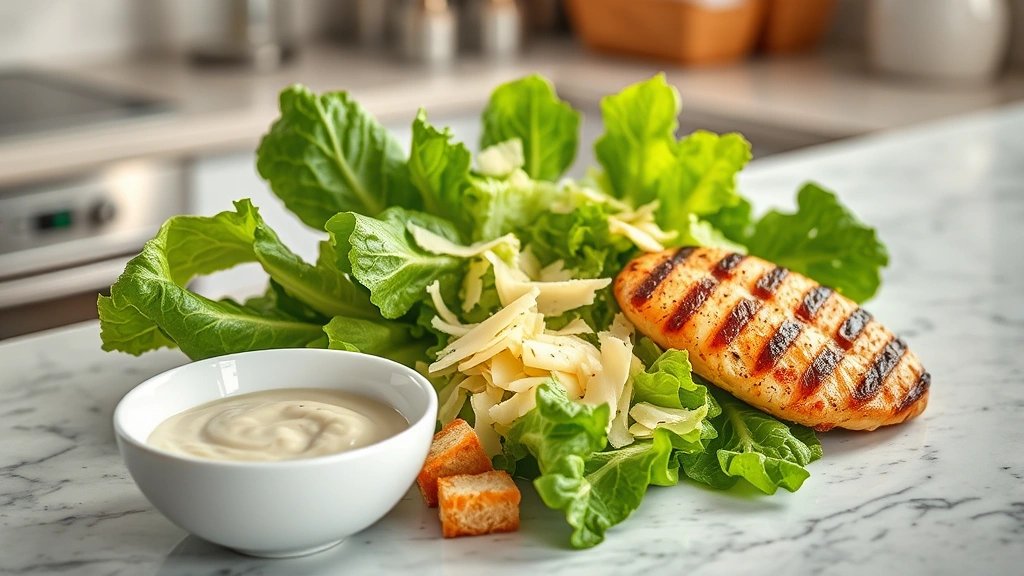
Caesar Salad Nutrition: Dietitian’s Breakdown
The Caesar salad has become a staple on restaurant menus and home dinner tables alike, but its nutritional profile often surprises health-conscious diners. While salads are generally perceived as healthy choices, the traditional Caesar preparation can pack surprising calories, sodium, and saturated fat—sometimes rivaling less virtuous menu options. Understanding the nutritional value of a caesar salad requires examining each component individually, from the romaine lettuce base to the creamy dressing and crispy croutons that make this dish so appealing.
This comprehensive dietitian’s breakdown examines every element of a Caesar salad, helping you make informed decisions about whether this classic dish fits your nutritional goals. Whether you’re dining out or preparing Caesar salad at home, knowing the calorie content, macronutrient distribution, and ingredient modifications can transform this beloved salad from a dietary pitfall into a genuinely nutritious meal.

Calorie Content and Macronutrient Breakdown
A typical Caesar salad served at restaurants contains between 300 to 800 calories, depending on portion size and preparation method. This wide range reflects the significant variation in how different establishments prepare this dish. A basic Caesar salad with just lettuce, dressing, and croutons averages around 400-500 calories, while versions that include chicken breast, bacon, or extra cheese can exceed 700-800 calories.
The macronutrient distribution of a standard Caesar salad typically looks like this: approximately 40-50% of calories come from fat, 20-30% from carbohydrates, and 15-25% from protein. This fat-heavy distribution stems primarily from the creamy dressing, which traditionally contains mayonnaise, anchovies, and Parmesan cheese. For context, the recommended macronutrient balance for most adults is 20-35% fat, 45-65% carbohydrates, and 10-35% protein. A Caesar salad alone doesn’t meet ideal proportions, which is why pairing decisions matter significantly.
When you order a Caesar salad with added protein like grilled chicken, the nutritional profile shifts considerably. Chicken breast adds approximately 140-180 calories and 26-35 grams of protein, improving the protein-to-calorie ratio substantially. However, if that chicken is fried or heavily sauced, calorie additions can range from 50-200 extra calories. Understanding these variations helps explain why two Caesar salads at different restaurants might have dramatically different nutritional impacts on your daily intake.

The Role of Caesar Dressing in Nutrition
Caesar dressing is the primary nutritional wildcard in this salad equation. Traditional Caesar dressing contains 150-200 calories per two-tablespoon serving, with most restaurants using considerably more than this standard portion. A typical restaurant Caesar salad receives 4-6 tablespoons of dressing, meaning 300-600 calories come directly from this ingredient alone—before considering the lettuce, croutons, or proteins.
The composition of Caesar dressing reveals why it’s so calorie-dense. Most recipes include mayonnaise (the primary fat source), Parmesan cheese, anchovies, garlic, Worcestershire sauce, and lemon juice. A single tablespoon of mayonnaise contains approximately 90-100 calories and 10 grams of fat. The Parmesan cheese adds additional saturated fat and sodium. When combined, these ingredients create a dressing that’s roughly 85-95% fat by calorie content.
Light or reduced-fat Caesar dressing options have emerged as alternatives, typically containing 50-100 calories per two-tablespoon serving. These versions often replace some mayonnaise with Greek yogurt or use less oil. However, many light versions compensate for reduced fat with increased sodium or added sugars. Reviewing specific product labels reveals that “light” doesn’t automatically mean nutritionally superior—it simply means reduced fat content.
The anchovy component of Caesar dressing deserves special attention from a nutrition perspective. Anchovies contribute umami flavor and provide omega-3 fatty acids, which support heart and brain health. These small fish also add minimal calories while enhancing flavor, allowing the dressing to work effectively with less total fat. This explains why authentic Caesar dressings made with genuine anchovies can sometimes be more nutritionally efficient than modern versions that skip this ingredient.
Lettuce and Greens: The Nutrient Base
Romaine lettuce, the traditional Caesar salad green, provides the nutritional foundation of this dish. A full head of romaine lettuce contains only about 16 calories per 100 grams and offers valuable micronutrients including vitamin K, vitamin C, folate, and beta-carotene. The leafy green also provides dietary fiber, though in modest amounts—about 1 gram per cup of chopped lettuce.
The nutritional value of a caesar salad improves significantly when restaurants use generous lettuce portions. A properly proportioned Caesar salad should contain at least 2-3 cups of chopped romaine, providing adequate volume to create satiety alongside the dressing and other components. Unfortunately, many establishments skimp on greens to reduce food costs, resulting in salads that are more dressing and croutons than actual vegetables.
Romaine lettuce’s vitamin K content deserves special mention for those taking anticoagulant medications like warfarin. A single cup of raw romaine contains about 60 micrograms of vitamin K, which can interact with blood-thinning medications. Individuals on these medications should maintain consistent vitamin K intake and consult healthcare providers about Caesar salad consumption, rather than avoiding it entirely.
Some restaurants enhance their Caesar salads with additional greens like spinach or mixed lettuce varieties. Spinach provides even higher micronutrient density than romaine, with greater iron, calcium, and lutein content. These additions improve the nutritional profile without significantly altering calories, making them worthwhile upgrades when available. The Nutrients Pathway Blog offers extensive information about how different greens contribute to overall nutrition.
Protein Sources and Add-Ons
Protein additions transform Caesar salads from vegetable-based side dishes into substantial main courses. The most common protein choices include grilled chicken breast, which adds approximately 140-180 calories and 26-35 grams of protein; shrimp, which provides 100-120 calories and 20-24 grams of protein; and various fish options like salmon or tuna, which add 150-200 calories alongside 25-30 grams of protein.
Bacon represents a more problematic protein addition from a nutritional standpoint. Two strips of crispy bacon add only about 80-100 calories but contribute 6-8 grams of saturated fat and 300-400 milligrams of sodium. While bacon provides authentic flavor and 6-8 grams of protein, it substantially increases the salad’s saturated fat content without equivalent protein benefits compared to leaner options.
Egg additions—often hard-boiled or in the form of a soft-boiled yolk—contribute approximately 70-90 calories and 6-7 grams of protein per egg. Eggs also provide choline, lutein, and zeaxanthin, nutrients important for brain and eye health. A single egg creates minimal calorie impact while meaningfully improving nutritional completeness. For those following nutrition for weight gain protocols, eggs represent an efficient protein-plus-fat option that enhances salad satiety.
Cheese additions—beyond the Parmesan already in dressing—further increase saturated fat and sodium. An ounce of Parmesan cheese adds approximately 110 calories and 7 grams of fat, with 450 milligrams of sodium. While cheese contributes calcium and protein, these additions should be considered in context of total daily intake, particularly for those monitoring sodium consumption due to hypertension or other health conditions.
Sodium, Fat, and Health Concerns
The sodium content of a Caesar salad presents perhaps the most significant nutritional concern. A typical restaurant Caesar salad contains 1,000-1,500 milligrams of sodium, with some versions exceeding 2,000 milligrams. The recommended daily sodium intake for most adults is 2,300 milligrams, meaning a single salad can consume 44-87% of the daily allowance in one meal.
This excessive sodium comes from multiple sources: the dressing itself contains 400-600 milligrams of sodium per serving; Parmesan cheese adds another 200-300 milligrams; croutons contribute 100-200 milligrams; and any cured meat additions like bacon or anchovies add substantial amounts. When combined, these components create a sodium bomb that can problematically affect daily intake, particularly for individuals with hypertension, heart disease, or kidney conditions.
The saturated fat content also warrants examination. A typical Caesar salad provides 8-15 grams of saturated fat, representing 40-75% of the recommended daily maximum of 20 grams for a 2,000-calorie diet. Saturated fat from the dressing, cheese, and meat additions can negatively impact LDL cholesterol levels in susceptible individuals. The American Heart Association recommends limiting saturated fat to 5-6% of daily calories, making the typical Caesar salad problematic for those with cardiovascular risk factors.
However, the saturated fat in Caesar salads comes partially from anchovies and Parmesan cheese, which also provide other beneficial compounds. These ingredients contain fat-soluble vitamins and micronutrients that shouldn’t be entirely dismissed. The key lies in portion control and overall dietary context rather than complete avoidance of these traditional components.
Trans fat represents an additional concern in some Caesar dressings, particularly older or lower-quality commercial versions. While trans fat regulations have reduced its presence in packaged foods, some restaurants still use dressings containing partially hydrogenated oils. Checking with restaurants about their dressing sources and preferring freshly made versions can minimize this concern.
Making Healthier Caesar Salad Choices
Modifying Caesar salads to align with health goals requires strategic decision-making at several touchpoints. The most impactful change involves dressing portion control: requesting dressing on the side and using only 2-3 tablespoons instead of the standard 4-6 tablespoons reduces dressing calories from 300-600 to 100-200. This single modification can reduce total salad calories by 200-400 without sacrificing flavor appreciation.
Requesting light or reduced-fat dressing options provides another calorie reduction strategy, though quality varies significantly between establishments. Some restaurants prepare genuinely lighter versions using Greek yogurt or reduced oil; others simply use lower-quality commercial dressings. Asking about preparation methods helps identify genuinely improved options.
Choosing grilled protein additions over fried versions impacts calories significantly. Grilled chicken breast adds approximately 140 calories; fried chicken breast adds 250-300 calories. Shrimp and white fish provide excellent protein with minimal additional calories compared to beef or pork options. For those interested in comprehensive nutritional planning, consulting resources about healthy nutrition plans can provide broader context for individual salad choices.
Requesting extra lettuce increases volume and satiety without meaningfully increasing calories. A salad with 4 cups of romaine instead of 2 cups provides twice the vitamins, minerals, and fiber while adding only about 16 calories. This modification creates a more filling meal that better satisfies hunger, reducing the likelihood of additional food consumption afterward.
Substituting or reducing croutons significantly impacts both calories and nutritional quality. Traditional croutons provide 50-100 calories per ounce and contribute refined carbohydrates with minimal nutritional value. Requesting no croutons or replacing them with nuts (almonds, walnuts, or pecans) adds healthy fats and protein while reducing simple carbohydrates. This substitution maintains textural contrast that makes salads appealing while improving nutritional density.
Adding vegetables beyond lettuce—such as tomatoes, cucumbers, bell peppers, or red onions—increases nutrient diversity without significantly increasing calories. These additions provide fiber, vitamin C, and phytonutrients while creating volume that improves satiety. Many restaurants accommodate such requests readily, recognizing that vegetable additions enhance nutritional value without affecting their food costs significantly.
Comparing Caesar to Other Salads
Understanding how Caesar salads compare nutritionally to other popular salad options provides useful perspective. A garden salad with vinaigrette dressing typically contains 100-200 calories, roughly one-third the calories of a Caesar salad. However, the Caesar salad provides more protein and satiety due to its heavier dressing and protein additions, making direct calorie comparison misleading for hunger and satisfaction assessment.
Cobb salads, which include bacon, eggs, avocado, and blue cheese dressing, typically contain 500-700 calories—comparable to or exceeding Caesar salads. However, Cobb salads often provide superior micronutrient diversity and better macronutrient balance due to egg and avocado contributions. Information about nutrition facts about avocados reveals that avocado additions provide heart-healthy monounsaturated fats and potassium, offsetting some of the saturated fat from dressing and bacon.
Greek salads with feta cheese and olive oil dressing provide approximately 300-450 calories with excellent micronutrient profiles. The olive oil dressing provides heart-healthy monounsaturated fats and polyphenols, distinguishing it nutritionally from the mayonnaise-based Caesar dressing. Feta cheese, while salty, provides probiotics in some varieties and superior flavor intensity, allowing smaller portions to satisfy taste preferences.
Kale salads have become increasingly popular, often featuring massaged kale with lighter dressings and nutrient-dense additions. These salads typically contain 250-400 calories and offer exceptional micronutrient density, including high levels of vitamin K, calcium, and antioxidants. However, kale’s strong flavor can make them less appealing to those preferring milder greens, potentially reducing consumption rates.
Spinach salads with warm bacon dressing represent another comparison point, typically containing 350-500 calories. Spinach provides superior iron and calcium content compared to romaine, and the warm dressing creates a distinct eating experience. However, the bacon dressing often contains similar fat and sodium concerns as Caesar dressing, making it nutritionally comparable despite different flavor profiles.
The nutritional value of a caesar salad becomes more favorable when compared to sandwich-based lunch options or pasta salads. A turkey sandwich with mayo provides 500-700 calories with less micronutrient density; a pasta salad typically contains 400-600 calories with less protein and more refined carbohydrates. From this perspective, a modified Caesar salad with protein and dressing on the side represents a nutritionally competitive lunch option.
FAQ
How many calories are in a typical restaurant Caesar salad?
A standard restaurant Caesar salad contains 400-600 calories for the salad alone, with versions including protein additions ranging from 500-800 calories. The wide variation reflects differences in portion size, dressing quantity, and specific ingredients used by each establishment.
Is Caesar salad good for weight loss?
Caesar salad can support weight loss when modified appropriately: requesting dressing on the side, choosing lean protein additions, and including generous lettuce portions. However, traditional full-portion Caesar salads with standard dressing quantities often contain excess calories for weight loss diets. The key lies in customization rather than inherent salad properties.
What makes Caesar salad high in sodium?
Multiple components contribute excessive sodium: the dressing itself (400-600 mg), Parmesan cheese (200-300 mg), croutons (100-200 mg), and any cured meat additions. Combined, these create 1,000-1,500+ milligrams of sodium in a single salad—nearly two-thirds of the recommended daily maximum.
Can I make Caesar salad healthier at home?
Homemade Caesar salads offer significant nutritional advantages through dressing control, fresh ingredient selection, and portion customization. Making dressing with Greek yogurt instead of all mayonnaise reduces fat while maintaining creaminess. Using homemade croutons with whole grain bread or substituting nuts provides better nutritional value than commercial versions.
What protein options work best for Caesar salads?
Grilled chicken breast (140-180 calories, 26-35g protein) provides excellent value. Shrimp (100-120 calories, 20-24g protein) and white fish (150-200 calories, 25-30g protein) offer lean alternatives. Eggs (70-90 calories, 6-7g protein) provide nutrient density. Bacon should be limited due to high saturated fat relative to protein content.
How does Caesar salad fit into a balanced diet?
Caesar salad functions best as a lunch or dinner component paired with whole grains or additional vegetables to balance macronutrients. A modified Caesar with grilled chicken and dressing on the side provides 300-400 calories with substantial protein, fitting appropriately into most daily meal plans. Understanding nutrition and mental health connections reveals that balanced meals including quality salads support cognitive function alongside physical health.
Should I avoid Caesar salad entirely due to sodium content?
Complete avoidance isn’t necessary for most people, though those with hypertension or heart disease should be strategic. Requesting no added salt in dressing, skipping the Parmesan, limiting croutons, and avoiding cured meats can reduce sodium to 400-600 milligrams. Consulting healthcare providers about individual tolerance levels provides personalized guidance.
What’s the difference between Caesar and ranch dressing nutritionally?
Both contain similar calories (150-200 per two tablespoons) and saturated fat content (2-3 grams). Ranch typically contains slightly more sodium due to buttermilk and salt additions. Neither offers significant nutritional advantage; choice depends on taste preference rather than health considerations. Dressing portion control matters more than specific type selection.
Does homemade Caesar dressing have different nutrition than restaurant versions?
Homemade dressing allows ingredient control, potentially reducing sodium and saturated fat compared to commercial versions. However, traditional recipes containing mayonnaise, Parmesan, and anchovies provide similar calorie and fat content to restaurant versions. The advantage lies in transparency regarding ingredients rather than inherently superior nutrition.
Can Caesar salad support fitness and muscle-building goals?
Yes, when optimized for protein content. A Caesar salad with grilled chicken, hard-boiled eggs, and moderate dressing provides 35-45 grams of protein alongside essential micronutrients—supporting muscle recovery and adaptation. The key involves prioritizing protein additions while managing total calories within training nutrition protocols. Resources about dietary fiber importance also highlight that adequate fiber from salad greens supports digestive health alongside protein utilization.


