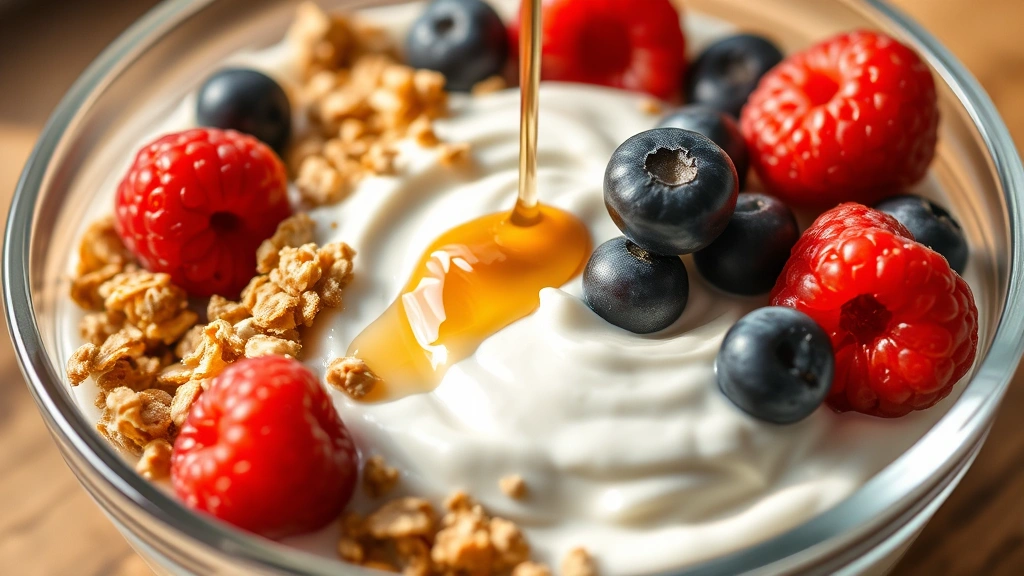
Chobani Greek Yogurt: Nutritionist’s Breakdown
Chobani has become one of the most recognizable names in the Greek yogurt market since its launch in 2007, fundamentally changing how Americans approach dairy consumption. As a nutritionist analyzing this product, understanding its complete nutritional profile is essential for anyone considering it as part of their healthy nutrition plan. The brand’s explosive growth reflects broader consumer trends toward protein-rich, functional foods that deliver both taste and nutritional benefits.
Greek yogurt differs significantly from traditional yogurt due to its straining process, which removes excess whey and concentrates protein, making it a powerhouse for muscle recovery, satiety, and overall dietary wellness. Chobani’s specific formulation has become a case study in how food companies balance commercial viability with nutritional integrity. This comprehensive breakdown examines what makes Chobani Greek yogurt nutritionally significant, how it compares to competitors, and whether it deserves its position as a pantry staple for health-conscious consumers.

Macronutrient Profile and Protein Content
The most striking nutritional feature of Chobani Greek yogurt is its exceptional protein concentration. A single 5.3-ounce serving of plain Chobani contains approximately 15 grams of protein, representing roughly 30% of the daily recommended intake for an average adult. This protein density emerges from the traditional Greek yogurt production method, where the product is strained multiple times to remove liquid whey, concentrating the remaining milk solids and protein molecules.
From a macronutrient perspective, Chobani’s plain variety breaks down to approximately 100 calories per serving, with minimal fat content in the non-fat versions. The full-fat varieties contain around 5-6 grams of fat per serving, predominantly consisting of saturated fat naturally occurring in milk. Carbohydrates remain remarkably low in unsweetened versions, typically ranging from 3-7 grams depending on the specific product line. This macronutrient composition makes Chobani particularly appealing for individuals following ketogenic or low-carbohydrate dietary approaches, as well as those prioritizing protein intake for muscle development and recovery.
The protein in Chobani consists of both casein and whey proteins, which work synergistically to promote prolonged satiety and sustained energy release. Research from the Journal of the International Society of Sports Nutrition demonstrates that dairy protein sources like those found in Greek yogurt stimulate muscle protein synthesis more effectively than plant-based alternatives. This makes Chobani an excellent post-workout recovery option and a reliable protein source for individuals unable or unwilling to consume meat-based proteins.
Micronutrients and Mineral Composition
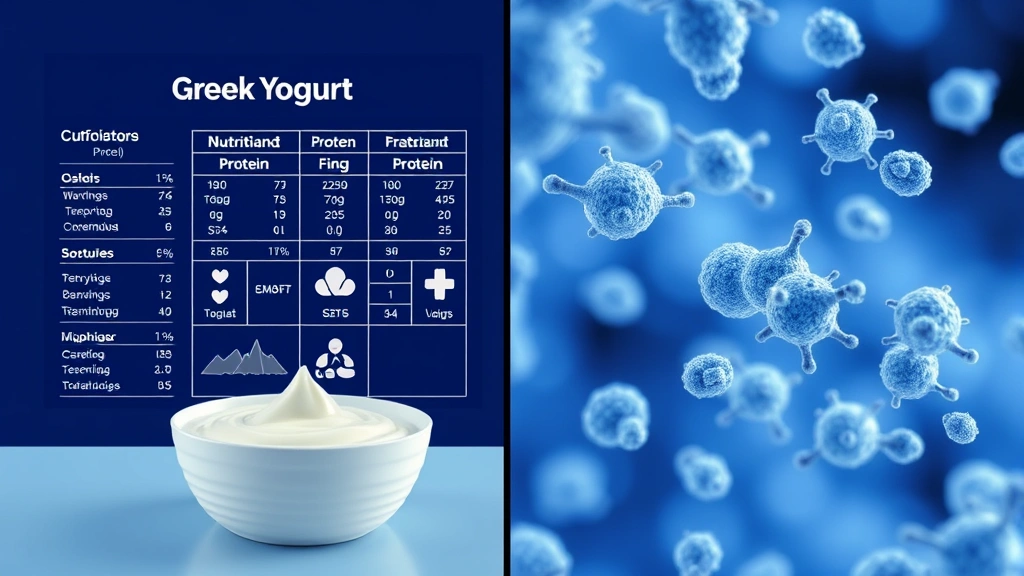
Beyond macronutrients, Chobani delivers substantial micronutrient benefits that extend its nutritional value considerably. Each serving provides approximately 20% of the daily recommended calcium intake, essential for bone density, muscle function, and cardiovascular health. For individuals concerned about nutrition and mental health connections, calcium plays an underappreciated role in neurotransmitter regulation and mood stability.
The product contains significant amounts of phosphorus, which works alongside calcium in bone mineralization and energy metabolism. Iodine presence in Chobani supports thyroid function, while selenium acts as a powerful antioxidant protecting cells from oxidative damage. Vitamin B12 content deserves particular attention, as this essential nutrient supports neurological function, red blood cell formation, and DNA synthesis—areas where vegetarians and vegans often face deficiency risks. A single serving provides approximately 30% of daily B12 requirements.
Chobani also delivers meaningful quantities of zinc, crucial for immune function and wound healing, and potassium, which balances electrolytes and supports cardiovascular health. The mineral profile demonstrates why dairy products remain nutritionally superior to many plant-based alternatives when considering micronutrient density per calorie. These micronutrients work synergistically with the protein content, creating a genuinely functional food that addresses multiple nutritional needs simultaneously.
Probiotics and Digestive Health Benefits
The probiotic content in Chobani represents one of its most compelling health attributes, though often overlooked by consumers fixated on protein content. Probiotics are live beneficial bacteria that colonize the gut microbiome, supporting digestive function, immune response, and even mental health through the gut-brain axis. Chobani contains several probiotic strains, including Lactobacillus bulgaricus and Streptococcus thermophilus, which are added during the yogurt culturing process.
These microorganisms survive the acidic gastrointestinal environment in sufficient quantities to reach the colon, where they exert beneficial effects. Regular consumption of probiotic yogurts like Chobani has been associated with improved digestive regularity, reduced bloating, and enhanced intestinal barrier function. For individuals recovering from antibiotic use or managing inflammatory gut conditions, the probiotic content offers therapeutic potential alongside basic nutritional support.
The importance of dietary fiber for your health works synergistically with probiotics—while Chobani itself contains minimal fiber, pairing it with high-fiber foods creates an optimal environment for probiotic proliferation. This combination approach maximizes the prebiotic-probiotic relationship essential for long-term gut health and microbial diversity.
Research from Cell Host & Microbe indicates that consistent probiotic consumption measurably improves microbiome composition and reduces pathogenic bacterial populations. For individuals seeking to optimize digestive health without pharmaceutical interventions, Chobani provides an evidence-based, accessible option that integrates seamlessly into daily eating patterns.
Sugar Content and Flavored Varieties
The nutritional landscape shifts dramatically when examining Chobani’s flavored varieties, where added sugars become the primary concern for nutritionists. Plain Chobani contains virtually no added sugar, with naturally occurring lactose accounting for the minimal carbohydrate content. However, flavored versions—strawberry, blueberry, honey, and numerous others—contain 12-17 grams of added sugar per serving, representing 24-34% of daily recommended sugar intake in a single yogurt cup.
This distinction matters profoundly for individuals managing blood glucose levels, those with diabetes, or anyone attempting to reduce refined sugar consumption. The addition of sweeteners transforms Chobani from a nutritional powerhouse into a dessert-adjacent food product, despite its lingering health halo. Some Chobani varieties use artificial sweeteners like sucralose or stevia, which present their own considerations regarding metabolic effects and long-term consumption patterns.
The flavoring question reveals a critical tension in commercial nutrition: consumer preference for palatability often conflicts with optimal health outcomes. Plain Chobani requires acquired taste for many consumers, limiting its market appeal despite superior nutritional profile. This explains why flavored varieties dominate sales despite their sugar content. For nutritionists counseling clients, the recommendation remains consistent: select plain varieties and add natural sweetness through fresh berries, honey drizzle, or nut butter swirls to maintain complete nutritional control.
Caloric Density and Weight Management
From a weight management perspective, Chobani’s caloric profile presents significant advantages compared to alternative snacks and desserts. At 100 calories per serving for plain varieties, the protein-to-calorie ratio dramatically exceeds most processed foods. This efficiency matters because protein stimulates thermogenesis—the caloric cost of digestion—more effectively than carbohydrates or fats, meaning the body expends more energy processing the protein in Chobani than in equivalent-calorie carbohydrate sources.
The satiety factor cannot be overstated: consuming 100 calories of Greek yogurt produces substantially greater fullness and appetite suppression than consuming 100 calories of crackers, cookies, or refined carbohydrates. This makes Chobani an exceptional tool for individuals pursuing caloric deficit-based weight loss without experiencing constant hunger. The combination of protein, calcium, and probiotics creates a synergistic effect that extends satiety beyond what protein alone would achieve.
For individuals following tips for meal planning, incorporating Chobani as a breakfast component or between-meal snack provides strategic caloric efficiency. A typical serving contains fewer calories than a medium banana or standard granola bar, yet delivers superior satiety and nutritional density. This explains why Greek yogurt consumption has become particularly popular among fitness enthusiasts and individuals pursuing body composition improvements.
Full-fat Chobani varieties, while higher in calories (around 150 per serving), offer enhanced satiety through fat content and improved absorption of fat-soluble vitamins. The choice between non-fat and full-fat depends on individual caloric targets and macronutrient preferences, though full-fat versions may offer superior overall satiety for some consumers despite modest caloric increases.
Comparison with Competing Brands
Chobani’s market dominance stems partly from legitimate nutritional advantages, though competitors offer viable alternatives worth considering. Fage, another premium Greek yogurt brand, delivers comparable protein content (15-20 grams depending on variety) with similarly minimal ingredient lists. Siggi’s Icelandic-style yogurt actually contains higher protein (17-20 grams) due to even more intensive straining, though at marginally higher cost.
Store-brand Greek yogurts from retailers like Kroger, Safeway, and Trader Joe’s provide nutritionally similar products at reduced prices, often matching Chobani’s macronutrient profiles while offering 20-30% cost savings. The primary difference lies in marketing and brand positioning rather than fundamental nutritional composition. For budget-conscious consumers, store brands deliver equivalent nutritional value without premium pricing.
Non-Greek yogurts like Dannon or Activia contain substantially less protein (5-10 grams per serving) but may offer superior probiotic strains in some cases. Skyr, a traditional Icelandic yogurt product, contains even higher protein than Greek yogurt (15-20 grams) with lower sugar content in plain varieties. Plant-based alternatives from brands like Oatly or Coconut Yogurt offer options for vegans and lactose-intolerant consumers, though they universally contain lower protein unless fortified.
The nutritionist’s perspective acknowledges that Chobani represents excellent nutritional value, but not unique superiority. Consumers should evaluate individual preferences regarding taste, price point, and specific micronutrient priorities rather than assuming Chobani as the only defensible choice. The most important factor remains consistent consumption of high-quality yogurt, regardless of specific brand selection.
Ingredient Quality and Additives
Examining Chobani’s ingredient list reveals a relatively clean formulation compared to many processed dairy products. Plain varieties contain milk, live cultures, and salt—essentially three ingredients representing minimal processing. This simplicity contrasts sharply with conventional yogurts containing multiple stabilizers, thickeners, and additives designed to improve texture and shelf stability.
Chobani does include fruit pectin and other gelling agents in flavored varieties to achieve desired texture consistency. While these additives remain generally recognized as safe (GRAS) by regulatory authorities, some consumers prefer avoiding them entirely. The absence of artificial colors and flavors in most Chobani varieties aligns with contemporary consumer preferences for cleaner ingredient profiles.
Notably, Chobani does not use rBST (recombinant bovine somatotropin), the synthetic growth hormone used in conventional dairy production. This reflects the brand’s positioning toward premium, more natural production methods. The milk sourcing remains somewhat opaque regarding specific farm practices and animal welfare standards, information that increasingly concerned consumers seek when evaluating dairy products.
For consumers prioritizing organic certification, Chobani offers certified organic varieties, though at premium pricing. The organic certification ensures no synthetic pesticides, hormones, or antibiotics in milk production, considerations that matter significantly for individuals following Nutrients Pathway Blog recommendations for whole-food consumption. Non-organic varieties remain nutritionally sound, though the organic premium may appeal to those prioritizing environmental and ethical considerations alongside nutrition.
Practical Integration Into Your Diet
Maximizing Chobani’s nutritional benefits requires strategic integration into daily eating patterns rather than treating it as a standalone food product. The most effective approach involves pairing plain Chobani with nutrient-dense additions that complement its nutritional profile. Fresh berries provide antioxidants and fiber while maintaining relatively low glycemic impact. Nuts and seeds contribute healthy fats, additional protein, and micronutrients that enhance satiety and nutrient absorption.
For breakfast, layering plain Chobani with granola, berries, and ground flaxseed creates a nutritionally complete meal providing protein, healthy fats, complex carbohydrates, and fiber. This combination addresses multiple nutritional needs while maintaining reasonable caloric density. For individuals seeking higher carbohydrate intake post-workout, adding honey or dates provides quick-digesting carbohydrates that replenish glycogen alongside the protein for muscle recovery.
As a snack, plain Chobani with minimal additions offers exceptional satiety and nutritional density. Pairing it with whole grain crackers or apple slices creates balanced macronutrient snacks that prevent energy crashes and excessive hunger between meals. For individuals managing nutrition facts about avocados and other nutrient-dense foods, Chobani complements these choices excellently within a comprehensive dietary approach.
In savory applications, plain Chobani functions as an exceptional substitute for sour cream in baking and cooking, reducing fat content while increasing protein. Marinating chicken or fish in Chobani with herbs and spices leverages the lactic acid for tenderization while adding protein to the preparation. This versatility extends Chobani’s utility beyond traditional yogurt applications, making it a genuinely multifunctional food ingredient.
For individuals with specific health goals—muscle building, weight loss, digestive optimization, or general wellness—Chobani serves different purposes depending on contextual application. Athletes benefit from post-workout consumption for recovery support. Individuals managing weight appreciate the satiety-to-calorie ratio. Those concerned with gut health leverage the probiotic content. This multifaceted nutritional profile explains Chobani’s sustained market success across diverse consumer demographics.
FAQ
Is Chobani Greek yogurt suitable for lactose-intolerant individuals?
While Greek yogurt contains less lactose than conventional yogurt due to whey removal, it still contains lactose. Severely lactose-intolerant individuals may experience discomfort, though many with mild intolerance tolerate Greek yogurt well due to reduced lactose content and beneficial bacteria that aid lactose digestion. Individuals should test tolerance with small quantities before regular consumption.
Does Chobani contain artificial sweeteners or added chemicals?
Plain Chobani contains no artificial sweeteners or unnecessary chemicals, featuring only milk, cultures, and salt. Flavored varieties may contain artificial sweeteners like sucralose depending on specific product lines. Always review ingredient labels for specific product varieties, as formulations vary across the Chobani product range.
Can Chobani support muscle building and fitness goals?
Absolutely. Chobani’s 15-gram protein content per serving, combined with complete amino acid profile and convenient consumption, makes it excellent for post-workout recovery and daily protein intake. The combination of casein and whey proteins provides both immediate and sustained amino acid delivery for muscle protein synthesis.
How does Chobani compare nutritionally to cottage cheese?
Cottage cheese typically contains similar or higher protein (14-28 grams depending on variety) but higher sodium content. Chobani offers superior probiotic content and smoother texture for most consumers. Choice depends on individual preferences and specific nutritional priorities, though both represent excellent high-protein dairy options.
Is Chobani appropriate for individuals following ketogenic diets?
Plain Chobani works well for ketogenic approaches, containing minimal carbohydrates (3-7 grams) and substantial fat and protein. Flavored varieties exceed daily carbohydrate allowances due to added sugars and should be avoided. Full-fat plain varieties offer optimal macronutrient ratios for ketogenic protocols.
What distinguishes Greek yogurt from regular yogurt nutritionally?
Greek yogurt undergoes additional straining that removes whey, concentrating protein approximately 2-3 times higher than conventional yogurt while reducing lactose and carbohydrates. This makes Greek yogurt nutritionally superior for protein intake and digestive tolerance, though both varieties offer probiotics and other benefits.


