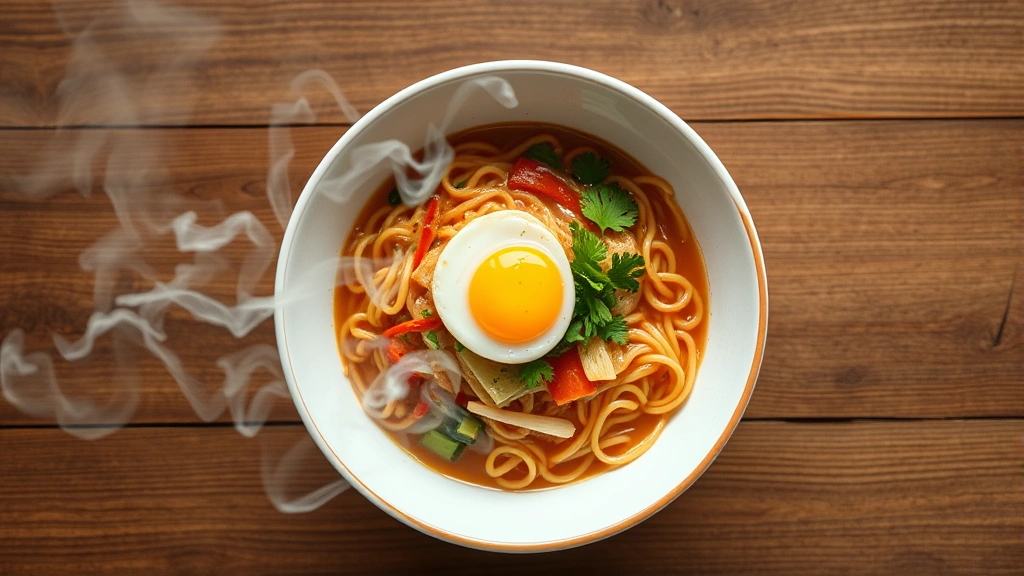
Cup of Noodles: Nutritional Breakdown by Expert
Cup of Noodles has become a staple in millions of households worldwide, offering convenience and affordability for quick meals. Whether you’re a college student, busy professional, or someone seeking a rapid lunch solution, instant noodles provide an accessible option when time is limited. However, understanding the nutritional value of cup of noodles is essential for making informed dietary choices and maintaining overall health. This comprehensive analysis examines what’s actually in your bowl, breaking down macronutrients, micronutrients, sodium content, and potential health implications based on expert nutritional science.
The instant noodle industry generates billions in annual revenue, and Cup of Noodles remains one of the most recognizable brands globally. Yet despite their popularity, many consumers remain unaware of the specific nutritional components they’re consuming. This article provides a detailed expert breakdown of Cup of Noodles’ nutritional profile, comparing different varieties, discussing health considerations, and offering practical guidance for incorporating instant noodles into a balanced diet.

Caloric Content and Macronutrient Breakdown
A standard serving of Cup of Noodles contains approximately 380-390 calories per package, making it a relatively modest caloric contribution to daily intake. However, this figure represents the prepared noodles with water added, and actual caloric density becomes more significant when considering portion sizes and preparation methods. The macronutrient composition reveals that Cup of Noodles derives most calories from carbohydrates, with a typical package containing 50-55 grams of total carbohydrates.
The carbohydrate profile consists primarily of simple sugars and refined starches, with minimal complex carbohydrates. Most varieties contain approximately 2-3 grams of dietary fiber, which falls considerably short of daily recommended intake levels. This low fiber content means Cup of Noodles provides limited satiety and nutritional density compared to whole grain alternatives. The refining process used in instant noodle production removes much of the bran and germ, stripping away natural fiber and many beneficial micronutrients.
Protein content in Cup of Noodles ranges from 8-12 grams per package, depending on the specific variety and any added ingredients. While this represents a meaningful protein contribution, the quality of protein is important to consider. The protein comes primarily from wheat flour and soy, making it an incomplete protein source lacking optimal amino acid profiles. Combining Cup of Noodles with additional protein sources—such as eggs, tofu, or legumes—enhances the nutritional completeness of the meal.
Fat content typically comprises 14-16 grams per package, derived from vegetable oils used in the frying process during noodle production. The majority of this fat consists of unsaturated fats, though some saturated fat is present. The preparation method significantly influences final fat content; adding oil, butter, or cream-based broths increases total fat intake considerably. Understanding macronutrient composition helps consumers make conscious decisions about whether Cup of Noodles fits their dietary goals and nutritional needs.
Sodium Levels and Health Implications
Perhaps the most significant nutritional concern regarding Cup of Noodles involves its sodium content. A single package contains 890-1000 milligrams of sodium, representing approximately 38-43% of the recommended daily sodium intake for adults. This exceptionally high sodium concentration stems from salt added directly to the noodles and the sodium-rich seasoning packets included in most varieties. For individuals managing hypertension, cardiovascular disease, or other sodium-sensitive conditions, a single serving represents a substantial portion of their daily sodium allowance.
The American Heart Association recommends limiting sodium intake to 2,300 milligrams daily, with an ideal limit of 1,500 milligrams for optimal cardiovascular health. Consuming Cup of Noodles approaches or exceeds 40% of the higher recommendation in a single meal, leaving minimal sodium budget for other foods throughout the day. This becomes particularly problematic when considering that processed foods collectively contribute approximately 70% of daily sodium intake in typical Western diets.
Excessive sodium consumption correlates with elevated blood pressure, increased risk of stroke, heart disease, and kidney complications. Research published by the American Heart Association demonstrates clear links between high sodium intake and cardiovascular morbidity. For vulnerable populations—including individuals with existing hypertension, elderly adults, and those with family histories of heart disease—regular Cup of Noodles consumption poses measurable health risks.
However, sodium reduction strategies exist for noodle enthusiasts. Using only partial seasoning packets reduces sodium by 20-30% while maintaining flavor. Alternatively, preparing Cup of Noodles with homemade broths and complementary seasonings provides complete control over sodium levels. Adding sodium-free flavor enhancers like garlic, ginger, chili peppers, and herbs creates satisfying meals without excessive salt.
Micronutrients and Fortification
Cup of Noodles undergoes fortification with several essential micronutrients, including B vitamins and iron. A typical package provides 10-15% of daily recommended values for thiamine (B1), riboflavin (B2), and niacin (B3). Iron fortification contributes approximately 15-20% of daily recommended intake, though the bioavailability of added iron varies depending on formulation. These micronutrient additions represent attempts to enhance nutritional value beyond the basic carbohydrate-protein-fat composition.
Calcium and vitamin C content remains minimal in standard Cup of Noodles preparations, reflecting the product’s basic ingredient profile. Magnesium, potassium, and other minerals essential for bone health, cardiovascular function, and metabolic processes are present in negligible quantities. The micronutrient profile demonstrates that while Cup of Noodles provides some nutritional fortification, it cannot serve as a primary source for meeting daily micronutrient requirements. Relying on Cup of Noodles as a dietary staple creates significant nutritional deficiencies over time.
Different Cup of Noodles varieties include varying fortification levels. Shrimp, beef, and chicken flavors typically contain similar micronutrient profiles, while specialty varieties may include additional ingredients affecting nutritional composition. Reading individual package labels ensures accurate assessment of specific products, as formulations vary by region and production facility.
Comparison Across Cup of Noodles Varieties
The Cup of Noodles product line extends far beyond the original chicken flavor, with numerous regional and specialty varieties offering different nutritional profiles. Understanding these variations helps consumers select options aligning with their dietary preferences and health goals. The classic original chicken flavor serves as the baseline reference point, with 380 calories, 9 grams protein, and 890 milligrams sodium per package.
Shrimp flavor varieties maintain similar caloric and macronutrient profiles while offering distinct taste experiences. Beef flavors typically contain comparable nutritional values with slight variations in sodium content depending on formulation. Vegetarian options, while maintaining similar base noodle nutrition, may include additional vegetable components slightly increasing fiber content and micronutrient diversity.
Specialty varieties marketed toward health-conscious consumers present interesting alternatives. Some reduced-sodium versions contain 640-700 milligrams of sodium per package, representing meaningful reductions without sacrificing significant flavor. Whole grain Cup of Noodles varieties incorporate brown rice or whole wheat flour, increasing fiber content to 4-5 grams and enhancing micronutrient density. These alternatives cost slightly more but provide superior nutritional value for consumers willing to invest in healthier options.
Regional varieties, particularly popular in Asian markets, sometimes feature different base ingredients and preparation methods. Spicy varieties may include additional sodium from hot pepper seasonings, while seafood variations sometimes incorporate actual dried seafood components, marginally improving protein quality. Comparing nutrition labels across varieties enables informed selection rather than defaulting to familiar options.
Health Considerations for Regular Consumption
While occasional Cup of Noodles consumption poses minimal health risk for most individuals, regular consumption warrants careful consideration. Studies examining instant noodle consumption patterns reveal concerning associations with metabolic health markers. Research from the National Center for Biotechnology Information indicates that frequent instant noodle consumption correlates with increased cardiovascular disease risk, elevated blood pressure, and metabolic dysfunction.
The refined carbohydrate composition of Cup of Noodles produces rapid blood glucose spikes, potentially problematic for individuals with diabetes or prediabetes. The minimal fiber content fails to moderate glycemic response, making these noodles a high-glycemic-index food. Regular consumption of high-glycemic foods increases diabetes risk and complicates blood sugar management for those already managing the condition.
Weight management considerations also emerge when examining Cup of Noodles consumption patterns. While individual packages contain modest calories, the ease of consumption and minimal satiety effects encourage overconsumption. Many consumers prepare multiple packages or add supplementary ingredients, substantially increasing caloric intake. The combination of refined carbohydrates and high sodium content may promote water retention and bloating in sensitive individuals.
The processing chemicals used in instant noodle production deserve mention, though research remains limited. Tertiary butylated hydroxyanisole (BHA) and other preservatives appear in some formulations, raising concerns about long-term consumption effects. While regulatory agencies consider these additives safe at current levels, minimizing exposure through reduced consumption represents a reasonable precautionary approach.
Making Healthier Noodle Choices
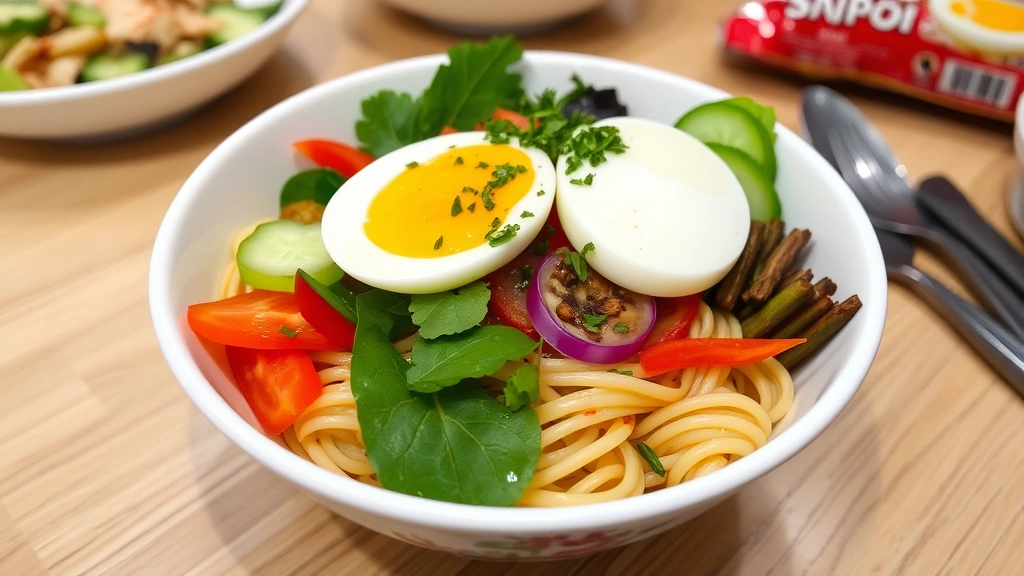
Transforming Cup of Noodles into nutritionally superior meals requires strategic additions and preparation modifications. Incorporating protein sources such as eggs, Greek yogurt, tofu, or legumes dramatically improves protein quality and quantity while increasing satiety. A single egg adds 6 grams complete protein, essential amino acids, and valuable micronutrients including choline and lutein. Soft-boiling eggs during noodle preparation requires minimal additional effort while substantially enhancing nutritional value.
Vegetable additions significantly improve micronutrient density and fiber content. Frozen vegetables—including broccoli, spinach, carrots, and peas—integrate seamlessly into Cup of Noodles preparation without requiring advance preparation. Fresh vegetables like bok choy, scallions, and mushrooms add textural variety and nutritional benefits. A single cup of added vegetables increases fiber by 2-3 grams while contributing vitamins, minerals, and phytonutrients largely absent from plain noodles.
Reducing sodium intake by using partial seasoning packets or eliminating them entirely allows for custom flavoring through herbs, spices, and low-sodium broths. This approach maintains taste satisfaction while reducing sodium by 300-400 milligrams. Garlic, ginger, turmeric, cumin, and chili peppers provide complex flavors without sodium penalty. Bone broth or vegetable broth substituted for water adds depth while providing collagen and other beneficial compounds.
Choosing whole grain instant noodle alternatives or specialty varieties provides superior nutritional profiles. Brown rice noodles, whole wheat varieties, and legume-based instant noodles offer increased fiber and micronutrient density. While these alternatives cost more, the nutritional benefits justify the investment for regular consumers. Exploring different brands reveals numerous options beyond traditional Cup of Noodles.
Expert Recommendations and Best Practices
Nutritionists and dietary experts generally recommend limiting instant noodle consumption to occasional meals rather than dietary staples. For individuals without sodium restrictions or metabolic concerns, monthly or biweekly consumption poses minimal health risk. However, frequent consumption—defined as multiple times weekly—creates cumulative health risks warranting dietary modification.
Understanding the importance of a healthy nutrition plan helps contextualize Cup of Noodles within broader dietary patterns. Occasional noodle meals fit comfortably within balanced diets emphasizing whole foods, adequate vegetables, lean proteins, and healthy fats. The key involves ensuring Cup of Noodles represents occasional convenience rather than nutritional foundation.
For individuals requiring sodium restriction due to medical conditions, Cup of Noodles consumption requires careful consideration. Consulting healthcare providers about sodium limits ensures appropriate dietary planning. Some individuals may find reduced-sodium varieties acceptable within their medical requirements, while others require complete avoidance. Personalized medical guidance supersedes general recommendations.
Preparation methods significantly influence final nutritional outcomes. Boiling noodles in water rather than oil-based broths reduces fat content. Draining excess broth after cooking reduces sodium intake by 15-20%. Adding vegetables and protein during cooking integrates these components thoroughly while minimizing preparation steps. Planning noodle meals as complete nutritional units—rather than standalone items—ensures balanced nutrient intake.
Exploring the importance of dietary fiber highlights why supplementing Cup of Noodles with vegetable additions matters significantly. Fiber supports digestive health, metabolic function, and sustained satiety—all areas where plain Cup of Noodles falls short. Intentional fiber supplementation through vegetable additions transforms nutritional outcomes.
Research from Harvard School of Public Health demonstrates that dietary patterns matter more than individual foods. Occasional Cup of Noodles consumption within otherwise balanced diets produces minimal negative health effects. Conversely, regular consumption combined with other processed foods creates cumulative health risks. Dietary context determines ultimate health implications.
Understanding how to improve digestion becomes relevant when considering instant noodle consumption. The refined carbohydrates and minimal fiber content may not optimally support digestive function. Adding vegetables, fermented foods, and adequate water intake mitigates potential digestive concerns from regular noodle consumption.
For individuals managing nutrition and mental health, considering how instant noodles affect cognitive function and mood becomes important. The high sodium, refined carbohydrates, and minimal micronutrient density may not optimally support brain health. Prioritizing nutrient-dense whole foods supports mental health and cognitive performance more effectively.
Budget-conscious consumers seeking affordable nutrition should recognize that while Cup of Noodles costs little per package, the nutritional return on investment remains modest. Adding inexpensive vegetables, eggs, or canned beans dramatically improves nutritional value at minimal additional cost. Prioritizing whole foods whenever financially possible provides superior health outcomes compared to relying on instant noodles as dietary foundations.
FAQ
How many calories are in a cup of noodles?
A standard package of Cup of Noodles contains approximately 380-390 calories when prepared according to package directions. This represents a modest caloric contribution to daily intake, though actual consumption may exceed this if additional ingredients or oils are incorporated during preparation.
Is Cup of Noodles high in sodium?
Yes, Cup of Noodles contains 890-1000 milligrams of sodium per package, representing 38-43% of recommended daily sodium intake. This exceptionally high sodium concentration poses health risks for individuals with hypertension or cardiovascular disease.
Can Cup of Noodles be part of a healthy diet?
Occasional Cup of Noodles consumption can fit within balanced diets, particularly when prepared with added vegetables, protein sources, and reduced sodium seasoning. However, regular consumption creates nutritional deficiencies and health risks that warrant dietary modification.
What are healthier alternatives to Cup of Noodles?
Whole grain instant noodles, legume-based noodles, and specialty reduced-sodium varieties offer improved nutritional profiles. Additionally, preparing traditional pasta with homemade broths and abundant vegetables provides superior nutrition with similar convenience.
How can I reduce sodium in Cup of Noodles?
Using partial seasoning packets reduces sodium by 20-30%. Alternatively, eliminating the packet entirely and flavoring with herbs, spices, and low-sodium broths provides complete sodium control while maintaining taste satisfaction.
Does Cup of Noodles contain adequate nutrients?
Cup of Noodles provides basic macronutrients and some fortified micronutrients but falls significantly short of comprehensive nutritional requirements. Adding vegetables, proteins, and whole foods ensures adequate nutrient intake when consuming instant noodles.
How often can I safely eat Cup of Noodles?
Occasional consumption—monthly or biweekly—poses minimal health risk for most individuals. Frequent consumption, defined as multiple times weekly, creates cumulative health risks including elevated blood pressure, cardiovascular disease, and metabolic dysfunction.


