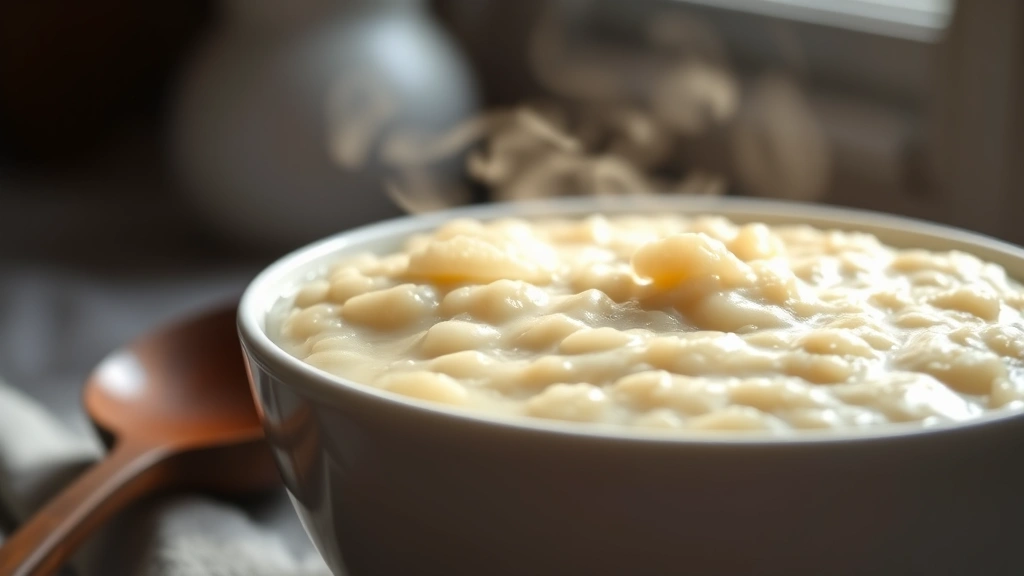
Hominy Grits Benefits? Nutritionist Insight on Nutritional Value
Hominy grits have been a dietary staple in Southern cuisine and indigenous cultures for centuries, yet many people remain unaware of their impressive nutritional profile and health benefits. This humble grain product, made from dried corn kernels that have been treated with alkali in a process called nixtamalization, offers far more than comfort food appeal. From enhanced nutrient bioavailability to sustained energy release, hominy grits deserve a place in any balanced healthy nutrition plan.
Understanding the nutritional value of hominy grits requires examining how the nixtamalization process transforms regular corn into a more nutritionally complete food. Unlike standard cornmeal, hominy grits undergo chemical treatment that unlocks niacin (vitamin B3) and improves calcium absorption, making it a nutritionally superior choice. Whether you’re interested in how to improve nutrient absorption or simply seeking nutrient-dense whole foods, hominy grits present compelling evidence for dietary inclusion.

What Are Hominy Grits and How Are They Made?
Hominy grits represent a fascinating intersection of culinary tradition and nutritional science. The production process begins with dried corn kernels—typically dent corn or field corn—which are treated with an alkali solution, traditionally lime (calcium hydroxide). This ancient nixtamalization technique, originating with Mesoamerican civilizations, fundamentally alters the corn’s nutritional structure.
During nixtamalization, the alkali treatment removes the corn kernel’s outer hull and germ while simultaneously making bound niacin bioavailable to human digestion. The treated kernels, now called hominy, are then dried and ground into various textures: coarse (grits), medium, or fine meal. This process explains why hominy grits contain more usable niacin than regular cornmeal—approximately 2.4 mg per cooked cup compared to trace amounts in untreated corn products.
The resulting product is gluten-free, making it suitable for individuals with celiac disease or gluten sensitivity. The texture of hominy grits, when cooked, ranges from creamy and porridge-like to thicker preparations, depending on the water-to-grain ratio and cooking duration. This versatility makes hominy grits adaptable to various culinary applications and dietary preferences.
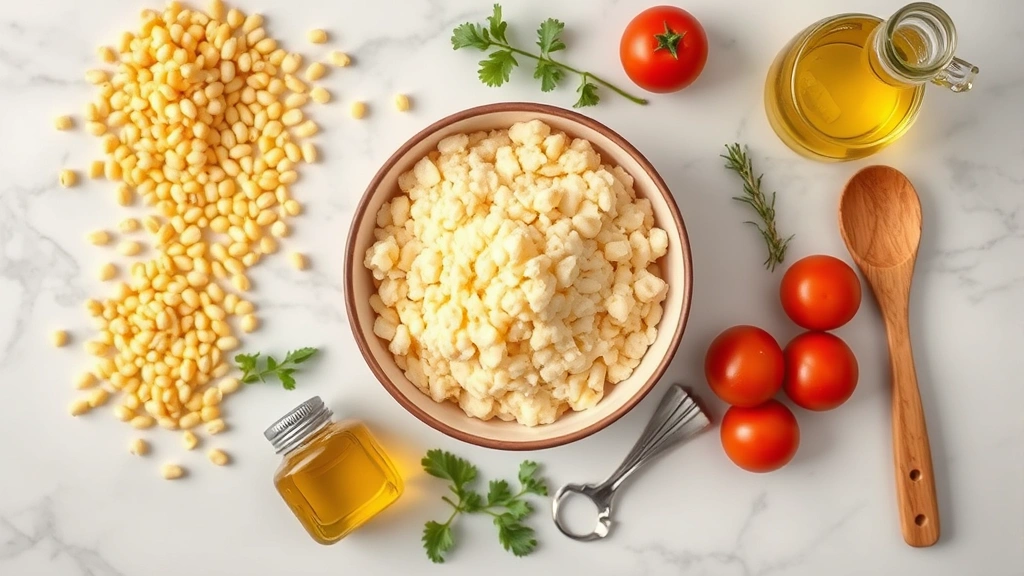
Complete Nutritional Profile of Hominy Grits
A single cup of cooked hominy grits (approximately 242 grams) contains approximately 182 calories, with macronutrient distribution that favors carbohydrates while providing meaningful protein and minimal fat. The carbohydrate content of roughly 40 grams comes primarily from starch, offering sustained energy release without dramatic blood sugar spikes when prepared without excessive butter or cream.
The protein content of approximately 4 grams per cooked cup may seem modest, but when combined with legumes or other protein sources as part of a balanced meal, hominy grits contribute to complete amino acid profiles. This is particularly relevant when reviewing your tips for meal planning to ensure adequate protein intake throughout the day.
Beyond macronutrients, hominy grits deliver significant micronutrient value:
- Niacin (Vitamin B3): Approximately 2.4 mg per cooked cup, supporting energy metabolism and nervous system function
- Folate: Around 78 micrograms, essential for DNA synthesis and fetal development
- Iron: Roughly 1.5 mg, important for oxygen transport and energy production
- Magnesium: Approximately 27 mg, crucial for muscle and nerve function
- Phosphorus: Around 102 mg, supporting bone health alongside calcium
- Manganese: Approximately 0.2 mg, important for bone development and metabolism
- Thiamine (Vitamin B1): About 0.1 mg, supporting carbohydrate metabolism
The calcium content deserves special attention: while hominy grits themselves contain modest amounts (approximately 7 mg per cooked cup), the nixtamalization process makes them an excellent vehicle for additional calcium absorption when prepared with calcium-enriched broths or milk-based preparations. Many traditional preparations specifically leverage this by cooking grits in bone broth or dairy products, amplifying the calcium benefit.
Key Health Benefits Supported by Research
Scientific investigation into hominy grits and whole grain consumption reveals multiple health advantages. Research published by the Pew Research Center and grain science journals demonstrates that regular whole grain consumption correlates with improved cardiovascular health markers, including reduced LDL cholesterol and improved blood pressure regulation.
The niacin content of hominy grits provides particular cardiovascular benefit. Niacin plays a documented role in reducing triglyceride levels and increasing HDL (good) cholesterol. Unlike the pharmaceutical niacin doses used therapeutically, the niacin in hominy grits contributes to cumulative dietary intake that supports cardiovascular function over time. When incorporated into a nutrition plan considering mental health and cognitive function, the B-vitamin profile of hominy grits supports neurotransmitter synthesis and myelin formation.
The resistant starch content of hominy grits—particularly when cooled after cooking—provides prebiotic benefits, feeding beneficial gut bacteria and promoting short-chain fatty acid production. These metabolites support intestinal barrier integrity and may reduce inflammation throughout the digestive tract. Studies from nutrition research institutions indicate that resistant starch consumption improves insulin sensitivity and helps maintain stable blood glucose levels.
For individuals managing diabetes or prediabetes, the glycemic index of hominy grits (approximately 68-70, considered moderate) combined with its fiber content makes it a reasonable grain choice when portion-controlled and paired with protein and healthy fats. The combination slows glucose absorption, preventing rapid blood sugar spikes.
Hominy Grits and Digestive Health
The nixtamalization process that creates hominy grits fundamentally improves digestive tolerance compared to regular corn products. Many individuals experience bloating or digestive discomfort from untreated corn due to anti-nutrients like phytic acid and indigestible proteins. The alkali treatment significantly reduces these compounds, making hominy grits easier to digest and their nutrients more available for absorption.
The fiber content of hominy grits, while modest at approximately 1.8 grams per cooked cup, contributes to digestive health through multiple mechanisms. The soluble fiber helps regulate cholesterol and glucose absorption, while insoluble fiber promotes healthy bowel movements. For individuals with sensitive digestive systems or inflammatory bowel conditions, the gentler nature of hominy grits compared to high-fiber whole grains can provide nutritional benefits without triggering symptoms.
The mineral content of hominy grits supports digestive health through multiple pathways. Magnesium facilitates proper muscle contraction in the digestive tract, promoting healthy peristalsis. Phosphorus works synergistically with calcium to maintain proper pH balance in the digestive system. These minerals, combined with the prebiotic resistant starch, create an environment supporting beneficial bacterial populations.
Comparison with Other Grain Products
Understanding how hominy grits compare to other grain staples helps contextualize their nutritional value. Regular cornmeal, despite coming from the same source plant, lacks the niacin bioavailability of hominy grits due to the absence of nixtamalization treatment. This explains why communities historically dependent on untreated corn experienced pellagra (niacin deficiency disease), while those using nixtamalized corn did not.
When compared to white rice, hominy grits provide substantially more niacin, folate, and fiber. Rice contains approximately 0.2 mg niacin per cooked cup versus hominy grits’ 2.4 mg. For individuals seeking nutrient density without overwhelming fiber content, hominy grits offer a middle ground between white rice and high-fiber whole grains.
Versus oatmeal, hominy grits contain similar calorie counts but oatmeal provides more fiber (approximately 8 grams per cooked cup) and beta-glucans, the specific soluble fiber associated with cholesterol reduction. However, hominy grits offer superior niacin content and superior gluten-free reliability. Visit our nutrition facts about avocados article to explore how pairing grits with healthy fats optimizes nutrient absorption.
Compared to quinoa, a trendy grain receiving substantial attention, hominy grits provide comparable protein when combined with legumes, superior niacin content, and significantly lower cost. Quinoa does provide all nine essential amino acids independently, making it nutritionally complete as a single food source, whereas hominy grits require complementary proteins.
Practical Ways to Incorporate Hominy Grits
Incorporating hominy grits into regular meals requires minimal culinary skill while offering maximum nutritional benefit. The most traditional preparation involves slow cooking grits with broth, milk, or water, stirring occasionally to prevent lumping, until achieving desired creaminess. This basic preparation takes approximately 30-40 minutes and creates a versatile base for numerous dishes.
Savory applications pair hominy grits with sautéed vegetables, cheese, herbs, and proteins. Shrimp and grits, the iconic Lowcountry dish, combines creamy grits with protein-rich shrimp and flavorful sauce. Polenta, the Italian preparation of cornmeal (though traditionally not nixtamalized), offers similar applications to hominy grits, including baking, grilling, and layering with vegetables and sauce.
Sweet preparations leverage the mild corn flavor of hominy grits. Cooking grits with cinnamon, vanilla, and sweetener creates a nutritious breakfast porridge. Adding nuts, seeds, and fresh fruit transforms grits into a complete breakfast providing sustained energy through balanced macronutrients.
Leftover cooked grits can be poured into parchment-lined pans, cooled, and cut into squares for grilling or pan-frying, creating crispy exterior textures with creamy interiors. This preparation method works excellently for batch cooking and meal preparation.
When developing your meal strategy, reference our comprehensive Nutrients Pathway Blog for additional grain-based recipes and nutritional guidance.
Potential Concerns and Considerations
Despite substantial nutritional benefits, several considerations merit discussion. Commercially produced hominy grits sometimes contain added sodium and refined carbohydrates, making label reading essential. Stone-ground and whole-grain varieties provide superior fiber and nutrient retention compared to degerminated versions.
Individuals with corn allergies cannot consume hominy grits, as the nixtamalization process, while improving digestibility, does not eliminate corn proteins triggering allergic responses. Those with severe corn sensitivity should consult healthcare providers before inclusion.
The arsenic content in rice has received substantial media attention, and questions arise regarding arsenic in corn-based products. Current research from USDA monitoring programs indicates that corn-based products contain significantly lower arsenic levels than rice, making hominy grits a safer choice for those concerned about arsenic exposure from grain consumption.
Portion control remains important despite nutritional benefits. While hominy grits offer valuable nutrients, consuming excessive quantities without balancing with vegetables, proteins, and healthy fats can contribute to excess calorie intake and inadequate nutrient diversity. A balanced approach incorporates hominy grits as one component of varied grain consumption rather than the sole grain source.
For individuals managing specific health conditions—diabetes, hypertension, or kidney disease—consultation with healthcare providers or registered dietitians ensures hominy grits fit appropriately within medical nutrition therapy. The sodium content of prepared dishes, the carbohydrate load relative to medication, and mineral content relative to kidney function all merit individualized assessment.
FAQ
Are hominy grits considered a whole grain?
Hominy grits occupy an interesting middle ground. While not technically whole grain (the germ is removed during nixtamalization), the alkali treatment makes nutrients previously bound in the grain structure bioavailable, providing nutritional benefits comparable to some whole grains. Whole-grain hominy grits varieties, with the germ retained, offer superior fiber content and nutritional completeness.
How do I cook hominy grits to maximize nutritional value?
Cooking hominy grits in bone broth or milk-based preparations enhances mineral bioavailability, particularly calcium. Slow cooking at lower temperatures preserves heat-sensitive B vitamins. Adding complementary proteins (legumes, eggs, dairy) and healthy fats (olive oil, nuts, avocado) optimizes nutrient absorption and satiety.
Can hominy grits help with weight management?
The moderate glycemic index, fiber content, and protein contribution of hominy grits support satiety when prepared without excessive fat additions and combined with vegetables and proteins. The resistant starch in cooled hominy grits may provide metabolic benefits, though weight management ultimately depends on overall calorie intake and lifestyle factors.
Are instant hominy grits nutritionally equivalent to stone-ground varieties?
Instant varieties undergo processing that increases surface area and reduces cooking time but may reduce some nutrient retention compared to stone-ground versions. While still nutritious, stone-ground or whole-grain varieties provide superior fiber and mineral content. Check nutrition labels, as formulations vary significantly between brands.
How do hominy grits compare nutritionally to polenta?
Polenta typically refers to cornmeal that may or may not be nixtamalized. Nixtamalized polenta (true hominy grits) provides superior niacin bioavailability. Non-nixtamalized polenta offers similar macronutrient profiles but lacks the enhanced micronutrient availability. Always verify whether polenta products specify nixtamalization in ingredient descriptions.
What is the shelf life of hominy grits?
Dry hominy grits, stored in cool, dry conditions away from moisture and pests, maintain nutritional quality for approximately 6-12 months. Stone-ground varieties with retained germ oil may have shorter shelf lives due to fat oxidation. Cooked hominy grits refrigerate for 3-4 days and freeze successfully for several months.


