
Jimmy John’s Nutritional Value? Dietitian Insights on Fast Casual Sandwich Choices
Jimmy John’s has become a go-to option for quick lunch breaks and casual meals across America, but understanding the nutritional value of Jimmy John’s sandwiches is essential for health-conscious consumers. As a registered dietitian, I frequently encounter questions about whether these sandwiches fit into balanced eating patterns. The answer isn’t straightforward—it depends on which menu items you choose and how you integrate them into your overall healthy nutrition plan.
The fast-casual sandwich industry has evolved significantly, and Jimmy John’s positions itself as a “freaky fast” alternative to traditional quick-service restaurants. However, speed doesn’t always equal nutrition. Many of their signature sandwiches contain surprising amounts of sodium, saturated fat, and calories—sometimes exceeding half of a typical adult’s daily recommendations in a single meal. Understanding these nutritional profiles empowers you to make informed decisions that align with your health goals.
Caloric Content Across Menu Categories
Jimmy John’s menu spans several sandwich categories, each with distinct caloric profiles. Their classic “Pepe” sandwich—Italian meats with provolone—contains approximately 560 calories, representing a moderate option within their lineup. However, premium selections like the “Hunter’s Club” (turkey, bacon, and roast beef) clock in around 670 calories, while vegetarian options such as the “Veggie” sandwich come in lower at roughly 360 calories.
The caloric variation matters significantly when considering your daily intake. For someone following a 2,000-calorie diet, a 670-calorie sandwich represents nearly one-third of daily energy needs before accounting for sides, drinks, or snacks. This makes portion awareness critical, especially if you’re seeking nutrition solutions for weight management. Many customers unknowingly exceed their caloric targets by pairing sandwiches with chips, cookies, or beverages.
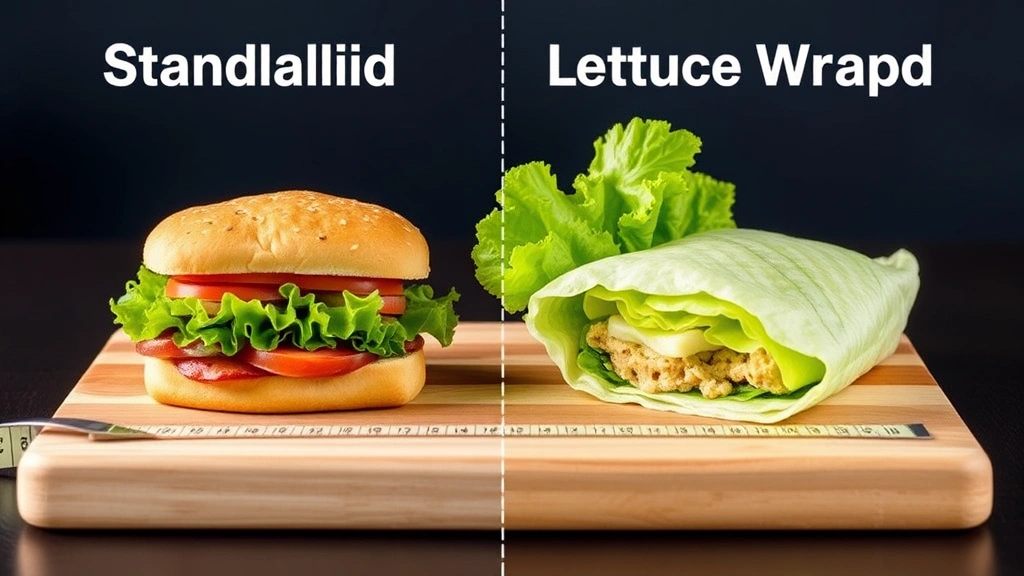
The bread choice significantly impacts total calories. Jimmy John’s offers their standard wheat or white bread, both containing approximately 280-300 calories per 8-inch sandwich base. Opting for their lettuce wrap alternative can reduce caloric content by roughly 200 calories, a meaningful reduction for calorie-conscious diners. This simple substitution demonstrates how menu customization can dramatically shift nutritional outcomes without sacrificing satisfaction.
It’s worth noting that calorie content alone doesn’t determine whether a sandwich supports your health goals. A 400-calorie sandwich loaded with refined carbohydrates and minimal protein differs nutritionally from a 500-calorie option with superior macronutrient distribution. Understanding this distinction separates surface-level calorie counting from comprehensive nutritional analysis.
Sodium Levels and Heart Health Considerations
Perhaps the most concerning nutritional aspect of Jimmy John’s sandwiches is their sodium content. Most sandwiches contain between 1,000-1,500 milligrams of sodium—equivalent to 40-65% of the American Heart Association’s recommended daily maximum of 2,300 milligrams. This presents a significant challenge for individuals managing hypertension or those following nutrition and mental health protocols that emphasize cardiovascular wellness.
The primary sodium contributors include processed meats (turkey, roast beef, bacon), cheese, and their house-made spreads. The “Beach Club” sandwich, featuring three types of processed meat, contains approximately 1,650 milligrams of sodium in a single serving. For context, the American Heart Association recommends that individuals with hypertension consume no more than 1,500 milligrams daily, making a single Jimmy John’s sandwich exceed this threshold entirely.
Processed meat consumption carries additional health implications beyond sodium content. Research from the American Heart Association indicates that regular consumption of deli meats and cured proteins correlates with increased cardiovascular disease risk. While occasional consumption poses minimal risk for healthy individuals, frequent reliance on these sandwiches may contribute to problematic dietary patterns.
For those concerned about sodium intake, requesting sandwiches without cheese, requesting light spreads, or choosing vegetarian options can meaningfully reduce sodium levels. The “Veggie” sandwich contains approximately 560 milligrams of sodium—still notable but substantially lower than meat-based alternatives. Pairing any sandwich with water instead of sodium-containing beverages further supports heart health goals.
Understanding your personal sodium threshold is essential. Individuals with hypertension, kidney disease, or heart conditions should approach Jimmy John’s cautiously and coordinate occasional visits with lower-sodium meals throughout the day. Those without sodium restrictions can incorporate these sandwiches more liberally while maintaining overall dietary balance.
Protein Quality and Macronutrient Balance
Protein content varies considerably across Jimmy John’s menu, ranging from approximately 15 grams in vegetarian options to 35+ grams in meat-heavy sandwiches. However, protein quantity doesn’t equal protein quality. The amino acid profile and digestibility of protein sources matter significantly for muscle maintenance, satiety, and metabolic function.
Most Jimmy John’s sandwiches derive protein from processed deli meats, which contain lower micronutrient density compared to whole protein sources. Deli turkey, for instance, provides protein but lacks the iron bioavailability and B-vitamin content of grilled chicken breast. Additionally, processed meats contain phosphates and other additives that may affect nutrient absorption and overall health outcomes.
The protein-to-calorie ratio offers useful perspective. A sandwich with 600 calories and 25 grams of protein provides roughly 4.2 calories per gram of protein—a moderately efficient ratio. However, if those calories derive primarily from refined carbohydrates and saturated fat rather than balanced macronutrient distribution, the sandwich may not support sustained energy or satiety effectively.
Macronutrient balance warrants examination. Most Jimmy John’s sandwiches skew toward carbohydrate-dominant profiles, with limited healthy fat sources. A typical “Italian Nightclub” sandwich contains approximately 70 grams of carbohydrates, 28 grams of fat, and 24 grams of protein. While not inherently problematic, this ratio may leave consumers feeling hungry shortly after consumption if they’re accustomed to higher protein or fat intake for satiety.
For athletes or those following nutrition for athletes protocols, Jimmy John’s presents both opportunities and limitations. The carbohydrates support glycogen replenishment post-workout, while the protein aids muscle recovery. However, the sodium content and processed meat quality make these sandwiches a less-than-ideal recovery meal compared to alternatives featuring grilled chicken, whole grains, and minimal sodium.
Customization Strategies for Healthier Choices
Jimmy John’s menu offers surprising flexibility for health-conscious customization. Understanding these options transforms your dining experience from potentially problematic to genuinely nutritious. The “freaky fast” service model, while primarily marketing-focused, does enable rapid customization without significant delays.
Lettuce wraps represent the most dramatic nutritional modification, reducing calories by approximately 200-250 while maintaining sandwich structure and satisfaction. This substitution eliminates refined grain calories while preserving all protein and vegetable components. For those tracking carbohydrate intake or following low-carb protocols, lettuce wraps align perfectly with dietary objectives.
Protein selection matters significantly. While you cannot choose grilled chicken (unavailable at Jimmy John’s), you can minimize processed meat consumption by selecting turkey-only sandwiches rather than multi-meat combinations. Request “light” portions of spreads and mayo-based condiments to reduce calorie and fat content without sacrificing flavor entirely. Many dietitians recommend requesting spreads on the side, enabling portion control.
Vegetable maximization involves requesting extra lettuce, tomato, onion, and pickles—all low-calorie, nutrient-dense additions that increase fiber and micronutrient content without significantly impacting caloric totals. These vegetables also enhance satiety through increased volume and fiber, supporting digestive health and sustained energy.
Beverage selection dramatically impacts overall meal nutritional value. Pairing your sandwich with water, unsweetened tea, or black coffee avoids liquid calories from sodas or sweetened beverages. This single choice can reduce meal-associated sugar and calories by 150-300 depending on typical beverage selections.
Creating a custom sandwich by requesting specific components offers maximum control. Request turkey on lettuce wrap with extra tomato, onion, pickles, and mustard—no mayo, no cheese. This construction provides approximately 250-300 calories, 18 grams of protein, and minimal sodium compared to standard menu sandwiches. While not explicitly listed, Jimmy John’s typically accommodates such requests.
Incorporating your Jimmy John’s meal into a comprehensive tips for meal planning strategy ensures it supports rather than undermines your nutrition goals. If you consume a higher-calorie sandwich, balance it with lower-calorie meals throughout the day. If sodium content concerns you, prioritize low-sodium options at other meals.
Nutritional Comparison with Competitors
Understanding how Jimmy John’s nutritional profiles compare with competitors provides valuable context for decision-making. Subway, often considered a healthier alternative, offers similar flexibility but generally lower sodium sandwich options. A Subway “Turkey Breast” 6-inch sandwich contains approximately 270 calories and 810 milligrams of sodium—significantly lower than most Jimmy John’s equivalents.
Panera Bread positions itself as a health-focused casual dining option, with many sandwiches featuring higher-quality proteins and whole grain options. However, Panera’s sandwiches often exceed 700-800 calories, and their “healthy” positioning sometimes masks substantial sodium and sugar content. A “Modern Greek” sandwich at Panera contains 620 calories and 1,380 milligrams of sodium—comparable to Jimmy John’s despite premium pricing.
Firehouse Subs emphasizes customization and fresh ingredients, with caloric content ranging from 400-700 calories depending on selections. Their emphasis on vegetable incorporation and customization mirrors Jimmy John’s capabilities, though their menu structure requires more deliberate health-conscious choices.
Comparing Jimmy John’s to these alternatives reveals no universally superior option. Rather, each restaurant enables health-conscious choices through customization and informed selection. Jimmy John’s competitive advantage lies in speed and simplicity, while competitors may offer marginally better ingredient quality or lower-sodium defaults. Your choice should reflect your priorities: speed, cost, ingredient quality, or specific nutritional targets.
Research from Pew Research Center on consumer food choices indicates that convenience and taste consistently outweigh nutritional considerations in fast-casual dining decisions. Understanding this behavioral reality helps explain why restaurants like Jimmy John’s thrive despite nutritional concerns—they excel at the factors consumers prioritize.
Special Dietary Accommodations
Jimmy John’s menu accommodates various dietary restrictions, though with limitations compared to full-service restaurants. Vegetarian options include the “Veggie” sandwich and the ability to customize any sandwich as vegetarian by removing meats. The “Veggie” contains approximately 360 calories, 11 grams of protein, and 560 milligrams of sodium—reasonable for plant-based fast-casual dining.
Vegan customization presents greater challenges. While the “Veggie” sandwich can be made vegan by requesting no cheese, the limited vegetable-only options mean reduced protein content and potentially inadequate satiety. Vegan customers might request extra beans (if available) or supplement with side options, though Jimmy John’s limited sides restrict this strategy.
Gluten-free accommodations remain limited. Jimmy John’s offers lettuce wraps, which enable gluten-free consumption of any sandwich filling. However, cross-contamination risks exist in preparation areas, and those with celiac disease should communicate clearly about requirements. The lack of dedicated gluten-free preparation areas makes Jimmy John’s less ideal for celiac customers compared to restaurants with explicit gluten-free protocols.
Keto and low-carb dieters benefit substantially from lettuce wrap customization, reducing carbohydrate content from 70+ grams to approximately 5-10 grams depending on fillings and condiments. Requesting high-fat additions like avocado (where available) or extra mayo supports ketogenic macronutrient targets, though ingredient availability varies by location.
Paleo-aligned eating presents challenges, as Jimmy John’s lacks truly paleo-compliant options. The processed meats conflict with strict paleo principles, and the limited vegetable incorporation makes achieving paleo macronutrient targets difficult. Paleo practitioners might use Jimmy John’s as occasional convenience rather than regular dietary component.
Individuals managing diabetes benefit from customization strategies emphasizing protein and vegetable content while minimizing refined carbohydrates. The lettuce wrap modification becomes particularly valuable, as does requesting extra protein and reduced-calorie spreads. Pairing any sandwich with protein-rich sides (if available) or consuming with nuts or cheese supports blood sugar stability.
Those focused on nutrition blog resources and dietary optimization will find Jimmy John’s useful primarily as an occasional convenience option rather than a cornerstone of health-focused eating. The limited whole grain options, processed meat emphasis, and high sodium content position it as a “better choice among fast food” rather than an optimal nutritional option.
FAQ
What is the lowest-calorie Jimmy John’s sandwich?
The “Veggie” sandwich is the lowest-calorie standard menu option at approximately 360 calories. However, customized sandwiches using lettuce wraps with turkey and minimal spreads can achieve 250-300 calories, making them the true lowest-calorie options available.
Is Jimmy John’s healthy for weight loss?
Jimmy John’s can support weight loss when customized strategically. Lettuce wraps, lean protein selections, extra vegetables, and minimal spreads create satisfying meals under 400 calories. However, standard menu sandwiches often exceed 600 calories, potentially hindering weight loss efforts without careful selection.
How much sodium does a typical Jimmy John’s sandwich contain?
Most Jimmy John’s sandwiches contain 1,000-1,500 milligrams of sodium, representing 40-65% of the daily recommended maximum. This makes them problematic for individuals managing hypertension or following sodium-restricted diets without significant customization.
Can I get a high-protein Jimmy John’s sandwich?
Yes, meat-heavy sandwiches like the “Hunter’s Club” or “Italian Nightclub” provide 25-35 grams of protein. However, the protein derives from processed meats rather than optimal sources. Customizing by requesting extra meat (if available) or pairing with protein-rich sides can increase protein content further.
Are Jimmy John’s sandwiches gluten-free?
Bread-based sandwiches contain gluten. However, lettuce wraps enable gluten-free consumption of sandwich fillings. Those with celiac disease should verify cross-contamination protocols with individual locations, as dedicated gluten-free preparation areas are unavailable.
What’s the best Jimmy John’s sandwich for athletes?
The “Hunter’s Club” (turkey, bacon, roast beef) provides substantial protein and carbohydrates supporting post-workout recovery, though the processed meat quality is suboptimal. Customizing with lettuce wrap and extra vegetables optimizes this option further. Pairing with water and consuming within two hours of training maximizes recovery benefits.
How does Jimmy John’s compare nutritionally to Subway?
Subway generally offers lower-sodium options and greater vegetable incorporation, though both restaurants enable health-conscious choices through customization. Jimmy John’s excels in speed and simplicity, while Subway provides marginally better nutritional defaults. Neither restaurant is inherently superior—individual choices matter more than restaurant selection.


