Olive Garden Breadsticks: Dietitian Reveals Nutrition Facts & Health Impact
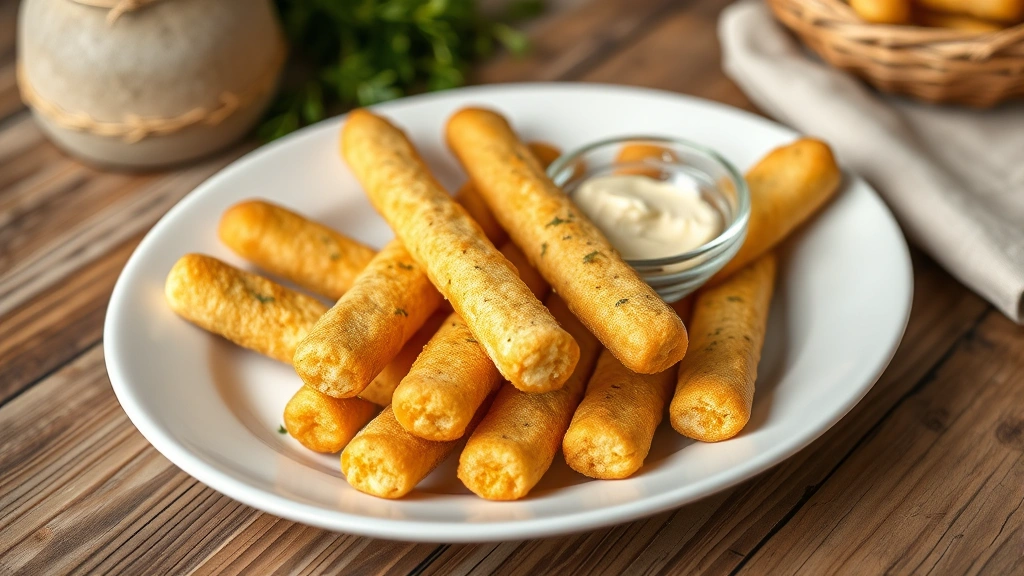
Olive Garden breadsticks have become synonymous with Italian-American dining, served warm with herb-infused butter before nearly every meal at the chain. These golden-brown breadsticks are arguably the most anticipated part of the Olive Garden experience for many diners. However, behind their comforting appeal lies a nutritional profile that deserves closer examination. As a registered dietitian, I’ve analyzed countless restaurant menu items, and Olive Garden breadsticks present an interesting case study in how beloved comfort foods can impact your daily nutritional intake.
The reality is that most diners don’t consider the breadsticks as a significant contributor to their meal’s caloric and nutritional content. They’re viewed as complimentary items, free appetizers meant to satisfy hunger while waiting for entrees. Yet this perception masks the substantial nutritional implications of consuming even just two or three of these sticks. Understanding the actual nutritional value of Olive Garden breadsticks empowers you to make informed decisions about your dining choices and overall health goals.
Complete Nutritional Breakdown
One Olive Garden breadstick contains approximately 140 calories, with about 2.5 grams of fat, 26 grams of carbohydrates, and 4 grams of protein. When you include the accompanying butter dipping sauce—which is practically mandatory in the Olive Garden experience—you’re adding an additional 70-100 calories and 8 grams of fat per breadstick. This means a single breadstick with butter reaches approximately 210-240 calories.
The macronutrient distribution reveals that breadsticks are predominantly carbohydrate-based, which makes sense given their bread composition. The protein content is modest at roughly 4 grams per stick, which means they don’t provide substantial satiety benefit despite their caloric density. Most diners consume between 2-4 breadsticks during a typical visit, which translates to 280-960 calories before the actual entree arrives. This represents a significant portion of daily caloric needs, particularly for individuals following 1,500-2,000 calorie diets.
Implementing a strategic meal planning approach can help you account for breadstick consumption within your overall nutritional goals. Understanding these baseline numbers provides the foundation for making conscious choices about breadstick intake during restaurant visits.
Caloric Content Analysis
The caloric impact of Olive Garden breadsticks extends beyond the simple mathematics of calories per stick. Context matters significantly in nutritional analysis. When you arrive at a restaurant hungry and breadsticks appear immediately, the psychological effect influences subsequent food choices. Research from Pew Research Center on consumer behavior demonstrates that pre-meal appetizers can significantly influence total caloric consumption during dining experiences.
Consider the typical scenario: you consume 3-4 breadsticks (420-960 calories with butter) while waiting 15-20 minutes for your entree. By the time your main course arrives, you’ve already consumed substantial calories, yet the entree still represents your primary meal. This creates a caloric surplus situation where total meal consumption far exceeds what you might have anticipated when ordering.
For individuals following specific nutrition plans and eating well guidelines, breadstick consumption can derail carefully calculated daily targets. A person consuming 2,000 calories daily who eats 4 breadsticks with butter has already allocated nearly 50% of their daily caloric allowance before the main course.
The breadsticks’ energy density—calories per unit weight—is notably high due to the butter component. This means you receive relatively few nutrients per calorie consumed, a nutritional concept known as low nutrient density. For comparison, the same 240 calories could be allocated to nutrient-dense foods like salmon, leafy greens, or legumes that provide significantly more vitamins, minerals, and satiety-promoting protein and fiber.
Sodium and Heart Health Concerns
One Olive Garden breadstick contains approximately 280-320 milligrams of sodium. The American Heart Association recommends a maximum of 2,300 milligrams daily, with an ideal limit of 1,500 milligrams for optimal heart health. A single breadstick represents 12-21% of the recommended daily sodium intake, and consuming 3-4 breadsticks provides 840-1,280 milligrams—nearly 55-85% of the maximum recommended daily amount.
This sodium concentration becomes particularly concerning when combined with typical Olive Garden entrees, which are themselves notoriously high in sodium. Many pasta dishes at Olive Garden contain 1,500-2,500 milligrams of sodium per serving. Adding breadstick consumption means a single Olive Garden meal can exceed the entire day’s recommended sodium intake for heart-healthy individuals.
Excessive sodium consumption correlates with elevated blood pressure, increased cardiovascular disease risk, and kidney stress over time. The American Heart Association has extensively documented the relationship between dietary sodium and hypertension development. For individuals with existing hypertension, diabetes, or kidney disease, this sodium load from breadsticks alone represents a significant health consideration.
The sodium in breadsticks primarily comes from salt added to the dough and the salted butter used for serving. This is not naturally occurring sodium but rather added salt for flavor enhancement. Understanding this distinction helps contextualize why breadsticks contribute so substantially to daily sodium intake compared to other bread products.
Sugar and Carbohydrate Impact
While Olive Garden breadsticks don’t contain excessive added sugar—approximately 1-2 grams per stick—they present a carbohydrate challenge due to their refined flour composition. Each breadstick contains roughly 26 grams of carbohydrates, with minimal fiber content (approximately 1 gram). This means consuming 3 breadsticks provides 78 grams of rapidly digestible carbohydrates with only 3 grams of fiber.
From a glycemic index perspective, refined wheat flour breadsticks rank high, causing rapid blood sugar elevation following consumption. This rapid glucose spike triggers corresponding insulin responses, which can contribute to energy crashes 1-2 hours post-consumption. For individuals managing diabetes or prediabetes, this glycemic load represents a significant metabolic challenge.
The refined carbohydrate composition also lacks the sustained satiety benefits of whole grain alternatives. Whole grain breadsticks would provide substantially more fiber, resulting in slower digestion and prolonged satiety. The choice to serve refined flour breadsticks prioritizes taste and texture over nutritional benefit—a common industry practice that prioritizes consumer preference over health optimization.
When evaluating how breadstick consumption fits within your overall nutrition solutions and dietary strategy, consider the carbohydrate load in context of your daily targets and metabolic health status. For individuals with insulin resistance or metabolic syndrome, breadstick consumption warrants particular consideration.
Dietary Fiber and Digestive Health
One significant nutritional deficiency in Olive Garden breadsticks is dietary fiber content. At approximately 1 gram of fiber per breadstick, they fall far short of supporting digestive health. The recommended daily fiber intake is 25-35 grams for most adults, yet breadsticks provide minimal contribution to this important nutrient.
Fiber serves multiple critical functions: promoting healthy bowel regularity, feeding beneficial gut bacteria, supporting cholesterol management, and enhancing satiety. The absence of substantial fiber in breadsticks means you’re consuming significant calories without receiving these important health benefits. This represents a missed opportunity for nutritional optimization.
If breadsticks were prepared with whole wheat flour, the fiber content could increase to 3-4 grams per stick, substantially improving their nutritional profile. However, whole wheat breadsticks would alter the taste and texture that consumers expect and enjoy, explaining why restaurants maintain refined flour formulations despite nutritional trade-offs.
For individuals concerned with digestive health and regularity, breadstick consumption should be balanced with higher-fiber foods throughout the day. This might mean reducing breadstick intake and instead allocating those calories to vegetables, legumes, or whole grains that provide superior fiber density.
Comparison with Healthier Alternatives
Understanding how Olive Garden breadsticks compare to alternative options helps contextualize their nutritional impact. Consider these comparisons for equivalent calorie amounts:
- 240 calories from breadsticks and butter provides minimal nutrients and high sodium, with rapid blood sugar elevation
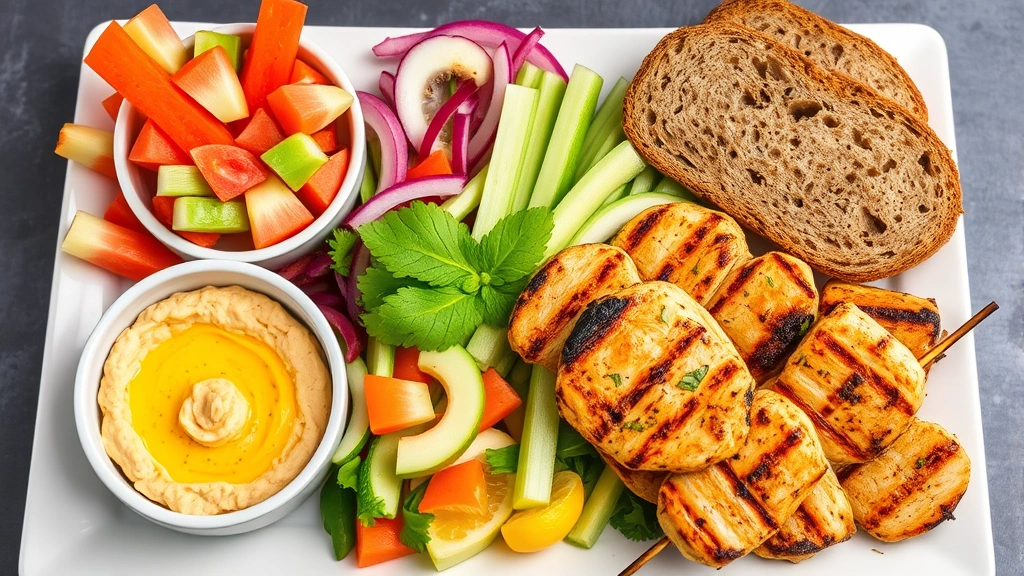
- 240 calories from hummus and vegetable crudités provides fiber, vitamins, minerals, and sustained satiety with controlled sodium
- 240 calories from grilled chicken breast and salad provides high-quality protein, fiber, and micronutrients with minimal sodium
- 240 calories from whole grain bread with olive oil provides fiber, sustained energy, and heart-healthy fats
- 240 calories from nuts and seeds provides protein, healthy fats, and micronutrients for sustained satiety
The breadstick option consistently ranks lowest in nutrient density and health benefit among these alternatives. This doesn’t necessarily mean you should never consume breadsticks, but rather that understanding superior alternatives empowers informed choice-making.
Many restaurants now offer alternative appetizers including vegetable selections, bean-based dishes, or whole grain bread options. Olive Garden specifically could improve its nutritional offerings by providing whole wheat breadstick options or vegetable-based appetizers. Until such changes occur, diners must navigate the current menu landscape strategically.
Strategies for Mindful Consumption
If you enjoy Olive Garden breadsticks and want to minimize nutritional impact, several strategies support more mindful consumption:
- Limit quantity intentionally: Decide in advance to consume only 1-2 breadsticks rather than unlimited amounts. Communicate this intention to your dining companions to reinforce commitment.
- Reduce butter usage: Request minimal or no butter, or dip lightly rather than saturating each stick. This alone reduces per-stick consumption from 240 to 140 calories.
- Eat slowly and mindfully: Consume breadsticks slowly, chewing thoroughly, and pausing between sticks. This allows satiety signals to register, reducing total consumption.
- Pair with vegetables: Request vegetable appetizers or sides to consume alongside breadsticks, increasing fiber and nutrient density of your pre-meal consumption.
- Adjust entree portions: If you consume breadsticks before your entree, consciously reduce entree portion size or share with a dining companion to maintain total meal caloric balance.
- Choose water instead of beverages: Avoid adding caloric beverages to your breadstick consumption. Water supports hydration and satiety without additional calories or sodium.
These strategies acknowledge that breadstick consumption is often a social and experiential component of Olive Garden dining rather than purely nutritional. Rather than complete elimination—which may prove unrealistic for many diners—these approaches support harm reduction and mindful balance.
For individuals following specific athletic nutrition and performance optimization protocols, breadstick consumption warrants particular strategic consideration given their impact on macronutrient balance and energy timing.
Understanding how restaurant dining fits within your broader nutrition and mental health approach helps contextualize occasional breadstick consumption within sustainable, balanced eating patterns. Perfectionism often undermines long-term dietary adherence, so strategic flexibility with mindful choices often produces superior outcomes compared to rigid restriction.
Consulting the Nutrients Pathway Blog provides additional evidence-based nutrition guidance for navigating restaurant dining while maintaining health goals.
FAQ
How many calories are in one Olive Garden breadstick?
One Olive Garden breadstick contains approximately 140 calories without butter, and 210-240 calories when consumed with the herb butter dipping sauce. The butter adds 70-100 calories per breadstick.
Are Olive Garden breadsticks gluten-free?
No, traditional Olive Garden breadsticks are made with wheat flour and contain gluten. Individuals with celiac disease or gluten sensitivity should avoid them. Olive Garden offers gluten-free pasta options but does not currently provide gluten-free breadsticks.
What is the sodium content in Olive Garden breadsticks?
Each breadstick contains approximately 280-320 milligrams of sodium, representing 12-21% of the recommended daily maximum. Consuming 3-4 breadsticks provides 840-1,280 milligrams of sodium, which approaches or exceeds recommended daily limits.
Can I request whole wheat breadsticks at Olive Garden?
Currently, Olive Garden serves only refined wheat flour breadsticks. You can request alternative appetizers or reduced butter options, but whole wheat versions are not standard menu offerings. Contacting Olive Garden corporate customer service may help provide feedback about desired menu modifications.
How do Olive Garden breadsticks compare nutritionally to other restaurant bread?
Olive Garden breadsticks are relatively high in calories and sodium compared to many other restaurant bread options. They’re lower in fiber than whole grain alternatives but higher in calories than many standard dinner rolls. The primary nutritional concern is the combination of high calories, high sodium, and low nutrient density.
Is it okay to eat Olive Garden breadsticks if I’m trying to lose weight?
Breadstick consumption is compatible with weight loss when consumed mindfully and accounted for within daily caloric targets. Limiting consumption to 1-2 breadsticks without butter and adjusting entree portions accordingly allows breadstick enjoyment while maintaining caloric balance. Complete elimination isn’t necessary unless specifically recommended by your healthcare provider.
What’s the nutritional impact of Olive Garden breadsticks on blood sugar?
Olive Garden breadsticks have a high glycemic index due to refined flour composition, causing rapid blood sugar elevation. This is particularly concerning for individuals with diabetes or prediabetes. Consuming them with protein or fat (such as the butter) slows glycemic response somewhat, but the rapid carbohydrate load remains significant.
Do Olive Garden breadsticks contain any beneficial nutrients?
Breadsticks provide modest amounts of B vitamins, iron, and magnesium from the wheat flour, but these nutrients are more efficiently obtained from whole grain sources. The butter provides fat-soluble vitamins A, D, E, and K in small amounts. Overall, the nutrient density remains low relative to caloric content.