
Quarter Pounder Nutrition? Dietitian Explains
The Quarter Pounder with Cheese has become an iconic fast-food staple, but what exactly are you consuming when you bite into one? As a dietitian, I frequently encounter questions about the nutritional profile of popular fast-food items, and the Quarter Pounder deserves a thorough examination. This burger represents a significant caloric and macronutrient commitment, and understanding its place in a balanced diet is essential for making informed food choices. Whether you’re a casual fast-food consumer or someone tracking nutritional intake for fitness goals, the data behind this burger reveals both challenges and opportunities for mindful eating.
McDonald’s Quarter Pounder with Cheese has evolved significantly since its introduction, and so has consumer awareness around fast-food nutrition. In an era where dietary choices directly impact long-term health outcomes, transparency about what we’re eating matters more than ever. This comprehensive guide breaks down the complete nutritional picture, explores how it fits into various dietary frameworks, and provides practical strategies for enjoying this burger while maintaining nutritional balance.
Quarter Pounder Nutrition Facts Overview
A McDonald’s Quarter Pounder with Cheese contains approximately 520 calories, making it a substantial meal component that requires careful consideration within daily caloric budgets. The complete nutritional snapshot includes 28 grams of total fat, 47 grams of carbohydrates, and 30 grams of protein. These figures represent what nutritionists call a “high-energy-density” food, meaning significant calories are packed into a relatively modest portion size.
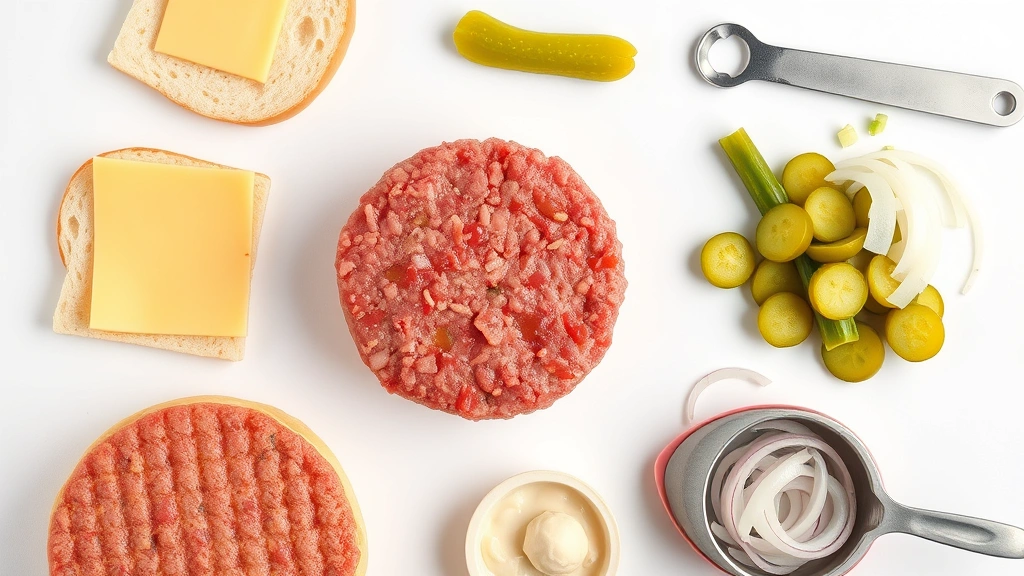
Understanding the foundational nutrition facts is the first step in dietary literacy. The Quarter Pounder’s composition reflects its construction: a quarter-pound beef patty, cheese, pickles, onions, and a three-part bun. Each component contributes distinct nutritional elements, and when combined, they create a meal that demands thoughtful integration into a daily eating pattern. For context, this burger alone represents approximately 25-30% of a standard 2,000-calorie daily diet, which is why pairing decisions matter significantly.
The burger contains 11 grams of saturated fat, which warrants attention given current dietary guidelines from organizations like the American Heart Association. Additionally, sodium content reaches approximately 1,040 milligrams, representing nearly half of the recommended daily intake for most adults. These concentrated amounts in a single item make the Quarter Pounder a food requiring strategic placement within meal planning frameworks.

Caloric Content and Energy Balance
At 520 calories, the Quarter Pounder with Cheese represents a significant energy investment that differs considerably from lighter burger alternatives. To contextualize this figure, consider that a typical sedentary adult woman requires approximately 2,000 calories daily, while men typically need 2,500 calories. The Quarter Pounder alone consumes one-quarter of a woman’s daily allowance, which leaves limited room for additional meals and snacks while maintaining caloric balance.
For individuals engaged in athletic training or nutrition for athletes optimizing performance through diet, the caloric density becomes more manageable within larger daily expenditures. An athlete burning 3,000-3,500 calories daily through training can more easily accommodate a Quarter Pounder while maintaining energy balance. However, for sedentary individuals or those in caloric deficit for weight management, this burger requires offsetting reductions in other meal components.
The caloric contribution extends beyond simple mathematics—it influences satiety, blood sugar stability, and subsequent hunger patterns. The combination of protein, fat, and refined carbohydrates in the Quarter Pounder creates a moderately satiating effect that typically lasts 2-3 hours, depending on individual metabolic factors and accompanying beverages. Understanding your personal energy expenditure and caloric requirements is essential for determining whether a Quarter Pounder fits appropriately into your eating plan.
Protein and Macronutrient Breakdown
The 30 grams of protein in a Quarter Pounder with Cheese represents one of its most nutritionally valuable components. Protein serves critical functions in muscle maintenance, immune function, and satiety signaling, making this macronutrient particularly important for overall health. The beef patty provides complete protein containing all essential amino acids, which distinguishes it from many plant-based protein sources that may lack certain amino acids.
From a macronutrient perspective, the Quarter Pounder’s 47 grams of carbohydrates come primarily from the bun, with minimal contributions from pickles and condiments. These carbohydrates are predominantly refined, meaning they’ve been processed to remove fiber and many micronutrients. This carbohydrate profile affects blood sugar response, which becomes particularly relevant for individuals managing diabetes or pursuing metabolic optimization. Pairing the burger with fiber-rich vegetables or incorporating it into a healthy nutrition plan guide to eating well for life can mitigate rapid glucose fluctuations.
The 28 grams of total fat represents approximately 43% of the burger’s calories, which aligns with fat recommendations for most people (20-35% of total calories). However, the distribution of fat types matters considerably—the 11 grams of saturated fat exceeds what some dietary frameworks recommend for a single meal. The remaining fat includes unsaturated varieties, which offer cardiovascular benefits when consumed in appropriate quantities.
Fat Content Analysis
Fat in the Quarter Pounder comes from multiple sources: beef marbling, cheese, and cooking oils used in preparation. The 11 grams of saturated fat represents approximately 55% of the American Heart Association’s recommended daily saturated fat limit of 20 grams for a 2,000-calorie diet. This concentration in a single meal creates dietary inflexibility for the remainder of the day if maintaining strict saturated fat targets.
The presence of trans fats, though minimal in modern fast-food preparation, warrants mention. Current McDonald’s preparation methods have largely eliminated artificial trans fats, though small amounts may remain from beef fat naturally. The remaining fat profile includes monounsaturated and polyunsaturated varieties, which provide anti-inflammatory benefits and support cardiovascular health when part of a balanced dietary pattern.
Cholesterol content reaches approximately 80 milligrams, which represents about 27% of the recommended daily limit. For individuals with elevated cholesterol or family history of cardiovascular disease, consuming a Quarter Pounder requires careful attention to cholesterol intake throughout the remainder of the day. Conversely, for individuals with healthy lipid profiles and no genetic predisposition to hypercholesterolemia, occasional Quarter Pounder consumption poses minimal concern when integrated into otherwise balanced eating patterns.
Sodium and Cardiovascular Health
The 1,040 milligrams of sodium in a Quarter Pounder with Cheese represents a critical nutritional consideration, particularly given widespread sodium overconsumption in Western diets. The American Heart Association recommends limiting sodium to 2,300 milligrams daily, with an ideal target of 1,500 milligrams for optimal cardiovascular health. A single Quarter Pounder consumes 45% of the higher recommendation, leaving minimal sodium allowance for other meals and condiments throughout the day.
Sodium serves essential physiological functions including nerve transmission, muscle contraction, and fluid balance regulation. However, excessive sodium intake, particularly when combined with sedentary lifestyles and stress, contributes to elevated blood pressure and increased cardiovascular disease risk. For individuals with hypertension or family history of stroke, the Quarter Pounder’s sodium concentration becomes a significant dietary concern requiring strategic offsetting through other meal choices.
The sodium concentration in fast-food items reflects preservation needs, flavor enhancement, and standardization requirements across thousands of restaurant locations. Requesting reduced-salt preparation, though not always available, can marginally decrease sodium content. More practically, pairing a Quarter Pounder with sodium-free beverages (water rather than soft drinks) and low-sodium sides (apple slices rather than fries) reduces overall sodium impact while maintaining meal satisfaction.
Carbohydrates and Blood Sugar Impact
The 47 grams of carbohydrates in a Quarter Pounder with Cheese deserve detailed examination, particularly regarding their glycemic impact. Approximately 40-43 grams come from the three-part bun, which consists of refined wheat flour with minimal fiber content. This refined carbohydrate composition creates rapid blood glucose elevation, particularly when consumed without accompanying fiber or fat that would moderate absorption rates.
The glycemic index of a Quarter Pounder with Cheese ranks moderately high, estimated between 65-75, indicating relatively rapid blood sugar response compared to low-glycemic alternatives. However, the fat and protein content moderates this response compared to consuming the bun alone, creating what researchers call a “buffering effect” where macronutrient combinations influence glucose kinetics. For individuals managing type 2 diabetes or prediabetes, this burger poses challenges without careful integration into carbohydrate-controlled meal plans.
The 3 grams of dietary fiber in the burger comes primarily from the bun, though some sources suggest slightly higher amounts depending on bun composition. This fiber content remains insufficient for significant glucose modulation, which explains why adding vegetable sides or consuming the burger as part of a mixed meal (rather than alone) produces superior metabolic outcomes. Understanding your individual glucose response through continuous glucose monitoring or blood testing provides personalized guidance for Quarter Pounder consumption frequency and timing.
Micronutrients and Vitamins
Beyond macronutrients, the Quarter Pounder with Cheese provides various micronutrients with varying bioavailability and significance. The beef patty contributes iron, zinc, and B vitamins including B12, niacin, and riboflavin. Cheese adds calcium and additional B12, supporting bone health and neurological function. These micronutrient contributions make the burger more nutritionally complete than its caloric profile might initially suggest.
However, the burger falls short in several critical micronutrient categories. Vitamin C content remains negligible, as neither beef, cheese, nor processed bun provides significant amounts. Similarly, the burger contains minimal folate, a B vitamin essential for DNA synthesis and particularly important for women of childbearing age. Potassium content, crucial for blood pressure regulation and cardiovascular health, remains relatively low at approximately 400 milligrams compared to the 3,500-4,700 milligram daily recommendation.
The burger contains selenium, a trace mineral supporting thyroid function and antioxidant defense, at approximately 30 micrograms (approximately 55% of daily needs). Phosphorus content supports bone health, while chromium aids glucose metabolism. These micronutrient contributions highlight why viewing the Quarter Pounder within broader dietary context matters—while it provides certain nutrients, it cannot serve as a complete nutritional solution and requires complementation with micronutrient-dense whole foods.
Comparison with Other Fast-Food Burgers
Understanding how the Quarter Pounder with Cheese compares to alternative fast-food options provides perspective for dietary decision-making. A McDonald’s double cheeseburger contains 400 calories with 20 grams of protein and 900 milligrams of sodium, making it a lighter alternative if caloric restriction represents your priority. Conversely, a Big Mac contains 550 calories with higher carbohydrate content but similar protein amounts, reflecting different patty configurations and sauce additions.
Wendy’s Single with Cheese provides approximately 410 calories with 20 grams of protein and 850 milligrams of sodium, offering caloric savings compared to the Quarter Pounder while maintaining reasonable satiety. Burger King’s Whopper contains 660 calories with 28 grams of protein, representing a higher-calorie option with flame-grilled beef preparation. Five Guys’ burger options dramatically exceed these figures, with a basic cheeseburger reaching 700-750 calories before considering fries.
Comparison reveals that the Quarter Pounder with Cheese occupies a middle ground in the fast-food burger spectrum—more substantial than basic options but less extreme than premium burger chains. The 520-calorie figure makes it neither the lightest nor heaviest burger choice, allowing flexibility in selection based on individual caloric budgets and macronutrient priorities. This positioning explains its sustained popularity across diverse dietary approaches and consumption occasions.
Strategies for Healthier Ordering
Maximizing nutritional value when ordering a Quarter Pounder requires strategic decision-making around accompaniments and preparation modifications. Requesting no mayo or special sauce reduces fat and caloric content by 40-60 calories while maintaining burger structure and satisfaction. Asking for extra pickles and onions increases vegetable intake and fiber content at negligible caloric cost, improving satiety and micronutrient contribution.
Beverage selection dramatically impacts overall meal nutritional quality. Substituting a large soft drink (approximately 220-280 calories, 60+ grams sugar) with water, unsweetened tea, or black coffee eliminates unnecessary caloric and sugar intake while maintaining meal satisfaction. This single substitution reduces meal total calories from 800+ to approximately 520-540, fundamentally altering the nutritional impact of the eating occasion.
Side selection represents another critical optimization opportunity. Substituting french fries (320-400 calories, high sodium and saturated fat) with apple slices (80 calories, fiber, vitamin C) or a side salad creates superior nutritional outcomes while reducing overall meal calories by 240-320. For individuals requiring higher caloric intake or athletic performance fueling, fries may serve legitimate purposes, but for weight management or health optimization, vegetable alternatives deserve consideration.
Requesting lettuce, tomato, and additional vegetables as burger toppings increases micronutrient density and fiber content without significant caloric addition. Many McDonald’s locations accommodate custom requests, allowing personalization beyond standard menu configurations. Consuming the burger as part of a larger meal containing vegetables, whole grains, and additional protein sources distributes macronutrient and caloric impact across multiple foods, improving satiety and metabolic response compared to burger-centric meals.
Integration into Balanced Eating Plans
The Quarter Pounder with Cheese fits appropriately into various dietary frameworks when consumed strategically and within nutritional context. For individuals following flexible dieting or IIFYM (If It Fits Your Macros), the burger’s 30 grams protein, 47 grams carbohydrates, and 28 grams fat can be calculated into daily macronutrient targets, making occasional consumption entirely compatible with fitness goals. The key lies in accounting for these macronutrients and ensuring overall daily balance across all meals.
Within Mediterranean dietary patterns, emphasizing whole foods and minimal processed items, the Quarter Pounder represents an occasional departure rather than a regular component. However, integrating it once weekly or monthly within otherwise whole-food-focused eating maintains dietary flexibility and reduces the psychological burden of overly restrictive approaches. This balanced perspective supports long-term dietary adherence, which ultimately matters more than perfection in individual meal choices.
For individuals managing type 2 diabetes or prediabetes, the Quarter Pounder requires careful consideration within carbohydrate-controlled meal plans. Pairing it with nutrition and mental health how your diet impacts your brain considerations, consuming it with low-glycemic vegetables, and monitoring blood glucose response provides data for personalized decision-making. Some individuals tolerate Quarter Pounder consumption well when part of mixed macronutrient meals, while others experience undesirable glucose elevation requiring avoidance or modification.
Athletes and highly active individuals with elevated caloric requirements can incorporate Quarter Pounders more frequently, as the burger’s macronutrient profile supports muscle maintenance and energy replenishment. Consuming a Quarter Pounder post-workout with adequate carbohydrates and protein provides practical fuel for recovery, particularly when combined with other nutrient-dense foods throughout the day. For this population, the burger’s caloric density becomes an advantage rather than a limitation.
Creating a nutrition label generator approach to tracking Quarter Pounder consumption helps establish patterns and identify optimal frequency for your individual circumstances. Understanding your personal satiety response, metabolic impacts, and how the burger influences subsequent eating behaviors provides crucial information for dietary decision-making. Some individuals experience minimal appetite disruption and maintained control following Quarter Pounder consumption, while others report increased hunger and cravings, suggesting individual variation in response to fast-food items.
The Nutrients Pathway Blog offers additional resources for understanding how specific foods fit into broader dietary patterns and health goals. Consulting resources from registered dietitians provides personalized guidance transcending generic nutritional information, particularly for individuals with specific health conditions or metabolic concerns.
FAQ
Is a Quarter Pounder with Cheese suitable for weight loss?
A Quarter Pounder with Cheese can fit within weight loss plans when integrated into caloric deficit frameworks. At 520 calories, it represents a substantial portion of typical daily caloric allowance, requiring offsetting reductions in other meals. The protein content (30 grams) supports satiety, potentially reducing overall daily caloric intake despite the burger’s energy density. Success depends on individual hunger response, meal timing, and accompanying food choices throughout the day.
How does the Quarter Pounder compare to homemade burger alternatives?
A homemade quarter-pound burger with cheese typically contains similar caloric and macronutrient profiles, though preparation variables significantly influence outcomes. Using 80/20 ground beef (higher fat) versus 93/7 (leaner) creates substantial caloric differences. Homemade versions offer greater control over sodium content, cooking oil selection, and bun quality, potentially yielding superior nutritional outcomes compared to standardized fast-food preparation.
What is the sodium content concern for individuals with hypertension?
At 1,040 milligrams of sodium, the Quarter Pounder with Cheese represents a significant sodium load for individuals managing blood pressure. For those following DASH (Dietary Approaches to Stop Hypertension) protocols targeting 1,500 milligrams daily sodium, this burger alone exceeds daily recommendations. Individuals with hypertension should consult healthcare providers regarding occasional Quarter Pounder consumption and implement offsetting dietary strategies on consumption days.
Can I modify the Quarter Pounder to reduce calories?
Yes, several modifications reduce caloric content while maintaining satisfaction. Requesting no cheese reduces calories by approximately 80-100. Removing special sauce or mayo saves 40-60 calories. Requesting a single patty instead of the standard configuration reduces calories by approximately 150-180. These modifications create a more modest burger ranging from 320-420 calories while maintaining basic burger structure and satisfaction.
How frequently can someone consume Quarter Pounders within a healthy diet?
Frequency depends on individual caloric needs, health status, and dietary goals. For generally healthy individuals with average activity levels, weekly or bi-weekly Quarter Pounder consumption fits within balanced dietary patterns. Individuals with cardiovascular concerns, hypertension, or diabetes should consume more sparingly, potentially limiting to monthly occasions or less. Athletes and highly active individuals can tolerate more frequent consumption without negative health impacts.
Does the Quarter Pounder provide adequate nutrition as a meal?
The Quarter Pounder alone provides insufficient micronutrient diversity for a nutritionally complete meal. While offering protein, certain B vitamins, and iron, it lacks significant vitamin C, folate, potassium, and fiber. Pairing the burger with vegetable sides, fruit, and possibly additional whole grains creates nutritionally balanced meals. Consuming the burger as a single-component meal leaves significant nutritional gaps requiring supplementation through other meals.
What external research supports Quarter Pounder nutritional analysis?
Research from Pew Research Center examining fast-food consumption patterns and health outcomes provides epidemiological context. Studies published in Nutrition Reviews and American Journal of Clinical Nutrition analyze processed food impacts on metabolic health. American Heart Association guidelines inform sodium and saturated fat recommendations. CDC Nutrition Resources provide evidence-based dietary guidance for disease prevention. McDonald’s official nutrition database offers detailed ingredient and allergen information.


