Tasty Nutritional Yeast Recipes: Chef’s Picks for Umami-Rich Dishes
Nutritional yeast has transformed from a niche health food supplement into a culinary powerhouse that’s revolutionizing how home cooks and professional chefs approach plant-based cooking. This deactivated yeast, rich in B vitamins and complete proteins, delivers a savory umami punch that elevates everything from pasta dishes to snack mixes. Whether you’re vegan, vegetarian, or simply exploring new flavor dimensions in your kitchen, nutritional yeast recipes offer an accessible gateway to more nutritious, satisfying meals.
The beauty of nutritional yeast lies in its versatility and nutritional density. Unlike active yeast used in baking, nutritional yeast is pasteurized and inactive, making it shelf-stable and safe for immediate use. Its distinctive cheesy, nutty flavor profile makes it an ideal substitute for dairy-based ingredients while adding significant nutritional value. As more people embrace plant-forward eating, understanding how to incorporate nutritional yeast into your cooking becomes increasingly valuable for creating meals that taste indulgent while supporting your wellness goals.
What Makes Nutritional Yeast Special
Nutritional yeast stands apart from other cooking ingredients because it combines exceptional nutritional density with genuine culinary appeal. A single tablespoon provides approximately 8 grams of protein, making it particularly valuable for those following plant-based nutritional strategies. The ingredient is naturally rich in B vitamins, especially B12 when fortified, which addresses a critical concern for vegetarians and vegans.
The flavor profile of nutritional yeast is what truly distinguishes it in the kitchen. The umami taste—that savory, mouth-filling sensation identified as the fifth taste—comes from naturally occurring glutamates. This means nutritional yeast recipes don’t require artificial flavoring agents or excessive salt to taste satisfying. Food scientists and culinary researchers have documented how umami compounds trigger similar sensory responses to aged cheeses and broths, explaining why dishes incorporating nutritional yeast feel inherently more luxurious and complete.
According to Pew Research Center studies on food trends, plant-based ingredient adoption has increased dramatically, with nutritional yeast seeing particular growth among younger demographics exploring alternative proteins. This shift reflects broader changes in how consumers evaluate food beyond simple taste—they’re increasingly considering nutritional profiles, sustainability, and health impacts alongside flavor.
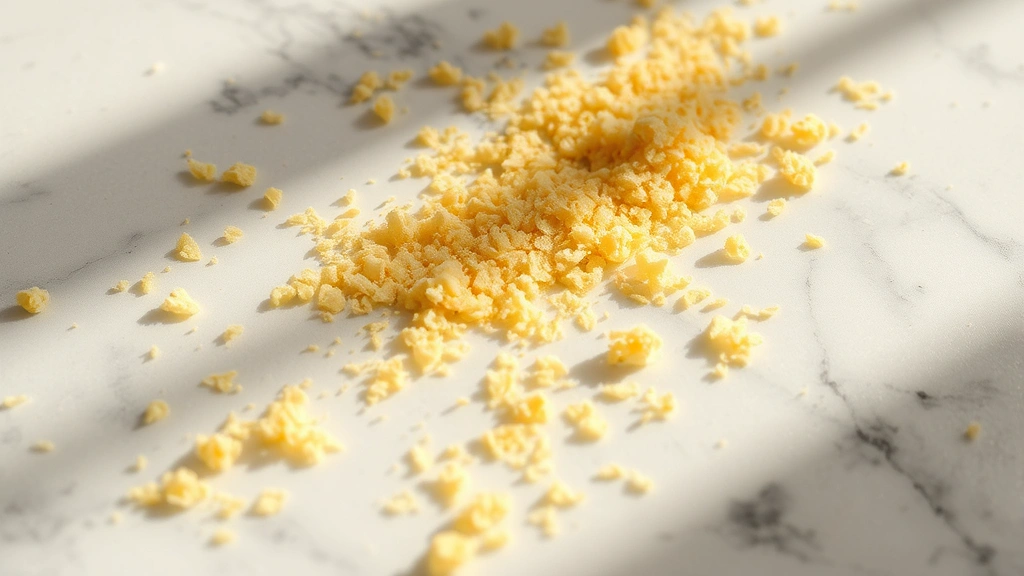
When selecting nutritional yeast for your recipes, look for products that are fortified with B12, as this is not naturally present in adequate quantities. The texture should be fine and powdery, free of clumping. Quality varies between brands, with some offering more pronounced cheesy notes than others. Experimenting with different brands helps identify which works best for your palate and specific culinary applications.
Savory Main Dishes
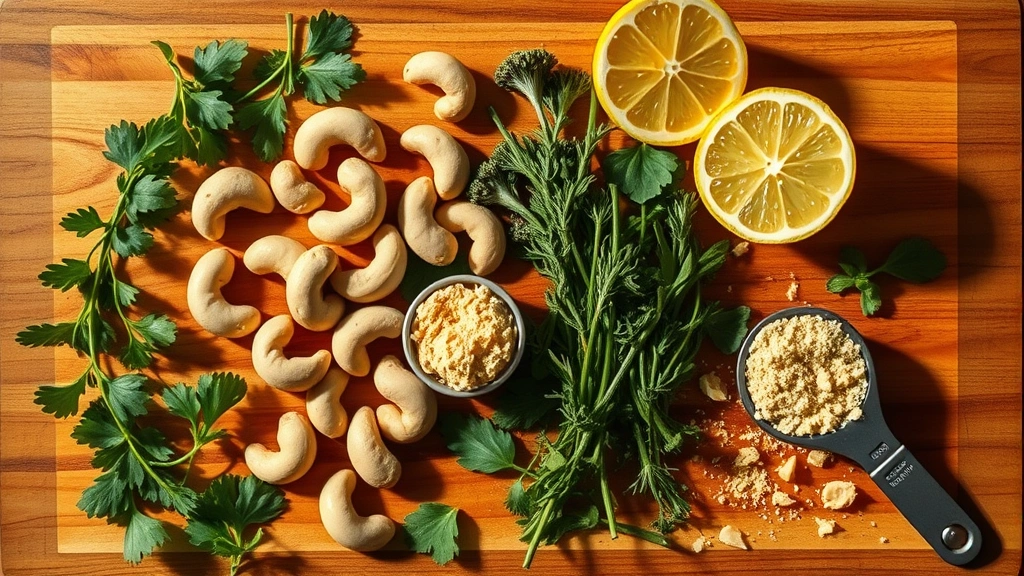
Nutritional yeast transforms ordinary pasta dishes into extraordinary meals without requiring complicated techniques. A classic creamy alfredo can be reimagined by combining cooked pasta with a sauce made from blended cashews, vegetable broth, lemon juice, and three to four tablespoons of nutritional yeast. The result rivals traditional dairy-based versions while offering superior nutritional value. Add fresh garlic, white pepper, and a touch of nutmeg to deepen the complexity.
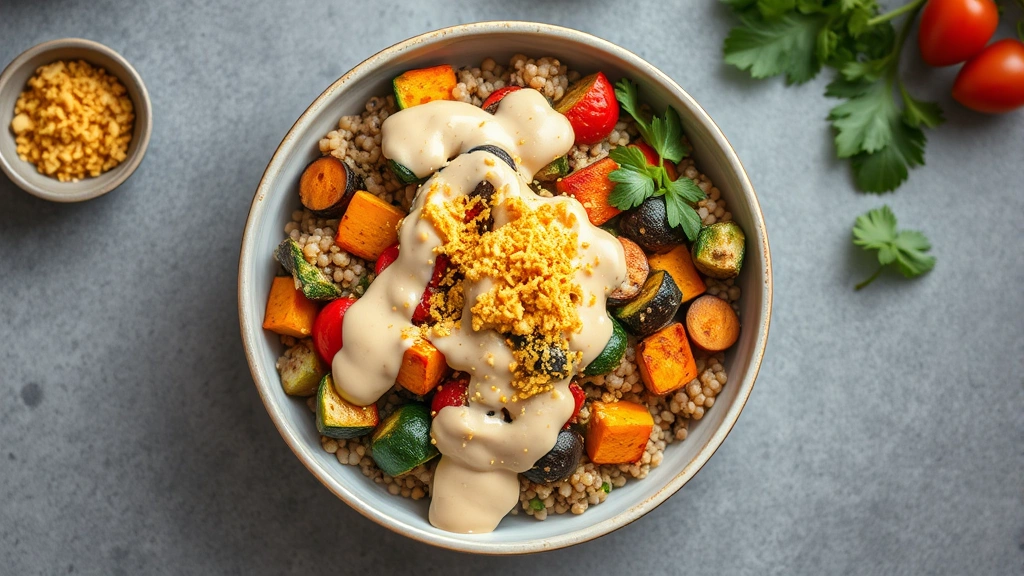
For those seeking heartier options, nutritional yeast enhances grain bowls significantly. Build bowls with quinoa or farro as your base, add roasted vegetables like Brussels sprouts and sweet potatoes, include legumes for protein, then drizzle with a tahini dressing enriched with nutritional yeast. This approach creates balanced meals that satisfy athletic and active nutrition requirements while remaining accessible to everyday home cooks.
Risotto presents another excellent canvas for nutritional yeast creativity. The creamy texture develops naturally through the stirring process, and nutritional yeast adds depth without compromising the dish’s elegant simplicity. Combine arborio rice with vegetable stock, white wine, sautéed mushrooms, and finish with nutritional yeast, vegan butter, and fresh herbs. The result is indistinguishable from traditional risotto for most palates.
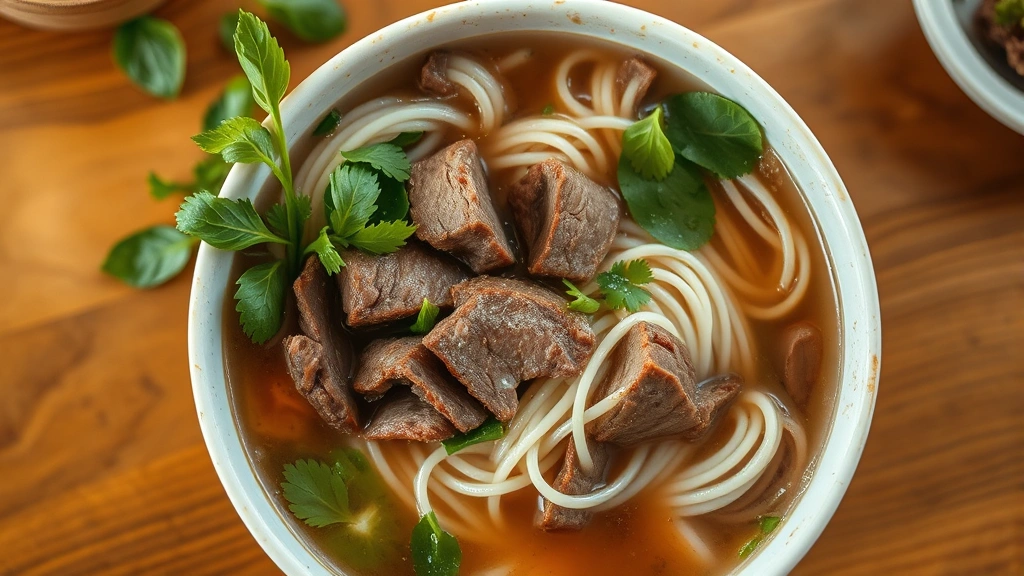
Soup applications showcase nutritional yeast’s ability to create body and richness. Creamy vegetable soups gain complexity when finished with a tablespoon or two of nutritional yeast stirred into each bowl. Tomato-based soups benefit from its savory notes, which balance acidity naturally. Even simple broths transform when nutritional yeast is incorporated, creating what food writers describe as “instant depth.”
Cheese Alternatives and Toppings
The most direct application of nutritional yeast involves creating cheese-like toppings and sauces. A simple formula combines nutritional yeast with cashew cream, lemon juice, and garlic powder to create a parmesan-style topping suitable for pizzas, pastas, and vegetable dishes. This nutritional approach to cooking eliminates dairy while maintaining the textural and flavor elements consumers expect from cheese.
For those seeking more structured cheese alternatives, combining nutritional yeast with tapioca starch creates a mozzarella-like consistency suitable for stretching. While more involved than simple sprinkles, these recipes produce compelling results for pizza applications and layered dishes. The key involves understanding how starches and fats interact with nutritional yeast to create desired textures.
Nutritional yeast-based “parmesan” mixes can be prepared in bulk and stored for convenient use. Combine nutritional yeast with ground almonds, garlic powder, onion powder, sea salt, and dried Italian herbs. Store in airtight containers and use liberally on soups, salads, roasted vegetables, and grain bowls. This prepared mixture ensures you always have flavor enhancement readily available.
Popcorn seasoning represents perhaps the simplest yet most satisfying application. Toss freshly popped popcorn with melted coconut oil or vegan butter, then coat generously with nutritional yeast mixed with sea salt and your choice of spices—smoked paprika, cayenne, garlic powder, or nutritional yeast seasoning blends. The result delivers umami-rich satisfaction that rivals heavily processed alternatives.
Breakfast and Brunch Ideas
Scrambled tofu gains remarkable depth when nutritional yeast is incorporated into the cooking process. Crumbled firm tofu cooked with onions, mushrooms, and spinach becomes exponentially more satisfying when seasoned with nutritional yeast alongside turmeric and black pepper. The ingredient adds savory notes that make plant-based breakfast proteins genuinely craveable rather than merely adequate.
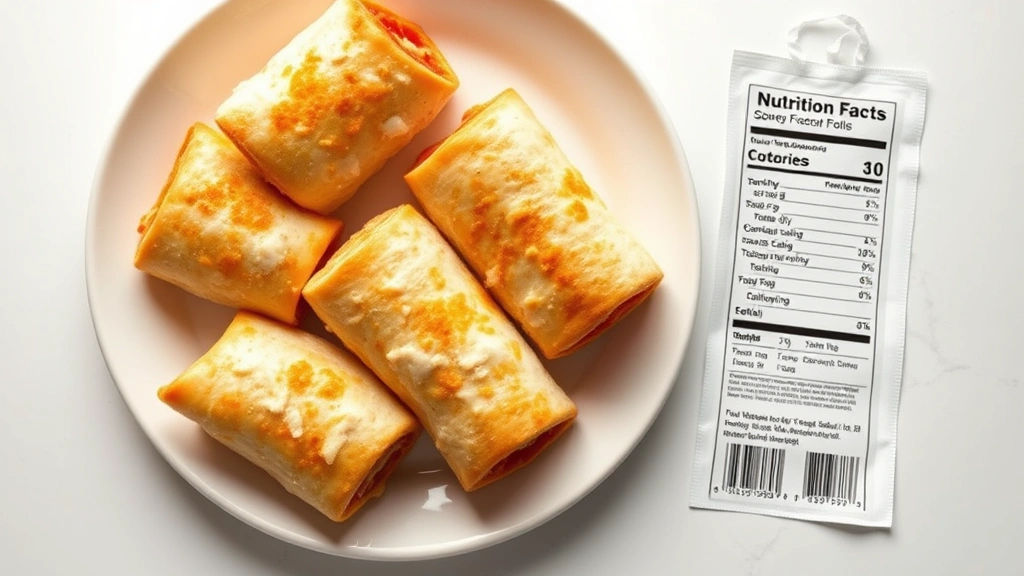
Breakfast burritos constructed with seasoned black beans, roasted potatoes, sautéed greens, and a generous sprinkle of nutritional yeast create hearty, nutrient-dense meals suitable for meal preparation. The yeast adds complexity that prevents these dishes from tasting repetitive despite being made in batches. Include nutritional information in your meal planning to track macronutrient distribution throughout your day.
Savory oatmeal represents an underutilized breakfast category that nutritional yeast elevates beautifully. Cook steel-cut oats in vegetable broth, then finish with nutritional yeast, sautéed mushrooms, caramelized onions, and fresh herbs. This savory approach to oatmeal provides sustained energy while offering flavor complexity that sweet preparations cannot match.
Frittatas and egg-based dishes benefit significantly from nutritional yeast addition. Whether you’re cooking with eggs or using plant-based egg replacers, nutritional yeast adds savory depth that complements vegetable-forward preparations. Layer roasted vegetables, herbs, and nutritional yeast before baking for dishes that taste restaurant-quality.
Snacks and Appetizers
Nutritional yeast transforms simple snacking into opportunity for nutrition delivery. Mixed with nuts, seeds, and dried vegetables, it creates satisfying trail mix alternatives that provide sustained energy. The umami notes make these mixtures genuinely craveable rather than feeling like obligatory healthy eating.
Kale chips gain remarkable appeal when coated with oil and nutritional yeast before roasting. The combination creates crispy, savory snacks that satisfy cravings for salty, satisfying foods without excessive sodium. Season with additional spices like garlic powder, smoked paprika, or cayenne to customize flavor profiles.
Vegetable crudités presented with nutritional yeast-based dips create elegant appetizers suitable for entertaining. Blend nutritional yeast with cashews, garlic, lemon juice, and herbs to create dips rivaling traditional hummus or ranch preparations. These options support cognitive health through nutrient-dense snacking while tasting indulgent.
Roasted chickpeas tossed with oil and nutritional yeast create crunchy, protein-rich snacks perfect for portion-controlled eating. The yeast coating adds savory appeal that keeps people reaching for more, making these preparations excellent for managing hunger between meals.
Storage and Selection Tips
Proper storage ensures nutritional yeast maintains its potency and flavor over extended periods. Keep unopened containers in cool, dark places away from direct sunlight. Once opened, transfer to airtight glass containers and store in the refrigerator or freezer. Properly stored nutritional yeast maintains quality for 6-12 months, though flavor intensity may gradually diminish.
Quality indicators include fine, consistent texture without clumping or discoloration. Smell should be pleasant and slightly nutty, not musty or off-putting. Different brands offer varying flavor intensities—some taste more intensely cheesy while others present more neutral profiles. Purchasing small quantities initially allows you to identify preferences before committing to bulk purchases.
Consider fortification status when selecting products. Many quality nutritional yeast products include added B12, crucial for those relying on plant-based nutrition. Verify packaging confirms B12 fortification, particularly if you’re not consuming other fortified sources of this essential nutrient. Some brands also include additional amino acids or other micronutrients.
Budget considerations make nutritional yeast practical for regular use. Purchasing from bulk sections typically costs significantly less than pre-packaged options. As nutritional yeast recipes become more common in your cooking rotation, buying in bulk becomes economically sensible while ensuring consistent availability for your favorite dishes.
Research from culinary publications and food science organizations continues documenting how ingredient choices impact both nutrition and satisfaction. Nutritional yeast exemplifies how understanding ingredient functionality allows home cooks to create meals that excel across multiple dimensions—taste, nutrition, sustainability, and cost-effectiveness.
FAQ
Is nutritional yeast safe for everyone?
Nutritional yeast is generally safe for most people. However, those with yeast sensitivities or certain health conditions should consult healthcare providers before regular consumption. The ingredient is deactivated, making it suitable for those avoiding active yeast in their diets.
Can I substitute nutritional yeast for regular yeast in baking?
No. Nutritional yeast is deactivated and cannot provide leavening function required in baking. Use it only in recipes specifically calling for nutritional yeast or as a finishing ingredient, never as a substitute for active yeast in bread-making.
Does nutritional yeast have a strong flavor?
The flavor is distinctive but not overwhelming when used appropriately. Start with smaller quantities—one to two tablespoons per serving—and adjust based on preference. Most people find the cheesy, umami notes pleasant and crave-worthy rather than off-putting.
What’s the difference between nutritional yeast and brewer’s yeast?
Nutritional yeast is specifically cultivated and processed for consumption as a food supplement, while brewer’s yeast is a byproduct of beer production. Nutritional yeast is more refined, with better flavor profiles and more consistent fortification. Brewer’s yeast has a more bitter taste unsuitable for most culinary applications.
Can I use nutritional yeast in raw food preparations?
Yes. Nutritional yeast requires no cooking and works beautifully in raw preparations. Add it to salad dressings, smoothies, raw vegetable preparations, and cold grain salads. This versatility makes it valuable for raw food enthusiasts and those exploring diverse preparation methods.