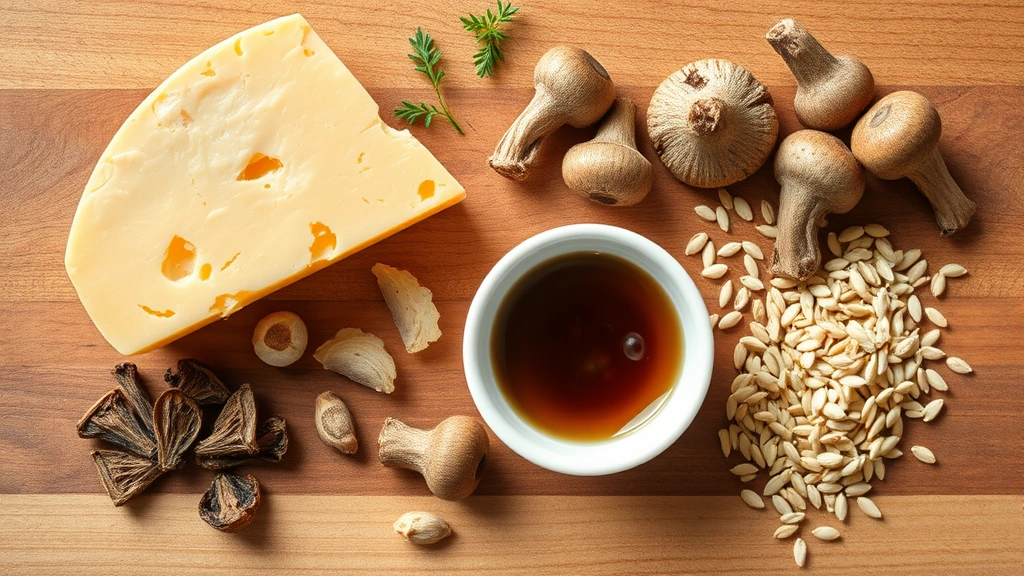
Nutritional yeast has become a staple in plant-based and health-conscious kitchens, prized for its savory umami flavor and impressive nutritional profile. However, whether due to dietary restrictions, availability issues, allergies, or simple preference, many people seek reliable nutritional yeast substitute options that deliver comparable taste and nutritional benefits. Understanding the landscape of alternatives empowers you to make informed choices that align with your dietary goals and culinary needs.
The challenge with finding suitable substitutes lies in replicating nutritional yeast’s unique combination of attributes: its distinctive cheesy, nutty flavor, fortified B-vitamin content (particularly B12), and versatility across both savory and health-focused applications. This comprehensive guide explores expert-recommended alternatives, their nutritional profiles, practical applications, and how they compare to the original ingredient. Whether you’re managing allergies, exploring new flavors, or simply working with what’s available, you’ll discover multiple pathways to achieve similar culinary and nutritional outcomes.

Understanding Nutritional Yeast and Why Substitutes Matter
Nutritional yeast (often called “nooch”) is an inactive form of Saccharomyces cerevisiae, a single-celled fungus that produces a distinctive savory flavor profile. Unlike brewer’s yeast, which contains living cells and a bitter taste, nutritional yeast is deactivated through heat treatment, resulting in a mild, cheesy flavor that enhances numerous dishes. Its popularity stems from several factors: it’s naturally vegan, contains all nine essential amino acids, and manufacturers typically fortify it with B vitamins including the crucial B12 that vegans often struggle to obtain.
The necessity for substitutes arises from various circumstances. Some individuals experience yeast sensitivities or allergies, particularly those managing candida overgrowth or following a yeast-free diet. Others find nutritional yeast expensive, inaccessible in their regions, or simply desire flavor variety. Additionally, certain culinary applications may benefit from alternative ingredients that complement specific dishes more effectively. Understanding when and how to substitute requires knowledge of both the ingredient’s functional role in recipes and its nutritional contributions to your diet.
As you explore nutrition solutions for your dietary needs, considering substitute options expands your flexibility and ensures you’re not missing out on the nutritional benefits that make nutritional yeast valuable in the first place.
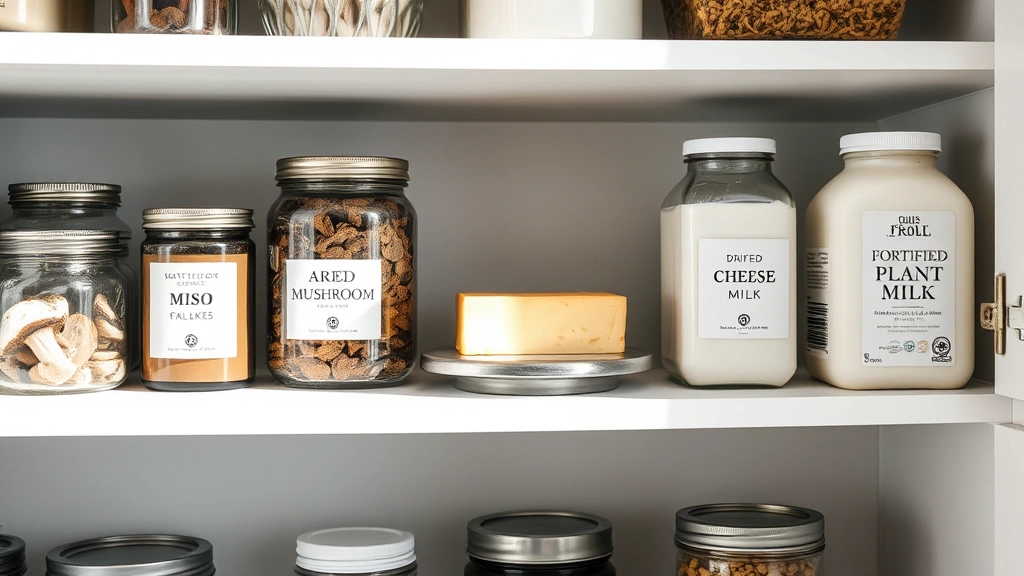
Cheese-Based Alternatives for Savory Applications
For those without dairy restrictions, aged cheeses provide perhaps the closest flavor match to nutritional yeast’s savory characteristics. Parmesan cheese stands as the most effective substitute, offering that distinctive umami punch through its high content of glutamates, the compounds responsible for savory taste perception. Finely grated Parmesan delivers approximately 1,200-1,300 mg of glutamates per 100 grams, compared to nutritional yeast’s 600-800 mg range, meaning you can use slightly less while achieving similar flavor intensity.
The practical application matters significantly: for sprinkling over popcorn, pasta, or roasted vegetables, use about 75% of the nutritional yeast quantity called for in your recipe. For creamier applications like sauces or dressings, Parmesan dissolves less predictably than nutritional yeast, so consider finely processing it into a powder first. Pecorino Romano offers a sharper, more assertive flavor profile, ideal when you want enhanced savory depth. Grana Padano, an Italian cheese similar to Parmesan but with slightly sweeter, more complex notes, works excellently in applications where you want subtle flavor complexity.
The nutritional trade-off with cheese substitutes involves higher saturated fat and sodium content compared to nutritional yeast. While cheese provides protein and calcium, it lacks the fortified B vitamins that make nutritional yeast particularly valuable for plant-based diets. If you’re substituting primarily for flavor rather than nutritional completeness, aged cheeses excel; if nutritional fortification matters to your dietary plan, consider pairing cheese with other nutrient-dense ingredients or consulting our healthy nutrition plan guide for comprehensive dietary strategy.
Plant-Powered Umami Substitutes
For vegans, allergy-conscious individuals, or those seeking plant-based alternatives, several options deliver impressive umami depth and culinary versatility. Miso paste, particularly white or chickpea miso varieties, concentrates umami flavors through fermentation processes that develop glutamates naturally. One teaspoon of miso paste can replace one tablespoon of nutritional yeast in most applications, though you’ll want to dissolve it in liquid first to avoid clumping. Miso’s slightly salty, complex character works beautifully in soups, dressings, and savory sauces.
Tamari or soy sauce represents another concentrated umami source, though in liquid form. These fermented soy products deliver powerful savory notes; a teaspoon of tamari can enhance dishes where you’d typically use nutritional yeast. The key lies in using sparingly and adjusting other salt content in recipes accordingly, as soy products contribute significant sodium.
Dried mushroom powder offers an exciting alternative, particularly from varieties like porcini, shiitake, or oyster mushrooms. These fungi naturally contain high concentrations of glutamates and nucleotides that trigger umami perception. Pulse dried mushrooms in a food processor until powder-fine, then use approximately equal amounts to replace nutritional yeast. The resulting flavor carries earthy, complex notes that particularly enhance soups, risottos, and grain-based dishes. This option provides fiber, selenium, and B vitamins, though not the fortified B12 that makes nutritional yeast valuable for strict vegans.
Nutritional information matters when selecting substitutes. Our dietary fiber guide explores how different plant-based ingredients contribute to overall nutritional intake, helping you make choices that support complete nutrition rather than simply replacing flavor.
Dulse flakes and other sea vegetables provide another plant-powered umami option. These ocean-derived ingredients contain natural glutamates and minerals like iodine, potassium, and magnesium. Use sparingly, as sea vegetables carry strong flavors; typically one-quarter to one-half the amount of nutritional yeast works well. They work particularly well in Asian-inspired dishes, salads, and grain bowls.
Fortified and Nutritionally Enhanced Options
If your primary motivation for using nutritional yeast involves its nutritional fortification—particularly B12 content for vegan diets—certain substitutes address this specific need. Fortified plant-based milks containing added B12, B6, and other B vitamins can supplement your diet, though they don’t replicate the concentrated nutrient density of nutritional yeast. Incorporating fortified milk products into cooking (cream-based sauces, soups, or smoothies) ensures you’re capturing those nutritional benefits.
Brewers yeast differs significantly from nutritional yeast in both flavor and preparation. While it contains impressive B-vitamin content and all nine essential amino acids, its bitter taste makes it less palatable as a direct substitute. However, small quantities (one-quarter teaspoon per tablespoon of nutritional yeast) mixed into recipes can boost nutritional value without overpowering flavor. This approach works best in hearty soups, smoothies, or baked goods where robust flavors dominate.
Spirulina and chlorella represent nutrient-dense algae-based options. These superfoods deliver complete proteins, numerous minerals, and B vitamins, though they lack B12 fortification in their natural form (some brands add it). Their strong, distinctive flavor means they function better as nutritional supplements blended into smoothies than as direct nutritional yeast replacements in savory dishes. However, small quantities in grain bowls, salads, or pasta dishes can enhance both nutrition and visual appeal.
For comprehensive dietary planning that incorporates these alternatives, exploring meal planning strategies ensures you’re covering all nutritional bases across your weekly eating patterns rather than relying on single ingredients for nutritional completeness.
Blended Approaches for Optimal Results
Expert nutritionists often recommend combining multiple ingredients to achieve both the flavor profile and nutritional benefits you’re seeking. The “umami blend” approach combines dried mushroom powder (one-third), nutritional yeast alternative like miso powder (one-third), and finely grated Parmesan or other aged cheese (one-third). This combination delivers complex layered flavors while spreading nutritional benefits across multiple ingredient sources.
Another effective strategy involves creating a custom seasoning blend. Mix dried mushroom powder with sea salt, garlic powder, onion powder, and a touch of smoked paprika for a versatile seasoning that works across countless applications. Store in an airtight container and use by the teaspoon to season individual dishes or larger quantities for batch cooking. This approach provides flexibility since you can adjust ratios based on your specific dietary needs and flavor preferences.
For applications requiring nutritional yeast’s binding or texture properties (less common but relevant in certain recipes), combining finely ground nuts or seeds with your chosen umami ingredient can replicate the substance and mouthfeel. Toast seeds like sunflower or pumpkin, pulse until finely ground, then mix with miso paste or mushroom powder to create a paste-like consistency that works in applications where nutritional yeast’s powder form matters functionally.
Cognitive and nutritional connections matter too. Research from nutrition and mental health studies demonstrates how varied, whole-food-based ingredients support not only physical health but also mental clarity and emotional well-being. Exploring diverse substitutes keeps your palate engaged and your nutritional profile comprehensive.
Practical Tips for Substitution Success
Measure and adjust intentionally. Different substitutes have varying flavor intensities and moisture contents. Start by using 75% of the nutritional yeast quantity called for, then taste and adjust upward if needed. This prevents over-salting (particularly with soy products) or overwhelming dishes with strong flavors.
Consider the recipe context. Nutritional yeast works beautifully in applications where its specific flavor shines: popcorn seasoning, pasta dishes, creamy sauces, and nutritional supplements. When substituting, match the alternative to the application. Miso paste excels in Asian-inspired dishes and dressings. Mushroom powder enhances hearty soups and grain-based meals. Parmesan works universally across Italian and Mediterranean applications. Dulse flakes complement seafood-inspired dishes and Asian cuisines.
Blend for complexity. Rather than seeking a single perfect substitute, combining two or three alternatives creates more interesting flavor profiles than nutritional yeast alone. This approach particularly benefits from creative experimentation as you discover combinations that excite your palate.
Account for nutritional gaps. If you’re substituting due to allergies or dietary restrictions, ensure you’re capturing the nutritional benefits that mattered in your original ingredient. If B12 fortification was crucial, incorporate fortified alternatives elsewhere in your diet. If fiber or mineral content matters, lean toward plant-based whole-food substitutes. Our nutrition blog regularly explores how to build nutritionally complete diets despite dietary restrictions.
Test in low-stakes applications first. Before substituting in a complex recipe you’re serving guests, experiment with new alternatives in simple dishes where you can easily adjust seasoning. Pasta with olive oil, a pinch of substitute, and fresh vegetables provides the perfect testing ground.
Store alternatives properly. Dried mushroom powders, blended seasonings, and fortified ingredients all benefit from cool, dry storage in airtight containers. This preserves flavor and nutritional integrity, ensuring your substitutes perform optimally whenever you need them.
Nutritional Comparison Chart
Understanding how different substitutes compare nutritionally helps guide your choices based on your specific dietary priorities:
- Nutritional Yeast (1 tablespoon): 80 calories, 8g protein, 5g carbs, 1g fat, 2.4g fiber, fortified with B vitamins including 2.4mcg B12
- Parmesan Cheese (1 tablespoon): 22 calories, 2g protein, 0.2g carbs, 1.5g fat, 0g fiber, 100mg calcium, 390mg sodium
- Miso Paste (1 teaspoon): 12 calories, 2g protein, 1g carbs, 0.3g fat, 0g fiber, 400mg sodium, contains probiotics
- Dried Mushroom Powder (1 tablespoon): 15 calories, 0.8g protein, 2.5g carbs, 0.1g fat, 0.4g fiber, selenium, B vitamins
- Tamari (1 teaspoon): 15 calories, 2g protein, 1g carbs, 0g fat, 920mg sodium, gluten-free alternative to soy sauce
- Dulse Flakes (1 teaspoon): 3 calories, 0.1g protein, 0.7g carbs, 0g fat, iodine, potassium, magnesium
This comparison reveals that while no single substitute perfectly matches nutritional yeast’s complete profile, strategic combinations can address specific nutritional priorities while delivering satisfying flavor.
FAQ
Can I use regular brewer’s yeast instead of nutritional yeast?
Brewer’s yeast contains living cells and carries a distinctly bitter flavor, making it unsuitable as a direct replacement. However, small quantities (one-quarter teaspoon per tablespoon of nutritional yeast) can supplement recipes without overwhelming flavor. It’s better incorporated into smoothies, baked goods, or hearty soups rather than used as a primary seasoning.
Is there a substitute that provides B12 like nutritional yeast does?
Naturally, few foods contain B12 outside animal products and fortified items. Fortified plant-based milks, cereals, and some nutritional yeast alternatives (available commercially) provide B12. For strict vegans, relying on fortified products or supplements remains the most reliable B12 strategy rather than expecting natural substitutes to provide this nutrient.
What substitute works best for making vegan cheese sauce?
Miso paste combined with nutritional yeast alternatives like ground mushrooms creates excellent creamy sauces. Blend one tablespoon of white miso with one-half cup cashew cream, one-quarter teaspoon of garlic powder, and one-quarter teaspoon of mushroom powder for a rich, savory sauce that rivals traditional nutritional yeast-based versions.
Can I mix substitutes to get closer to nutritional yeast’s flavor?
Absolutely. Combining mushroom powder with miso paste or miso with finely grated aged cheese creates complex umami layers that closely approximate nutritional yeast’s savory character. Start with equal parts and adjust based on your taste preferences and the specific recipe context.
How do allergies affect substitute selection?
If you’re allergic to yeast, mushrooms (which are fungi like yeast) might trigger reactions, so avoid mushroom-based substitutes. Miso paste, though fermented, uses different microorganisms and typically poses no cross-reactivity issues. Cheese-based alternatives work well for dairy-tolerant individuals. Always consult healthcare providers when managing allergies affecting ingredient selection.
Are there budget-friendly substitutes for expensive nutritional yeast?
Yes. Parmesan cheese, while not inexpensive, typically costs less per use than specialty nutritional yeast brands. Dried mushrooms purchased in bulk and ground at home offer excellent value. Miso paste lasts indefinitely when properly stored, making it economical despite higher initial cost. Creating custom seasoning blends stretches your budget further than purchasing single-ingredient alternatives.


