Olipop Nutrition Facts: A Dietitian’s Complete Breakdown
Olipop has emerged as one of the most talked-about functional beverages in the health-conscious consumer market, positioning itself as a sophisticated alternative to traditional sodas and sugary drinks. This prebiotic soda has garnered significant attention from nutritionists, dietitians, and wellness enthusiasts who are seeking beverages that offer more than just flavor—they want functional benefits. As a registered dietitian nutritionist, I’ve analyzed Olipop’s complete nutritional profile to help you understand whether this trendy drink aligns with your dietary goals and health objectives.
The beverage industry has undergone a dramatic transformation over the past decade, with consumers increasingly demanding transparency and functional ingredients in their drinks. Olipop positions itself at the intersection of indulgence and wellness, claiming to deliver the satisfaction of a traditional soda while providing prebiotic fiber and plant-based botanicals. Understanding the complete nutrition facts is essential for making informed decisions about whether Olipop fits into your daily dietary routine.
Complete Nutrition Facts Overview
Olipop’s standard 12-ounce serving contains approximately 35-45 calories depending on the flavor variant, making it significantly lighter than conventional sodas that average 140 calories per serving. The beverage contains zero grams of total fat, zero cholesterol, and minimal sodium at 15-20 milligrams per serving. The carbohydrate profile is where Olipop distinguishes itself, with 9-10 grams of total carbohydrates, of which 9 grams come from dietary fiber—a remarkable ratio that fundamentally changes how your body processes this beverage.
The nutritional architecture of Olipop reflects a deliberate design philosophy centered on the importance of dietary fiber for your health. Each bottle delivers prebiotic fiber from sources like chicory root inulin and Jerusalem artichoke, ingredients that have been extensively studied in nutritional science for their metabolic effects. The protein content sits at zero grams, which is consistent with most non-dairy beverages, though this means Olipop shouldn’t be relied upon as a protein source for post-workout recovery or muscle maintenance.
From a micronutrient perspective, Olipop fortifies its beverages with various B vitamins including B6 and B12, though the quantities are modest and shouldn’t be considered primary sources for these essential nutrients. The ingredient list typically includes natural flavors, citric acid for preservation, and various plant-based extracts that contribute to the beverage’s distinctive taste profile.
Calorie Content and Energy Density
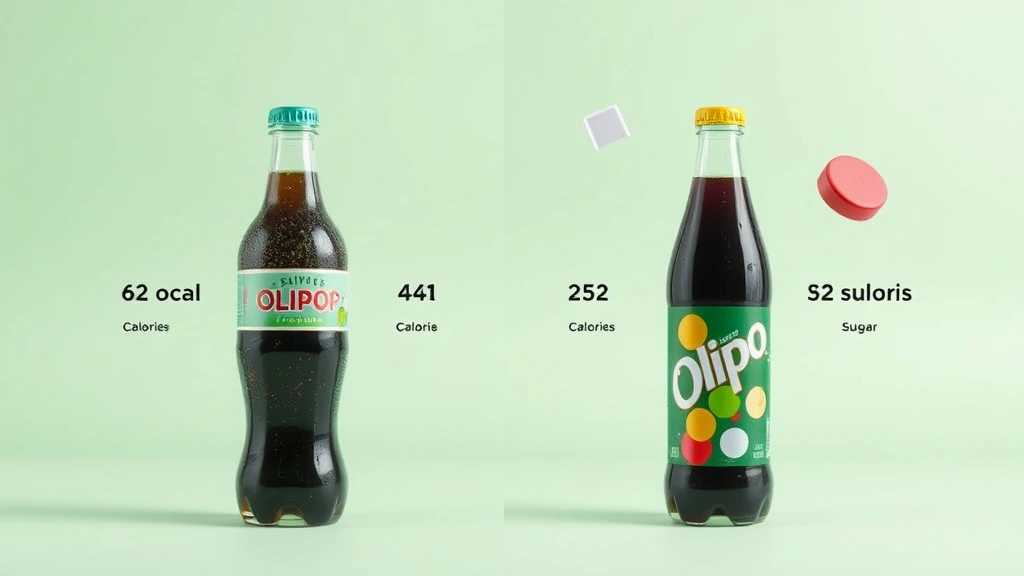
The caloric profile of Olipop represents one of its most compelling selling points for individuals engaged in weight management or caloric restriction. At 35-45 calories per 12-ounce serving, Olipop delivers approximately 3-4 calories per fluid ounce, compared to standard cola beverages that provide roughly 12 calories per fluid ounce. This dramatic reduction becomes particularly significant when considering daily beverage consumption patterns, as the average American consumes approximately 150-200 calories daily from beverages alone.
For individuals following a healthy nutrition plan, understanding energy density is crucial. Olipop’s low caloric contribution means that consuming one or two bottles daily represents a negligible impact on total daily energy intake for most adults. However, dietitians must consider the cumulative effect of multiple servings, as some consumers report consuming three or more bottles daily, which could contribute 100-150 calories to their daily intake.
The caloric content comes almost exclusively from the small amount of residual sugars and the prebiotic fiber components. This is fundamentally different from traditional sodas, where calories derive primarily from high-fructose corn syrup or sucrose. The metabolic handling of calories from fiber differs significantly from simple sugars, as fiber is partially non-digestible and contributes to satiety rather than rapid glucose elevation.
Sugar and Sweetener Breakdown
One of the most critical aspects of Olipop’s nutrition facts is its sugar content, which typically ranges from 1-3 grams per 12-ounce serving. This represents approximately 95% less sugar than conventional sodas, which contain 39-40 grams per serving. The minimal sugar content is achieved through a combination of stevia, a zero-calorie natural sweetener derived from the Stevia rebaudiana plant, and erythritol, a sugar alcohol classified as a polyol.
Stevia has become increasingly popular in functional beverage formulations due to its zero glycemic impact and absence of aftertaste in modern formulations. Unlike earlier stevia products that consumers often described as having metallic or bitter notes, contemporary stevia extraction methods have significantly improved palatability. Erythritol, conversely, is a four-carbon sugar alcohol that provides approximately 0.2 calories per gram and has minimal impact on blood glucose levels, making it suitable for individuals with diabetes or those following ketogenic dietary protocols.
The sweetener combination in Olipop is strategically designed to provide a taste profile that approximates traditional sodas while maintaining a glycemic load comparable to unsweetened beverages. For individuals with diabetes, prediabetes, or insulin resistance, this represents a substantial improvement over conventional soft drinks. However, it’s important to note that some individuals report digestive sensitivity to erythritol and stevia, particularly when consumed in large quantities, as these sweeteners can have laxative effects in susceptible populations.
Prebiotic Fiber Benefits
The 9 grams of prebiotic fiber per serving represents the functional foundation of Olipop’s health positioning. Prebiotic fiber differs fundamentally from regular dietary fiber in that it specifically feeds beneficial bacteria in the large intestine, promoting a more diverse and health-supportive microbiome composition. The primary prebiotic ingredient in Olipop is inulin derived from chicory root, a well-researched compound with documented benefits for digestive health and metabolic function.
Research published in nutritional science journals demonstrates that inulin consumption promotes the growth of Bifidobacterium species and Lactobacillus populations, bacteria associated with improved immune function, enhanced nutrient absorption, and reduced inflammatory markers. A single serving of Olipop provides approximately 9 grams of this prebiotic fiber, which represents roughly 30-36% of the recommended daily adequate intake for adult women and 22-30% for adult men, depending on age.
However, dietitians must counsel patients about the potential for digestive adjustment when introducing prebiotic fiber. The initial consumption of Olipop, particularly in individuals unaccustomed to high-fiber beverages, may result in mild bloating, gas, or changes in bowel movements as the microbiome adjusts to the increased prebiotic substrate. This is not a sign of harm but rather a normal adaptation response. Gradually increasing consumption over one to two weeks allows the gut microbiota to adapt more comfortably.
The prebiotic benefits of Olipop complement broader strategies for how to improve digestion and optimize gastrointestinal health. Regular consumption may contribute to improved regularity, enhanced mineral absorption, and modulation of appetite hormones through mechanisms involving short-chain fatty acid production in the colon.
Plant-Based Ingredients Analysis
Beyond the prebiotic fiber core, Olipop contains an array of plant-based botanicals and extracts that contribute to its functional profile. Different flavor variants incorporate distinct ingredient combinations, but common additions include ginger root extract, which has been traditionally used for digestive support and nausea relief; turmeric root extract, recognized for its curcumin content and anti-inflammatory properties; and various fruit and vegetable extracts that provide phytonutrients and antioxidants.
The inclusion of these botanical ingredients reflects the broader trend toward plant-based functional beverages, as documented in research from Pew Research Center regarding consumer preferences for natural and functional food products. These extracts provide negligible calories while contributing bioactive compounds that may offer subtle health benefits, though the quantities are typically insufficient to produce dramatic therapeutic effects comparable to whole food consumption.
Olipop also incorporates citric acid as a preservative and pH regulator, which is standard in the beverage industry. While citric acid is generally recognized as safe by the FDA, individuals with severe acid reflux or enamel sensitivity should consider this component when deciding on regular consumption patterns. The natural flavors used in Olipop formulations are derived from plant sources rather than synthetic chemical compounds, aligning with consumer preferences for clean-label products.
Sodium and Electrolyte Content
The sodium content in Olipop is remarkably low, typically ranging from 15-20 milligrams per 12-ounce serving, representing less than 1% of the recommended daily adequate intake. This contrasts sharply with many functional beverages marketed for hydration or athletic performance, which often contain 200-300 milligrams of sodium per serving to enhance fluid retention and electrolyte balance.
For most consumers, this minimal sodium content is advantageous, particularly for individuals managing hypertension or those following sodium-restricted dietary protocols. However, athletes or individuals engaging in prolonged endurance activities should recognize that Olipop cannot serve as an electrolyte replacement beverage. The absence of potassium, magnesium, and other electrolytes means that Olipop is better suited as a between-meal functional beverage rather than a post-workout hydration solution.
The low electrolyte profile positions Olipop primarily as a digestive support and functional beverage rather than a sports drink. For individuals seeking nutrition and mental health optimization, the absence of excessive sodium is beneficial, as high sodium intake has been associated with increased blood pressure and cardiovascular stress.
Comparison to Traditional Sodas
The nutritional contrast between Olipop and conventional sodas is striking and warrants detailed examination. A standard 12-ounce cola contains approximately 140 calories, 39 grams of sugar, zero grams of fiber, and 45 milligrams of sodium. Olipop, by comparison, contains 35-45 calories, 1-3 grams of sugar, 9 grams of prebiotic fiber, and 15-20 milligrams of sodium. This represents a fundamental nutritional repositioning rather than a marginal improvement.
The sugar differential is particularly significant, as the 36-38 gram reduction in sugar consumption per serving translates to substantial metabolic benefits. Regular consumption of traditional sodas has been consistently linked in epidemiological research to increased risk of type 2 diabetes, obesity, dental cavities, and metabolic syndrome. Olipop’s minimal sugar content eliminates this primary mechanism of harm, though the beverage should still be considered an occasional treat rather than a water replacement.
When compared to diet sodas sweetened with aspartame, sucralose, or other synthetic sweeteners, Olipop offers the advantage of prebiotic fiber and plant-based ingredients while maintaining similar caloric and sugar profiles. However, some consumers prefer the taste profile of diet sodas, and individual preferences should guide beverage selection. The key distinction is that Olipop provides functional benefits beyond calorie and sugar reduction, specifically through its prebiotic fiber content.
Who Should Consider Olipop
Olipop is most appropriate for individuals seeking a functional soda alternative who have specific dietary objectives or health conditions that would benefit from prebiotic fiber consumption. Individuals with constipation, irregular bowel movements, or compromised digestive function may experience particular benefit from regular Olipop consumption, provided they introduce it gradually to allow microbiotal adaptation.
People managing type 2 diabetes, prediabetes, or insulin resistance should find Olipop an acceptable beverage choice due to its minimal sugar and low glycemic impact. The prebiotic fiber may additionally support metabolic health by promoting beneficial bacterial growth associated with improved glucose regulation and reduced insulin resistance. However, Olipop should not replace water as the primary beverage, as hydration remains the fundamental requirement.
Individuals following ketogenic, low-carb, or paleo dietary protocols should note that while Olipop’s net carbohydrate content is minimal (approximately 1 gram per serving when subtracting fiber from total carbohydrates), the inclusion of stevia and erythritol may affect ketosis in some individuals, though research suggests minimal impact for most consumers.
Weight management individuals may benefit from Olipop as a satisfying soda replacement that provides significantly fewer calories than traditional beverages while offering the psychological satisfaction of consuming a flavored drink. The prebiotic fiber may additionally support satiety and appetite regulation through mechanisms involving short-chain fatty acid production and peptide YY stimulation.
Conversely, Olipop may not be ideal for individuals with severe fructose malabsorption, as inulin is a fructose polymer and can trigger symptoms in susceptible individuals. Those with diagnosed irritable bowel syndrome should introduce Olipop cautiously and monitor for symptom exacerbation, as prebiotic fiber can trigger symptoms in some IBS phenotypes, particularly those with visceral hypersensitivity.


