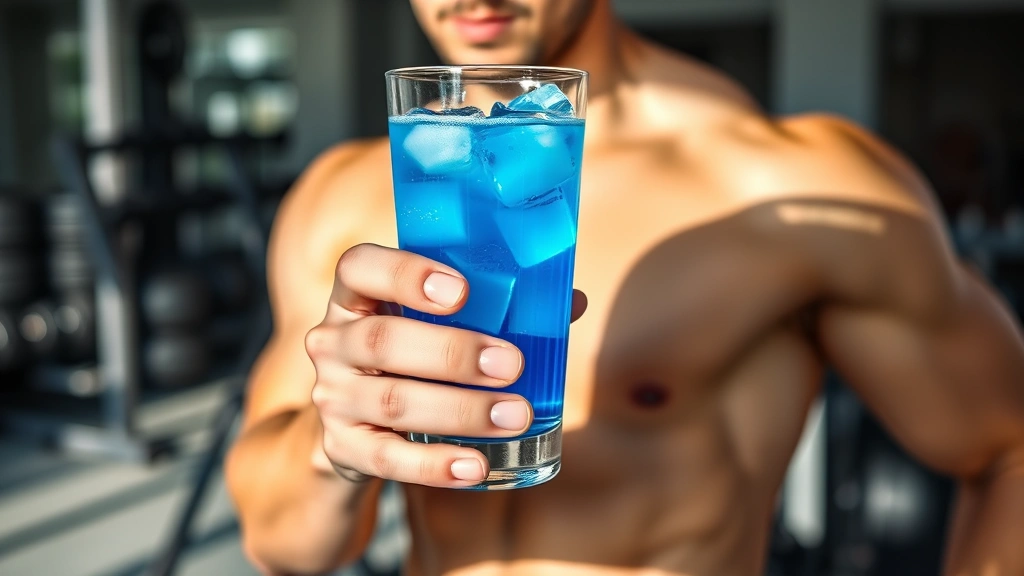
Optimum Nutrition Amino Energy: Expert Review
Optimum Nutrition Amino Energy has become one of the most recognized amino acid supplements in the fitness and wellness industry. This comprehensive review examines the product’s formulation, efficacy, ingredient quality, and real-world performance to help consumers make informed decisions about whether this supplement aligns with their fitness goals and dietary needs.
As a brand with decades of experience in sports nutrition, Optimum Nutrition has built a reputation for rigorous testing and transparent labeling. Amino Energy specifically targets athletes, fitness enthusiasts, and active individuals seeking enhanced recovery, sustained energy, and improved workout performance through strategically selected amino acids and supporting nutrients.
What Is Amino Energy and How Does It Work
Amino Energy is a multi-functional supplement combining essential amino acids (EAAs) with caffeine and additional performance-enhancing compounds. Unlike traditional protein powders, this product delivers amino acids in a lightweight, quickly-absorbed formula designed for pre-workout consumption, intra-workout sipping, or post-workout recovery.
The supplement works through several mechanisms: branched-chain amino acids (BCAAs) support muscle protein synthesis and reduce exercise-induced muscle damage, while supporting amino acids like citrulline malate enhance blood flow and nutrient delivery. The caffeine component provides mental focus and physical energy without the heaviness of a full meal, making it ideal for individuals pursuing nutrition for athletes optimizing performance through diet.
The formula’s design philosophy emphasizes versatility—it can be consumed at virtually any time during the training day. This adaptability distinguishes Amino Energy from single-purpose supplements that only function effectively at specific times. The rapid absorption rate means users experience benefits within 15-30 minutes of consumption, making it particularly valuable for pre-workout preparation.
Key Ingredients and Their Functions
Understanding the specific ingredients in Amino Energy requires examining both the primary active compounds and secondary supporting nutrients. Each component serves a distinct physiological purpose in enhancing workout performance and recovery outcomes.
Branched-Chain Amino Acids (BCAAs) form the foundation of this formula. The three BCAAs—leucine, isoleucine, and valine—comprise approximately 35% of muscle protein. Leucine specifically triggers mTOR pathway activation, signaling muscle protein synthesis to begin. Research from the National Institutes of Health demonstrates that BCAA supplementation during resistance training accelerates muscle recovery and reduces soreness in subsequent days.
Citrulline Malate operates through a different mechanism entirely. This compound increases nitric oxide production, which dilates blood vessels and improves oxygen and nutrient delivery to working muscles. The malate component supports ATP production, enhancing muscular endurance and reducing fatigue perception during extended training sessions. A 2-gram serving provides meaningful ergogenic benefits without excessive volume.
Beta-Alanine buffers lactic acid accumulation during high-intensity exercise. While users may experience mild tingling (paresthesia), this harmless sensation indicates the ingredient is working. Beta-alanine’s benefits accumulate over time, requiring consistent supplementation for optimal results—typically 4-6 weeks of daily use before peak effectiveness.
Caffeine Anhydrous provides the energy component in a concentrated, fast-acting form. The 100-200mg per serving (depending on scoop size) delivers noticeable stimulation without causing jitters in most users. Caffeine enhances mental focus, reduces perceived exertion, and improves power output—effects well-documented in sports science literature.
Taurine and Tyrosine serve supporting roles. Taurine supports cellular hydration and reduces muscle damage markers, while tyrosine supports dopamine production, enhancing mental clarity and motivation. These ingredients work synergistically with primary compounds to create comprehensive performance support.
For context on how amino acids fit into broader nutritional strategies, exploring nutrition facts about avocados and other whole-food sources helps readers understand how supplemental amino acids complement dietary sources.
Nutritional Profile and Dosing
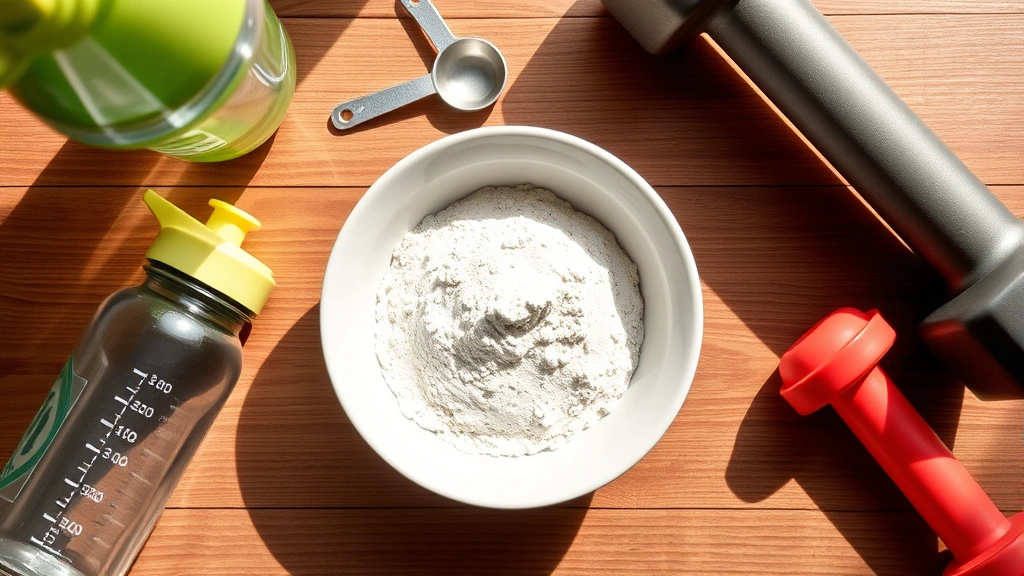
A single scoop of Amino Energy (approximately 9 grams) contains roughly 5 grams of amino acids, 100mg of caffeine, and supporting compounds. The calorie count remains minimal—typically 15-25 calories per serving—making it compatible with virtually any dietary approach, including calorie-restricted phases.
The recommended dosing protocol involves one scoop mixed with 8-10 ounces of water, consumed 15-30 minutes before training or as needed throughout the day for energy. Advanced users sometimes employ double-scoop servings for intense training blocks, though this increases caffeine intake to approximately 200mg—still within safe consumption limits for most individuals.
The product’s amino acid profile differs significantly from complete proteins. Rather than delivering all nine essential amino acids in balanced proportions, Amino Energy emphasizes performance-specific amino acids. This targeted approach suits intra-workout and pre-workout windows better than post-workout recovery, where complete protein sources typically prove superior for maximizing muscle protein synthesis over extended periods.
Timing considerations matter considerably. Consuming Amino Energy 30-45 minutes before training optimizes the caffeine effect and allows BCAAs to circulate during the workout. Alternatively, sipping throughout extended training sessions (90+ minutes) maintains amino acid availability and reduces catabolism during prolonged exertion.
Performance Benefits for Athletes
The performance enhancement potential of Amino Energy extends across multiple athletic domains. Strength athletes utilizing this supplement report improved workout capacity, reduced fatigue during high-rep sets, and faster recovery between sessions. The combination of BCAAs and citrulline malate directly supports these observations through increased blood flow and reduced muscle damage.
Endurance athletes experience benefits through different mechanisms. The caffeine component enhances sustained effort capacity, while beta-alanine and taurine support metabolic efficiency during prolonged activities. Runners, cyclists, and cross-training athletes frequently report improved performance metrics when incorporating Amino Energy into pre-training protocols.
The supplement’s versatility makes it particularly valuable for individuals pursuing healthy nutrition plan guidance while maintaining high training volume. Unlike heavy pre-workout meals that can cause gastrointestinal distress, Amino Energy provides measurable performance benefits without digestive burden.
Mental performance improvements often surprise users. The combination of caffeine, tyrosine, and beta-alanine creates a cognitive enhancement effect—improved focus, reduced mental fatigue, and enhanced motivation. Athletes performing technical skills or sports requiring high concentration frequently notice these secondary benefits.
Flavor Options and Mixability
Optimum Nutrition offers Amino Energy in numerous flavor varieties, including Fruit Fusion, Watermelon, Blue Raspberry, Strawberry Lemonade, and Grape. Each flavor profile has been developed with mixability in mind, dissolving rapidly in water without residual grittiness or clumping.
The powder texture remains notably fine and light, requiring minimal shaking or stirring. Most users achieve complete dissolution within 30-45 seconds of combining with cold water. This rapid mixability proves particularly valuable for busy athletes preparing supplements between activities or in gym environments where extended preparation time isn’t feasible.
Flavor intensity varies by variety, with some users finding certain flavors more palatable than others. The Watermelon and Strawberry Lemonade options tend to receive consistently positive feedback, while more intense flavors like Grape present stronger taste profiles that appeal to specific preferences. Sampling smaller containers before committing to large bulk purchases allows consumers to identify preferred flavors.
The sweetening system uses a combination of sucralose and acesulfame potassium, keeping calorie counts low while maintaining satisfying flavor depth. Individuals avoiding artificial sweeteners should note this composition, as stevia-sweetened or sugar-based alternatives may better align with their preferences.
Side Effects and Safety Considerations
Amino Energy demonstrates an excellent safety profile for most users when consumed according to label directions. However, understanding potential side effects helps consumers make informed decisions and optimize their experience.
Caffeine Sensitivity represents the primary concern for some users. Individuals sensitive to stimulants may experience jitters, anxiety, or sleep disruption if consuming Amino Energy too close to bedtime or in excessive quantities. Starting with half-scoop servings allows sensitive individuals to assess tolerance before advancing to full dosing.
Beta-Alanine Paresthesia causes harmless tingling sensations, typically in the face and extremities. This effect indicates the ingredient is working but causes unnecessary concern for uninformed users. Splitting doses throughout the day (rather than single large doses) minimizes this sensation while maintaining efficacy.
Gastrointestinal Considerations rarely occur with Amino Energy, though some individuals report mild digestive sensitivity. Consuming the supplement with adequate water (at least 8 ounces) and avoiding consumption on a completely empty stomach typically resolves any minor issues.
Individuals with caffeine sensitivity, anxiety disorders, or heart conditions should consult healthcare providers before supplementation. Pregnant and nursing individuals should avoid Amino Energy due to caffeine content. The product contains no banned substances according to most sports organizations’ standards, though athletes competing at elite levels should verify current regulations.
Long-term safety data supports regular consumption at recommended dosages. The amino acids themselves pose no toxicity concerns, while caffeine at 100-200mg per serving remains well within established safe consumption limits (400mg daily maximum for most adults).
Comparison With Competitors
The amino acid supplement market includes numerous competitors offering similar formulations. Understanding how Amino Energy compares helps consumers evaluate whether this product represents optimal value for their specific needs.
Versus Basic BCAA Supplements: Traditional BCAA-only products lack Amino Energy’s performance-enhancing components like caffeine and citrulline malate. Amino Energy’s more comprehensive formula justifies modest price premiums over basic BCAA supplements, particularly for athletes seeking multifaceted performance benefits.
Versus Pre-Workout Formulas: Full pre-workout supplements often contain higher caffeine doses (200-300mg) and additional stimulants like yohimbine or phenylethylamine. Amino Energy occupies a middle ground—more comprehensive than basic BCAAs but less intense than extreme pre-workouts. This positioning appeals to individuals wanting noticeable benefits without excessive stimulation.
Versus Complete Protein Powders: While protein powders deliver comprehensive amino acid profiles, they contain significantly more calories and require longer digestion times. Amino Energy’s targeted formulation and rapid absorption suit pre- and intra-workout windows better, though protein powders excel for post-workout recovery when complete amino acid profiles matter more.
Optimum Nutrition’s brand reputation, third-party testing standards, and consistent quality control provide advantages over lesser-known competitors. The company’s transparency regarding ingredient sourcing and manufacturing practices builds consumer confidence absent in many alternative brands.
User Experience and Real Reviews
Analyzing authentic user experiences reveals consistent patterns regarding Amino Energy’s real-world performance. Across fitness forums, supplement retailer reviews, and social media discussions, several themes emerge repeatedly.
Positive Feedback Themes: Users consistently report improved workout capacity, enhanced focus, and noticeable energy increases within 15-20 minutes of consumption. The rapid effects and lack of gastrointestinal distress receive particular praise. Many athletes appreciate the supplement’s versatility—its effectiveness whether consumed pre-workout, intra-workout, or as afternoon energy support.
Recovery-focused users note reduced muscle soreness in the 24-48 hours following training, particularly when using Amino Energy regularly over multiple weeks. The accumulating benefits of beta-alanine and consistent BCAA availability demonstrate clear advantages over sporadic supplementation approaches.
Critical Feedback Themes: Some users report minimal subjective effects, though this often correlates with inadequate dosing or unrealistic expectations. Individuals accustomed to extreme pre-workout formulations sometimes find Amino Energy insufficiently stimulating, though this reflects preference rather than product deficiency.
A subset of users report caffeine-related side effects despite the moderate dose, indicating individual sensitivity variation. Others mention flavor preferences diverging significantly from popular options, suggesting the importance of personal testing before bulk purchasing.
Long-Term User Patterns: Athletes who maintain consistent supplementation over 8-12 week periods report the most substantial benefits, indicating cumulative effects matter considerably. This pattern aligns with beta-alanine’s known requirement for consistent loading periods before peak effectiveness.
For individuals interested in comprehensive nutritional approaches, understanding how nutrition and mental health interconnect provides broader context for Amino Energy’s cognitive benefits beyond pure physical performance.
The Nutrients Pathway Blog offers additional context on supplementation strategies and nutritional science. Additionally, consulting resources like PubMed Central for peer-reviewed amino acid research provides scientific validation for supplement selection decisions.
Understanding the importance of dietary fiber for your health reminds consumers that supplements complement rather than replace whole-food nutrition strategies. Amino Energy works optimally within comprehensive dietary frameworks emphasizing adequate protein, whole foods, and micronutrient density.

FAQ
How quickly does Amino Energy work?
Most users experience noticeable effects within 15-30 minutes of consumption. Caffeine provides the most immediate sensation, while amino acid circulation and performance benefits develop over the first 30-45 minutes of training. Effects persist throughout the workout and into early recovery periods.
Can I take Amino Energy every day?
Yes, daily consumption at recommended dosages poses no safety concerns for healthy adults. Many athletes use Amino Energy daily during training blocks, though cycling supplementation (8-12 weeks on, 1-2 weeks off) may help maintain caffeine sensitivity and optimize long-term benefits.
Is Amino Energy suitable for weight loss goals?
Absolutely. The minimal calorie content (15-25 per serving) makes Amino Energy compatible with calorie-restricted diets. The caffeine component may provide modest metabolic benefits, while BCAA preservation of lean muscle mass during calorie deficits proves particularly valuable for fat loss phases.
Does Amino Energy contain artificial sweeteners?
Yes, Amino Energy uses sucralose and acesulfame potassium for sweetening. Individuals avoiding artificial sweeteners should explore alternative products or consider the minimal quantities involved in typical supplementation patterns.
Can I mix Amino Energy with other supplements?
Generally yes, though combining with additional caffeine sources (coffee, other pre-workouts) requires careful attention to total stimulant intake. Combining with creatine monohydrate or beta-alanine supplements may create redundancy, though no safety issues arise from such combinations.
How does Amino Energy compare to energy drinks?
Amino Energy provides similar caffeine dosing to many energy drinks but with superior amino acid profiles and minimal sugar content. Most energy drinks contain 40+ grams of sugar and less targeted amino acid selection, making Amino Energy the superior choice for fitness-focused individuals.
What makes Amino Energy different from plain BCAAs?
The inclusion of citrulline malate, beta-alanine, caffeine, and supporting amino acids creates a more comprehensive performance formula than BCAA-only products. This combination targets multiple performance parameters simultaneously rather than focusing exclusively on muscle protein synthesis.


