Optimum Nutrition Creatine: Expert Review of Micronized Creatine Monohydrate
Optimum Nutrition has established itself as one of the most trusted names in sports supplementation, and their micronized creatine monohydrate stands as a cornerstone product for athletes and fitness enthusiasts worldwide. This comprehensive review examines the science behind creatine supplementation, evaluates Optimum Nutrition’s formulation, and provides actionable insights for anyone considering this supplement as part of their performance optimization strategy.
Creatine monohydrate represents one of the most researched and validated supplements in sports nutrition. Optimum Nutrition’s version leverages micronization technology to enhance absorption and solubility, addressing historical concerns about creatine’s bioavailability. Whether you’re an elite athlete, weekend warrior, or someone pursuing fitness goals, understanding how this supplement works and whether it aligns with your objectives is essential for informed decision-making.
What Is Optimum Nutrition Creatine?
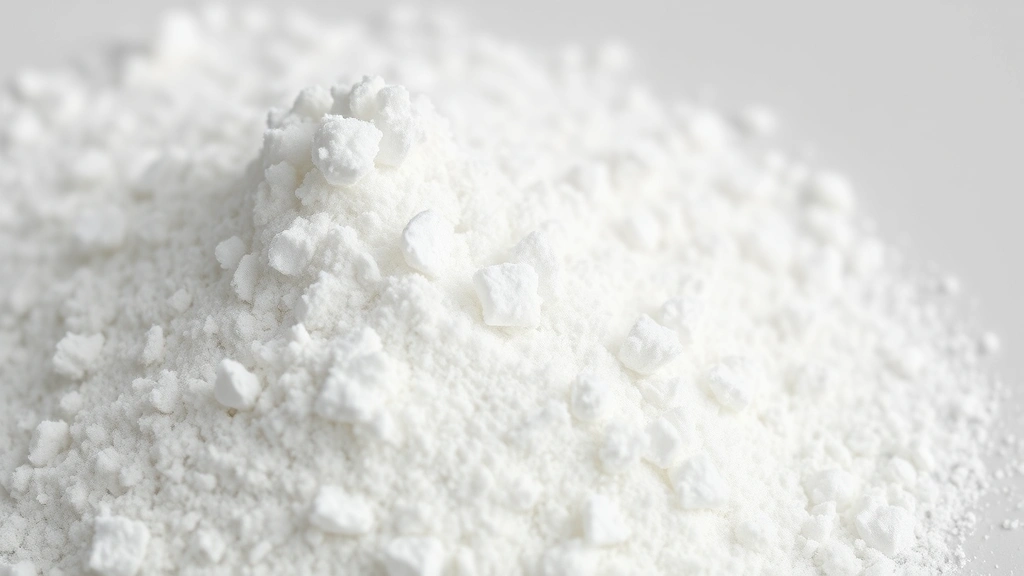
Optimum Nutrition Micronized Creatine Monohydrate is a powdered supplement containing creatine in its most basic and extensively studied form. Each serving delivers pure creatine monohydrate that has been micronized—broken into smaller particles—to improve mixing and absorption characteristics. The product contains no fillers, additives, or artificial ingredients, making it a straightforward supplementation choice for performance-focused individuals.
The brand’s commitment to quality extends through rigorous third-party testing and adherence to Good Manufacturing Practices (GMP). This level of quality assurance has contributed to Optimum Nutrition’s reputation as a reliable supplement manufacturer. For athletes looking to enhance athletic performance through strategic nutrition, this product offers a transparent, scientifically-backed option.
Packaged in various sizes from 300 grams to multiple-kilogram containers, Optimum Nutrition’s creatine accommodates both newcomers testing the supplement and experienced users maintaining consistent supplementation protocols.

The Science Behind Creatine Monohydrate
Creatine functions as a phosphate donor in muscle cells, directly supporting ATP (adenosine triphosphate) regeneration—the primary energy currency for muscular contractions. When you perform high-intensity exercise, your muscles rapidly deplete phosphocreatine stores. Creatine supplementation replenishes these stores, theoretically extending performance capacity during repeated explosive efforts.
The human body naturally produces creatine in the liver and kidneys, synthesized from amino acids glycine, arginine, and methionine. Dietary sources like red meat and fish provide additional creatine, but supplementation achieves concentrations far exceeding food sources. This endogenous production combined with dietary intake and supplementation creates a cumulative effect that enhances muscle phosphocreatine availability.
Monohydrate represents the most extensively researched creatine form, with over three decades of clinical studies documenting its efficacy and safety profile. Research from the National Institute of Health consistently demonstrates creatine monohydrate’s effectiveness across diverse athletic populations. This robust evidence base distinguishes monohydrate from newer, less-studied variants.
Micronization Technology Explained
Micronization involves grinding creatine particles to diameters typically between 2-5 microns, compared to conventional creatine at 20-40 microns. This size reduction dramatically increases surface area, improving dissolution rate and gastrointestinal absorption characteristics. Athletes supplementing with micronized creatine experience faster saturation of muscle phosphocreatine stores compared to non-micronized versions.
The practical benefits extend beyond absorption speed. Micronized creatine mixes more completely in liquids, eliminating the gritty texture and settling that plagued earlier creatine products. This improved mixability encourages consistent daily consumption, supporting adherence to supplementation protocols. For individuals maintaining strict meal planning and nutritional routines, this convenience factor contributes meaningfully to long-term success.
Optimum Nutrition’s micronization process maintains creatine’s chemical integrity while optimizing its physical properties. The result is a supplement that delivers superior bioavailability without compromising the extensive safety and efficacy data supporting creatine monohydrate supplementation.
Performance Benefits and Research
Clinical evidence supporting creatine supplementation focuses primarily on strength, power, and repeated sprint performance. Studies demonstrate consistent improvements in maximal strength output, with typical gains of 5-15% in bench press and leg press exercises following creatine loading protocols. These enhancements translate directly to increased training stimulus and accelerated strength development.
High-intensity interval training and repeated sprint activities show particularly pronounced benefits from creatine supplementation. Athletes performing multiple sets of explosive efforts experience less performance degradation across subsequent sets when adequately creatine-supplemented. This maintains training intensity and volume, indirectly supporting muscle growth through enhanced training quality.
Research published in the Journal of the International Society of Sports Nutrition establishes creatine as one of few supplements with robust evidence for performance enhancement. The position stand highlights creatine’s effectiveness across multiple sports and training modalities, from powerlifting to soccer to combat sports.
Beyond acute performance improvements, creatine supports long-term training adaptations. Enhanced training capacity allows progressive overload implementation, driving greater muscle hypertrophy and strength development. When integrated into comprehensive athlete nutrition optimization strategies, creatine becomes a valuable tool for cumulative performance gains.
Body composition improvements frequently accompany creatine supplementation, though mechanisms remain partially debated. Increased training intensity and volume contribute substantially, while potential metabolic effects and water retention patterns influence body weight and composition metrics. Athletes should expect initial weight increases of 1-2 kilograms attributable to intramuscular water retention, followed by lean mass gains from enhanced training stimulus.
Dosing and Usage Guidelines
Optimum Nutrition recommends a loading phase followed by maintenance dosing, though research demonstrates equally effective results with consistent maintenance dosing alone. The traditional loading protocol involves consuming 20 grams daily (typically 5 grams four times) for 5-7 days, followed by 3-5 grams daily maintenance. This approach saturates muscle creatine stores rapidly, producing performance benefits within 7-10 days.
Alternatively, consistent 3-5 gram daily dosing without loading achieves similar muscle saturation within 3-4 weeks. This approach eliminates the gastrointestinal distress some individuals experience during loading phases and requires less total powder consumption during the initial supplementation period. For individuals prioritizing convenience and simplicity, maintenance-only dosing represents an excellent strategy.
Timing considerations matter less than total daily intake and consistency. Consuming creatine with carbohydrates and protein enhances absorption through insulin-mediated mechanisms, making post-workout supplementation particularly effective. However, consistent daily intake at any time produces equivalent long-term results. Creating a sustainable routine that ensures daily consumption matters more than optimizing timing precision.
Water intake becomes increasingly important during creatine supplementation. Adequate hydration supports creatine transport into muscle cells and maintains performance during training. Athletes should increase water consumption proportionally to supplementation and training intensity, typically targeting 3-4 liters daily minimum depending on body weight and environmental conditions.
Safety Profile and Side Effects
Creatine monohydrate demonstrates an exceptional safety profile across decades of clinical research and practical application. Studies examining doses far exceeding recommended amounts show no significant adverse effects in healthy individuals. Comprehensive safety reviews confirm creatine’s compatibility with long-term supplementation, even among adolescent athletes when appropriate dosing guidelines are followed.
Common misconceptions regarding creatine and kidney function stem from misunderstandings about creatinine, a creatine metabolite used as a kidney function marker. Creatine supplementation increases creatinine production and urinary excretion, which may elevate serum creatinine levels slightly. This elevation reflects increased creatinine production rather than kidney dysfunction. Individuals with pre-existing kidney disease should consult healthcare providers before supplementation, but healthy individuals face minimal risk.
Gastrointestinal distress occasionally occurs during loading phases, manifesting as bloating, nausea, or digestive discomfort. These effects typically resolve by maintaining consistent hydration and potentially reducing loading doses. Some individuals experience muscle cramping, though research suggests this relates more to inadequate hydration and electrolyte balance than creatine itself.
Weight gain from intramuscular water retention represents a physiological effect rather than a side effect. Most athletes welcome the 1-2 kilogram initial increase, as it correlates with enhanced training performance and muscle fullness. Body composition improvements typically follow as training stimulus increases.
How to Integrate Into Your Routine
Successful creatine supplementation requires consistent daily intake integrated seamlessly into existing nutritional protocols. Begin by establishing a daily schedule—many athletes choose mixing creatine into post-workout beverages containing carbohydrates and protein, optimizing absorption while ensuring daily consumption. Others prefer morning coffee or breakfast routines, selecting timing based on personal preference and consistency potential.
Developing a comprehensive supplementation strategy requires understanding your broader nutritional foundation. Before adding creatine, ensure your foundational healthy nutrition plan supports optimal athletic development. Adequate total caloric intake, protein consumption, micronutrient sufficiency, and hydration establish the platform upon which creatine supplementation builds.
Tracking supplementation adherence helps identify patterns affecting consistency. Simple methods like checking off daily intake on a calendar or using habit-tracking applications provide visual accountability. Research demonstrates that individuals tracking supplementation habits maintain 85-90% consistency rates, compared to 50-60% for those relying on memory alone.
Combine creatine supplementation with structured training progressively overloading exercises and systematically increasing training volume. The synergistic effect of creatine’s performance-enhancing properties and progressive training stimulus produces optimal results. Without appropriate training structure, supplementation benefits plateau quickly, as muscle adaptation depends primarily on training stimulus.
Reassess supplementation effectiveness every 8-12 weeks. Monitor performance metrics including strength levels, training volume capacity, and body composition changes. Most athletes observe meaningful performance improvements within 4-6 weeks, though individual variation exists. If performance plateaus despite consistent supplementation and training, evaluate training programming modifications rather than supplementation changes.
Comparing with Competitors
Optimum Nutrition’s creatine competes directly with products from Dymatize, MuscleTech, and Transparent Labs, among others. All quality manufacturers offer creatine monohydrate at similar price points ($0.08-0.15 per gram typically), making differentiation based on formulation chemistry minimal. Optimum Nutrition distinguishes itself through brand reputation, consistent third-party testing, and reliable availability across major retailers.
Competitor products occasionally incorporate additional ingredients like betaine, taurine, or carbohydrate matrices claiming enhanced absorption or performance. Research supporting these additions remains limited compared to creatine monohydrate’s extensive evidence base. The pure micronized approach Optimum Nutrition employs aligns with evidence-based supplementation principles, avoiding unnecessary additives that increase cost without proportional benefit.
Pricing analysis reveals Optimum Nutrition’s creatine as competitively positioned without premium markup. Bulk purchasing (2-5 kilogram containers) reduces per-gram costs significantly, making long-term supplementation economical. Athletes committed to consistent creatine use benefit from bulk purchasing, reducing both cost and packaging waste.
Availability represents a practical advantage favoring Optimum Nutrition. Major retailers including Amazon, GNC, Vitamin Shoppe, and local supplement stores maintain consistent stock, eliminating sourcing challenges. This accessibility supports habit formation and supplementation adherence, as individuals can easily replenish supplies without specialized sourcing.
FAQ
How long does it take for creatine to work?
Loading protocols produce noticeable performance improvements within 7-10 days. Maintenance-only dosing requires 3-4 weeks to achieve equivalent muscle saturation. Individual variation exists based on muscle mass, training intensity, and hydration status. Most athletes observe consistent improvements after 4 weeks of supplementation.
Will creatine cause water retention?
Yes, creatine draws water intramuscularly, increasing muscle cell volume by 1-2 kilograms initially. This intramuscular retention enhances performance and muscle appearance. Subcutaneous (under-skin) water retention rarely occurs with appropriate hydration and is not a legitimate concern with quality creatine products.
Is creatine safe for teenagers?
Research demonstrates creatine safety in adolescents when appropriate dosing (3-5 grams daily) is maintained and adequate hydration is ensured. Consultation with healthcare providers remains advisable for individuals under 18, particularly those with pre-existing medical conditions. Parental supervision of supplementation routines is recommended.
Can women use creatine supplementation?
Absolutely. Creatine provides equivalent performance benefits for women as men. Dosing recommendations remain identical regardless of sex. Women should not expect virilizing effects or hormonal disruption from creatine monohydrate supplementation.
Should I cycle creatine supplementation?
Research does not support cycling creatine. Continuous supplementation maintains elevated muscle creatine stores and performance benefits. Discontinuing supplementation allows muscle creatine to return to baseline within 4-6 weeks. Consistent year-round supplementation maximizes training stimulus and performance adaptations.
What’s the best way to mix Optimum Nutrition creatine?
Micronized creatine mixes effectively in any liquid—water, juice, protein shakes, or coffee. Mixing with carbohydrate-containing beverages optimizes absorption through insulin-mediated mechanisms. Stir thoroughly and consume immediately, as creatine settles over time. Some athletes prefer pre-mixing in shaker bottles for convenient daily consumption.
Does creatine interact with medications?
No significant interactions exist between creatine monohydrate and common medications. Individuals taking prescription medications should consult healthcare providers before supplementation, though creatine’s interaction risk profile remains minimal. Those with kidney disease or taking nephrotoxic medications should seek medical guidance before supplementation.
Can creatine improve cognitive function?
Emerging research suggests creatine may support cognitive performance, particularly in vegetarians and individuals with lower baseline creatine stores. Benefits appear modest compared to physical performance enhancements. Preliminary studies indicate potential cognitive applications, though further research is needed before definitive recommendations can be established.