Orange Chicken Nutrition? Dietitian Explains
Orange chicken has become a beloved staple in American Chinese restaurants and frozen food aisles, captivating millions with its tangy-sweet glaze and crispy exterior. But beneath that golden coating lies a nutritional story that deserves closer examination. As a dietitian perspective on this popular dish, understanding what you’re consuming is essential for making informed dietary choices that align with your health goals.
The challenge with orange chicken is that its appeal often overshadows nutritional reality. Most commercial versions—whether from Panda Express, frozen dinner brands, or takeout establishments—pack surprising amounts of calories, sodium, and sugar into a single serving. This comprehensive guide breaks down the orange chicken nutrition profile, explores what makes it nutritionally problematic, and provides strategies for enjoying this dish more mindfully.
What Is Orange Chicken?
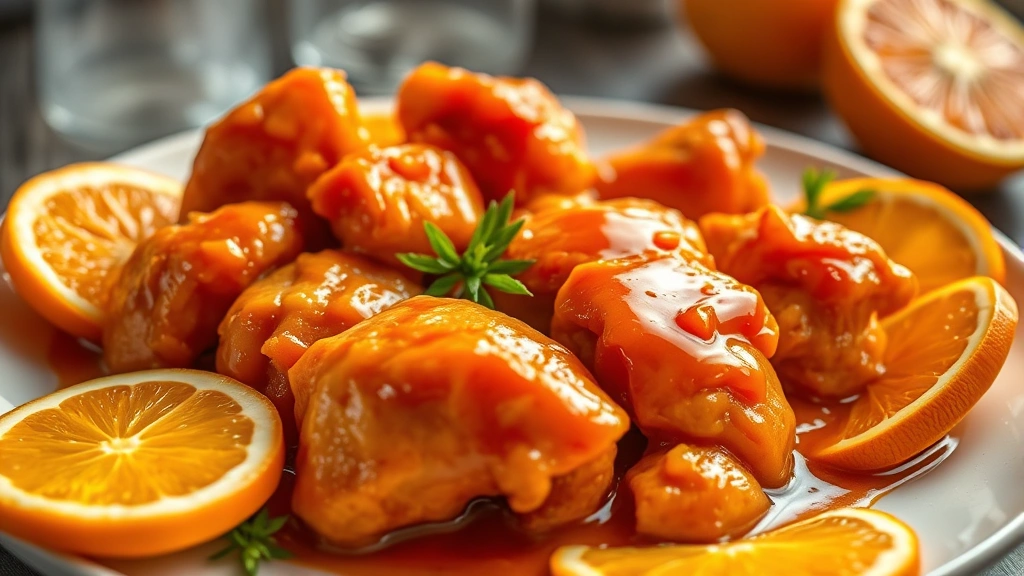
Orange chicken represents a fascinating culinary fusion that emerged from Chinese-American cuisine rather than traditional Chinese cooking. The dish typically consists of bite-sized chicken pieces that are breaded, deep-fried until crispy, and coated in a thick, glossy sauce made primarily from orange juice concentrate, sugar, and various seasonings. The sauce often includes soy sauce, garlic, ginger, and chili peppers, creating that distinctive balance of sweet, savory, and slightly spicy flavors.
The preparation method is where the nutritional complications begin. The chicken undergoes a breading process using refined flour, which adds empty calories without significant nutritional benefit. Then it’s deep-fried in oil, dramatically increasing the fat content. Finally, the sweet glaze—the signature element—adds substantial sugar that transforms a protein-based dish into something closer to dessert nutritionally. Understanding this composition is crucial for evaluating the orange chicken nutrition facts you’ll encounter.
What makes orange chicken particularly interesting from a dietary perspective is its psychological appeal. The combination of textures (crispy outside, tender inside), flavors (the citrus-sweet coating), and presentation makes it difficult to stop eating, which can lead to consuming larger portions than intended. This sensory satisfaction is deliberate in restaurant formulations, designed to encourage repeat purchases and larger orders.
Calorie Content and Macronutrients
A typical serving of orange chicken from a major fast-casual chain contains approximately 380-420 calories per serving, though portion sizes vary considerably. A full entree—what most restaurants serve as a standard portion—can contain 600-800 calories depending on the establishment and preparation method. For context, this represents 30-40% of a typical 2,000-calorie daily diet from a single dish.
Breaking down the macronutrient composition reveals the nutritional imbalance. A standard serving contains roughly 15-18 grams of protein, which comes primarily from the chicken itself. However, the carbohydrate content is significantly higher, typically ranging from 35-45 grams per serving. Of particular concern, a substantial portion of these carbohydrates comes from added sugars rather than complex carbohydrates or fiber. The fat content ranges from 17-22 grams per serving, predominantly from the deep-frying process and oils used in the sauce.
This macronutrient ratio—heavy on carbs and fat while moderate in protein—creates a nutritionally unbalanced meal. The protein-to-calorie ratio is suboptimal for satiety; you’re consuming significant calories without the sustained fullness that higher protein intake provides. This is why many people find themselves hungry again shortly after eating orange chicken, despite the calorie intake. When building a healthy nutrition plan, this macronutrient profile should be considered carefully.
Sodium and Sugar Concerns
Perhaps the most concerning aspect of orange chicken nutrition is its sodium content. A single serving typically contains 800-1,200 milligrams of sodium, which represents 35-50% of the recommended daily intake of 2,300 milligrams. Consuming a full entree can push you past the entire daily recommendation in one meal. This excessive sodium intake is particularly problematic for individuals with hypertension, heart disease, or those monitoring their blood pressure.
The sugar content is equally alarming from a dietary standpoint. A typical serving contains 25-35 grams of added sugar, primarily from the orange glaze. To put this in perspective, the American Heart Association recommends no more than 25 grams of added sugar daily for women and 36 grams for men. A single orange chicken entree can exceed these limits in one sitting. This sugar concentration contributes to rapid blood glucose spikes and subsequent crashes, leading to energy fluctuations and potential cravings for additional sugary foods.
The combination of high sodium and high sugar is particularly problematic because both contribute to inflammation in the body. Chronic inflammation is linked to numerous health conditions, including cardiovascular disease, type 2 diabetes, and metabolic dysfunction. The sauce—the defining element of orange chicken—is essentially a delivery mechanism for these two problematic nutrients. Understanding these concerns is fundamental to making informed decisions about incorporating this dish into your diet.
Research from the American Heart Association emphasizes the cumulative effect of sodium and sugar intake on cardiovascular health, particularly when consumed regularly.
Micronutrient Analysis
While orange chicken’s macronutrient profile is concerning, its micronutrient content is relatively modest. The dish provides some iron from the chicken, contributing approximately 1-2 milligrams per serving. However, the bioavailability of this iron is reduced because it’s consumed with high levels of sugar and processed ingredients that interfere with absorption.
The vitamin C content comes primarily from the orange juice in the sauce, typically providing 10-15% of the daily recommended intake. However, this benefit is negligible compared to the sugar and sodium burden. The B vitamins present in the chicken—particularly B6 and niacin—are partially retained despite the cooking process, contributing modestly to energy metabolism.
Calcium and magnesium content is minimal, as the dish contains no dairy products and the vegetables are typically absent or minimal. This micronutrient poverty is characteristic of heavily processed foods; the deep-frying and high-heat cooking processes degrade heat-sensitive vitamins, while the refined flour and added sugars provide little nutritional value beyond calories.
For those seeking to maintain optimal micronutrient intake, orange chicken should ideally be accompanied by nutrient-dense sides like steamed vegetables or whole grains. Better yet, consider pairing it with foods rich in dietary fiber to mitigate the blood sugar impact.
Comparison to Other Dishes
To contextualize orange chicken’s nutritional profile, comparing it to other common restaurant dishes provides valuable perspective. A grilled chicken breast with steamed vegetables and brown rice contains similar calories (around 400-450) but with dramatically different macronutrient distribution: higher protein (35-40g), lower sugar (less than 5g added), and significantly lower sodium (400-500mg).
When compared to other Chinese-American favorites, orange chicken falls in the middle range for calories but ranks among the highest for sugar content. Fried rice dishes typically contain 300-350 calories with better protein distribution, though sodium remains high. General Tso’s chicken, often considered equally indulgent, actually contains similar calorie and sugar levels, making the choice between them nutritionally comparable.
Interestingly, orange chicken compares unfavorably to many fast-food burger options when analyzed purely on macronutrient basis. A typical fast-food burger contains 500-550 calories with higher protein (25-30g) and similar sodium, but significantly less added sugar (5-10g versus 25-35g). This comparison challenges the assumption that Asian cuisine is inherently healthier than Western fast food.
For those interested in making better dietary choices overall, reviewing our nutrition facts about avocados and other whole foods can provide context for nutrient density comparisons.

Healthier Preparation Methods
If you love orange chicken but want to reduce the nutritional burden, several preparation modifications can significantly improve the dish’s health profile. The most impactful change is reducing or eliminating the deep-frying step. Baking chicken pieces at 425°F for 20-25 minutes achieves crispiness through the Maillard reaction without the added oil calories. This single change can reduce fat content by 50-60% and total calories by 100-150 per serving.
Modifying the sauce is equally important. Instead of using concentrated sugar-laden orange juice, fresh orange juice combined with a small amount of honey provides flavor with better nutritional integrity. Adding more fresh ginger and garlic enhances flavor without additional sugar. Reducing the overall sauce quantity—using just enough to coat the chicken rather than creating a thick glaze—significantly decreases both sodium and sugar intake. A modified sauce can reduce sugar content from 30g to under 10g per serving.
Adding vegetables directly to the dish transforms it nutritionally. Incorporating bell peppers, snap peas, broccoli, and carrots adds fiber, vitamins, and minerals while increasing satiety without excessive calories. The vegetables provide textural variety that makes smaller portions more satisfying. This approach aligns with building a comprehensive meal planning strategy that balances indulgence with nutrition.
Using alternative proteins can also improve the nutritional profile. Firm tofu, shrimp, or lean turkey breast can replace chicken while maintaining the dish’s character. Tofu particularly benefits from the orange glaze and provides additional nutrients along with lower saturated fat content. These modifications demonstrate that enjoying flavorful foods doesn’t require accepting poor nutritional compromise.
Portion Control Strategies
If you’re unwilling to eliminate orange chicken from your diet—and indeed, complete elimination isn’t necessary for most people—strategic portion control becomes essential. The standard restaurant serving size of 1.5-2 cups is excessive for a single component of a meal. Reducing your portion to 3/4 cup to 1 cup of orange chicken decreases calorie intake by 30-40% while maintaining the satisfaction of enjoying the dish.
One effective strategy is the “half plate” method: fill half your plate with non-starchy vegetables, one quarter with orange chicken, and one quarter with a whole grain like brown rice or quinoa. This approach automatically controls orange chicken portion size while creating nutritional balance. The vegetables and whole grains provide fiber that slows sugar absorption and increases satiety.
Frequency matters significantly. If orange chicken is an occasional treat consumed once monthly, its nutritional impact is minimal. However, if consumed weekly or multiple times weekly, the cumulative effect of excess sodium, sugar, and calories becomes problematic. Consider establishing a personal guideline—perhaps once every two weeks—that allows enjoyment while minimizing health impact.
Pairing orange chicken with water rather than sugary beverages, and consuming it with other nutrient-dense foods, helps mitigate its nutritional drawbacks. Eating slowly and mindfully, rather than consuming rapidly while distracted, allows satiety signals to register, typically resulting in smaller portions consumed.

Research from CDC Nutrition Guidelines emphasizes that portion control and food frequency are often more important than complete elimination for maintaining long-term dietary health.
FAQ
Is orange chicken healthy?
Orange chicken is not considered a healthy food in nutritional terms. A typical serving contains excessive sodium (35-50% of daily limits), high added sugar (often exceeding daily recommendations), and poor macronutrient balance. However, occasional consumption as part of a balanced diet isn’t inherently harmful for most people.
How many calories are in orange chicken?
A standard restaurant serving contains 380-420 calories, while a full entree typically ranges from 600-800 calories. Homemade versions can be prepared with fewer calories through baking instead of frying and reducing sauce quantity.
Can I eat orange chicken on a diet?
Yes, but with modifications. Reduce portion sizes to 3/4 cup to 1 cup, prepare it with baking instead of frying, modify the sauce to reduce sugar and sodium, and pair it with vegetables and whole grains. Limiting frequency to once every two weeks or monthly also helps maintain overall dietary goals.
What’s the sodium content in orange chicken?
Typical servings contain 800-1,200mg sodium, representing 35-50% of the recommended 2,300mg daily limit. This is a significant concern for those managing hypertension or cardiovascular health.
How much sugar is in orange chicken?
Most restaurant versions contain 25-35 grams of added sugar per serving, often exceeding daily recommendations in a single meal. Homemade versions can reduce this to under 10 grams through sauce modification.
What’s a healthier alternative to orange chicken?
Grilled chicken with fresh orange sauce, stir-fried chicken with vegetables, or baked chicken with light citrus seasoning provide similar flavors with superior nutritional profiles. These alternatives maintain the appeal while significantly reducing calories, sodium, and sugar.
Does orange chicken have nutritional value?
Orange chicken provides moderate protein from the chicken itself and some vitamin C from the orange juice. However, these benefits are minimal compared to the nutritional drawbacks of excessive sodium, sugar, and calories from the deep-frying and glaze.


