Pad Thai Nutrition Facts: Dietitian Insights
Pad Thai stands as one of the most beloved Thai dishes worldwide, gracing restaurant menus and home kitchens with its perfect balance of sweet, sour, salty, and spicy flavors. Yet beneath its delicious appeal lies a complex nutritional profile that warrants careful examination. Understanding the pad thai nutrition content is essential for anyone seeking to make informed dietary choices while still enjoying this iconic Southeast Asian favorite.
As a registered dietitian, I’ve encountered countless clients curious about whether pad thai fits within their health goals. The answer isn’t straightforward—it depends on preparation methods, portion sizes, and ingredient quality. This comprehensive guide breaks down the nutritional components of pad thai, explores how different versions compare, and provides actionable strategies for enjoying this dish as part of a balanced diet.
Pad Thai Nutrition Overview
A standard serving of pad thai (approximately 2 cups or 300 grams) typically contains 400-500 calories, though this figure fluctuates significantly based on cooking oil quantity and protein additions. Traditional pad thai made with shrimp, peanuts, and tamarind paste represents the most common restaurant preparation, but numerous variations exist throughout Thailand and internationally.
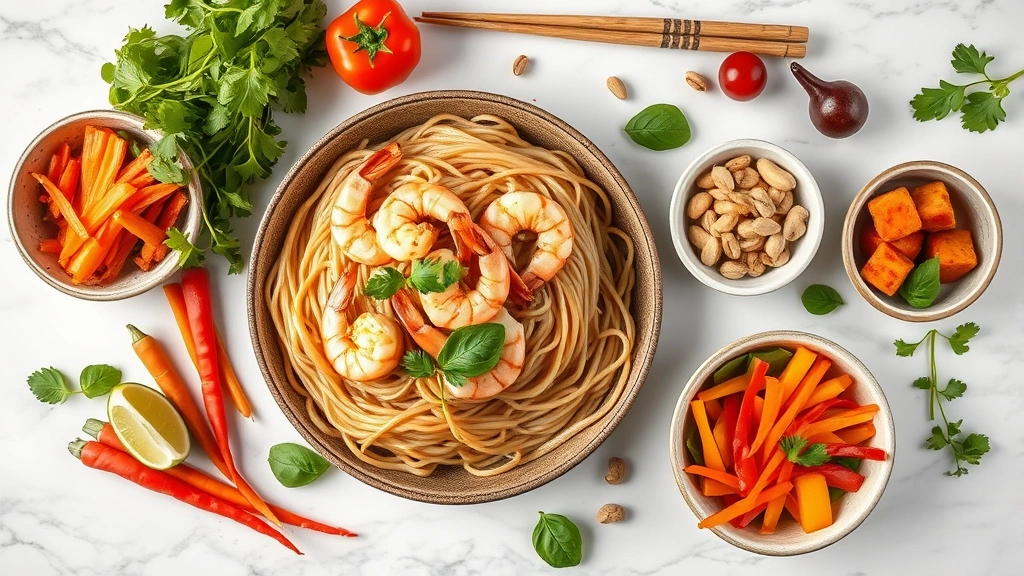
The nutritional complexity of pad thai stems from its diverse ingredient list. Rice noodles form the carbohydrate base, while eggs, shrimp or chicken provide protein. Peanuts contribute both fat and additional protein, creating a dish that’s moderately balanced across macronutrient categories. However, the cooking method—typically stir-frying in substantial oil—significantly impacts the final nutritional composition.
According to American Heart Association guidelines, understanding the complete nutritional picture of dishes like pad thai helps consumers make choices aligned with cardiovascular health. The key lies in recognizing both the beneficial components and potential areas of concern within this beloved dish.
Macronutrient Breakdown
Pad thai presents an interesting macronutrient distribution that differs from typical Western meals. A standard serving contains approximately:
- Carbohydrates: 40-50 grams, primarily from rice noodles
- Protein: 15-20 grams, from shrimp, eggs, and peanuts
- Fat: 15-20 grams, from cooking oil and peanuts
The carbohydrate content deserves particular attention, as rice noodles are refined carbohydrates lacking the fiber found in whole grain alternatives. This means pad thai can cause relatively rapid blood sugar elevation in some individuals. However, when prepared with adequate protein and fat—both of which slow digestion—the glycemic impact becomes more moderate.
The fat composition in pad thai varies considerably. Traditional preparations use peanut oil, which contains monounsaturated fats and some polyunsaturated fats, making it relatively heart-healthy compared to saturated fat-heavy cooking methods. The peanuts themselves contribute additional beneficial fats, though their caloric density means portion awareness remains important.
Dietary fiber content typically ranges from 2-4 grams per serving, depending on vegetable inclusion. This is relatively modest, which is why incorporating pad thai into the importance of dietary fiber for your health awareness is crucial for maintaining adequate daily fiber intake.
Sodium and Health Implications
One of the most significant nutritional concerns with pad thai is its sodium content. A typical restaurant serving contains 1,200-2,000 milligrams of sodium—potentially exceeding half the recommended daily limit in a single meal. This high sodium level comes from multiple sources: tamarind paste, fish sauce, soy sauce, and salt added during cooking.
For individuals managing hypertension or following healthy nutrition plan guidelines, this sodium concentration poses legitimate health concerns. Chronic high sodium intake correlates with elevated blood pressure, increased cardiovascular disease risk, and fluid retention. However, occasional consumption of restaurant pad thai within an otherwise sodium-conscious diet remains manageable for most healthy individuals.
The sodium issue becomes particularly relevant when pad thai appears as part of a meal pattern. If consumed alongside other sodium-rich foods, the cumulative intake can easily exceed safe thresholds. Conversely, making pad thai at home with reduced salt and controlled condiment amounts allows for significant sodium reduction—potentially cutting intake to 600-800 milligrams per serving.
Research from CDC nutrition resources emphasizes that awareness of hidden sodium in prepared dishes represents a critical component of dietary management for cardiovascular health.
Protein Content Analysis
Pad thai’s protein content varies substantially based on the protein source selected. Traditional shrimp-based pad thai provides approximately 18-20 grams of complete protein per serving, containing all nine essential amino acids. Shrimp also delivers astaxanthin, a powerful antioxidant with anti-inflammatory properties.
Chicken-based versions typically offer 16-18 grams of protein, slightly less than shrimp but still substantial. Tofu variations provide 12-15 grams of protein, making them suitable for vegetarian diets, though tofu is an incomplete protein requiring complementary amino acid sources. The eggs incorporated into pad thai add approximately 6-8 grams of additional protein while providing choline, important for cognitive function.
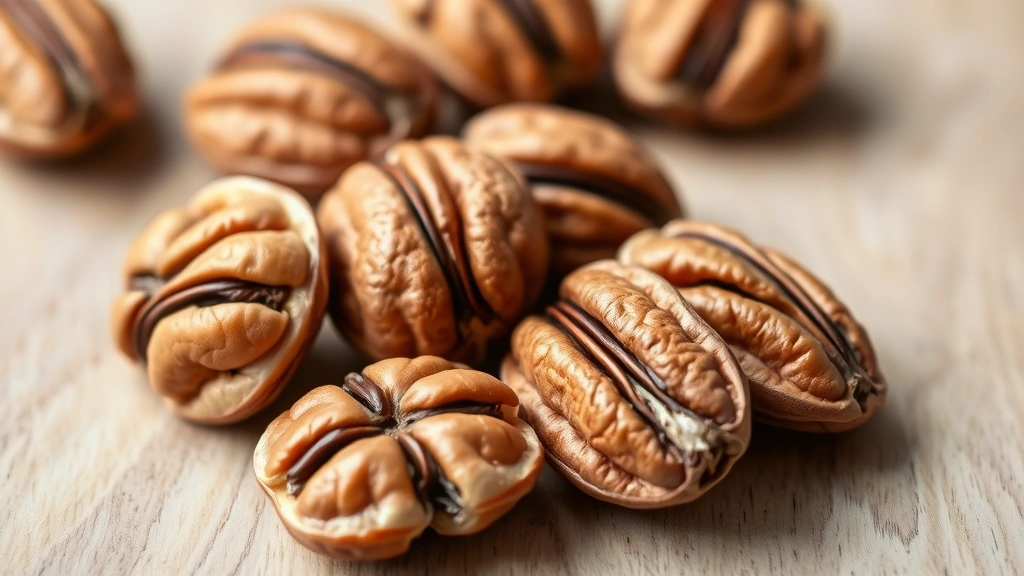
Peanuts contribute another 6-8 grams of protein per serving, along with beneficial minerals like magnesium and manganese. This protein diversity means pad thai can serve as a reasonably complete protein source when properly prepared, supporting satiety and muscle maintenance. For athletes, nutrition for athletes optimizing performance through diet requires adequate protein, making pad thai a viable meal option when portion-controlled.
The protein quality in pad thai improves significantly when multiple protein sources combine—shrimp, eggs, and peanuts together create a complementary amino acid profile superior to any single source alone.
Carbohydrates and Glycemic Impact
The rice noodles forming pad thai’s foundation are refined carbohydrates with a relatively high glycemic index. This means they digest quickly, potentially causing rapid blood sugar spikes followed by energy crashes. For individuals with diabetes or prediabetes, this characteristic requires careful management.
However, the complete pad thai dish presents a different glycemic scenario than noodles alone. The protein and fat content slow carbohydrate digestion, moderating blood sugar response. Studies examining mixed meals demonstrate that adding protein and fat to refined carbohydrates reduces postprandial glucose elevation by approximately 25-40% compared to carbohydrates consumed alone.
Vegetables incorporated into pad thai—typically bean sprouts, carrots, and scallions—add fiber and micronutrients while contributing minimal calories. Increasing vegetable content represents one of the most effective strategies for improving pad thai’s nutritional profile. Some creative preparations substitute zucchini noodles or brown rice noodles for traditional white rice noodles, substantially reducing the glycemic load while increasing fiber content.
The tamarind paste, while contributing to sodium content, provides some beneficial compounds including tartaric acid and polyphenols with potential antioxidant properties. This doesn’t offset the high sodium concern but does contribute minor nutritional value beyond simple flavor.
Healthier Preparation Methods
Creating nutritionally improved pad thai begins with ingredient selection and cooking techniques. Using brown rice noodles instead of white varieties increases fiber from approximately 1 gram to 3-4 grams per serving, improving digestive health and sustained energy. Some health-conscious cooks employ vegetable-based noodle alternatives, dramatically reducing carbohydrate content while maintaining satisfying texture.
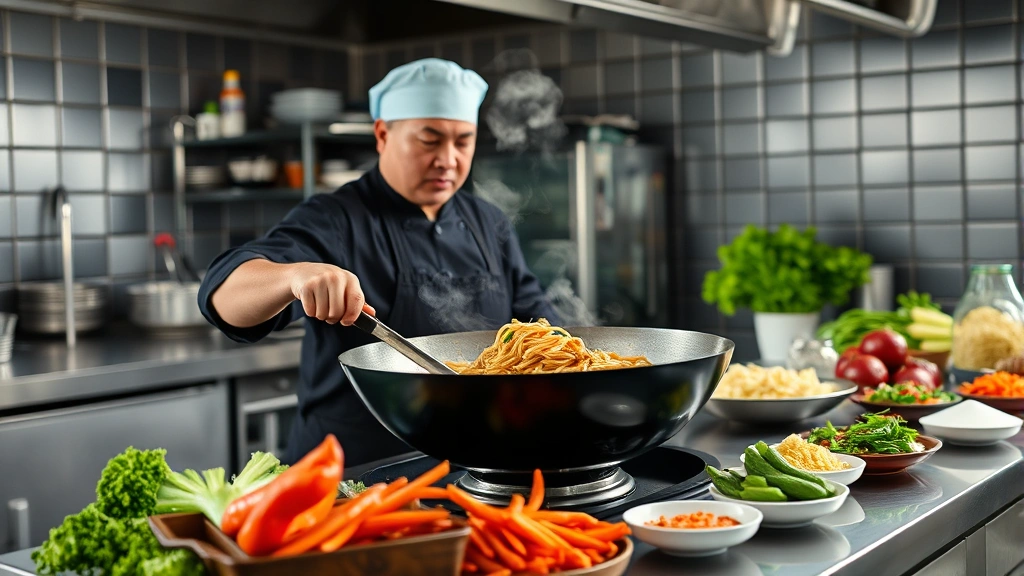
Oil quantity represents another critical modification point. Traditional wok cooking uses substantial oil for high-heat stir-frying, contributing significant calories. Using cooking spray or minimal oil while maintaining heat through proper wok technique achieves similar results with 30-40% fat reduction. Alternatively, air-frying pad thai ingredients creates comparable texture with minimal oil addition.
Protein source selection impacts both nutrition and environmental sustainability. Shrimp and chicken remain traditional choices, but including eggs increases egg content from one to two, boosting protein and micronutrient density. Plant-based proteins like tofu or tempeh offer lower environmental impact while maintaining adequate amino acid content when combined with peanuts.
Vegetable incorporation deserves emphasis. Doubling traditional vegetable amounts—adding extra broccoli, bell peppers, mushrooms, and snap peas—increases fiber, vitamins, and minerals while adding negligible calories. This vegetable expansion creates greater satiety, often reducing total portion consumption despite increased volume.
Condiment modifications provide substantial sodium reduction. Using low-sodium soy sauce or tamari, reducing fish sauce quantity, and minimizing added salt can decrease sodium by 400-600 milligrams per serving. Lime juice and fresh chilies provide flavor complexity without sodium, compensating for reduced condiment amounts.
Comparing Restaurant vs Homemade
Restaurant pad thai typically contains 50-100% more calories than home-prepared versions, primarily due to oil quantity and portion size. Professional kitchen operations prioritize flavor and speed over nutritional optimization, resulting in generous oil use and larger servings than necessary for satiety.
A restaurant serving often exceeds 550 calories, while home-prepared pad thai using the healthier techniques discussed above can remain in the 350-400 calorie range. The sodium difference proves even more dramatic—restaurant versions frequently exceed 2,000 milligrams while home versions can achieve 600-800 milligrams with careful condiment management.
Micronutrient content differs substantially as well. Restaurants often use pre-made sauces and minimal fresh vegetables, reducing vitamin and mineral density. Home preparation allows for generous fresh vegetable inclusion, significantly boosting vitamins A and C, potassium, and antioxidant content.
Quality of ingredients represents another distinction. Home cooks can source high-quality proteins—wild-caught shrimp, pasture-raised eggs, organic vegetables—while restaurant operations prioritize cost-effectiveness. These ingredient quality differences impact not only nutritional value but also the presence of beneficial compounds like omega-3 fatty acids in quality seafood.
Customization represents perhaps the greatest advantage of home preparation. Individuals with specific nutritional needs or preferences can adjust pad thai precisely to their requirements, whether reducing carbohydrates for diabetes management, increasing protein for athletic performance, or emphasizing anti-inflammatory ingredients as discussed in nutrition and mental health research.
Integration Into Dietary Plans
Pad thai can fit within virtually any dietary approach when prepared thoughtfully and portion-controlled. For weight management, emphasizing home preparation with vegetable volume and moderate oil creates satisfying meals under 400 calories. The protein content supports satiety, often resulting in naturally reduced subsequent calorie intake.
Mediterranean diet followers can enjoy pad thai by emphasizing seafood protein, using olive oil instead of peanut oil, and increasing vegetable content. The dish’s anti-inflammatory potential improves when prepared this way, aligning with Mediterranean principles.
Low-carbohydrate or ketogenic dieters can modify pad thai substantially by substituting vegetable noodles for rice noodles, maintaining protein and fat content while reducing carbohydrates to 10-15 grams per serving. The peanut sauce and oil content actually support ketogenic macronutrient targets when noodles are replaced.
For individuals managing diabetes, pad thai works when prepared with brown or vegetable noodles, emphasizing protein and vegetables while minimizing added oil and condiment sodium. Pairing pad thai with a substantial salad further increases fiber and vegetable intake, improving glycemic response.
Athletic populations can leverage pad thai’s carbohydrate-protein combination effectively. Post-workout, the refined carbohydrates and protein support glycogen replenishment and muscle protein synthesis. Pre-workout, the fat and protein provide sustained energy without excessive volume that might cause discomfort.
Following nutrition facts about avocados and other whole food guidelines, pad thai represents an occasional treat rather than dietary staple for optimal health. However, when prepared with the modifications discussed, it becomes a reasonable regular menu item within balanced nutrition plans.
The key to integration involves frequency and portion awareness. Consuming pad thai weekly as a controlled 350-400 calorie meal fits within most health goals, while daily consumption or oversized restaurant portions conflicts with optimal nutrition.

” alt=”Professional chef preparing pad thai in commercial wok with fresh vegetables and ingredients visible on counter” />
Consulting with Nutrients Pathway Blog resources provides additional guidance for personalizing pad thai to individual health objectives and dietary restrictions.
Micronutrient Content and Health Benefits
Beyond macronutrients, pad thai provides valuable micronutrients often overlooked in basic nutritional analysis. Shrimp delivers selenium, crucial for thyroid function and antioxidant defense. Eggs contribute lutein and zeaxanthin, carotenoids supporting eye health. Peanuts provide vitamin E, a fat-soluble antioxidant protecting cellular membranes.
The vegetables in pad thai contribute significant micronutrient value. Bean sprouts provide vitamin C and K, supporting immune function and bone health. Carrots contribute beta-carotene, converted to vitamin A for vision and immune support. Scallions add additional vitamin K and quercetin, a flavonoid with anti-inflammatory properties.
Tamarind paste, despite its sodium contribution, contains polyphenols with potential antioxidant and anti-inflammatory benefits. Some research suggests tamarind may support digestive health through prebiotic effects, though human studies remain limited. The spiciness from chilies contributes capsaicin, which may enhance metabolism and provide pain relief properties.
The combination of ingredients creates a synergistic nutritional profile. The vitamin C from vegetables and tamarind enhances iron absorption from plant sources. The fat from peanuts and cooking oil facilitates absorption of fat-soluble vitamins from vegetables. This complementary nutrient absorption represents a nutritional advantage of pad thai’s complex ingredient composition.
Special Populations and Modifications
Pregnant women should note that pad thai’s raw components (bean sprouts) occasionally harbor bacteria like Listeria. Thoroughly cooking all ingredients, including sprouts, eliminates this risk. Additionally, ensuring adequate iodine intake remains important, as fish sauce provides some iodine while other pad thai components don’t.
Individuals with shellfish allergies must obviously avoid shrimp-based versions, but chicken or tofu variations work equally well. Those with peanut allergies can substitute sesame seeds or sunflower seeds for similar texture and nutritional contribution, though this requires careful cross-contamination prevention in restaurant settings.
Older adults benefit from pad thai’s protein content supporting muscle maintenance, a concern for preventing sarcopenia. However, the sodium content requires careful consideration for those managing hypertension, common in aging populations. Home preparation with reduced sodium represents the ideal approach.
Children generally enjoy pad thai, though parents should monitor spice levels and ensure adequate vegetable inclusion. The balanced macronutrient profile supports healthy growth and development, though portion sizes should reflect smaller caloric needs compared to adults.
Sustainability and Ethical Considerations
Beyond personal nutrition, pad thai’s environmental impact warrants consideration. Shrimp farming in Southeast Asia raises sustainability concerns regarding mangrove destruction and pollution. Choosing wild-caught shrimp from sustainable fisheries or plant-based proteins represents more environmentally conscious options.
The peanut industry, while generally sustainable, involves pesticide use and monoculture farming concerns. Sourcing organic peanuts or peanut products supports more sustainable agricultural practices. Similarly, choosing organic vegetables when available reduces pesticide exposure while supporting environmental stewardship.
Rice noodle production typically requires substantial water resources, though less than rice cultivation itself. Considering the complete environmental footprint of pad thai—from ingredient production through transportation to preparation—can inform choices toward more sustainable dining.
Supporting restaurants and producers using sustainable sourcing, fair-trade ingredients, and environmentally conscious practices aligns personal nutrition with broader environmental values.
” alt=”Overhead view of nutritionist analyzing food data on tablet with healthy meal components and measurement tools on wooden desk” />
FAQ
How many calories are in pad thai?
A standard restaurant serving contains 400-550 calories, while home-prepared versions using healthier techniques range from 350-450 calories. Exact amounts depend on oil quantity, protein source, and portion size.
Is pad thai high in sodium?
Yes, restaurant pad thai typically contains 1,200-2,000 milligrams of sodium per serving—exceeding recommended daily limits in a single meal. Home preparation with reduced condiments can achieve 600-800 milligrams per serving.
Can I eat pad thai on a diet?
Absolutely. Home-prepared pad thai with vegetables, moderate oil, and controlled portions fits within most weight management plans. The protein content supports satiety, often naturally reducing overall calorie intake.
What’s the best protein for pad thai?
Shrimp provides complete protein with minimal fat, while eggs add choline and micronutrients. Combining protein sources—shrimp, eggs, and peanuts—creates optimal amino acid profiles. Tofu offers plant-based alternatives when paired with peanuts.
How can I make pad thai healthier?
Use brown or vegetable noodles, minimize cooking oil, maximize vegetables, reduce condiment sodium, and control portions. These modifications can reduce calories by 100-150 and sodium by 50% while improving nutritional quality.
Is pad thai suitable for diabetics?
Traditional pad thai’s refined carbohydrates require careful management. However, versions using vegetable or brown rice noodles, emphasizing protein and vegetables, and minimizing sugar in sauce work well within diabetic meal plans.
Does pad thai contain gluten?
Traditional pad thai prepared with rice noodles is naturally gluten-free. However, soy sauce and some prepared sauces contain gluten. Requesting tamari or certified gluten-free soy sauce ensures safety for celiac or gluten-sensitive individuals.
What vegetables should I add to pad thai?
Broccoli, bell peppers, mushrooms, snap peas, carrots, and leafy greens all work excellently. These additions increase fiber, vitamins, and minerals while adding volume and satiety with minimal calories.