Panda Express Nutrition? Dietitian Insights on Making Smarter Choices
Fast-casual Chinese cuisine has become a staple in American dining, with Panda Express serving millions of customers annually. However, navigating nutrition at this popular chain requires strategy. Many diners assume all menu items carry equal nutritional consequences, but understanding the caloric density, sodium content, and macronutrient profiles can dramatically shift your health outcomes. This guide provides evidence-based insights from nutrition professionals on how to use a Panda Express nutrition calculator effectively and make informed decisions that align with your dietary goals.
The challenge isn’t avoiding Panda Express entirely—it’s developing the literacy to decode menu options. With entrées ranging from 190 to 800+ calories, sides that vary wildly in sodium, and sauces that can double a dish’s sugar content, the difference between a nutritious meal and a nutritional minefield often comes down to specific selections. Registered dietitians increasingly recommend transparency tools and nutritional awareness as practical harm-reduction strategies for fast-casual dining.
Understanding Panda Express Nutrition Data
Panda Express publishes comprehensive nutritional information through their official website and third-party databases, making it one of the more transparent fast-casual chains. Each menu item lists calories, total fat, saturated fat, trans fat, cholesterol, sodium, carbohydrates, dietary fiber, sugars, and protein. The challenge lies in interpreting these numbers within the context of individual dietary needs and daily macronutrient targets.
A typical entrée at Panda Express ranges from 190 calories (Broccoli Beef, without rice) to 820 calories (Hot Ones Blazing Bourbon Chicken). This 430-calorie spread demonstrates why blanket recommendations fail. Someone following a 2,000-calorie daily intake needs different guidance than someone on a 1,500-calorie plan or an athlete consuming 3,500 calories. The Nutrition Solutions framework helps personalize these recommendations based on individual metabolic profiles.
Sodium presents the most consistent concern across Panda Express offerings. According to Pew Research Center data on American dietary patterns, the average American consumes approximately 3,400 mg of sodium daily, nearly 50% above the recommended 2,300 mg limit. A single Panda Express entrée often contains 600-1,200 mg of sodium—potentially 26-52% of daily recommended intake in one meal. This becomes particularly problematic when combined with rice, beverages, and desserts.
Protein content varies significantly by protein source. Grilled teriyaki chicken provides approximately 19g protein per entrée, while beef and shrimp options deliver 16-18g. Plant-based options like Beyond Orange Chicken contain 13g protein, making them less ideal for those prioritizing muscle maintenance or satiety. Understanding nutrient absorption becomes relevant when considering protein quality and amino acid profiles across different protein sources.
Decoding Menu Items by Macronutrient Profile
Panda Express menu items fall into distinct nutritional categories. Lowest-calorie entrées include Broccoli Beef (190 cal), String Bean Chicken Breast (210 cal), and Mushroom Chicken (220 cal). These options excel for calorie-restricted diets but tend toward lower protein and higher carbohydrate ratios. They work best as part of a balanced meal with added protein sources.
The moderate-calorie, high-protein tier includes Grilled Teriyaki Chicken (380 cal, 19g protein), Black Pepper Angus Steak (400 cal, 17g protein), and Sizzling Shrimp (410 cal, 16g protein). These entrées provide superior satiety and support muscle maintenance. Dietitians frequently recommend this category for individuals balancing weight management with performance goals.
Sauce-based dishes demand careful scrutiny. Hot Ones Blazing Bourbon Chicken (820 cal), Orange Chicken (480 cal), and Sizzling Shrimp (410 cal) derive significant calories from their sauces. A single sauce packet can add 80-150 calories and 200-400 mg sodium. The sugar content in these preparations—often 30-45g per entrée—rivals desserts, affecting blood glucose response and contributing to energy crashes post-meal.
Sides require equivalent analysis. Fried rice (420 cal, 8g protein) contains more calories than steamed rice (180 cal, 3g protein) but less nutritional benefit. White steamed rice offers minimal nutritional value beyond carbohydrates, while brown rice (when available regionally) provides 2-3g fiber per serving. Vegetable-based sides like mixed vegetables or edamame deliver fiber, micronutrients, and sustained satiety compared to grain-based options.
Building understanding of these categories enables strategic ordering. A low-calorie entrée paired with steamed rice and a beverage creates a 400-500 calorie meal suitable for lighter eating days. Combining a moderate-calorie, high-protein entrée with brown rice and additional vegetables constructs a nutritionally complete meal supporting muscle recovery and sustained energy.

Sodium and Hidden Health Risks
Sodium represents the most significant nutritional concern at Panda Express and across fast-casual dining. Research from the U.S. Department of Health and Human Services identifies excess sodium as a primary dietary risk factor for hypertension, cardiovascular disease, and chronic kidney disease. The American Heart Association recommends limiting sodium to 1,500-2,300 mg daily, yet a single Panda Express meal often exceeds 1,000 mg.
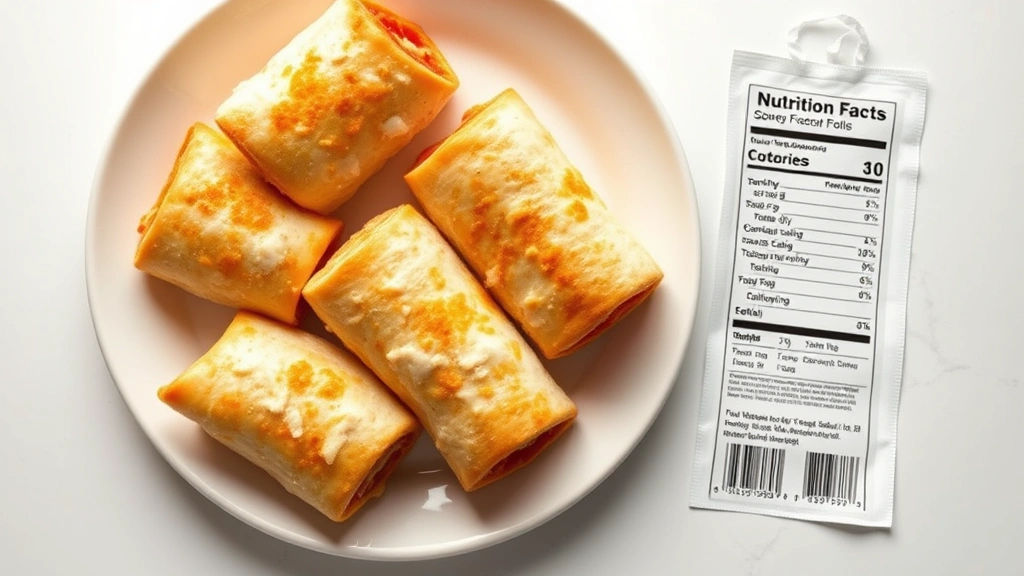
The sodium content extends beyond the entrée. A typical order—Orange Chicken (480 cal, 1,010 mg sodium) plus fried rice (420 cal, 810 mg sodium) plus spring roll (170 cal, 300 mg sodium)—totals 1,890 mg sodium in one meal, approaching the daily recommended maximum before factoring in breakfast, snacks, and other meals. This accumulation explains why regular fast-casual consumers frequently exceed sodium guidelines despite perceiving individual meals as reasonable.
Hidden sodium sources compound the problem. Soy sauce, teriyaki glaze, and chicken broth used in most Panda Express preparations contain 800-1,000 mg sodium per tablespoon. Vegetables are typically prepared with salt-heavy seasonings. Even seemingly mild options like Mushroom Chicken (220 cal) contain 620 mg sodium—27% of daily recommended intake in a 220-calorie entrée.
For individuals managing hypertension, sodium-sensitive populations, or those with specific medical conditions, Panda Express presents challenges. Requesting entrées prepared with minimal sauce, avoiding sodium-heavy sides like fried rice, and limiting condiment packets can reduce sodium by 30-40%. However, complete elimination of excess sodium remains difficult without custom preparation arrangements most locations cannot accommodate.
The Journal of the American Medical Association published research demonstrating that reducing sodium intake by 1,000 mg daily correlates with measurable blood pressure reductions in sodium-sensitive individuals. For regular Panda Express consumers, strategic menu navigation could yield meaningful health improvements.
Using a Nutrition Calculator Effectively
A Panda Express nutrition calculator functions as a decision-support tool when used correctly. These calculators—available through Panda Express’s official app, MyFitnessPal, and dedicated nutrition sites—allow users to input meal selections and receive immediate nutritional feedback. However, effectiveness depends on understanding what metrics matter for individual goals.
For weight management, calorie totals represent the primary metric. A 1,500-calorie daily budget allocates roughly 400-500 calories per meal. Most Panda Express entrées (with rice and beverage) fit this parameter, but combinations like Orange Chicken plus fried rice exceed it significantly. The calculator enables rapid assessment of whether specific combinations work within daily targets.
For muscle building or athletic performance, protein-to-calorie ratios matter more than absolute calorie counts. Grilled Teriyaki Chicken provides 19g protein per 380 calories (0.05g protein per calorie), exceeding most Panda Express options. Combining high-protein entrées with additional protein sources—egg rolls, tofu, edamame—optimizes muscle-building nutrition within a fast-casual framework.
For blood sugar management and diabetes prevention, calculating net carbohydrates (total carbs minus fiber) and identifying glycemic impact proves essential. Orange Chicken (480 cal, 56g carbs, 1g fiber = 55g net carbs) spikes blood glucose dramatically, while Broccoli Beef (190 cal, 9g carbs, 2g fiber = 7g net carbs) maintains stable glucose. A nutrition calculator highlighting carbohydrate content enables strategic choices preventing glucose dysregulation.
Effective calculator usage requires establishing personal targets first. What are your daily calorie needs? Protein targets? Sodium limits? Fiber goals? Micronutrient priorities? Once these baselines exist, the calculator becomes a verification tool confirming that specific meals align with objectives. Without pre-established targets, calculator data overwhelms rather than clarifies.
Most importantly, calculators provide transparency that enables harm reduction. Even if perfect nutrition remains impossible at fast-casual restaurants, informed choices—selecting lower-sodium options, requesting sauce on the side, choosing protein-prioritized entrées—measurably improve nutritional outcomes compared to random selection.
Building a Balanced Panda Express Meal
Constructing a nutritionally complete Panda Express meal requires intentional selection across multiple categories. The framework involves entrée selection, side selection, beverage choice, and optional additions that collectively create macronutrient and micronutrient balance.
Entrée selection should prioritize protein content and preparation method. Grilled proteins (Grilled Teriyaki Chicken, Black Pepper Angus Steak) outperform fried options nutritionally despite similar calorie counts, offering superior satiety and micronutrient retention. String Bean Chicken Breast provides 210 calories with 21g protein, making it exceptional for calorie-conscious consumers. Mushroom Chicken and Broccoli Beef deliver vegetables within the entrée, reducing the need for supplementary vegetables.
For the side component, steamed white rice offers a neutral carbohydrate base at 180 calories per serving, while fried rice (420 cal) nearly doubles the caloric load with minimal nutritional benefit. Brown rice (when available) provides 3-4g fiber per serving versus 0g in white rice. Alternatively, requesting double vegetables instead of rice creates a lower-carbohydrate, higher-fiber meal supporting sustained energy and satiety.
Beverage selection dramatically impacts overall meal quality. Water, unsweetened tea, or diet beverages add zero calories and prevent post-meal energy crashes. Regular soft drinks (220 cal, 56g sugar per 21 oz) transform a moderate meal into a high-calorie, high-sugar combination. A 220-calorie beverage represents 20-30% of daily calorie allowance for many individuals, making beverage selection disproportionately impactful.
Optional additions enhance nutritional completeness. Egg rolls (170 cal, 8g protein) add protein and satiety. Edamame provides plant-based protein, fiber, and micronutrients. Requesting additional vegetables (broccoli, mushrooms, peppers) increases fiber and micronutrient density without excessive calories. These additions often cost $2-3 but transform a nutritionally incomplete meal into a balanced option.
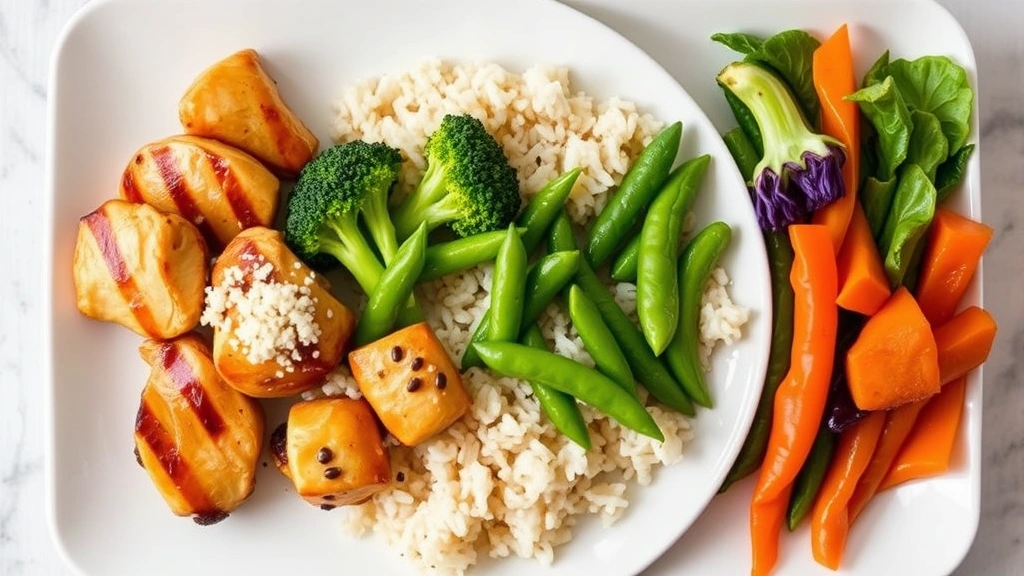
A sample balanced meal might look like: Grilled Teriyaki Chicken (380 cal, 19g protein) + steamed rice (180 cal, 3g protein) + edamame (95 cal, 11g protein) + water = 655 calories, 33g protein, 95g carbohydrates, 14g fiber. This combination supports muscle maintenance, provides sustained energy through balanced macronutrients, and maintains reasonable calorie density for weight management. Consulting the Healthy Nutrition Plan guide provides additional framework for meal balancing principles.
Dietary Restrictions and Allergies
Panda Express presents specific challenges and opportunities for individuals with dietary restrictions. The chain’s transparency regarding allergens and ingredients supports accommodation of most restrictions, but requires proactive communication and menu knowledge.
Gluten-free diets represent the most commonly accommodated restriction. Many Panda Express entrées contain gluten through soy sauce, teriyaki sauce, and breading. However, several options can be modified: Mushroom Chicken (when prepared gluten-free), String Bean Chicken Breast (verified gluten-free preparation), and certain vegetable sides. The critical step involves explicitly requesting gluten-free preparation and confirming no cross-contamination. Rice and most vegetables are naturally gluten-free, but soy sauce typically contains wheat. Requesting tamari or coconut aminos as sauce alternatives (when available) enables gluten-free consumption.
Vegetarian and vegan options have expanded significantly. Beyond Orange Chicken contains plant-based protein, providing a complete protein option for vegetarians. Hot Ones Blazing Bourbon Chicken and Sizzling Shrimp accommodate pescatarians. Vegetable-based entrées exist but tend toward lower protein (8-12g per serving). Vegans can construct meals around vegetables, rice, and requesting soy-based protein additions, though limited menu items directly support vegan diets. The dietary fiber importance becomes particularly relevant for plant-based consumers, as vegetable-heavy meals provide superior fiber compared to animal-based options.
Low-sodium requirements present the greatest challenge at Panda Express. Individuals managing hypertension or kidney disease require sodium restriction, yet Panda Express’s cooking methodology relies heavily on salt-based seasonings. While lower-sodium options exist (Broccoli Beef, 620 mg sodium for 190 calories), achieving truly low-sodium meals requires special requests and may exceed most locations’ preparation capabilities.
Soy and shellfish allergies complicate ordering significantly. Soy appears in soy sauce, teriyaki sauce, and many prepared dishes. Shellfish allergies affect shrimp-based entrées and potentially cross-contamination through shared cooking surfaces. Communicating allergies explicitly and requesting separate preparation areas remains essential.
Keto and low-carb diets can be accommodated through protein-focused entrées with vegetable sides instead of rice. A meal of Grilled Teriyaki Chicken (380 cal, 9g net carbs) with double vegetables (approximately 80 cal, 6g net carbs) totals 460 calories with 15g net carbs—feasible within keto parameters. However, most sauces and prepared dishes exceed keto carbohydrate targets.
Panda Express’s official nutrition information provides allergen warnings and detailed ingredient lists, supporting informed decision-making for restricted diets. Calling ahead to confirm preparation capabilities and limitations prevents ordering disappointments.
FAQ
What is the healthiest Panda Express meal?
The healthiest meal depends on individual goals, but a strong baseline combines Grilled Teriyaki Chicken (high protein, moderate calories), steamed rice, and double vegetables, totaling approximately 500 calories with 19g protein and substantial micronutrients. This option balances satiety, nutritional completeness, and calorie density for most dietary goals.
How do I calculate Panda Express nutrition for my specific diet?
Use Panda Express’s official app or third-party calculators like MyFitnessPal, entering your selected entrée, side, beverage, and additions. Compare totals against your daily targets for calories, protein, carbohydrates, sodium, and fiber. Adjust selections until the meal aligns with your nutritional goals and daily limits.
Can I eat Panda Express on a diet?
Yes, with strategic selection. Choose lower-calorie entrées (Broccoli Beef, 190 cal; String Bean Chicken, 210 cal), steamed rice, water, and avoid high-calorie sides. Most Panda Express meals can be structured to fit 400-600 calorie budgets while maintaining adequate protein and micronutrients.
What Panda Express menu items are lowest in sodium?
Broccoli Beef (620 mg), String Bean Chicken Breast (640 mg), and Mushroom Chicken (620 mg) contain the lowest sodium, though still representing 27-28% of daily recommended intake. No Panda Express entrée qualifies as truly low-sodium, making special preparation requests necessary for sodium-restricted diets.
Does Panda Express offer nutritional guidance?
Panda Express provides comprehensive nutritional data through their website and app, including calorie counts, macronutrients, and allergen information. However, personalized guidance requires consulting registered dietitians who can assess individual needs and recommend specific menu combinations supporting your health goals.
How accurate is the Panda Express nutrition calculator?
Panda Express’s official nutritional data comes from laboratory testing and is generally accurate within ±5% for standard preparations. However, variations occur based on portion sizes, sauce application, and regional preparation differences. Using the calculator as a directional tool rather than absolute measurement provides realistic expectations.