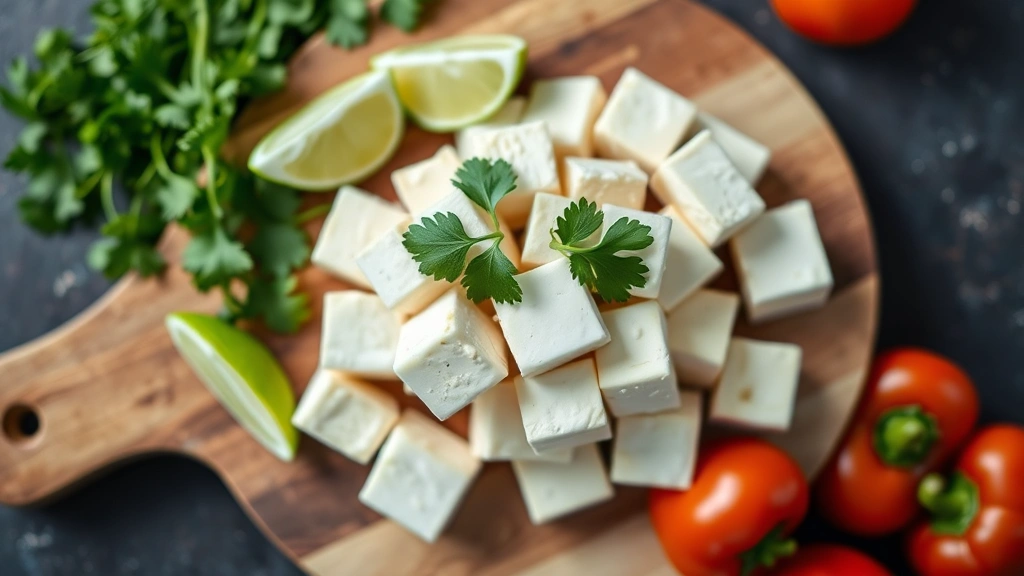
Paneer Nutrition Facts: Dietitian Insights
Paneer, a fresh cheese staple in South Asian cuisine, has gained significant popularity worldwide among health-conscious consumers and fitness enthusiasts. This versatile dairy product offers a unique nutritional profile that makes it particularly valuable for those seeking high-quality protein sources. Understanding the comprehensive nutrition facts about paneer can help you make informed dietary decisions and maximize its benefits in your meal planning.
As a registered dietitian perspective, paneer deserves special attention because it bridges the gap between traditional cuisine and modern nutritional science. Unlike many processed cheese varieties, paneer retains most of its nutritional integrity during production, making it an excellent addition to balanced diets. Whether you’re following a healthy nutrition plan or optimizing your nutrition for athletes, paneer offers distinct advantages worth exploring.
Complete Nutritional Breakdown Per 100g
Understanding the fundamental nutrition facts about paneer requires examining its macronutrient composition. Per 100 grams of paneer, you’ll find approximately 265 calories, making it a moderately calorie-dense food. The macronutrient distribution includes roughly 28 grams of protein, 17 grams of fat, and just 3.6 grams of carbohydrates. This composition makes paneer particularly attractive for those following low-carbohydrate dietary approaches.
The caloric content varies slightly depending on preparation methods and moisture content. Fresh paneer made from full-fat milk contains more calories than lower-fat varieties. The protein-to-calorie ratio of paneer is exceptionally favorable, providing substantial protein without excessive caloric burden. This makes it an efficient nutritional choice for muscle development and maintenance, relevant whether you’re consulting a nutrients pathway blog or working with nutritional specialists.
Sodium content in paneer is relatively low at approximately 400-500mg per 100g, depending on production methods and any added salt. This makes paneer suitable for individuals monitoring sodium intake for blood pressure management. The minimal carbohydrate content ensures minimal blood sugar impact, making it appropriate for diabetic meal planning.
Protein Content and Amino Acid Profile
Paneer stands out as an exceptional protein source, containing all nine essential amino acids required by the human body. The 28 grams of protein per 100g represents complete protein, meaning it contains the full amino acid spectrum necessary for various physiological functions. This completeness distinguishes paneer from many plant-based protein sources that require complementary foods for amino acid balance.
The amino acid profile includes significant quantities of leucine, isoleucine, and valine—branched-chain amino acids crucial for muscle protein synthesis. These amino acids are particularly important for post-workout recovery and muscle maintenance. Leucine, specifically, functions as a signaling molecule that activates mTOR pathways responsible for muscle growth. The bioavailability of paneer protein is exceptionally high, meaning your body can efficiently absorb and utilize these amino acids.
For individuals following vegetarian or lacto-vegetarian diets, paneer provides a reliable complete protein source without consuming animal flesh. The protein quality is comparable to chicken, fish, and beef, making paneer an excellent substitute for those avoiding meat-based proteins. Research from Cambridge University Press nutrition journals demonstrates that dairy proteins like paneer support equivalent muscle protein synthesis to animal sources.
Fat Composition and Health Implications
The fat content in paneer comprises approximately 17 grams per 100g, distributed among saturated, monounsaturated, and polyunsaturated fatty acids. Contrary to earlier dietary paradigms demonizing saturated fat, contemporary nutritional science recognizes that full-fat dairy consumption demonstrates neutral to beneficial health effects in most populations. The saturated fat in paneer exists alongside fat-soluble vitamins that enhance nutrient absorption.
Paneer contains approximately 11 grams of saturated fat per 100g, alongside beneficial monounsaturated and polyunsaturated fats. The presence of conjugated linoleic acid (CLA), a fatty acid with potential anti-inflammatory properties, adds nutritional value. CLA has been investigated for potential benefits in body composition, though research remains ongoing. The fat content facilitates absorption of fat-soluble vitamins including vitamins A, D, E, and K.
For individuals concerned about cholesterol, paneer contains approximately 20-30mg of cholesterol per 100g. While dietary cholesterol influences blood cholesterol in some individuals, the saturated fat content matters more for most people’s lipid profiles. The overall nutritional matrix of paneer, combined with its protein richness, can support healthy weight management and satiety when incorporated into balanced dietary patterns. Understanding this context helps position paneer appropriately within nutrition and mental health discussions, as dietary satisfaction influences psychological well-being.

Calcium and Bone Health Benefits
Paneer delivers exceptional calcium content, providing approximately 200-300mg per 100g depending on production methods. This substantial calcium contribution makes paneer valuable for bone health maintenance, particularly for populations at risk of osteoporosis. The calcium in paneer exists in highly bioavailable form, meaning your body absorbs it efficiently compared to some plant-based calcium sources.
The calcium-to-protein ratio in paneer is particularly favorable for skeletal health. Adequate protein intake supports bone matrix formation, while calcium provides mineralization. Together, these nutrients work synergistically to maintain bone density and strength. For post-menopausal women and aging populations experiencing bone density decline, paneer offers a nutrient-dense option supporting skeletal integrity.
The presence of phosphorus alongside calcium further supports bone health, as these minerals work together in bone mineralization processes. Paneer also contains magnesium, another mineral crucial for bone structure and function. The combination of these minerals positions paneer as a comprehensive bone health food, particularly valuable for individuals avoiding dairy through lactose intolerance, as paneer’s production process significantly reduces lactose content.
Vitamins and Mineral Density
Beyond macronutrients and primary minerals, paneer contains notable quantities of several vitamins and trace minerals. Vitamin B12, crucial for neurological function and red blood cell formation, appears in paneer at approximately 0.7 micrograms per 100g. This becomes particularly important for vegetarians, as B12 deficiency risk increases when avoiding animal products. Paneer provides a reliable plant-free B12 source for those avoiding meat.
Riboflavin (Vitamin B2) appears in paneer at approximately 0.3mg per 100g, supporting energy metabolism and cellular function. Pantothenic acid (Vitamin B5) contributes to hormone and cholesterol production. These B vitamins work collectively in energy systems, making paneer particularly valuable for individuals with high energy demands. The vitamin profile supports metabolic efficiency and nutrient processing.
Selenium, a trace mineral with antioxidant properties, appears in paneer at approximately 15 micrograms per 100g. This mineral supports thyroid function and protects against oxidative stress. Zinc, another essential trace mineral, supports immune function and wound healing at approximately 3-4mg per 100g. The mineral density of paneer positions it as a nutritionally comprehensive food rather than a single-nutrient source.
Paneer in Weight Management
The nutritional composition of paneer makes it particularly valuable for weight management objectives. The high protein content promotes satiety, reducing overall caloric intake by increasing fullness signals. Protein requires more energy for digestion than carbohydrates or fats, increasing thermic effect and supporting metabolic efficiency. This means your body expends additional calories simply processing paneer protein.
The minimal carbohydrate content prevents blood sugar spikes that trigger hunger and cravings. Stable blood glucose supports consistent energy levels and reduced appetite. The fat content in paneer provides flavor satisfaction and nutrient absorption without excessive caloric burden. These factors combine to make paneer an excellent protein source for caloric deficit diets targeting fat loss while preserving muscle mass.
Individuals following ketogenic or very low-carbohydrate approaches find paneer particularly valuable due to its macronutrient composition. The 3.6g carbohydrates per 100g allows substantial paneer consumption while maintaining ketosis. The satiety-promoting properties of paneer make it useful for intermittent fasting protocols, as paneer meals maintain fullness during fasting windows. Research demonstrates that high-protein dairy consumption supports weight loss comparable to other protein sources.
Digestibility and Lactose Considerations
Paneer’s production process through acid curdling and heat treatment significantly reduces lactose content compared to liquid milk. The whey separation removes most lactose, leaving the curd relatively lactose-free. Individuals with lactose intolerance often tolerate paneer well, though sensitivity varies among individuals. The digestibility of paneer protein is excellent, with minimal gastrointestinal distress reported by most consumers.
The curd structure of paneer makes it less likely to cause digestive upset compared to harder cheeses or milk. The gentle production process preserves protein structure while removing problematic lactose. For individuals with mild to moderate lactose sensitivity, paneer often fits comfortably within dietary patterns. However, those with severe lactose intolerance should verify individual tolerance before consumption.
The casein and whey proteins in paneer are generally well-tolerated, though individuals with milk protein allergies should avoid paneer entirely. The distinction between lactose intolerance and milk protein allergy becomes crucial here—lactose intolerance involves difficulty digesting milk sugar, while milk protein allergy involves immune responses to protein components. Paneer’s digestibility advantage makes it a preferred dairy choice for many populations.
Comparison with Other Cheese Varieties
Paneer’s nutritional profile differs notably from aged cheeses like cheddar or parmesan. While aged cheeses contain higher fat and sodium due to concentration during aging, paneer maintains a fresher nutritional composition. Paneer contains approximately 28g protein per 100g, compared to cheddar’s 25g and mozzarella’s 22g. This protein advantage makes paneer nutritionally superior for muscle-building objectives.
Compared to cottage cheese, another fresh cheese option, paneer contains more protein and less moisture. Cottage cheese provides approximately 11g protein per 100g due to higher water content, making paneer more protein-dense. The fat content differs as well, with paneer offering fuller-fat options while cottage cheese comes in low-fat varieties. Both offer excellent nutritional profiles, though paneer’s traditional preparation makes it more versatile in cooking applications.
When compared to processed cheese products or cheese spreads, paneer emerges as nutritionally superior due to minimal additives and preservatives. The simple ingredient list—milk, acid, and heat—means you consume pure cheese without artificial compounds. This simplicity appeals to individuals seeking whole foods over processed alternatives. The nutritional density makes paneer preferable to many commercial cheese options for those prioritizing nutritional quality.

Incorporating Paneer into Balanced Meals
Paneer’s versatility makes it valuable for various meal contexts. Grilled paneer provides a satisfying protein source for vegetarian mains, offering texture and nutrition comparable to meat-based dishes. The firm structure of paneer allows it to withstand high-heat cooking without disintegrating, making it suitable for kebabs, stir-fries, and grilling applications. These preparation methods preserve nutritional content while developing appealing flavors through Maillard reactions.
In curries and sauced dishes, paneer absorbs flavors while maintaining structural integrity. Paneer tikka masala combines paneer’s complete protein with tomato sauce’s lycopene and spices’ phytonutrients, creating nutritionally comprehensive meals. The combination of paneer with legumes further enhances amino acid complementarity, though paneer alone provides complete amino acid profiles. Pairing paneer with vegetables increases fiber intake and micronutrient density.
For breakfast applications, paneer scrambled with vegetables provides substantial protein to support morning satiety and stable blood glucose throughout the morning. Paneer in salads adds protein and richness without excessive calories. The versatility allows paneer integration into diverse cuisines and meal types. Understanding paneer’s nutrition facts enables strategic incorporation into personalized dietary patterns aligned with individual health objectives, whether supporting nutrition facts about avocados in balanced plates or developing comprehensive nutrition strategies.
FAQ
How much paneer can I eat daily?
Most nutrition guidelines suggest 100-150g of paneer daily for average adults as part of balanced diets. This provides 28-42g protein while maintaining appropriate caloric balance. Individual requirements vary based on body weight, activity level, and dietary goals. Athletes and individuals in muscle-building phases may consume higher quantities, while those managing caloric intake might consume less. Consultation with registered dietitians personalizes recommendations for individual circumstances.
Is paneer suitable for weight loss?
Yes, paneer’s high protein content, low carbohydrate profile, and satiety-promoting properties make it valuable for weight loss diets. The protein supports muscle preservation during caloric deficits while promoting fullness. However, caloric intake remains paramount—paneer’s 265 calories per 100g must fit within overall caloric targets. Portion control and balanced meal composition determine weight loss success rather than paneer alone.
Does paneer contain lactose?
Paneer contains minimal lactose due to whey separation during production, typically less than 0.5g per 100g. Most individuals with lactose intolerance tolerate paneer well, though individual responses vary. Those with severe lactose intolerance should test tolerance gradually. Milk protein allergies represent a different concern—allergic individuals must avoid paneer entirely regardless of lactose content.
Can paneer support muscle growth?
Absolutely. Paneer’s complete amino acid profile, particularly high branched-chain amino acids, supports muscle protein synthesis effectively. The 28g protein per 100g provides substantial amino acid substrate for muscle adaptation following resistance training. Combined with adequate training stimulus and overall protein intake, paneer effectively supports muscle development. Research demonstrates dairy protein efficacy comparable to meat-based sources for muscle building.
How does paneer compare nutritionally to tofu?
Paneer contains approximately 28g protein per 100g with complete amino acids, while tofu provides approximately 8-15g protein depending on firmness. Paneer contains more complete amino acids and B12, while tofu offers phytoestrogens and iron. For protein density and amino acid completeness, paneer exceeds tofu significantly. However, tofu offers advantages for those avoiding dairy, making selection dependent on individual dietary needs and preferences.
Is paneer safe for diabetic diets?
Yes, paneer’s minimal carbohydrate content (3.6g per 100g) makes it suitable for diabetic meal planning. The protein content supports stable blood glucose without spiking insulin. The fat content slows carbohydrate absorption when paneer accompanies other foods. Paneer can fit appropriately into diabetic dietary patterns, though overall meal composition and portion control remain important for glycemic management. Individuals should monitor personal responses and consult healthcare providers regarding specific dietary needs.
Understanding paneer nutrition facts empowers informed dietary decisions supporting individual health objectives. Whether prioritizing muscle development, weight management, bone health, or vegetarian protein adequacy, paneer offers a nutrient-dense option with impressive nutritional density. The combination of complete protein, calcium, B vitamins, and trace minerals positions paneer as a comprehensive whole food rather than a single-nutrient source. Incorporating paneer strategically into balanced meal patterns leverages its nutritional advantages while maintaining overall dietary balance. Consulting with registered dietitians personalizes paneer integration within individual dietary contexts, ensuring alignment with specific health goals and preferences.


