Papa John’s Pizza: Healthier Choices? Dietitian Tips
Pizza nights don’t have to derail your health goals. While Papa John’s is known for indulgent offerings, the chain has expanded its menu to include options that align with balanced eating patterns. Understanding how to navigate their menu with nutrition in mind allows you to enjoy pizza while maintaining dietary objectives. This guide breaks down Papa John’s nutrition facts, highlights better-for-you choices, and provides expert strategies for making informed decisions when ordering.
The key to healthier fast-casual dining lies in portion control, ingredient awareness, and strategic customization. Papa John’s offers transparency through detailed nutrition information, making it possible to identify lower-calorie, lower-sodium, and higher-protein alternatives. Whether you’re following a specific nutrition plan or simply aiming to eat well, this resource equips you with actionable tips from dietitian perspectives.

Understanding Papa John’s Nutrition Profile
Papa John’s provides comprehensive nutritional data for all menu items, a critical advantage when making health-conscious choices. A standard large pepperoni pizza contains approximately 2,240 calories across eight slices, with each slice delivering around 280 calories. However, nutrition varies significantly based on crust type, toppings, and portion size. The Nutrients Pathway Blog emphasizes that understanding baseline nutritional content is the foundation of informed eating decisions.
Sodium content presents a notable consideration. A single slice of traditional Papa John’s pizza can contain 600-800mg of sodium, representing 25-35% of the recommended daily intake. For individuals monitoring salt consumption due to hypertension or cardiovascular health concerns, this demands attention. Saturated fat content ranges from 10-15g per slice on meat-heavy pizzas, which comprises approximately 50-75% of the recommended daily saturated fat limit.
Protein availability depends heavily on topping choices. A cheese pizza slice provides roughly 12-14g of protein, while meat-topped varieties can reach 16-18g per slice. This protein content makes pizza a viable option within balanced meals, particularly when paired with vegetable-forward sides. The carbohydrate content, primarily from the crust, ranges from 35-40g per slice, mostly refined carbohydrates unless specialty crusts are selected.
Healthier Crust Options and Alternatives
Crust selection dramatically influences the nutritional profile of your pizza. Papa John’s offers several options beyond traditional hand-tossed dough:
- Thin Crust: Reduces carbohydrates by approximately 40% compared to hand-tossed varieties, typically delivering 18-22g carbs per slice versus 35-40g. Calorie reduction ranges from 50-70 calories per slice.
- Pan Pizza: Higher in calories and fat due to oil-based preparation, generally not recommended for calorie-conscious selections.
- Stuffed Crust: Contains additional cheese and calories, adding 80-120 calories per slice compared to hand-tossed options.
- Specialty Crusts: Some locations offer whole wheat or multigrain options, providing increased fiber content and sustained satiety.
For those following meal planning strategies, thin crust represents the most nutrition-optimized choice. The reduced dough volume maintains flavor while significantly lowering calorie, carbohydrate, and sodium contributions. Requesting extra sauce on thin crust can enhance satisfaction without substantially increasing caloric load.
Smart Topping Selections
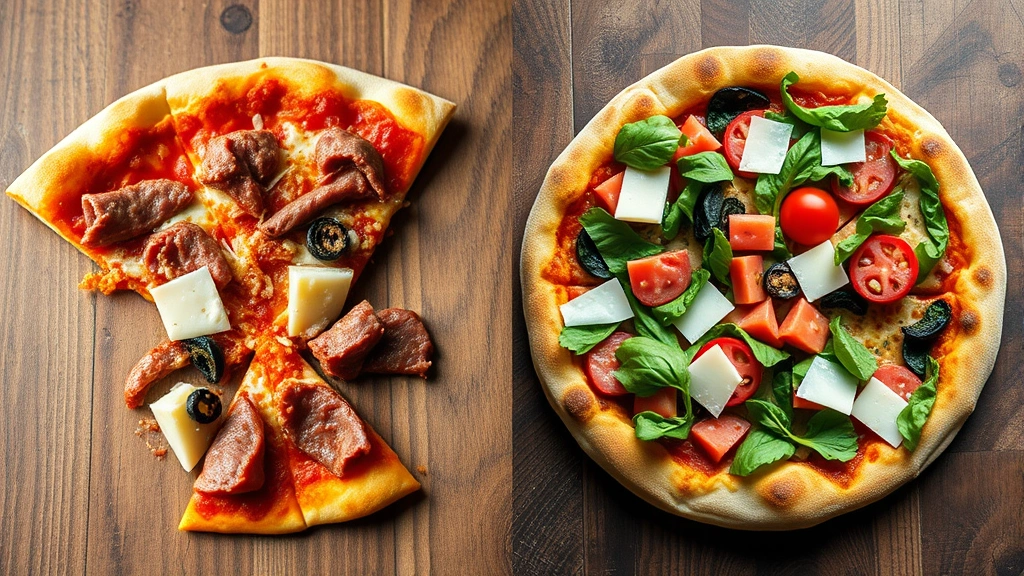
Topping choices offer the greatest opportunity for nutritional customization. Traditional meat toppings—pepperoni, sausage, beef—contribute substantial calories and saturated fat. A single slice with three meat toppings can exceed 400 calories. Strategic alternatives include:
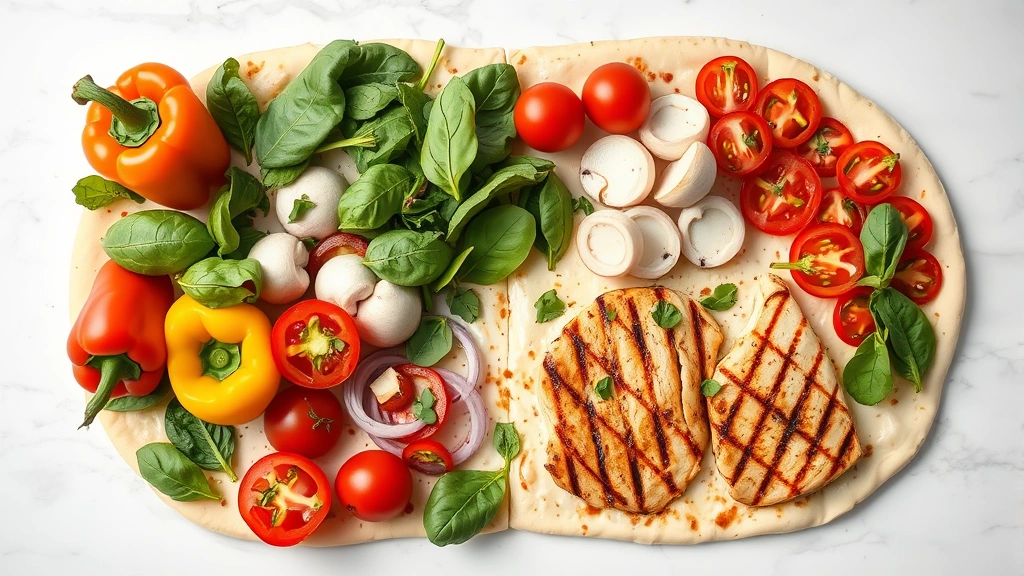
- Vegetable-Based Toppings: Onions, green peppers, mushrooms, black olives, and tomatoes add volume, flavor, and nutrients without significant caloric burden. These toppings contribute fiber, vitamins, and minerals while keeping calorie additions minimal (10-20 calories per topping).
- Lean Protein Options: Grilled chicken breast represents a superior protein choice compared to processed meats. It provides approximately 8-10g protein per serving with minimal saturated fat.
- Cheese Modulation: Requesting half the standard cheese or opting for light cheese can reduce fat by 5-8g and calories by 40-60 per slice.
- Strategic Meat Placement: Using one premium meat topping instead of multiple options satisfies cravings while controlling calories. A single topping of quality pepperoni provides flavor without excess.
The combination of thin crust, light cheese, and vegetable-heavy toppings with optional lean protein creates a nutritionally balanced pizza. This approach typically yields 200-250 calories per slice, roughly 12-14g protein, and 25-30g carbohydrates.
Calorie and Sodium Management Strategies
Effective calorie management requires understanding portion psychology and strategic consumption patterns. Research from Pew Research Center on dietary habits indicates that portion awareness significantly impacts long-term health outcomes. Rather than restricting pizza entirely, dietitians recommend strategic integration:
- Slice Limitation: Consuming 2-3 slices of thin crust pizza with vegetable toppings provides approximately 400-600 calories while delivering satisfying volume and nutritional balance.
- Pre-Pizza Preparation: Consuming a vegetable-based appetizer or side salad before pizza reduces overall pizza consumption and stabilizes blood sugar.
- Hydration Strategy: Drinking water between slices increases satiety signals and reduces total intake without additional calories.
- Sodium Offset: On pizza days, reducing sodium from other meals helps maintain daily targets. Selecting unsalted snacks and limiting processed foods throughout the day accommodates pizza’s sodium content.
For individuals with specific dietary concerns, understanding nutrient absorption helps optimize how your body processes pizza’s nutritional components. Pairing pizza with fiber-rich vegetables enhances mineral absorption and promotes digestive health.
Portion Control and Pairing Strategies
Pizza’s caloric density necessitates thoughtful pairing approaches. A balanced meal structure combines pizza with complementary foods that enhance nutrition without excess calories:
Vegetable Side Integration: Ordering a side salad with vinegar-based dressing adds approximately 50-100 calories while providing 4-6g dietary fiber, essential vitamins, and minerals. This approach increases meal volume and satisfaction while improving overall nutritional density.
Beverage Selection: Choosing water, unsweetened tea, or diet beverages instead of regular soda eliminates 150-250 calories per serving. This single modification substantially impacts total meal calories without affecting pizza enjoyment.
Shared Consumption: Ordering smaller pizzas and sharing encourages portion awareness while maintaining social dining experiences. A medium pizza divided among three people provides 2-3 slices per person, aligning with moderate portion recommendations.
Timing Considerations: Consuming pizza as a lunch item rather than dinner allows greater physical activity post-meal, enhancing calorie utilization. Earlier consumption also accommodates better digestion before sleep.
Customization Tips for Dietary Restrictions
Papa John’s accommodates various dietary needs through menu modifications:
Gluten-Free Requirements: Gluten-free crust availability serves celiac disease and gluten sensitivity needs. The gluten-free option maintains comparable calorie content to traditional crusts while eliminating gluten proteins. Confirm preparation methods prevent cross-contamination in kitchens.
Dairy-Free Modifications: Requesting cheese-free pizza with vegetable and protein toppings creates dairy-free options. Nutritional content shifts toward carbohydrates and plant-based nutrients. Pairing with nutrient-dense options like avocados when available enhances satiety and nutritional completeness.
Low-Sodium Approaches: Requesting no added salt, minimal sauce, and focusing on fresh vegetable toppings reduces sodium significantly. While this requires special preparation, most locations accommodate such requests.
High-Protein Preferences: Doubling lean protein toppings like grilled chicken increases protein to 25-28g per slice, supporting muscle maintenance and satiety. This modification works particularly well for individuals following higher-protein nutrition plans.
Lower-Carbohydrate Options: Thin crust with vegetable and protein focus minimizes carbohydrate impact. Some individuals combine pizza consumption with carbohydrate-conscious meal planning throughout the day to maintain macronutrient targets.
Beverages and Sides Worth Considering
Menu selections extending beyond pizza significantly influence overall meal nutrition. Papa John’s offers several complementary options:
Beverage Alternatives: Water remains the optimal choice, containing zero calories and supporting hydration. Unsweetened iced tea provides flavor without added sugars. These selections contrast sharply with regular sodas delivering 140-180 calories per serving, primarily from added sugars.
Side Salads: Garden salads with vinaigrette dressing provide fiber, vitamins, and minerals while adding minimal calories. This approach transforms pizza meals into more balanced nutritional experiences. Requesting dressing on the side allows portion control.
Vegetable Sides: Roasted or steamed vegetable options, when available, complement pizza while increasing meal micronutrient density. These sides support digestive health through fiber contribution.
Breadstick Considerations: Traditional breadsticks represent calorie-dense items providing primarily refined carbohydrates. If selected, limiting consumption to one or two pieces maintains calorie balance. Requesting these without butter or garlic sauce reduces fat contribution.
Strategic beverage and side selection transforms pizza meals from nutritionally imbalanced indulgences into components of balanced eating patterns. This approach acknowledges pizza’s role in enjoyable dining while maintaining health objectives.
FAQ
Can I eat Papa John’s pizza while following a weight loss plan?
Yes, strategic selection enables pizza inclusion in weight loss approaches. Choosing thin crust, vegetable toppings, light cheese, and limiting consumption to 2-3 slices keeps individual pizzas within reasonable calorie parameters. Pairing with vegetable sides and water maintains satiety while supporting caloric deficit objectives. The key involves consistent portion awareness and thoughtful customization rather than complete avoidance.
What’s the best Papa John’s pizza for diabetic nutrition management?
Thin crust pizzas with vegetable and lean protein toppings minimize blood sugar impact. Avoiding sugary beverages and breadsticks prevents glucose spikes. Consuming pizza with protein and fiber-rich sides stabilizes blood sugar response. Consulting healthcare providers about individual carbohydrate targets ensures appropriate portions. Papa John’s transparency regarding nutrition facts supports informed decision-making for diabetes management.
How does Papa John’s pizza compare nutritionally to competitors?
Papa John’s offers comparable nutrition profiles to other major pizza chains. The primary differentiator involves crust and topping customization options. Thin crust availability and detailed nutritional transparency support healthier selections. Individual pizza choices matter more than brand selection—a health-conscious Papa John’s order outweighs an indulgent competitor selection.
What sodium reduction strategies work for Papa John’s pizza?
Requesting no added salt, minimal sauce, and fresh vegetable emphasis reduces sodium substantially. Consuming pizza earlier in the day allows sodium offset through lower-sodium other meals. Selecting water instead of beverages eliminates additional sodium sources. These combined strategies can reduce meal sodium by 30-40% compared to standard orders.
Can Papa John’s pizza support muscle-building nutrition goals?
Pizza’s protein content supports muscle maintenance and growth, particularly when customized with lean protein toppings. Doubling grilled chicken provides 25-28g protein per slice, supporting post-workout recovery. Pairing pizza with adequate water and complementary protein sources maximizes muscle protein synthesis. The carbohydrates in crust replenish glycogen stores, supporting workout performance.
How frequently should pizza meals appear in healthy eating patterns?
Moderate frequency—approximately 1-2 times monthly—accommodates pizza within balanced nutrition plans without compromising health objectives. Strategic selection on these occasions prevents negative health impacts. For individuals with specific health conditions, consulting registered dietitians determines appropriate frequency based on individual circumstances.


