Peak Nutrition Tips from a Certified Dietitian
Achieving peak nutrition isn’t about following restrictive diets or obsessing over calorie counts. Instead, it’s a holistic approach to fueling your body with nutrient-dense foods that support optimal health, energy levels, and long-term wellness. As a certified dietitian with years of clinical experience, I’ve worked with hundreds of clients to transform their eating habits and reach their nutritional goals. This guide shares evidence-based strategies that actually work in real life.
Peak nutrition means giving your body exactly what it needs to thrive. It’s about understanding macronutrients and micronutrients, timing your meals strategically, and making food choices that align with your individual health objectives. Whether you’re an athlete seeking performance gains, someone managing a chronic condition, or simply wanting to feel better daily, the principles of peak nutrition apply universally.
Understanding Macronutrient Balance
Macronutrients—proteins, carbohydrates, and fats—form the foundation of peak nutrition. Many people struggle because they’ve been taught that one macronutrient is inherently “bad.” This outdated thinking misses the bigger picture. Each macronutrient plays a critical role in bodily function, and balance is key.
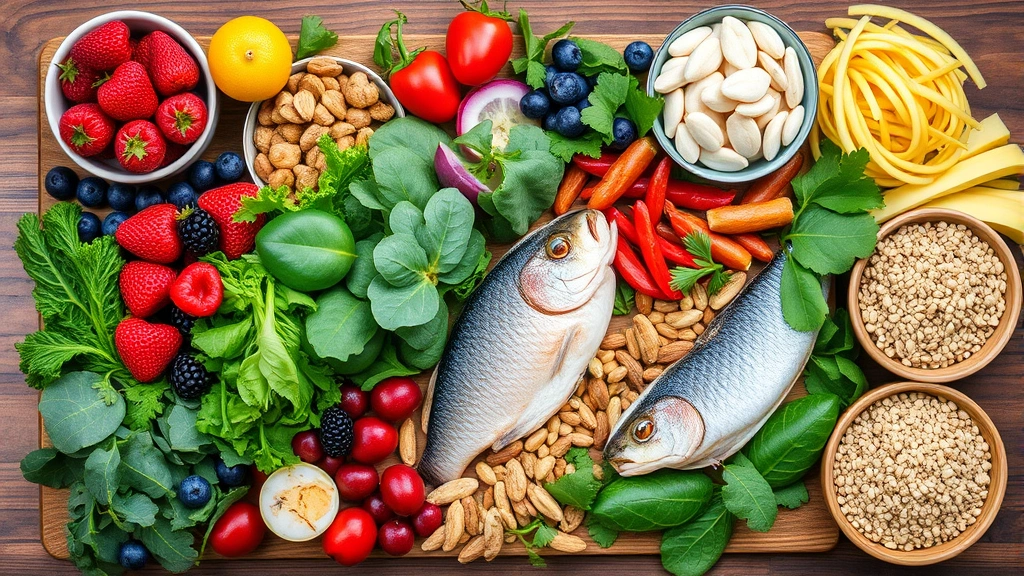
Protein serves as the building block for muscle, enzymes, hormones, and immune function. Adults should aim for approximately 0.8 grams per kilogram of body weight daily, though athletes and older adults benefit from higher intakes. Rather than defaulting to chicken breast alone, vary your protein sources: fish rich in omega-3 fatty acids, legumes with fiber, Greek yogurt with probiotics, and eggs containing choline for brain health. Avocados provide plant-based protein alongside healthy fats, making them versatile additions to peak nutrition plans.
Carbohydrates fuel your brain and muscles, yet quality matters enormously. Refined carbohydrates cause blood sugar spikes and crashes, while complex carbohydrates provide sustained energy and fiber. Prioritize whole grains, legumes, sweet potatoes, and vegetables. This distinction separates adequate nutrition from peak nutrition—it’s not just about calories, but nutrient density per calorie consumed.
Dietary fats regulate hormone production, support nutrient absorption, and protect organs. Emphasize unsaturated fats from olive oil, nuts, seeds, and fatty fish while limiting trans fats. A healthy nutrition plan incorporates all three macronutrients strategically rather than eliminating any category.
Micronutrient Density and Food Selection
While macronutrients provide energy, micronutrients—vitamins and minerals—enable virtually every biochemical process in your body. Peak nutrition requires deliberate attention to micronutrient density because deficiencies develop silently before symptoms appear.
Iron, zinc, B vitamins, vitamin D, and magnesium represent common deficiency risks, particularly for specific populations. Plant-based eaters need strategies to enhance iron absorption through vitamin C pairing. Vegans require reliable B12 sources or supplementation. Anyone with limited sun exposure should consider vitamin D status. Rather than supplementing indiscriminately, work with a healthcare provider to identify your specific needs through targeted assessment.
The concept of “nutrient density” revolutionizes food choices. A single donut contains 250 calories but offers minimal vitamins and minerals. A bowl of spinach salad with chickpeas, pumpkin seeds, and olive oil dressing provides similar calories with exponentially more micronutrients. When building peak nutrition strategies, ask: “What nutrients does this food provide relative to its calories?”
Seasonal produce offers peak nutritional value because foods harvested at ripeness contain maximum nutrient concentrations. Berries in summer, squash in fall, leafy greens in spring—shopping seasonally naturally aligns with peak nutrition principles. Dietary fiber from whole foods supports digestive health and nutrient absorption, making fiber-rich choices fundamental to any peak nutrition approach.
Phytonutrients—compounds found in colorful plant foods—provide additional benefits beyond basic vitamins and minerals. Anthocyanins in blueberries, lycopene in tomatoes, and sulforaphane in broccoli offer protective effects against chronic disease. Peak nutrition embraces food diversity specifically to access this spectrum of beneficial compounds.
Timing and Meal Frequency Strategies
When you eat matters almost as much as what you eat. Peak nutrition timing optimizes energy availability, muscle recovery, and metabolic function throughout the day.
Breakfast sets your metabolic tone. Skipping breakfast leaves you depleted heading into morning hours when cognitive demands peak. A balanced breakfast with protein, complex carbs, and healthy fats stabilizes blood sugar and enhances focus. This might look like oatmeal with nuts and berries, eggs with whole-grain toast, or Greek yogurt with granola.
Pre-workout nutrition fuels performance. Consuming carbohydrates and moderate protein 1-3 hours before exercise provides accessible energy. Post-workout nutrition initiates recovery—protein and carbohydrates within 2 hours after training support muscle repair and glycogen replenishment. This timing window isn’t rigid, but strategic fueling around activity distinguishes peak nutrition from casual eating patterns.
Meal frequency depends on individual preference and lifestyle. Some thrive with three meals daily, while others benefit from smaller, frequent meals. Rather than following rigid frameworks, experiment to find what sustains your energy and supports your goals. Consistency matters more than perfection.
Intermittent fasting represents one timing strategy gaining attention, though it’s not universally optimal. Some individuals experience improved focus and metabolic function with time-restricted eating. Others feel deprived or experience energy crashes. Peak nutrition remains personalized—what works for a friend may not work for you.
Hydration and Nutrient Absorption
Hydration deserves explicit attention within peak nutrition frameworks because dehydration impairs every physiological process, including nutrient absorption and utilization.
Water comprises 60% of adult body weight and facilitates digestion, nutrient transport, temperature regulation, and cognitive function. Despite its simplicity, most people drink inadequate water. A basic guideline: drink enough that your urine remains pale yellow. Individual needs vary based on activity level, climate, and body size, making personalization important.
Electrolytes—sodium, potassium, magnesium—maintain fluid balance and nerve function. While sports drinks contain electrolytes, whole foods provide them alongside beneficial nutrients. Bananas offer potassium, leafy greens provide magnesium, and naturally occurring sodium in foods suffices for most people without added supplementation.
Nutrient absorption depends on digestive health and adequate hydration. Improving digestion enhances your body’s ability to extract nutrients from food. Staying adequately hydrated supports digestive enzyme function and nutrient transport across intestinal walls. This interconnection highlights why peak nutrition considers multiple factors simultaneously rather than isolating single nutrients.
Building Sustainable Eating Habits
Peak nutrition only matters if you can sustain it long-term. Restrictive diets fail because they require white-knuckle willpower rather than creating genuine preference shifts. Sustainable peak nutrition builds habits that feel natural and rewarding.
Start with small, specific changes rather than overhauling everything simultaneously. Add one additional vegetable serving daily, swap refined grains for whole grains in one meal, or incorporate one new protein source weekly. These incremental shifts compound into dramatic transformations without triggering the deprivation that sabotages change efforts.
Environmental design supports habit formation. Stock your kitchen with nutrient-dense foods and remove temptation-heavy items. When healthy options require minimal preparation and unhealthy options demand effort, default choices shift naturally toward peak nutrition.
Meal planning and preparation remove decision fatigue. Spending two hours on Sunday preparing components—grilled proteins, roasted vegetables, cooked grains—enables quick meal assembly throughout the week. This practical strategy separates people who sustain peak nutrition from those who abandon it when life gets busy.
Allow flexibility within structure. Peak nutrition doesn’t require perfection. Enjoying foods purely for pleasure, celebrating with treats, and adapting to social situations prevents the all-or-nothing thinking that triggers binge cycles. The 80/20 approach—maintaining peak nutrition principles 80% of the time while enjoying flexibility 20%—proves sustainable for most people.
Peak Nutrition for Specific Goals
While foundational principles apply universally, peak nutrition optimization depends on individual objectives. An endurance athlete requires different macronutrient proportions than someone managing type 2 diabetes. A postpartum individual has distinct micronutrient priorities than a young adult.
For Athletic Performance: Carbohydrate timing becomes critical. Endurance athletes benefit from higher carbohydrate percentages (5-7 grams per kilogram daily) to fuel prolonged efforts. Protein supports muscle repair—approximately 1.2-2.0 grams per kilogram for strength athletes. Nutrition directly impacts mental health and cognitive function, meaning peak nutrition supports both physical and mental performance.
For Weight Management: Rather than extreme restriction, sustainable approaches focus on whole foods with high satiety value relative to calories. Protein and fiber increase fullness, reducing overall intake naturally. A healthy nutrition plan supports gradual, sustainable weight changes rather than rapid loss that’s impossible to maintain.
For Chronic Disease Management: Specific conditions require targeted nutrition strategies. Hypertension responds to sodium reduction and potassium emphasis. Diabetes management benefits from carbohydrate quality and consistent meal timing. Heart disease prevention prioritizes unsaturated fats and fiber. Peak nutrition in these contexts becomes therapeutic, directly influencing disease progression and medication requirements.
For Aging Populations: Sarcopenia (muscle loss with age) requires adequate protein intake, often higher than standard recommendations. Micronutrient needs increase for certain nutrients like B12 and vitamin D. Digestive changes may necessitate different food textures or meal sizes. Peak nutrition adapts to life stage.

Research from Pew Research Center demonstrates that nutrition knowledge alone doesn’t drive behavior change—environmental and social factors prove equally important. Studies on dietary interventions show that personalized nutrition approaches yield superior adherence and outcomes compared to generic recommendations. The Academy of Nutrition and Dietetics emphasizes that registered dietitians provide evidence-based guidance tailored to individual circumstances.
FAQ
What’s the difference between peak nutrition and just eating healthy?
Peak nutrition represents optimization beyond basic adequacy. Healthy eating meets minimum nutritional requirements, while peak nutrition maximizes nutrient density, timing, and individual goal alignment. Think of it as the difference between functioning and thriving.
Should I take supplements if I’m focusing on peak nutrition?
Whole foods provide nutrients alongside beneficial compounds that supplements cannot replicate. However, specific situations warrant supplementation—vegans need B12, many people benefit from vitamin D in limited-sunlight climates, and athletes may need additional electrolytes. Work with a registered dietitian to identify genuine needs rather than supplementing indiscriminately.
How long until I notice peak nutrition benefits?
Some improvements appear within days—increased energy, better sleep, improved digestion. Others develop gradually—clearer skin, stronger nails, improved body composition. Consistent effort for 4-8 weeks typically reveals whether an approach suits your individual physiology.
Can I achieve peak nutrition on a budget?
Absolutely. Eggs, beans, lentils, frozen vegetables, whole grains, and seasonal produce offer exceptional nutrient density at low cost. Peak nutrition doesn’t require expensive superfoods—it requires strategic choices and planning.
Is peak nutrition the same for everyone?
No. Individual genetics, health status, activity level, food preferences, and goals create unique nutritional needs. Explore comprehensive nutrition information through specialized resources and consider professional guidance for personalized optimization. Peak nutrition is inherently individualized.