Pear Nutrition Facts: Dietitian Insights
Pears stand as one of nature’s most underrated nutritional powerhouses, offering a remarkable combination of dietary fiber, essential vitamins, and bioactive compounds that support comprehensive health outcomes. As a dietitian-backed resource, we’re diving deep into the science behind pear nutrition to help you understand why this humble fruit deserves a prominent place in your daily diet. Whether you’re focused on digestive health, heart disease prevention, or simply optimizing your nutritional intake, pears deliver measurable benefits backed by peer-reviewed research.
The global pear market has experienced renewed interest as consumers increasingly prioritize whole-food nutrition over processed alternatives. Unlike many fruits that require careful selection, pears offer consistent nutritional density across their numerous varieties—from the crisp Bartlett to the dense Bosc and the delicate Anjou. Understanding the specific nutrients in pears empowers you to make informed dietary decisions that align with your health goals and lifestyle.
Comprehensive Pear Nutrition Profile
A medium-sized pear (approximately 178 grams) delivers roughly 101 calories, making it an exceptionally nutrient-dense choice for calorie-conscious individuals. The macronutrient breakdown reveals 27 grams of carbohydrates, with an impressive 5.5 grams of dietary fiber—representing approximately 22% of the daily recommended value for adults. Protein content remains minimal at 0.6 grams, while total fat content is negligible at 0.3 grams, making pears an ideal choice for those monitoring fat intake.
What distinguishes pears from many other fruits is their exceptional water content, comprising approximately 84% of their total weight. This high water density contributes to the fruit’s natural hydration properties while maintaining relatively low caloric density. The carbohydrate composition predominantly consists of simple sugars—glucose, fructose, and sucrose—along with complex carbohydrates in the form of dietary fiber, which moderates blood sugar response and provides sustained energy.
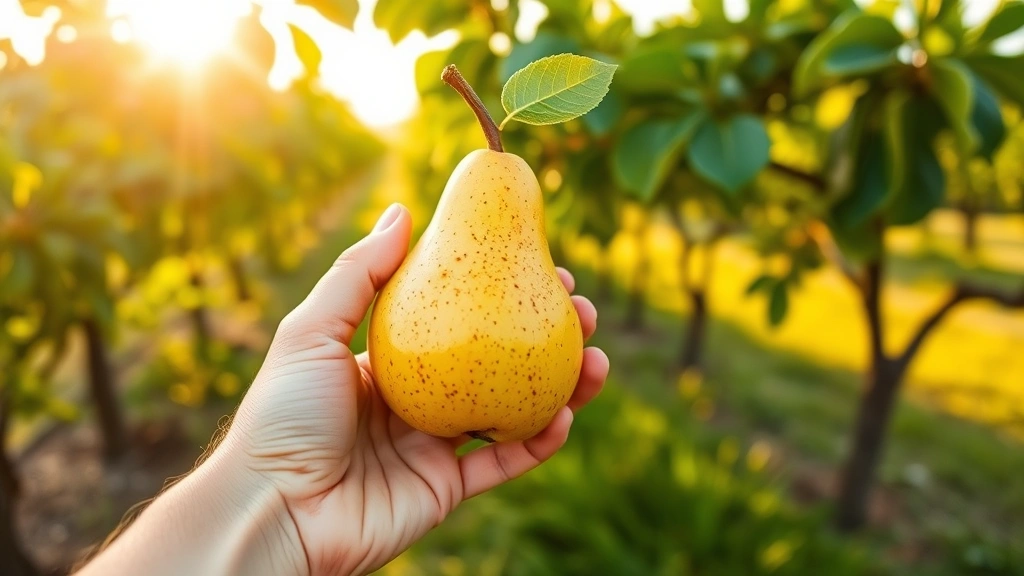
When comparing pear nutrition across different varieties, minor variations exist. Bartlett pears tend toward slightly higher sugar content, while Bosc pears offer marginally elevated fiber levels due to their denser flesh. Red pears contain additional anthocyanins in their skin, providing enhanced antioxidant properties compared to their green counterparts. Understanding these nuanced differences allows you to select pear varieties strategically based on your specific nutritional priorities and health objectives.
As part of a comprehensive healthy nutrition plan, pears complement other whole foods to create balanced meal compositions. The fruit’s natural sweetness satisfies cravings without requiring added sugars, while its nutrient density ensures you’re maximizing nutritional return on your caloric investment.
Dietary Fiber: The Digestive Health Hero
Dietary fiber represents pears’ most celebrated nutritional component, with a single medium fruit providing approximately one-fifth of daily recommended fiber intake. This exceptional fiber content operates through two distinct mechanisms: soluble and insoluble fiber, each contributing unique digestive benefits. The soluble fiber pectin dissolves in water, forming a gel-like substance that slows gastric emptying and promotes beneficial bacterial growth in the colon.
Research published through peer-reviewed nutritional studies demonstrates that adequate dietary fiber consumption correlates with improved digestive regularity, reduced constipation incidence, and enhanced overall gut microbiome diversity. The insoluble fiber in pears—primarily cellulose and hemicellulose—adds bulk to stool, promoting intestinal motility and preventing digestive stagnation. Together, these fiber types create an optimal environment for digestive health.
Beyond basic digestive function, pear fiber demonstrates prebiotic properties, meaning it selectively stimulates beneficial bacteria growth while suppressing pathogenic species. This microbial shift produces short-chain fatty acids—particularly butyrate—which nourish intestinal epithelial cells and support the intestinal barrier function. A compromised intestinal barrier contributes to systemic inflammation and various chronic diseases, making pear consumption a strategic intervention for preventive health.
For individuals implementing meal planning strategies, pears offer an accessible fiber source that integrates seamlessly into both sweet and savory applications. Unlike some high-fiber foods that provoke bloating or digestive distress, pears’ gentle fiber content typically promotes comfortable digestion even for sensitive individuals.

Vitamins and Minerals in Pears
Pears deliver a comprehensive micronutrient profile that supports multiple physiological systems. Vitamin C content, though not as concentrated as in citrus fruits, still provides approximately 8% of daily requirements per medium fruit. This water-soluble vitamin functions as a potent antioxidant, protecting cellular structures from oxidative damage while supporting collagen synthesis and immune function. The vitamin C in pears enhances iron absorption from plant-based sources, making pears an excellent companion to iron-rich foods in vegetarian meal compositions.
Vitamin K represents another significant micronutrient in pears, with a single fruit providing roughly 10% of the adequate intake for adults. This fat-soluble vitamin plays a critical role in blood coagulation, bone mineralization, and vascular health. Emerging research suggests vitamin K’s involvement in cardiovascular disease prevention through mechanisms that prevent arterial calcification and promote vascular flexibility.
The mineral composition includes potassium—an electrolyte essential for cardiovascular function, muscle contraction, and fluid balance—providing approximately 206 milligrams per medium pear. This potassium-to-sodium ratio favors blood pressure regulation, particularly important for individuals managing hypertension or cardiovascular disease risk. Copper, though required in smaller quantities, supports enzymatic reactions involved in energy metabolism and antioxidant defense.
Folate (vitamin B9) content in pears supports cellular division and DNA synthesis, making pears particularly valuable for pregnant individuals and those in rapid growth phases. The B-vitamin complex represented in pears facilitates energy metabolism, converting carbohydrates and other macronutrients into usable ATP.
Antioxidants and Phytonutrients
Beyond conventional vitamins and minerals, pears contain diverse phytonutrients—plant-derived compounds with potent biological activity. Flavonoids, including quercetin and catechin, comprise the primary antioxidant class in pears. These compounds neutralize free radicals—unstable molecules that damage cellular structures and accelerate aging processes. Research demonstrates that flavonoid-rich fruit consumption correlates with reduced cardiovascular disease incidence, improved cognitive function, and enhanced longevity across multiple population studies.
Chlorogenic acid, another prominent phytonutrient in pears, demonstrates antimicrobial properties and may support glucose metabolism. Arbutin compounds contribute additional antioxidant capacity while potentially supporting urinary tract health through antimicrobial mechanisms. The skin of pears concentrates these beneficial compounds at elevated levels compared to the flesh, making whole-fruit consumption preferable to peeled alternatives.
The anthocyanins present in red pear varieties provide additional antioxidant power, explaining why red varieties often display superior antioxidant capacity in laboratory analyses. These purple and red pigments protect plant tissues from UV radiation and oxidative stress—the same protective mechanisms benefit human consumers through reduced inflammation and enhanced cellular resilience.
Incorporating pears into a comprehensive nutrition solution leverages these phytonutrient benefits, particularly when combined with other antioxidant-rich foods. The synergistic effect of multiple antioxidant sources exceeds the benefits of isolated compounds, making whole-food approaches superior to supplementation strategies.
Heart Health and Cardiovascular Benefits
Pear consumption demonstrates measurable cardiovascular benefits through multiple mechanisms. The soluble fiber pectin reduces LDL cholesterol absorption in the intestines, effectively lowering circulating cholesterol levels. A meta-analysis examining fiber supplementation studies confirms that each additional 7 grams of daily fiber correlates with approximately 9% reduction in cardiovascular disease risk.
The potassium content supports healthy blood pressure regulation through vasodilatory mechanisms, reducing peripheral vascular resistance and improving overall hemodynamic function. For individuals managing hypertension, pear consumption provides a natural, food-based approach to blood pressure management that complements pharmaceutical interventions when necessary.
Polyphenolic compounds in pears demonstrate direct antiatherogenic properties, preventing oxidative modification of LDL particles—a critical early step in atherosclerotic plaque formation. By reducing LDL oxidation, pears help maintain arterial wall integrity and prevent the inflammatory cascade that initiates atherosclerotic disease progression.
Research from cardiovascular health organizations consistently identifies fruit consumption as a cornerstone of heart-healthy dietary patterns. Pears, with their exceptional nutrient density and cardiovascular-supportive compounds, rank among the most beneficial fruit choices for individuals prioritizing heart disease prevention.
Weight Management and Satiety
Despite their natural sweetness, pears support healthy weight management through multiple physiological mechanisms. The high water content and dietary fiber create exceptional satiety—the sensation of fullness that reduces subsequent caloric intake. Studies examining fruit consumption and body weight demonstrate that individuals incorporating pears into structured dietary interventions achieve superior weight loss outcomes compared to control groups.
The glycemic load of pears remains moderate despite their carbohydrate content, meaning they produce gradual blood sugar elevation rather than rapid spikes. This metabolic characteristic prevents the insulin surges that promote fat storage and subsequent energy crashes that trigger overeating.
Fructose in pears, though a simple sugar, demonstrates superior satiating properties compared to glucose or sucrose. The hepatic fructose metabolism generates satiety hormones more efficiently, signaling fullness to appetite-regulating brain centers. This metabolic advantage makes pears an exceptional choice for individuals implementing performance-optimized nutrition strategies that balance caloric restriction with sustained energy availability.
The pectin fiber in pears undergoes fermentation in the colon, producing short-chain fatty acids that enhance satiety signaling and reduce hunger hormone secretion. This delayed metabolic effect means pears provide sustained appetite suppression hours after consumption, supporting adherence to caloric targets without requiring constant willpower.
Blood Sugar Control
Contrary to assumptions about fruit sugar content, pears demonstrate favorable effects on blood glucose metabolism. The glycemic index of pears ranges from 38-51 depending on ripeness and variety, classifying them as low-to-moderate GI foods. This metabolic characteristic reflects the modulating effect of dietary fiber on carbohydrate absorption rates.
The soluble fiber pectin slows glucose absorption in the small intestine, preventing rapid blood sugar elevation. This extended absorption window allows pancreatic beta cells to mount measured insulin responses rather than excessive secretion. Over time, this pattern improves insulin sensitivity—the cellular responsiveness to insulin signaling—reducing diabetes risk and improving glucose homeostasis.
Polyphenolic compounds in pears directly inhibit alpha-glucosidase enzymes responsible for disaccharide breakdown in the small intestine. By slowing glucose liberation from complex carbohydrates, these compounds further moderate postprandial (after-meal) blood glucose elevation. For individuals managing type 2 diabetes or prediabetes, pear consumption provides a food-based glycemic management tool that complements pharmaceutical interventions.
Research demonstrates that individuals consuming pears as part of structured dietary interventions show improved hemoglobin A1C levels—the three-month average blood glucose marker—suggesting meaningful long-term glucose control improvements. The combination of fiber, polyphenols, and favorable macronutrient ratios makes pears an exceptional choice for metabolic health optimization.
Practical Ways to Incorporate Pears
Maximizing pear nutrition requires strategic incorporation into daily dietary patterns. Fresh consumption remains optimal for preserving heat-sensitive vitamin C and maintaining enzyme activity, though cooked applications still retain substantial micronutrient density. Pear ripeness significantly influences consumption experience—ripe pears offer superior flavor and digestibility compared to underripe alternatives.
Incorporating pears into breakfast applications provides sustained energy through combined carbohydrate-fiber profiles. Sliced pears atop Greek yogurt deliver complementary protein, while pear additions to oatmeal enhance fiber content and provide natural sweetness without refined sugar additions. Pear smoothies incorporating Greek yogurt, chia seeds, and spinach create nutrient-dense breakfast solutions supporting satiety through morning hours.
Salad applications leverage pear’s subtle sweetness and crisp texture in sophisticated culinary compositions. Pear and arugula salads with aged cheese and walnut oil dressings provide balanced macronutrients with exceptional flavor profiles. The combination of pear fiber with salad vegetables amplifies digestive benefits while supporting overall nutritional density.
Snacking on fresh pears provides convenient, portable nutrition requiring minimal preparation. The natural packaging of pear skin protects flesh integrity during transport, making pears ideal for office environments or travel situations. Pairing fresh pears with nuts or cheese creates balanced snacks combining carbohydrates with protein and healthy fats, supporting sustained satiety.
Culinary applications extending beyond fresh consumption include poaching pears in herbal teas, creating fruit compotes for yogurt applications, or incorporating pears into baked goods with reduced refined sugar content. These preparation methods maintain substantial nutritional value while expanding consumption variety and supporting long-term dietary adherence.
Visit our comprehensive nutrition blog for additional recipes and nutrition insights supporting mental health through dietary optimization.
FAQ
How many pears should I consume daily for optimal health benefits?
Most nutrition guidelines recommend consuming 1-2 medium pears daily as part of broader fruit consumption recommendations (typically 1.5-2 cups daily). Individual requirements vary based on total caloric needs, existing dietary composition, and specific health objectives. Consulting with registered dietitians helps personalize fruit consumption recommendations.
Are pear skins nutritionally valuable, or should they be removed?
Pear skins concentrate significant antioxidant and fiber content, making them nutritionally superior to consumption of peeled flesh alone. Organic pears allow confident skin consumption without pesticide concerns, while conventionally grown pears warrant thorough washing under running water to minimize residue exposure.
Does pear juice provide equivalent nutrition to whole pears?
Whole pear consumption provides substantially greater nutritional benefits compared to juice, as processing removes most dietary fiber and damages heat-sensitive compounds. Commercial pear juices often contain added sugars and lack the satiety-promoting properties of whole fruit. Whole fruit consumption remains nutritionally superior.
Can pears support weight loss when incorporated into calorie-restricted diets?
Yes, pears support weight loss through exceptional satiety properties, moderate caloric density, and favorable metabolic effects. The combination of fiber, water content, and polyphenolic compounds makes pears an excellent fruit choice for individuals implementing caloric restriction. Research demonstrates superior weight loss outcomes when pears comprise part of structured dietary interventions.
Are there any contraindications for pear consumption in specific populations?
Most populations tolerate pears well, though individuals with fructose malabsorption may experience digestive discomfort due to natural fructose content. Patients taking anticoagulant medications should maintain consistent vitamin K intake rather than dramatically increasing pear consumption. Those with IBS may require gradual fiber increases to minimize bloating during dietary transitions.
How does pear nutrition compare to other popular fruits?
Pears offer superior fiber content compared to most fruits, with higher levels than apples, oranges, and bananas. While citrus fruits provide greater vitamin C concentration, pears deliver more diverse phytonutrient profiles and superior soluble fiber content. Comparing pears directly against berries reveals comparable antioxidant capacity with superior satiety properties in pears.