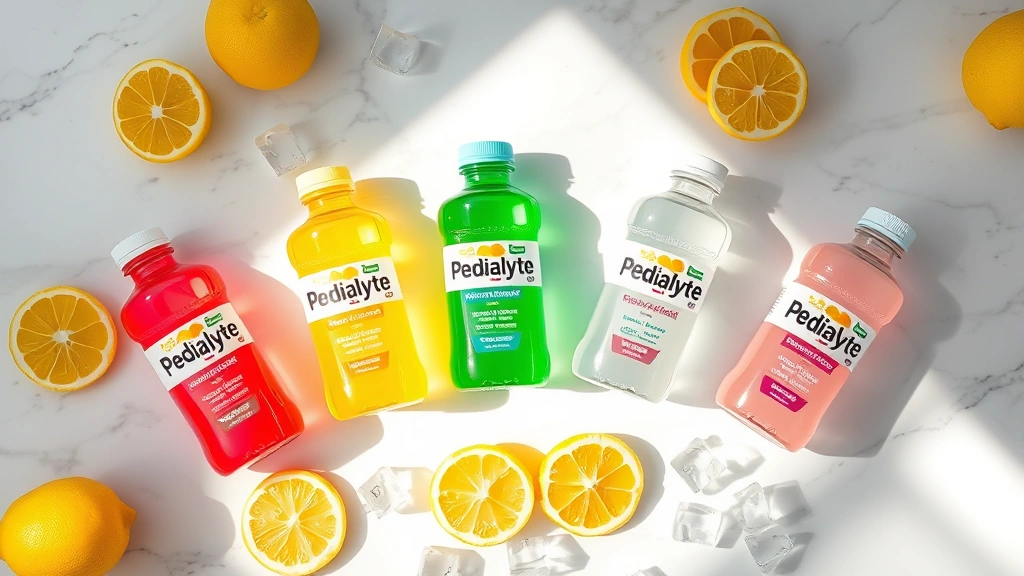
Pedialyte Nutrition: What’s Inside? Dietitian Explains
Pedialyte has become a household name for rehydration, but many consumers don’t understand what’s actually in this beverage or how its nutritional composition compares to water, sports drinks, and other hydration solutions. As a registered dietitian nutritionist, I frequently encounter questions about whether Pedialyte is appropriate for different age groups, activity levels, and health conditions. This comprehensive guide breaks down the exact ingredients, examines the science behind its formulation, and helps you determine whether Pedialyte aligns with your personal health goals and hydration needs.
The electrolyte-replacement market has exploded over the past decade, with consumers increasingly aware that plain water alone may not be optimal for certain situations like intense exercise, illness recovery, or extreme heat exposure. Pedialyte, originally developed in 1966 as a pediatric rehydration solution, has evolved into a multi-purpose beverage marketed to adults, athletes, and anyone experiencing dehydration. Understanding its nutritional profile is essential for making informed decisions about when and how to use it effectively.
Pedialyte Nutrition Facts Overview
A standard 8-fluid-ounce serving of Pedialyte Original contains approximately 60 calories, making it a relatively low-calorie beverage compared to traditional sports drinks or juices. The caloric content comes primarily from carbohydrates, specifically 14 grams of sugar per serving. This measured carbohydrate content is intentional—the formulation is designed to optimize fluid absorption while providing minimal energy, distinguishing it from high-sugar sports drinks that contain 20-30 grams of sugar per serving.
The sodium content in Pedialyte Original is 390 milligrams per 8-ounce serving, which represents approximately 17% of the daily recommended value for most adults. Potassium content stands at 260 milligrams per serving, contributing roughly 7% of the daily adequate intake. These electrolyte levels are carefully calibrated based on decades of research into optimal rehydration ratios, balancing the need to replace lost electrolytes without creating an osmotic imbalance that could worsen dehydration.
Pedialyte also contains chloride at 310 milligrams per serving, an often-overlooked electrolyte that works synergistically with sodium to maintain proper fluid balance across cell membranes. The inclusion of glucose at specific concentrations facilitates sodium-glucose cotransport in the small intestine, a physiological mechanism that enhances water absorption—this is why Pedialyte’s carbohydrate-to-electrolyte ratio differs from both plain water and traditional sports drinks.
Electrolyte Composition and Function
Understanding electrolytes requires examining their biological roles and how Pedialyte’s formulation addresses specific dehydration scenarios. The nutrition for athletes optimizing performance through diet often includes strategic electrolyte replacement, and Pedialyte’s composition reflects clinical research on optimal rehydration.
Sodium is the primary extracellular electrolyte responsible for maintaining blood osmolality, regulating blood pressure, and supporting nerve transmission. When someone experiences significant fluid loss through sweating, diarrhea, or vomiting, sodium depletion can occur alongside water loss. Pedialyte’s sodium concentration of 390 mg per 8 oz is notably lower than many sports drinks (which contain 400-500 mg per serving) but higher than coconut water (approximately 250 mg per serving). This moderate level was specifically chosen to facilitate rehydration without overwhelming the kidneys.
Potassium serves critical functions in cardiac rhythm regulation, muscle contraction, and intracellular fluid balance. The 260 mg of potassium per serving helps replace losses that occur during prolonged sweating or gastrointestinal distress. Unlike sodium, potassium is an intracellular electrolyte, meaning its depletion has different physiological consequences. Severe potassium deficiency can cause muscle weakness, cardiac arrhythmias, and fatigue—all reasons why balanced electrolyte replacement matters more than simple water consumption during recovery.
Chloride, present at 310 mg per serving, often receives minimal attention despite its importance. This anion works with sodium to maintain osmotic pressure and supports gastric acid production necessary for digestion. The chloride-to-sodium ratio in Pedialyte is carefully balanced to mirror physiological needs rather than simply maximizing mineral content.
The glucose content, typically around 2.5% in Pedialyte Original, activates the sodium-glucose cotransporter in the intestinal epithelium. This mechanism, extensively documented in peer-reviewed hydration research, enhances water absorption efficiency compared to plain water alone. The specific carbohydrate-to-electrolyte ratio creates an osmolarity of approximately 245 mOsm/L, classified as a hypotonic solution that promotes fluid retention and absorption.
Sugar Content and Sweetening Agents
Pedialyte Original contains 14 grams of sugar per 8-ounce serving, derived from sucrose and glucose. While this represents less than half the sugar content of typical cola beverages (39 grams per 12 oz), it remains a consideration for individuals monitoring carbohydrate intake or managing blood glucose levels. The sugar serves functional purposes beyond taste—it facilitates electrolyte absorption and provides rapid energy replenishment during recovery from illness or intense activity.
For consumers seeking lower-sugar alternatives, Pedialyte offers several formulations. Pedialyte Zero contains zero grams of sugar and uses sucralose as a sweetening agent, making it appropriate for diabetic individuals or those practicing strict carbohydrate restriction. Pedialyte Zero maintains the same electrolyte profile as the original formulation while eliminating the glucose-dependent absorption advantage. Some evidence suggests this trade-off is acceptable for mild dehydration but may be suboptimal for severe fluid losses where the carbohydrate-facilitated absorption mechanism provides clinical benefit.
The ingredient list also includes artificial and natural flavors, along with colorants like red 40 and blue 1 in certain flavors. These additives are FDA-approved and present in minimal concentrations, but individuals with sensitivities to artificial ingredients may prefer alternative hydration solutions. Pedialyte also offers organic formulations sweetened with stevia and monk fruit, addressing growing consumer preferences for natural ingredients without the caloric density of sugar.
Vitamins and Minerals in Pedialyte
Beyond the primary electrolytes, Pedialyte includes micronutrients that support metabolic function and recovery. The formulation contains zinc at 1.5 mg per serving, representing approximately 14% of the daily value. Zinc plays crucial roles in immune function, wound healing, and protein synthesis—all processes accelerated during illness recovery. This inclusion reflects Pedialyte’s original purpose as a pediatric rehydration solution, as children recovering from gastroenteritis benefit from zinc supplementation.
The B-vitamin complex in Pedialyte includes thiamine, riboflavin, niacin, and vitamin B6, each contributing to energy metabolism and nervous system function. These vitamins are water-soluble and easily depleted during illness or excessive sweating. Including them in a rehydration beverage addresses the compound nutrient losses that occur simultaneously with fluid loss, providing a more comprehensive recovery solution than electrolyte-only formulations.
Some Pedialyte formulations include additional ingredients like ginger or apple juice concentrate, marketed for digestive support or enhanced palatability. These additions don’t significantly alter the nutritional profile but may improve compliance in populations resistant to taking medications or unflavored rehydration solutions. Research on healthy nutrition plan guides often emphasizes that palatability directly influences adherence to therapeutic interventions.
The absence of caffeine, artificial stimulants, and high-fructose corn syrup distinguishes Pedialyte from energy drinks and many sports beverages. This formulation choice reflects its medical heritage—it’s designed for recovery and rehydration, not performance enhancement or stimulation. The ingredient profile has remained remarkably consistent across decades, suggesting confidence in the original formulation rather than mere marketing evolution.
Comparison with Other Hydration Products
Understanding Pedialyte’s place in the broader hydration landscape requires comparing its nutritional composition with alternatives. Sports drinks like Gatorade and Powerade contain higher sodium (160-200 mg per 8 oz) and substantially more carbohydrates (14-21 grams per serving), formulated for active individuals requiring rapid energy replenishment alongside electrolyte replacement. These beverages excel during sustained athletic performance but may provide excessive calories for someone recovering from gastroenteritis.
Coconut water, a natural alternative gaining popularity, contains approximately 250 mg of potassium per serving but only 60 mg of sodium, creating an electrolyte ratio suboptimal for significant fluid losses. Its carbohydrate content (9 grams per serving) comes entirely from natural sugars, and some individuals find the distinct flavor preferable to sports drinks. However, clinical evidence supporting coconut water for rehydration remains limited compared to purpose-formulated solutions.
Plain water represents the baseline rehydration option, completely free of calories, electrolytes, and additives. For mild dehydration or routine daily fluid intake, plain water is entirely adequate. However, when significant electrolyte losses occur through sweating, diarrhea, or vomiting, plain water alone can paradoxically worsen hyponatremia (low blood sodium) by diluting remaining electrolytes without replacing them. This physiological reality explains why medical professionals recommend electrolyte-containing solutions for specific conditions.
Oral rehydration solutions (ORS) developed by the World Health Organization contain higher sodium (75 mEq/L) than Pedialyte, formulated specifically for treating severe dehydration from cholera and other conditions causing massive fluid losses. These clinical-grade solutions prioritize electrolyte replacement over palatability, and their higher osmolarity may cause gastrointestinal distress in some users. Pedialyte represents a middle ground—more sophisticated than plain water but more palatable and appropriate for less severe dehydration than medical-grade ORS.
Examining nutrition facts for various foods and beverages helps contextualize Pedialyte’s caloric and nutritional density. Most rehydration beverages are designed to be consumed in specific quantities rather than as primary nutrition sources, distinguishing them from meal-replacement drinks or nutritional supplements.
Who Should Use Pedialyte
Pedialyte’s formulation makes it particularly appropriate for specific populations and circumstances. Children experiencing gastroenteritis represent the original target demographic—the combination of electrolytes, glucose, and zinc supports recovery from viral or bacterial infections causing diarrhea and vomiting. Pediatricians frequently recommend Pedialyte over sugary juices or plain water for this population, as the balanced formulation minimizes osmotic diarrhea while replacing losses.
Adults recovering from illness, particularly those with gastrointestinal symptoms, benefit from Pedialyte’s gentle formulation. The electrolyte concentration is sufficient to address moderate dehydration without overwhelming compromised digestive systems. Individuals experiencing hangovers—characterized by dehydration, electrolyte imbalance, and nutrient depletion—increasingly use Pedialyte as a recovery aid, and the formulation’s composition supports this application, though no peer-reviewed evidence specifically addresses hangover recovery.
Athletes engaged in endurance activities lasting longer than 90 minutes may benefit from Pedialyte during recovery phases rather than during exercise. The carbohydrate content facilitates glycogen replenishment, while electrolytes support fluid retention and muscle function restoration. For activities shorter than 90 minutes, plain water typically suffices; for activities requiring real-time fueling, higher-carbohydrate sports drinks may be superior.
Individuals with specific medical conditions, including cystic fibrosis, diabetes insipidus, or certain kidney disorders, should consult healthcare providers before using Pedialyte regularly, as the electrolyte content may interact with their conditions. Similarly, those taking medications affecting electrolyte metabolism or fluid balance require professional guidance before incorporating Pedialyte into their routine.
The tips for meal planning often include strategic hydration, and Pedialyte can be incorporated into recovery nutrition plans for specific scenarios rather than as a daily beverage. Distinguishing between appropriate and inappropriate use cases prevents both underutilization and overreliance on a specialized product designed for particular circumstances.
Potential Concerns and Limitations
Despite its generally safe profile and decades of clinical use, Pedialyte presents some considerations worth examining. The artificial sweeteners in Pedialyte Zero formulations—specifically sucralose—have generated ongoing discussion in nutrition communities. While regulatory agencies classify sucralose as safe, some research suggests potential effects on gut microbiota and glucose metabolism, though evidence remains preliminary and contested within the scientific community.
Cost represents a practical limitation for many consumers. Pedialyte typically costs 2-3 times more per serving than plain water and significantly more than homemade oral rehydration solutions. For individuals in resource-limited settings, WHO-recommended ORS recipes using salt, sugar, and water provide equivalent electrolyte replacement at minimal cost, though palatability may be reduced.
The sodium content, while appropriate for moderate dehydration, may be excessive for individuals with hypertension, heart disease, or kidney disease. These populations require personalized medical guidance rather than self-directed use of over-the-counter rehydration products. Regular consumption of Pedialyte as a general beverage rather than a targeted therapeutic intervention could contribute to excessive sodium intake in susceptible individuals.
Pedialyte’s effectiveness depends on adequate total fluid intake—the electrolytes facilitate absorption but don’t independently correct dehydration. Individuals must consume sufficient volume alongside Pedialyte, and some people mistakenly believe small amounts of Pedialyte can substitute for adequate plain water intake. Educational messaging around appropriate use remains important for preventing misunderstanding.
The formulation doesn’t address all aspects of recovery from severe illness. Individuals experiencing significant protein loss, nutrient depletion, or metabolic complications require comprehensive nutritional support beyond what a rehydration beverage provides. Pedialyte functions as one component of recovery, not a complete solution for complex medical situations.
Recent marketing expansion into lifestyle categories—including “morning after” positioning and athletic performance claims—extends beyond the evidence base supporting Pedialyte’s use. While the formulation can support recovery in these contexts, marketing sometimes outpaces scientific validation, and consumers should evaluate claims critically.
Examining comprehensive nutrition information from multiple sources helps develop balanced understanding of products like Pedialyte, avoiding both dismissive attitudes and uncritical acceptance of marketing narratives.
FAQ
What are the main electrolytes in Pedialyte?
Pedialyte contains sodium (390 mg per 8 oz), potassium (260 mg), and chloride (310 mg) per serving. These three electrolytes work synergistically to maintain fluid balance, support nerve transmission, and facilitate water absorption in the intestines. The specific concentrations reflect decades of clinical research into optimal rehydration ratios for various dehydration scenarios.
How much sugar is in Pedialyte?
Pedialyte Original contains 14 grams of sugar per 8-ounce serving, derived from sucrose and glucose. The glucose specifically facilitates electrolyte absorption through sodium-glucose cotransport mechanisms. Pedialyte Zero offers a sugar-free alternative using sucralose sweetener, though it sacrifices the glucose-dependent absorption advantage.
Is Pedialyte appropriate for daily consumption?
Pedialyte is designed for targeted use during dehydration recovery rather than as a daily beverage. Regular consumption would contribute excess sodium and artificial ingredients to your diet. Plain water remains the optimal choice for routine hydration in most individuals.
Can children safely use Pedialyte?
Yes, Pedialyte was originally developed for pediatric use and remains appropriate for children experiencing dehydration from illness. The formulation includes zinc and B vitamins supporting immune function and recovery. Parents should follow age-specific guidance on product labels and consult pediatricians for severe cases.
How does Pedialyte compare to sports drinks?
Sports drinks contain higher carbohydrate content (14-21 grams per serving) and different electrolyte ratios optimized for athletic performance and sustained energy. Pedialyte’s lower carbohydrate content and specific electrolyte concentrations make it more appropriate for illness recovery than competitive athletic performance.
Does Pedialyte contain caffeine?
No, Pedialyte contains no caffeine or stimulants. This distinguishes it from energy drinks and supports its use for recovery and rehydration without adding stimulant effects. The formulation prioritizes gentle support for compromised systems rather than stimulation.
Can people with diabetes use Pedialyte?
Individuals with diabetes should choose Pedialyte Zero, which contains no sugar and uses sucralose sweetening instead. The original formulation contains 14 grams of sugar per serving, which may impact blood glucose levels. Medical guidance from healthcare providers remains essential for personalized recommendations.
What makes Pedialyte different from plain water?
Plain water lacks electrolytes and glucose necessary for optimal absorption when significant fluid losses occur. Pedialyte’s formulation facilitates water absorption through sodium-glucose cotransport and replaces electrolytes lost through sweating or gastrointestinal distress, making it superior to plain water in specific dehydration scenarios while remaining unnecessary for routine hydration.


